
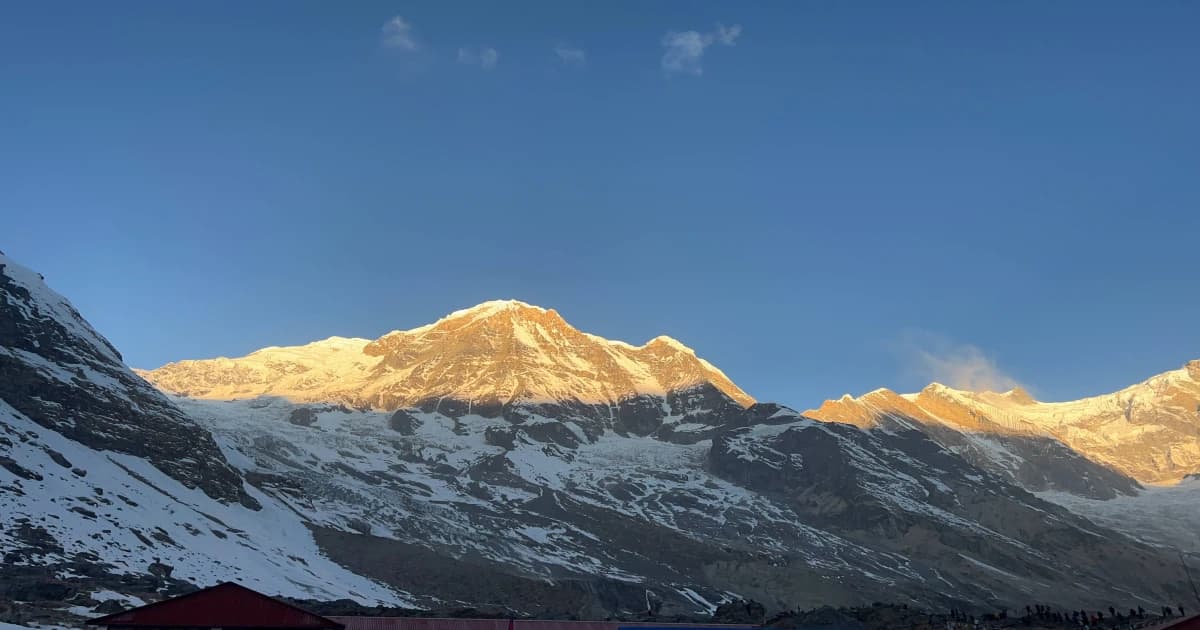
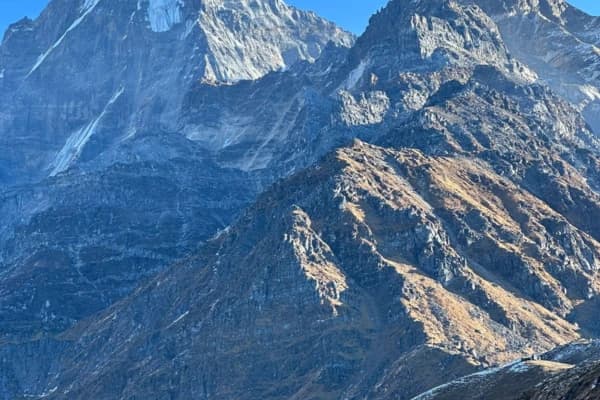
Trekking to Annapurna Base Camp is any trekker’s dream. This trek destination is adventurous and exciting for every trek lover. After you land at the Annapurna Base Camp Trek, you are going to witness the most breathtaking scenery of your lifetime. The awesome panoramic view of the famous Himalaya range in Nepal, including Annapurna I (8,091 m), Machhapuchhre (Fishtail, 6,993 m), Annapurna South (7,219 m), Hiunchuli (6,441 m), Gangapurna (7,455 m), and Annapurna III (7,555 m). While on a trekking journey, hikers can enjoy hiking through long trails, walk through challenging, steep hills, uphill, and downhill. These challenges are what make the Annapurna Base Camp Trek a thrilling one.
How to conquer the Annapurna Base Camp Trek Difficulty

What are the challenges that trekkers face during trekking?
As all kinds of trekking campaigns are tough for every human being, each trek destination has its own level of difficulty. The Annapurna Base Camp Trek is seemingly one of the most moderate levels of trekking. It suits best for both beginners and experienced ones. If you are new to trekking, then ABC Trek is a good one to experiment with. Likewise, the experienced trekkers can easily pass through it. However, beginner trekkers can find issues at different levels. Hence, if the trekkers are already aware with the difficulty associated with trekking on Annapurna Base Camp, then it will be easy to make effective measures for it. So let’s discuss the key challenges of the Annapurna Base Camp Trek.
Fitness, acclimatization, and altitude
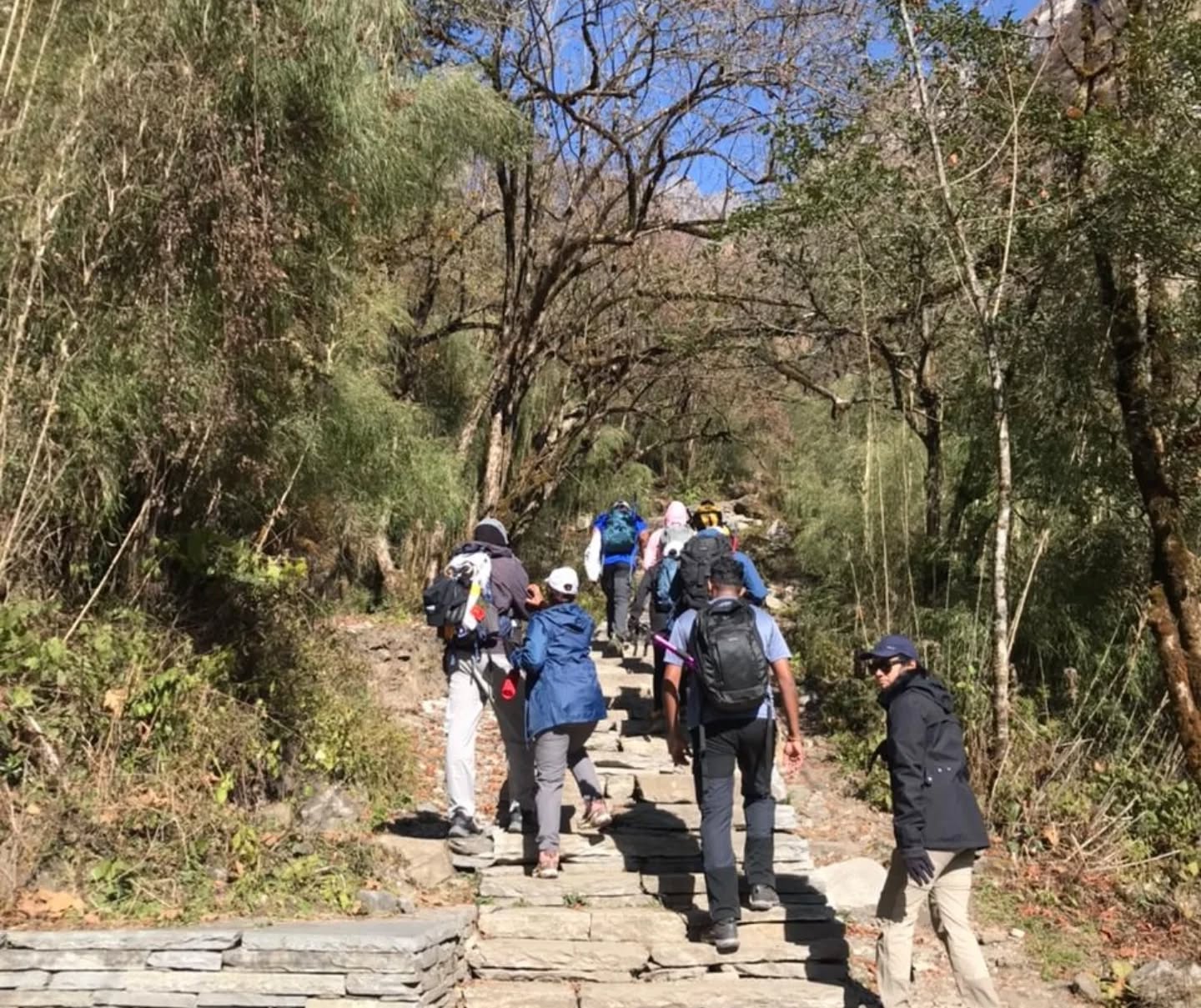
Trekking to Annapurna Base Camp Trek is quite challenging although not that much compared to the Everest Base Camp Trek. New trekkers are advised to be fit both physically and mentally fit. You have to face several tough situations while trekking. The long stone stairs can be very exhausting and take away your energy. It will particularly effect the legs and joint. The continuous walk can be tiresome and plenty of rest is required after that. Going on the high altitude area where there is less level of oxygen trekkers will find much difficulty and there is risk of causing AMS in the form of nausea, breathing problem, headache etc. So, precautions needs to be taken like taking prescribed medicines.
Clothing, gear, and packing
Not enough knowledge of correct clothing and packing list for Annapurna Base Camp Trek can be unfavourable. It can cause huge problem for trekkers. It is possible that some trekkers can bring less clothing or thin clothes that can cause problem while trekking in the high altitude place that is quite cold and chilly. Mismatch choice of gear can also bring issue to trek in a pleasant manner. If trekkers didn't study the packing list properly then the trekking journey will not be that fruitful as expected.
Health, food, and hygiene
Good food and hygiene is very important to enjoy the trek well. Trekkers coming from abroad countries can face problem with the food system in the tea houses of Nepal. The typical tea houses in the stop areas like Bamboo, Jovan, Chomorong is entirely simple and basic. The foods are plain like rice, dal and tarkari which is the national food of nepalese. It is possible that new trekkers can find issue in adjusting to its taste. However, in some places the tea house & lodge can offer continental foods like spagetti, pasta, soup, sandwitch, burger, pizza and many other international foods. Usually, nepali foods are oily and can be cooked raw sometimes. So, such things can effect the health of trekkers like causing diarrohea, gastric, bloating etc.
Trail safety and navigation
The trails in Annapurna Base Camp Trek is variable and challenging. The stony steeps are hard to walk and also the rocky roads all around the way is troublesome. You will find huge number of long steps that goes upward while starting the trek. LIkewise after completing the trek you have to move backward so that steps are again need to be walked again. Trekkers with less physical fitness can find this quite challenging and will have pain in their legs, joints and muscles. As you trek to higher elevation, the air is thinner at that point and trekkers are often find themselves a victim of short breathness, nausea, weakness. So, medication is needed for it.
Weather and visibility
Weather condition is yet another vital thing for trekking goears to keep in check. Normally, trekkers are advised in advanced about the best season for trekking in Nepal. The most suitable season are the spring season and monsoon season. Though in these season, the weather can be unpredictable in some situation. In some case heavy rain can appear in the spring season where there is no chance of rain. Raining can cause roads to get slippery which can cause problem in walking. In some places trekkers can might slip or fall down. Another weather problem is the doom condition that causes fog in the sky. So, trekkers won't be able to view the himalayas properly.
Communication, and emergencies
Having a good and accurate communication between trekker and travel agent or guide is very crucial for completing trekking. Sometimes there can misunderstanding between them due to language barriear or common sense. New trekkers might find it difficult to understand the guide properly and can move to wrong direction. So, trekking guide should be well-trained to cooridnate well with trekker from any country.
What kind of precautions should be taken by the trekkers ?
As a trekking you must know that trekking is a long day journey. Usually, it consists of hiking throughout the day for 6 to 7 hours. Hence, it demands good physical fitness of trekkers and ofcourse a deep willingness to trek.
Here are some of the Annapurna Base Camp Trek safety tips for trekkers
- Do yoga, small-distance hiking
- Go to the gym to be physically fit prior to the ABC trekking
- Special workout on legs and joints to be fully prepared, as it is the main body that will get tired
- Choose reliable trekking company wisely
- Prepare proper packing list
Trekkers can experience different moments mentally and physically while trekking through various seasons. Let’s go into detail to know the differences in features hikers often face while hiking around the Annapurna Base Camp Trek in the spring and autumn seasons.
In the table below, it is explained clearly what factors affect the trek in different seasons. Beginner trekkers must have the proper knowledge about it so that they can pre-prepare themself before going to the ABC Trek.
| Aspect | Spring season (March–May) | Autumn season (September–November) | Winter season (December–February) |
| Weather & Temperature | Mild days, cool nights; pleasant but can be warm in lower forests. | Stable, clear skies; mild days, chilly nights; some cold snaps above 3,000 m. | Very cold, especially at night; freezing conditions near ABC |
| Trail Conditions | Dry, stable paths; some snow lingering on higher sections early in spring. | Mostly dry and firm; occasional wet patches after rain at start of autumn. | Snow‑covered and icy trails above Deurali/MBC; higher risk of slips and falls |
| Altitude & Fitness Demand | Moderate–difficult; altitude effects still present but easier due to milder weather. | Same moderate difficulty, but chilly air can feel more taxing. | Same elevation profile, but cold and heavy packs increase perceived effort |
| Crowd & Logistics | Popular season; lodges full, busy trails, but good services. | Peak season; crowded; some difficulty finding rooms, but tea houses fully operational. | Fewer trekkers; some lodges may close or run limited services |
| Main Risk | Occasional rain, wind, and variable snow patches at higher altitudes. | Slippery stones after rain; leeches in early autumn in lower forests. | Ice, snow, avalanche/rock‑fall risk in some sections |
| Trek Difficulty Rating | Moderate – good for fitter beginners | Moderate – same elevation, but large crowds | Challenging / Very Challenging,suited to experienced trekkers |
No matter how tough the Annapurna Base Camp Trek is, just some physical practice is what trekkers need to conquer it. As you arrive at the base of the Annapurna Base Camp Trek, the breathtaking 360-degree view of snow-capped peaks is the reward for the effort.
Need Help? Call Us+977 9856073085orChat with us on WhatsApp
Latest Travel Blogs
Oct 06, 2026By ABC
Trekking the Annapurna Circuit in September
Oct 04, 2026By ABC
Annapurna Circuit Trek in 2027
Oct 01, 2026By ABC
Mardi Himal Trek in May: A Short Hike into the Clouds
Need Help? Call Us.+977 9856073085