Understanding the Trek before You Pack
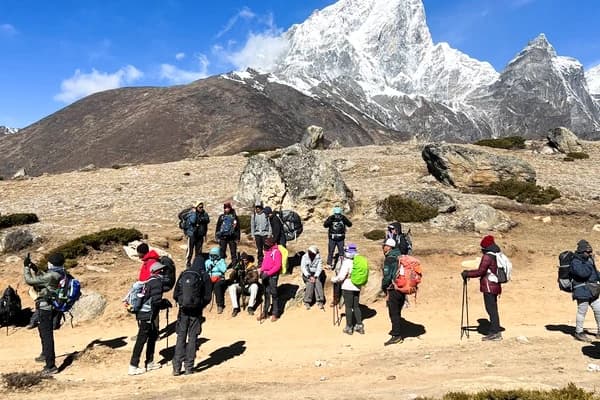
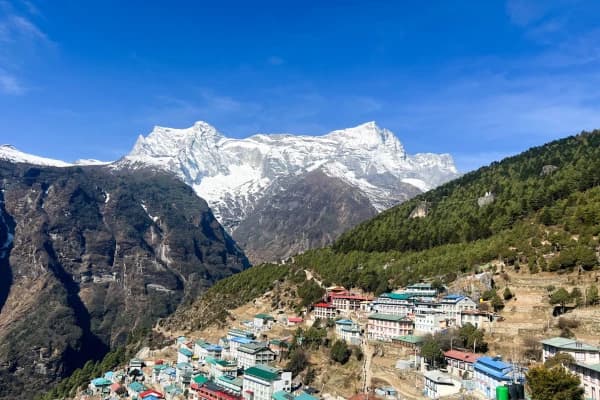
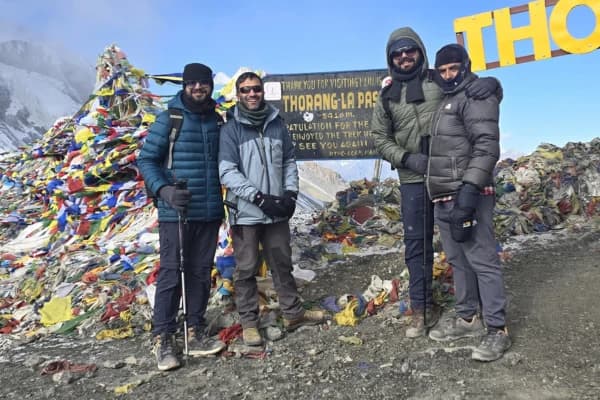
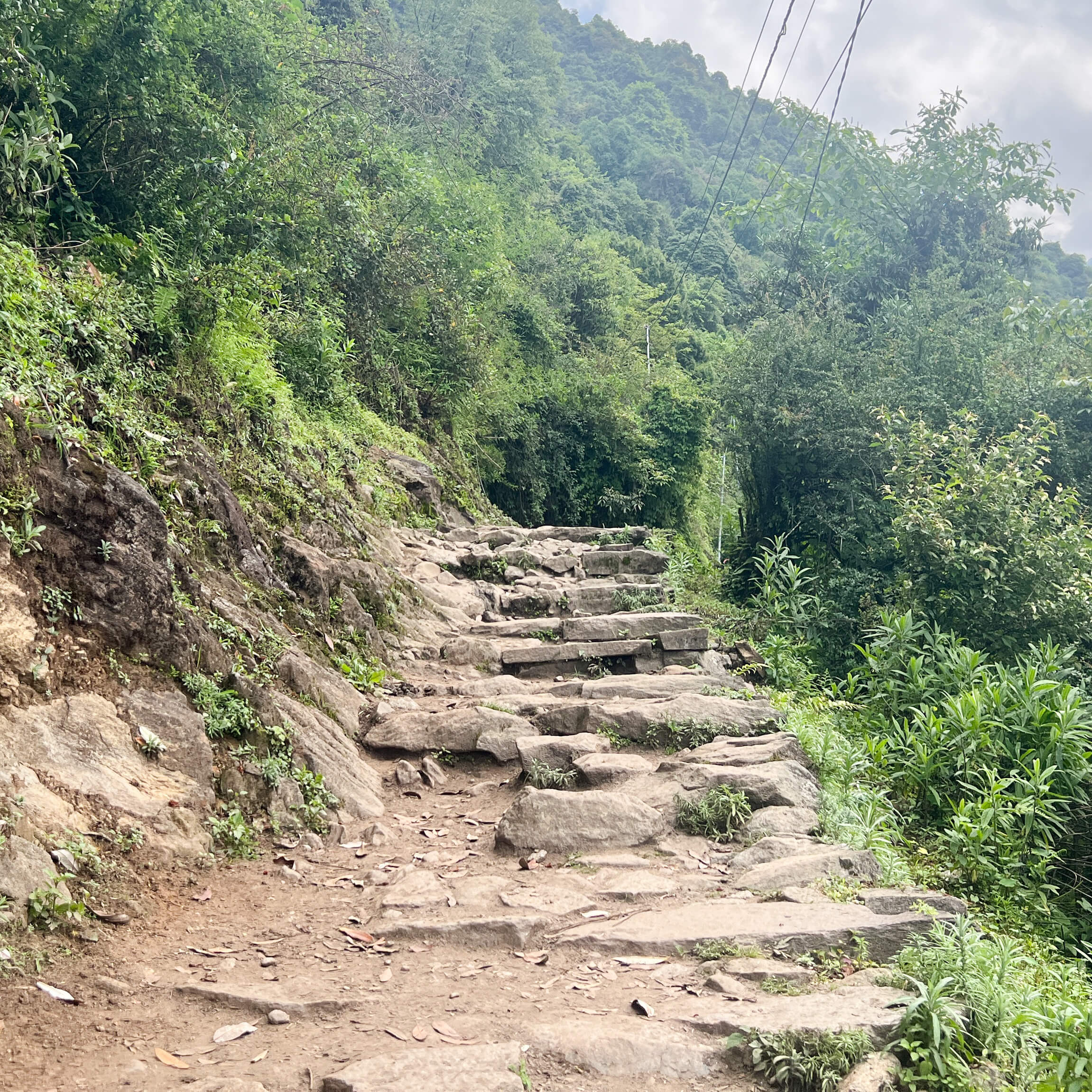
Before diving into the packing list, it helps to understand the environment you’re heading into. The Annapurna Base Camp route starts from lower-altitude villages near Pokhara and gradually climbs to over 4,000 meters at base camp.
You will experience warm, humid conditions in the lower sections, followed by cold nights, snow, and strong winds at higher elevations. Because of this dramatic variation, layering and versatility are far more important than carrying heavy, single-purpose gear.
Backpack and Bag Essentials
Your backpack is your most important companion on the trek.
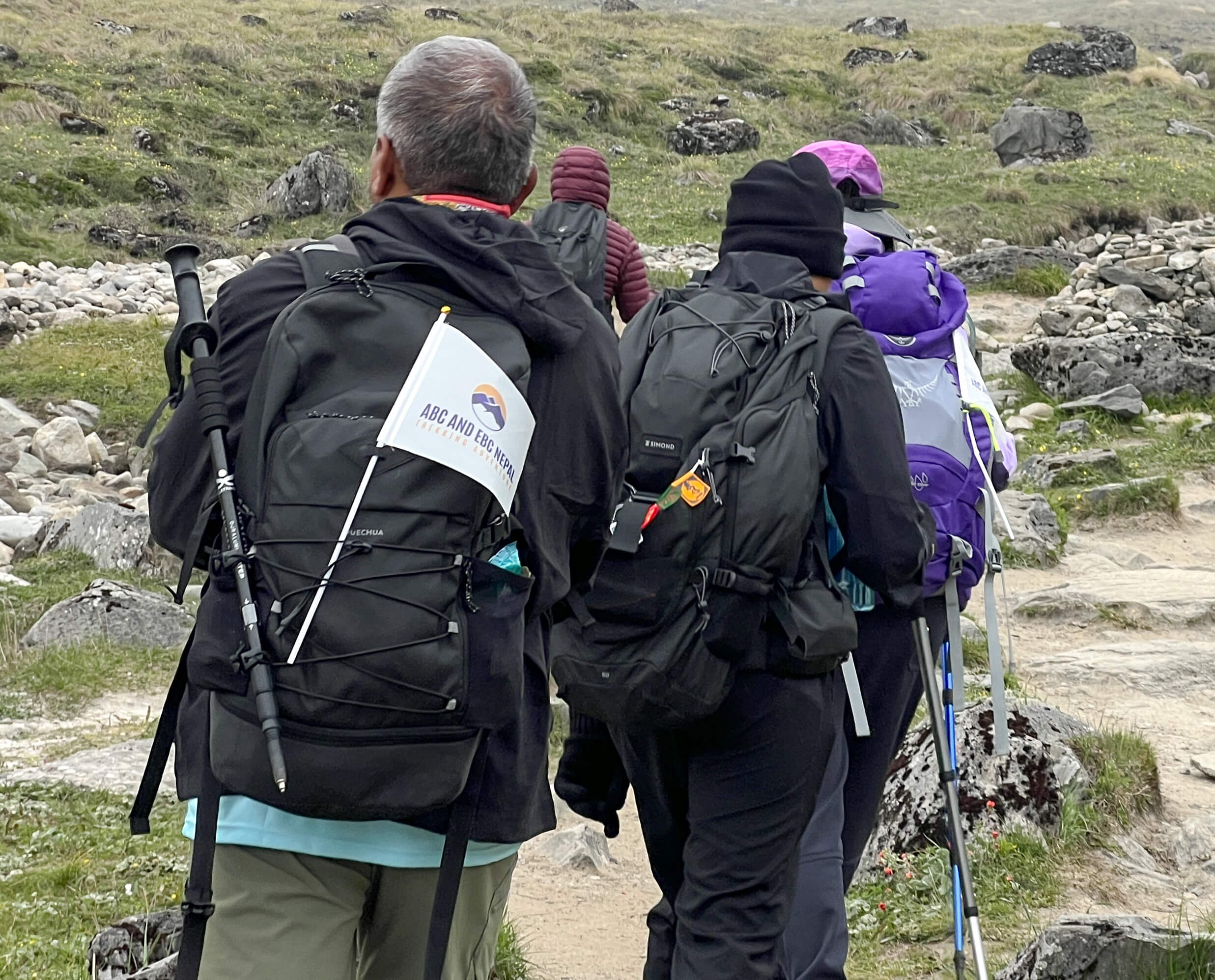
A comfortable 30–50L daypack and a 50–70L trekking backpack with a rain cover are essential. Look for padded shoulder straps, a hip belt for weight distribution, and multiple compartments for easy access.
A waterproof duffel bag is also commonly used for porter-supported treks. This keeps your main gear safe and organized during transport.
Dry bags or zip-lock bags are extremely useful for separating wet clothes, electronics, and documents.
Clothing: The Layering System
Clothing is where most trekkers either succeed or struggle. The key is layering rather than bulk.
Start with a moisture-wicking base layer. Avoid cotton, as it retains sweat and can make you go cold quickly. Synthetic or merino wool tops and leggings are ideal.
For insulation, pack a fleece jacket or a lightweight down jacket. This is crucial for cold mornings and evenings, especially as you approach higher altitudes.
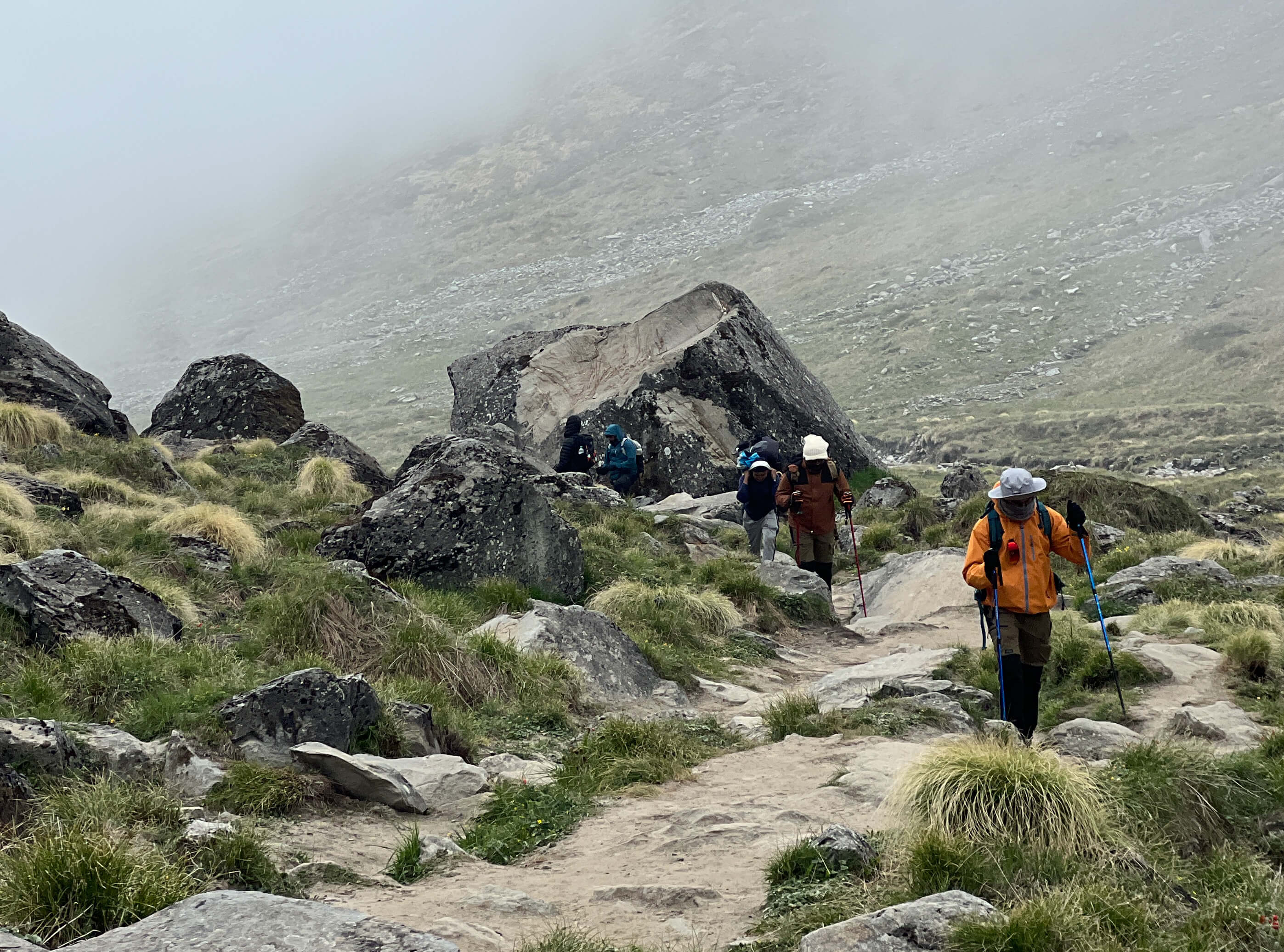
Your outer layer should be a waterproof and windproof shell jacket. Mountain weather can change quickly, and rain or snow is always possible.
For lower body wear, trekking pants that are quick-drying and flexible are best. Bring thermal leggings for colder nights.
You will also need enough underwear and quick-dry t-shirts for layering, but avoid overpacking.
Footwear: Your Foundation on the Trail
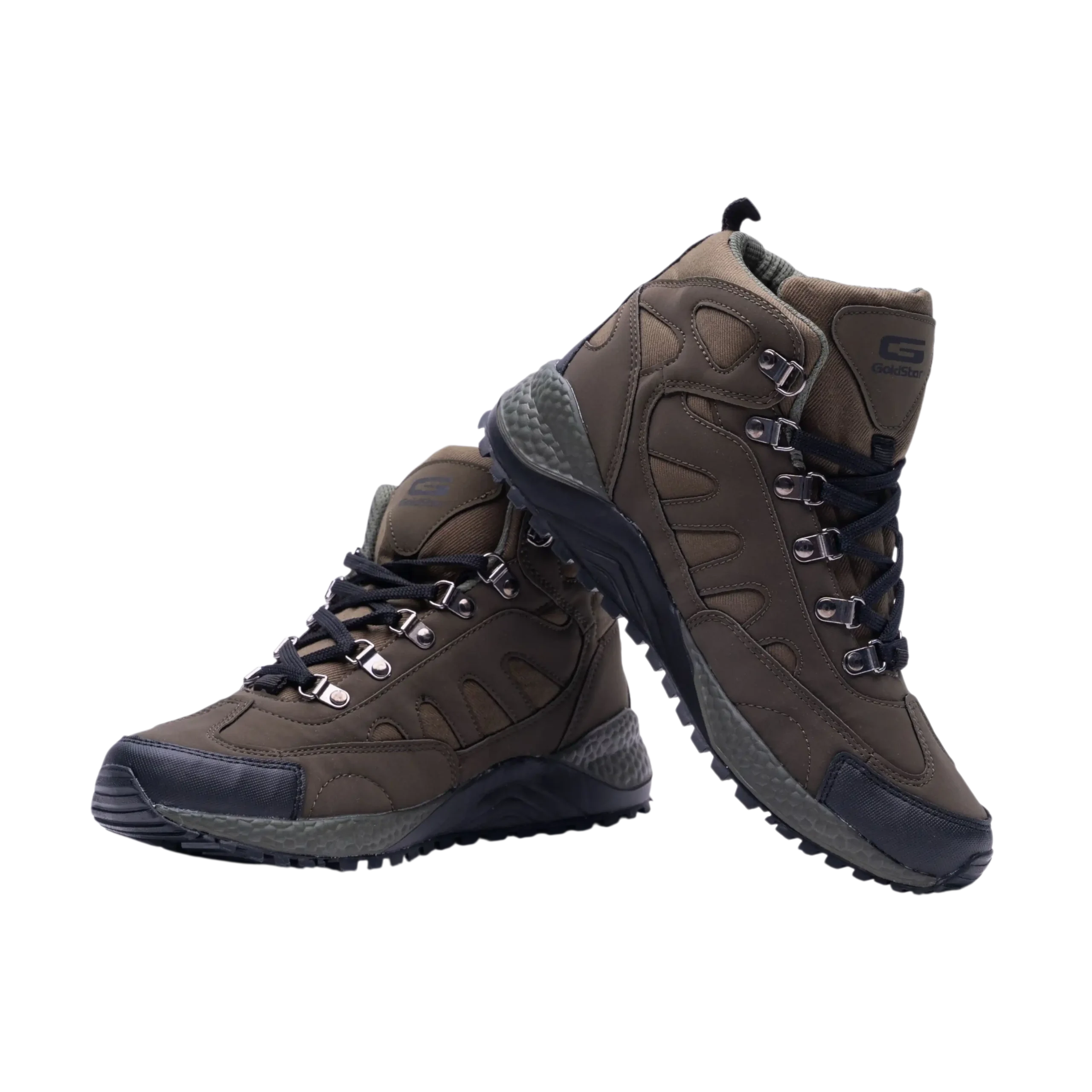
Good trekking boots are non-negotiable. Choose waterproof hiking boots with ankle support and a well-broken-in sole. New boots on a long trek are a recipe for blisters.
Pair them with moisture-wicking trekking socks—preferably wool or synthetic blends. Carry multiple pairs, as dry feet are essential for comfort and preventing fungal infections.
Lightweight camp shoes or sandals are also useful in teahouses. After long hours of walking, letting your feet breathe makes a big difference.
Sleeping Gear and Warmth
Most trekkers stay in teahouses, which provide blankets, but they are often not sufficient at higher altitudes.
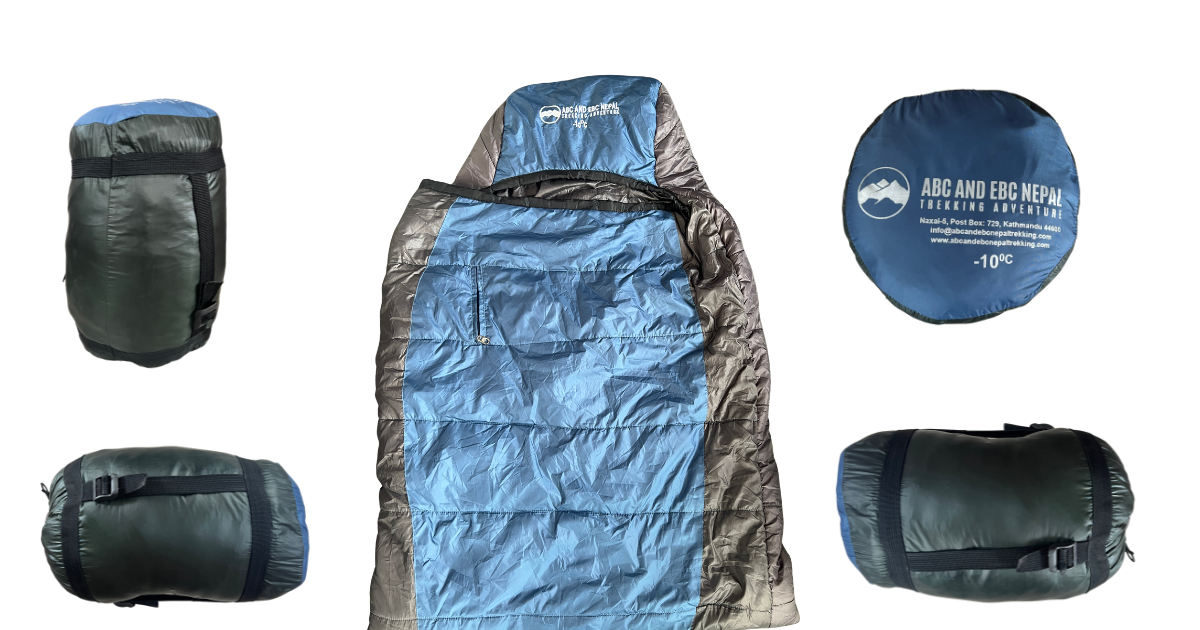
A sleeping bag rated to at least -10°C to -15°C is highly recommended. Nights near base camp can be extremely cold.
A sleeping bag liner adds extra warmth and improves hygiene, especially when using shared bedding.
Earplugs and an eye mask can also help you sleep better in crowded lodges with thin walls.
Health, Hygiene, and Personal Care
At high altitude, your body becomes more sensitive, so hygiene and health supplies are critical.
Carry a basic first aid kit including Band-Aids, antiseptic cream, painkillers, and altitude sickness medication (consult a doctor before use).
Sunscreen with high SPF is essential, even in cold weather, as UV exposure increases with altitude. Lip balm with SPF is equally important.
Hand sanitizer, wet wipes, and biodegradable soap help maintain hygiene when showers are limited.
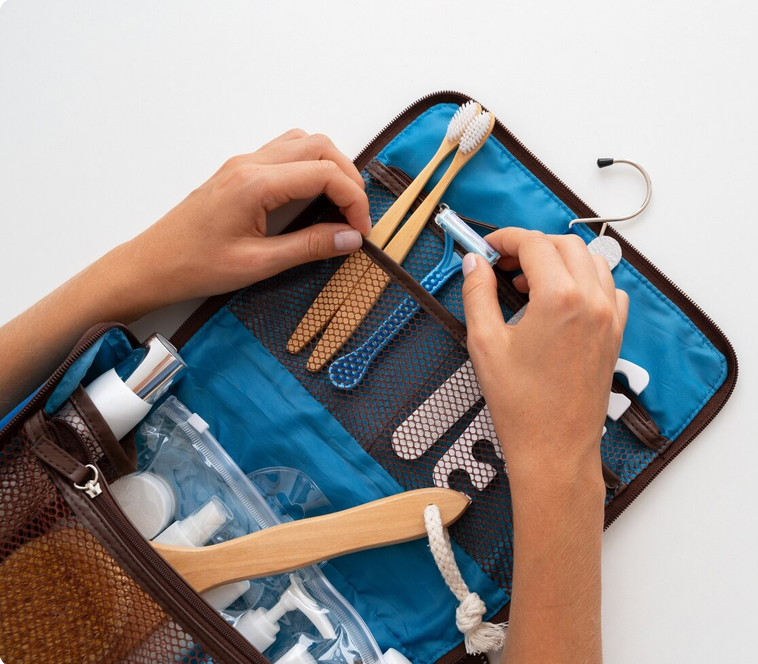
Toiletries should be minimal: toothbrush, toothpaste, quick-dry towel, and toilet paper (often not provided in teahouses).

Hydration and Nutrition Essentials
Staying hydrated is crucial on the trek. Carry a reusable water bottle or hydration bladder. Many trekkers also use water purification tablets or a portable filter to avoid buying plastic bottles and to ensure safe drinking water.
Electrolyte powders can help maintain energy levels, especially during long climbing days.
Snacks such as energy bars, nuts, and dried fruits are useful for quick energy between meals. While food is available along the route, having your own supply ensures you are never low on fuel during long stretches.
Electronics and Navigation Tools
While the trail is well-marked, having basic electronics improves safety and convenience.
A headlamp with extra batteries is essential for early morning starts or nighttime bathroom trips.
A fully charged power bank will keep your phone and camera running, especially since charging can be expensive at higher elevations.
A lightweight camera or smartphone is enough to capture the breathtaking views of the Himalayas.
Offline maps or trekking apps can be helpful, though most trekkers rely on guides or well-marked trails.
Documents, Money, and Miscellaneous Items
Carry your passport, trekking permits, and emergency contact details in a waterproof pouch.
Cash is essential, preferably in small denominations of Nepalese rupees, since ATMs are not available on the trail.
A lightweight trekking pole can significantly reduce strain on knees during steep ascents and descents.
Sunglasses with UV protection are necessary due to strong mountain glare, especially on snowy sections.
A small notebook or journal is optional but valuable for documenting your journey.
Optional but Useful Items
Some items are not strictly necessary but can greatly improve comfort:
- A lightweight sleeping mat for extra insulation
- Compression sacks to reduce backpack volume
- A lightweight book or e-reader for evenings
- Travel laundry detergent for quick washing
- Gaiters for snow or muddy sections
- These additions depend on your packing style and comfort preferences.
Pack Smart, Not Heavy
The key to a successful trek to Annapurna Base Camp Trek is not carrying everything you might need, but carrying exactly what you will actually use. Weather in the Annapurna Conservation Area can be unpredictable, but smart layering, lightweight gear, and careful preparation will keep you comfortable and safe.
Remember that everything you pack will eventually feel heavier as altitude increases. If you are unsure about an item, it is usually better to leave it behind.
With the right preparation, your journey through the stunning valleys, forests, and snowy amphitheaters of the Annapurna Sanctuary will be less about what you carry—and more about what you experience.