A Mountain that never wanted to be Climbed
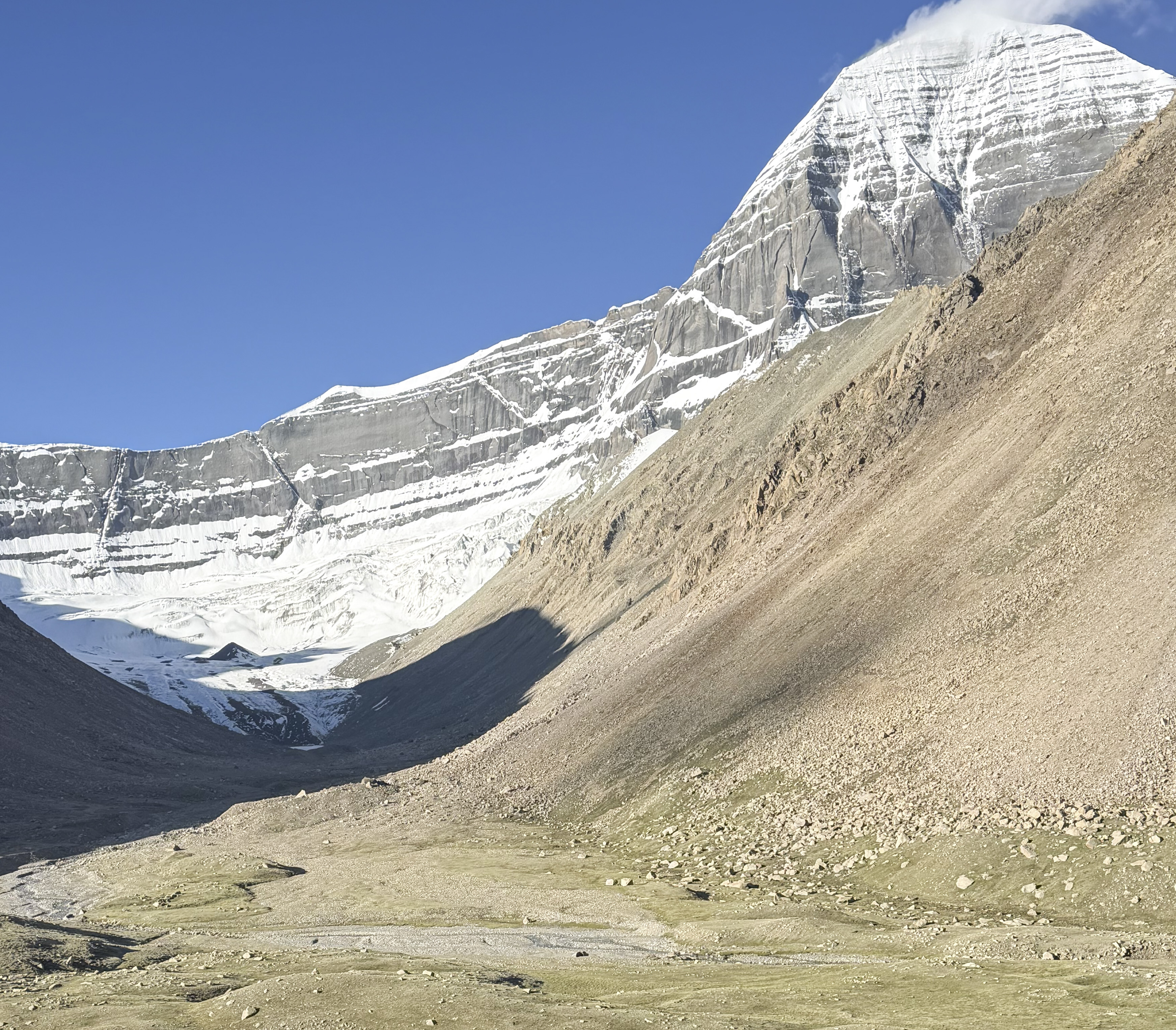
Unlike Everest or Kanchenjunga, no one has ever officially climbed Kailash. It's not because the mountain is unclimbable - mountaineers have said the ascent, technically, wouldn't be impossible. It's because nobody has been allowed to try. Local communities, religious authorities, and even foreign climbers who once considered it have backed off, partly out of respect and partly because the mountain is considered too sacred to be conquered.
Think about that for a moment. In a world where humans have summited nearly every peak on earth, planted flags on the moon, and mapped the ocean floor, there remains one mountain that has been left alone simply because people agreed it deserved to stay untouched. That alone makes Kailash worth seeing - not for what you can do on it, but for what it represents by remaining undone.
The Meeting Point of Four Faiths
Kailash isn't sacred to just one religion. It holds deep spiritual significance for Hindus, who believe it is the abode of Lord Shiva. Buddhists regard it as the home of Demchok, a tantric meditation deity. Followers of Jainism believe their first Tirthankara attained liberation here. And practitioners of Bon, Tibet's indigenous spiritual tradition, consider it the site where their founder descended from the heavens.
It's rare to find a single place on earth that four different faiths regard as their spiritual epicenter. You don't need to belong to any of these religions to feel the weight of that. Standing at the base of Kailash, watching pilgrims from wildly different backgrounds walk the same path with the same quiet devotion, gives you a rare, almost visceral sense of how deeply human the search for meaning really is.
The Parikrama: A Walk unlike any other
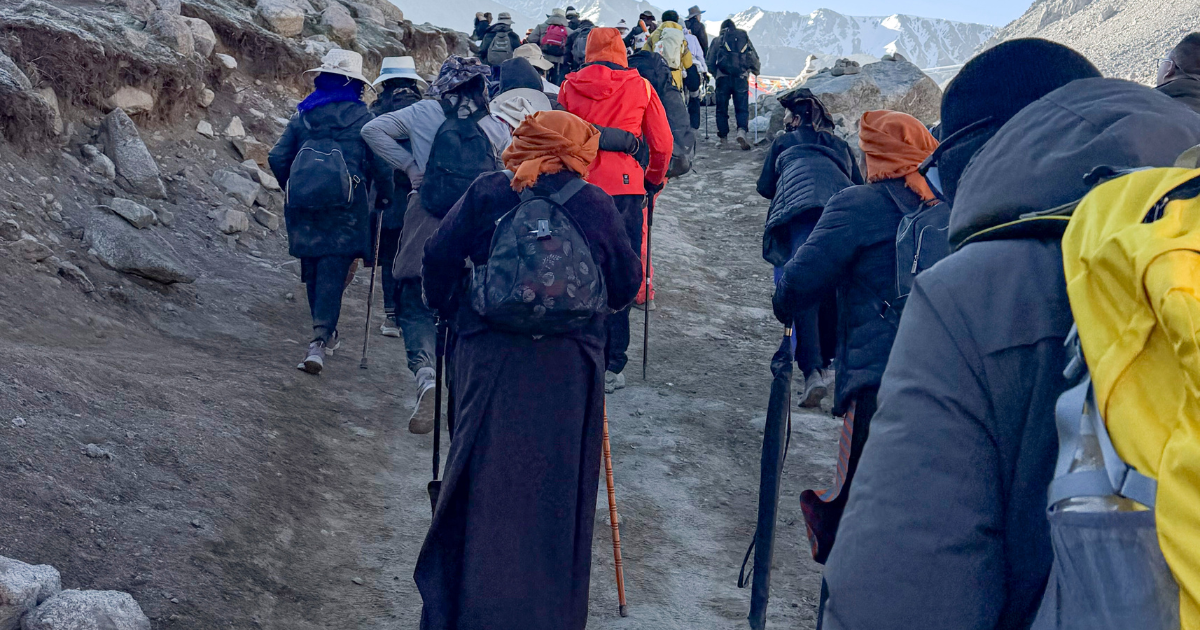
The heart of the Kailash experience is the parikrama, or kora - a roughly 52-kilometer circumambulation around the base of the mountain, usually completed over three days. It isn't a technical climb, but don't let that fool you into thinking it's easy. You're walking at altitudes between 15,000 and 18,600 feet, where the air is thin enough to make even simple steps feel like a workout.
But here's the thing about the parikrama: it strips away everything unnecessary. There's no signal, no notifications, no distraction from the version of yourself that exists without all the noise of daily life. Just you, the trail, your breath, and a mountain that doesn't care whether you're impressed by it or not. Somewhere around the second day, most people stop performing the journey for anyone else and start actually living it.
Lake Manasarovar: Stillness before the Storm
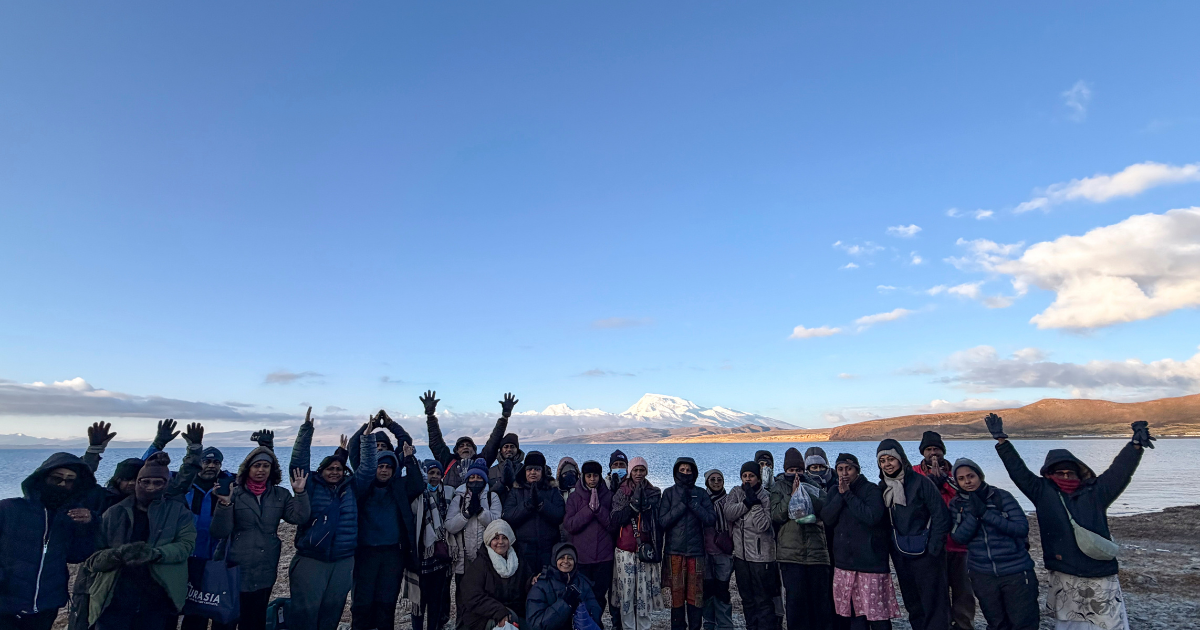
Most Kailash journey begins with a stop at Lake Manasarovar, one of the highest freshwater lakes in the world, sitting at over 14,900 feet. Its water is considered sacred, believed to purify the soul of anyone who bathes in it or even touches it.
There's something about arriving here first, before the physical demands of the parikrama begin, that feels intentional - as though the universe wanted travelers to sit by still water and quiet their minds before facing the mountain itself. Watching the sunrise over Manasarovar, with Kailash sometimes visible in the distance, is one of those moments that photographs never quite do justice to.
It will test you, and that's the point
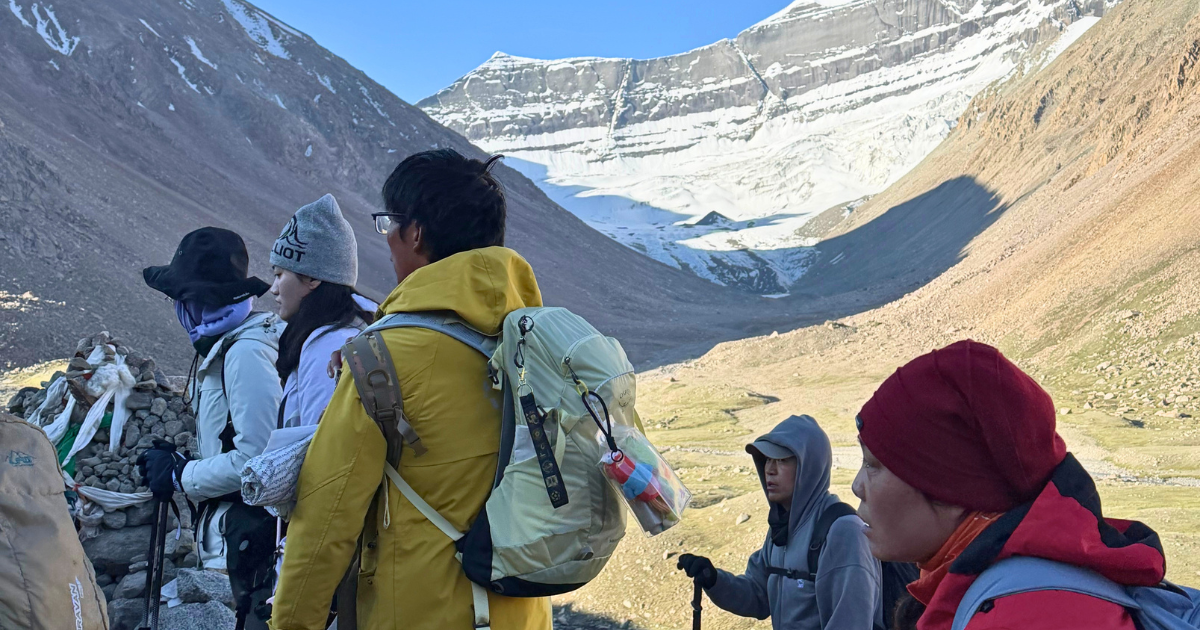
Let's be honest about something: Kailash is not a comfortable trip. The altitude is unforgiving. Facilities are basic. The weather can shift from sunny to freezing within hours. You will likely experience some degree of breathlessness, fatigue, or discomfort. This isn't a spa retreat, and it was never meant to be one.
But that discomfort is part of why the journey matters. In a world engineered for convenience, where we can order almost anything to our doorstep and solve most problems with an app, Kailash asks something different of you. It asks for patience, humility, and physical effort. And in exchange, it gives you something that convenience never can - a genuine sense of having earned an experience, rather than simply consumed it.
A Perspective Shift that Outlasts the Trip
People who've done the Kailash parikrama often describe a shift that happens somewhere along the trail, usually when the body is tired enough that the mind stops chattering. Old worries that felt enormous back home start to look smaller. Grudges loosen their grip. There's a clarity that surfaces when you're removed from your usual environment and placed instead in front of something ancient, silent, and enormous.
You don't need to be religious for this to happen. Plenty of travelers who go purely out of curiosity, not devotion, come back describing a change they can't fully explain - a recalibration of what actually matters to them.
Why "Someday" isn't Good Enough
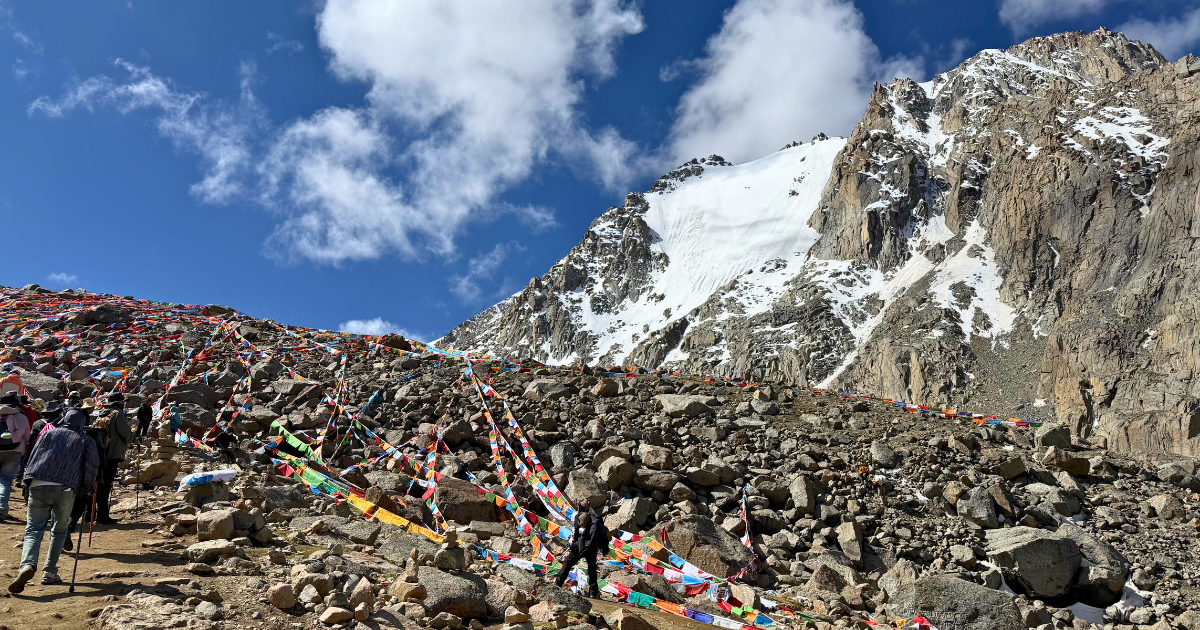
Kailash isn't going anywhere, but neither is the rest of your life. The window for a trip like this - physically demanding, logistically complex, dependent on permits and seasons - tends to shrink with time, responsibilities, and health considerations. The best time to go is usually when you're still fit enough to walk 52 kilometers at extreme altitude and still curious enough to want to.
There's a reason pilgrims have made this journey for centuries despite having far fewer resources than we do today. They understood something that's easy to forget in modern life: some experiences aren't about ticking a box on a list. They're about placing yourself, even briefly, in front of something larger than your everyday concerns, and letting it remind you how small - and how significant - a single human life can be.
Kailash isn't for everyone, and that's exactly why it means something when you choose to go anyway. It will challenge your body, quiet your mind, and probably leave you with more questions than answers. But if you're looking for a journey that actually changes you rather than just entertains you, there are very few places on earth that come close.
Go once. You'll understand why people never quite finish talking about it, even when they've stopped trying to explain it.