Every season, someone sends us the same message: "I'm excited about the Manaslu Tsum Valley Trek, but where will I sleep? What will I eat? And will I accidentally offend someone?"
Fair questions. The Manaslu Tsum Valley Trek is not a luxury holiday. It's a remote, restricted-area route where the lodges are simple and the culture is deeply Tibetan Buddhist. That's exactly why people love it.
At ABC and EBC Nepal Trekking Adventure, we've guided trekkers through Nepal's mountains for over 15 years. This guide tells you honestly what the Manaslu and Tsum Valley trail feels like day to day, so you can arrive prepared and relaxed.
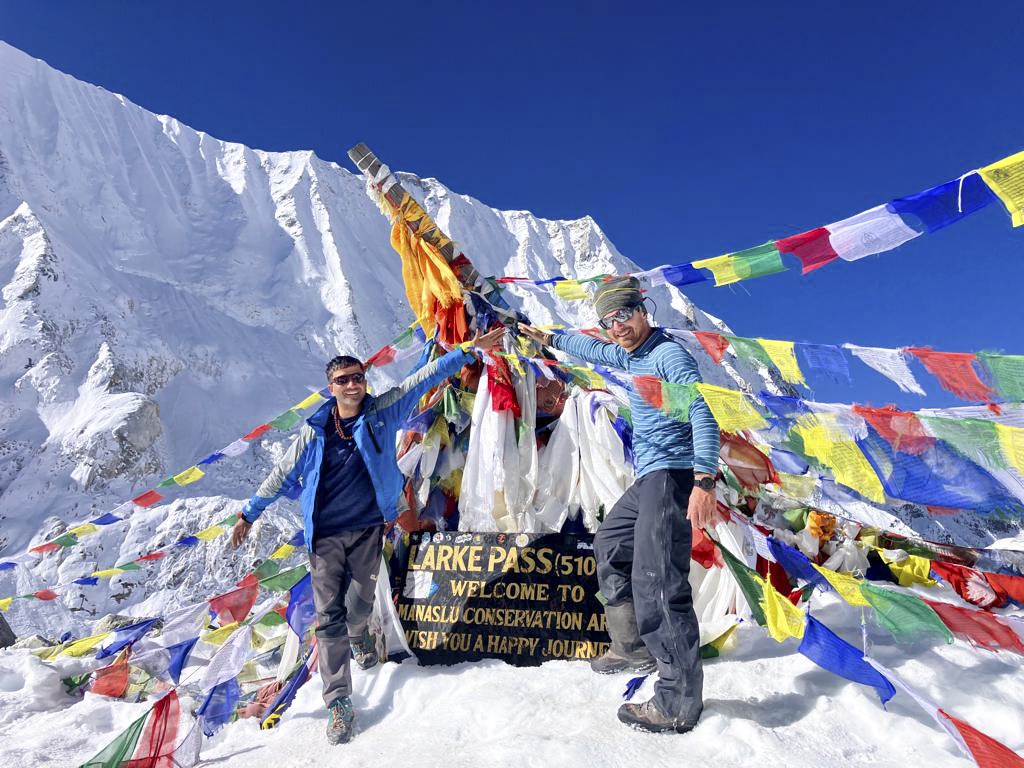
A Quick Word on the Trek Itself
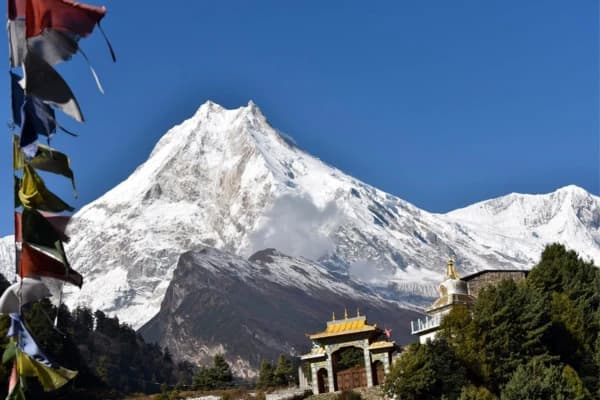
The Tsum Valley sits in the far north of the Gorkha district, tucked beneath Ganesh Himal. For centuries, locals called it a "beyul," a hidden sacred valley. Because it's a restricted area, you need special permits and must travel with a licensed guide. That keeps the trails quiet and the villages relatively untouched.
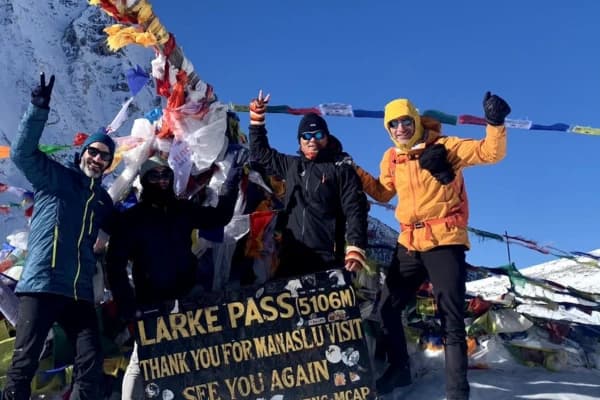
You can walk the valley on its own in our 14-day Tsum Valley Trek, or combine it with the Larkya La Pass in our 21-day Manaslu Tsum Valley Trek. If you only want the classic circuit, there's also the 15-day Manaslu Circuit Trek. Accommodation, food and culture work much the same way on all of them.
Manaslu Tsum Valley Trek Accommodation: Teahouse Life
What a teahouse room really looks like?
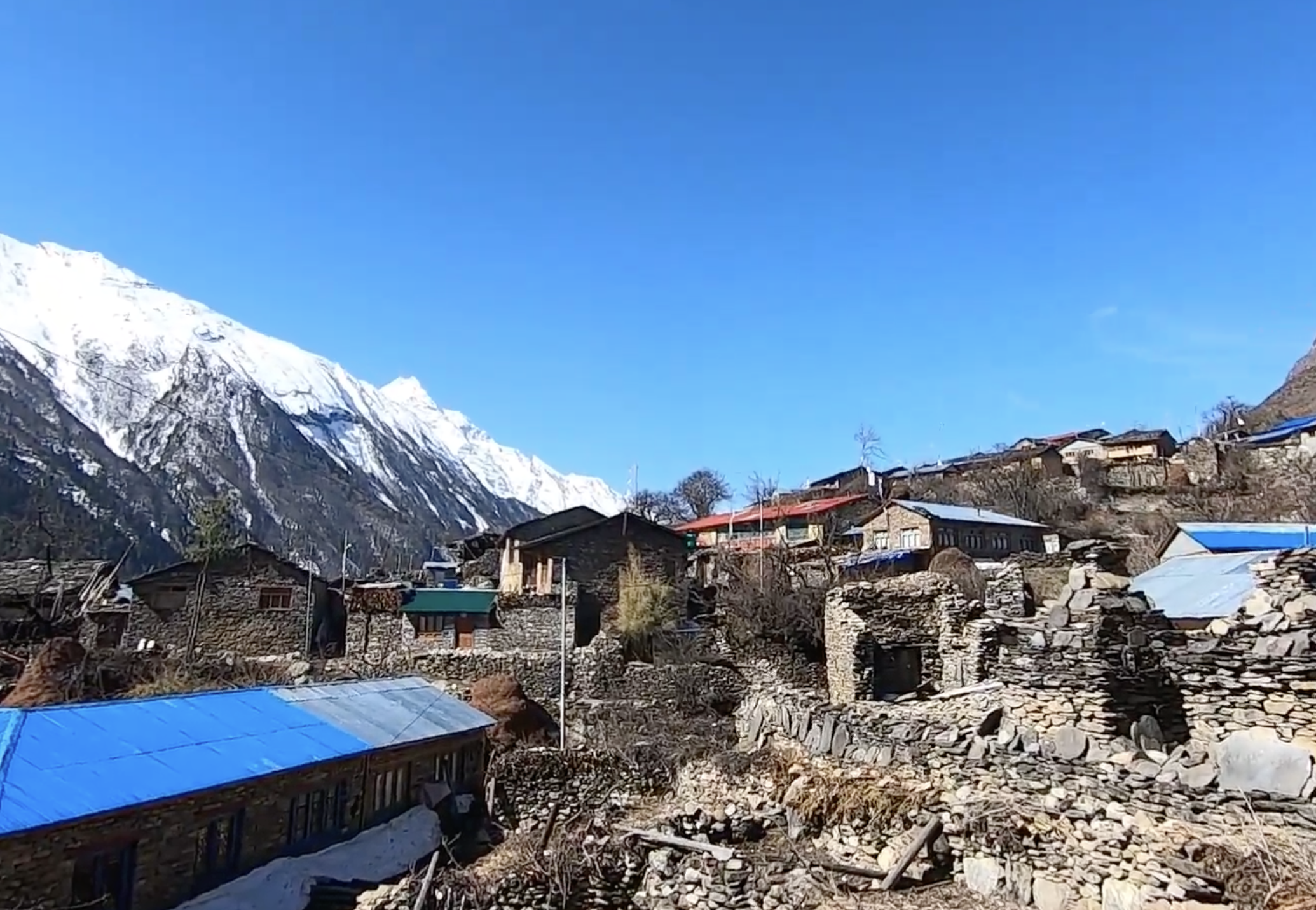
Forget hotels. On this trek you'll sleep in family-run teahouses, which are basically small mountain guesthouses. Most rooms are twin-share with two single beds, a thin mattress, a pillow and a blanket. Walls are often plywood, so you'll hear your neighbours turn over in the night.
Bathrooms are usually shared and sit at the end of the corridor or outside. At lower villages like Jagat, Lokpa and Chumling, you may find a hot shower, often solar-heated or run on gas for a small fee. Higher up, expect a bucket of warm water at best.
Honestly? The simplicity is part of the charm. You'll wake up to the smell of woodsmoke, step outside, and see snow peaks glowing pink above a stone village.
How comfort changes with altitude
The Tsum Valley tops out around 3,700 metres near Mu Gompa, so it's lower than Everest Base Camp. That helps with the cold, but nights above Chhokangparo still get properly chilly.
- Lower valley (Lokpa, Chumling): Warmer, with slightly more comfortable rooms and easier charging options.
- Mid valley (Chhekampar, Nile): Cooler nights, simpler lodges, and a dining room with a stove that becomes everyone's favourite spot.
- Upper valley (Mu Gompa area): Very basic facilities. It's remote, but sleeping near an ancient monastery is something you'll remember
Practical accommodation tips from our guides
- Bring a good sleeping bag. Blankets help, but a warm bag rated to around -10°C gives you real comfort in October and November.
- Pack a silk liner and earplugs. Thin walls and shared rooms are normal.
- Carry a power bank. Charging is possible in many lodges, but often costs extra, and solar power can be limited.
- Expect little or no Wi-Fi. Some lodges sell it, but it's slow and unreliable. Think of it as a free digital detox.
- Keep small cash handy. There are no ATMs in the valley, and teahouses charge extra for showers, charging and hot water.
When you book with us, your guide handles room allocation and arrives ahead where needed, so you're not hunting for a bed after a long day.
Food on the Tsum Valley Trek: Simple, Hearty and Surprisingly Good
You will not go hungry. Trekking burns serious energy, and teahouse kitchens know how to refill you.
Dal bhat: the trekker's engine
Dal bhat is steamed rice with lentil soup, vegetable curry, pickle and often a little greens. Locals eat it twice a day, and on the trail it usually comes with free refills of rice and lentils. There's a reason Nepali porters say, "Dal bhat power, 24 hour." It's filling, fresh and easy on the stomach.
Tibetan flavors you'll meet along the way
Because the Tsum Valley is culturally Tibetan, the menu shifts a little compared with other Nepal routes. Look out for:
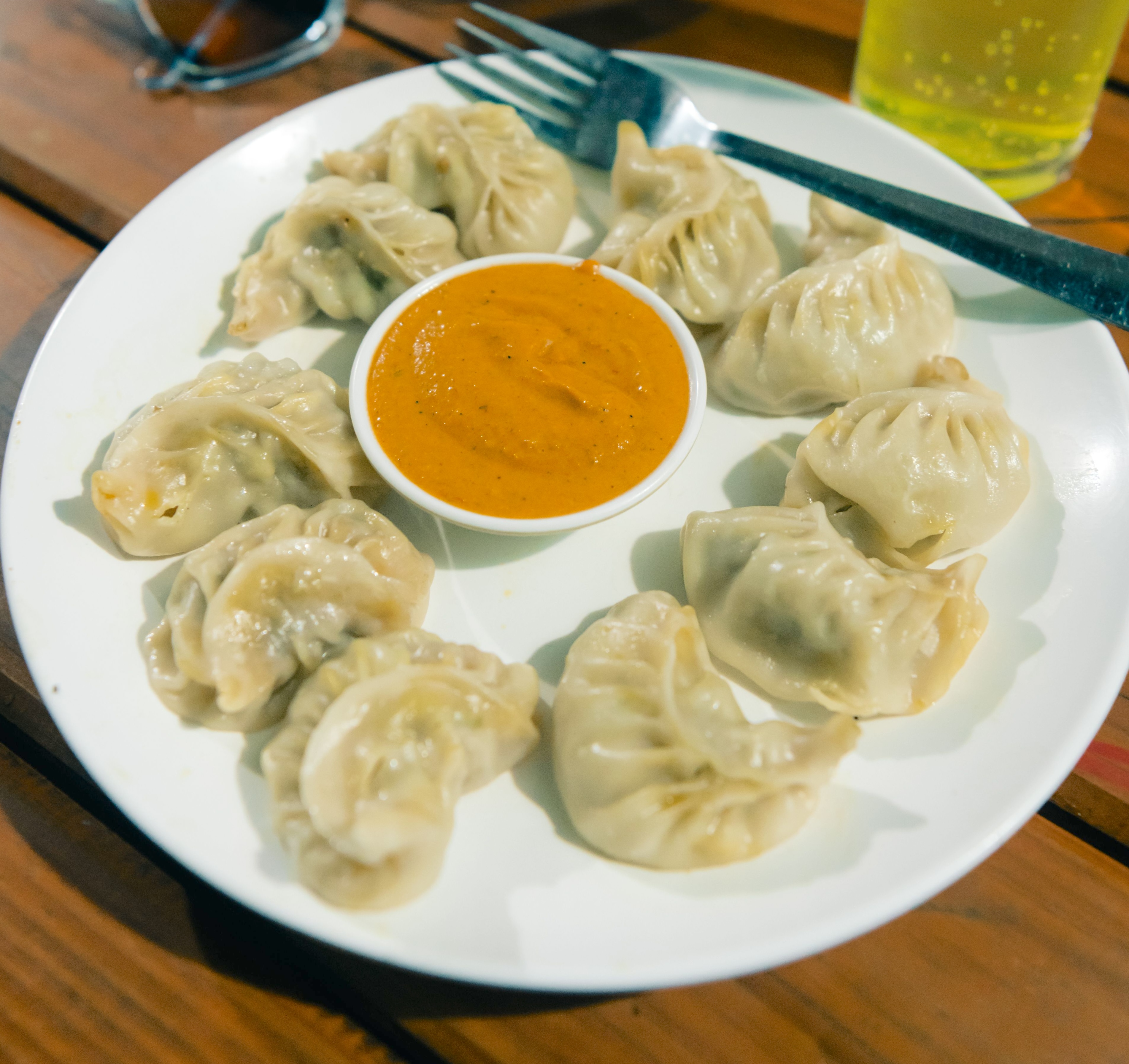
- Momos: Steamed or fried dumplings filled with vegetables or meat.
- Thukpa: A warm noodle soup, perfect on a cold afternoon.
- Tibetan bread: Fluffy fried bread, great with honey or jam at breakfast.
- Tsampa: Roasted barley flour, a staple in the high Himalayas, often mixed into porridge or tea.
- Butter tea: Salty, creamy and an acquired taste. Try a cup. You may end up loving it.
- Local brews: In some villages you can try chyang (barley beer) or tongba (a hot millet drink sipped through a straw). Enjoy gently at altitude.
Breakfast, lunch and dinner on a typical day
Breakfast is usually porridge, eggs, toast or Tibetan bread, plus tea or coffee. Lunch is eaten at a village along the trail, often dal bhat, noodles or fried rice. Dinner is the big one, back at the teahouse, with soup, a main dish and sometimes a simple dessert like apple pie in the more popular stops.
Eating smart in the mountains
- Choose vegetarian where possible. Meat has to be carried up the valley, often without refrigeration. Local vegetarian dishes are fresher and safer.
- Drink plenty of water. Aim for 3 to 4 litres a day. Teahouses sell boiled or filtered water, and purification tablets or a filter bottle cut down on plastic.
- Skip alcohol on arrival days at altitude. Your body will thank you.
- Tell us about dietary needs early. Vegan, gluten-free and other requirements are easier to manage if your guide knows before the trek begins.
Local Culture: Meeting the Tsumba People
This is the part most trekkers say they remember longest. The Tsum Valley isn't just a scenic route. It's a living community with deep spiritual roots.
Who are the Tsumba?
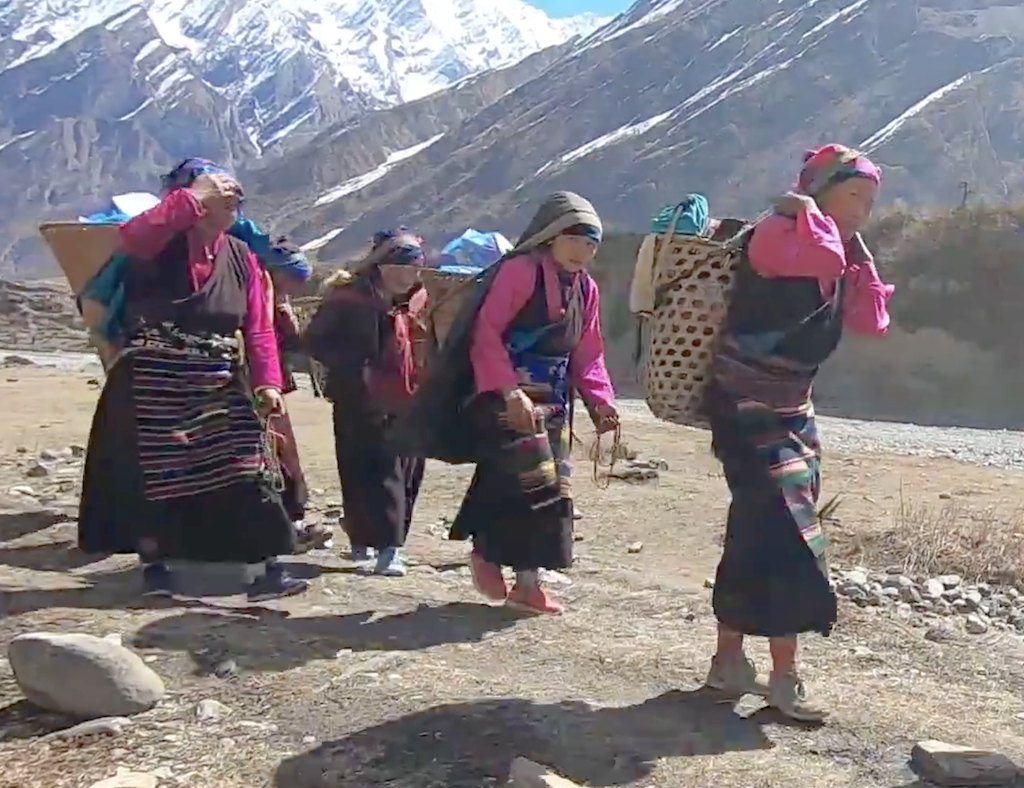
The people of the valley are known as Tsumba, and their language, dress, food and festivals have strong ties to Tibet. For generations they've farmed barley, buckwheat and potatoes on steep terraces, kept yaks and goats, and practised Tibetan Buddhism. The valley is often called the "Valley of Happiness," and once you've been welcomed into a kitchen by someone you've just met, you'll see why.
Monasteries you shouldn't miss
- Rachen Gompa: A nunnery in the lower valley with beautiful painted walls and a calm, welcoming atmosphere.
- Mu Gompa: The largest and most important monastery in the valley, sitting at the top of the trail near the Tibetan border, with a small community of resident monks.
- Dhephu Doma (Dephyudonma) Gompa: One of the older monasteries, reached as a side trip near Mu Gompa.
- Piren Phu (Milarepa's Cave): A sacred meditation site linked to the Tibetan yogi Milarepa.
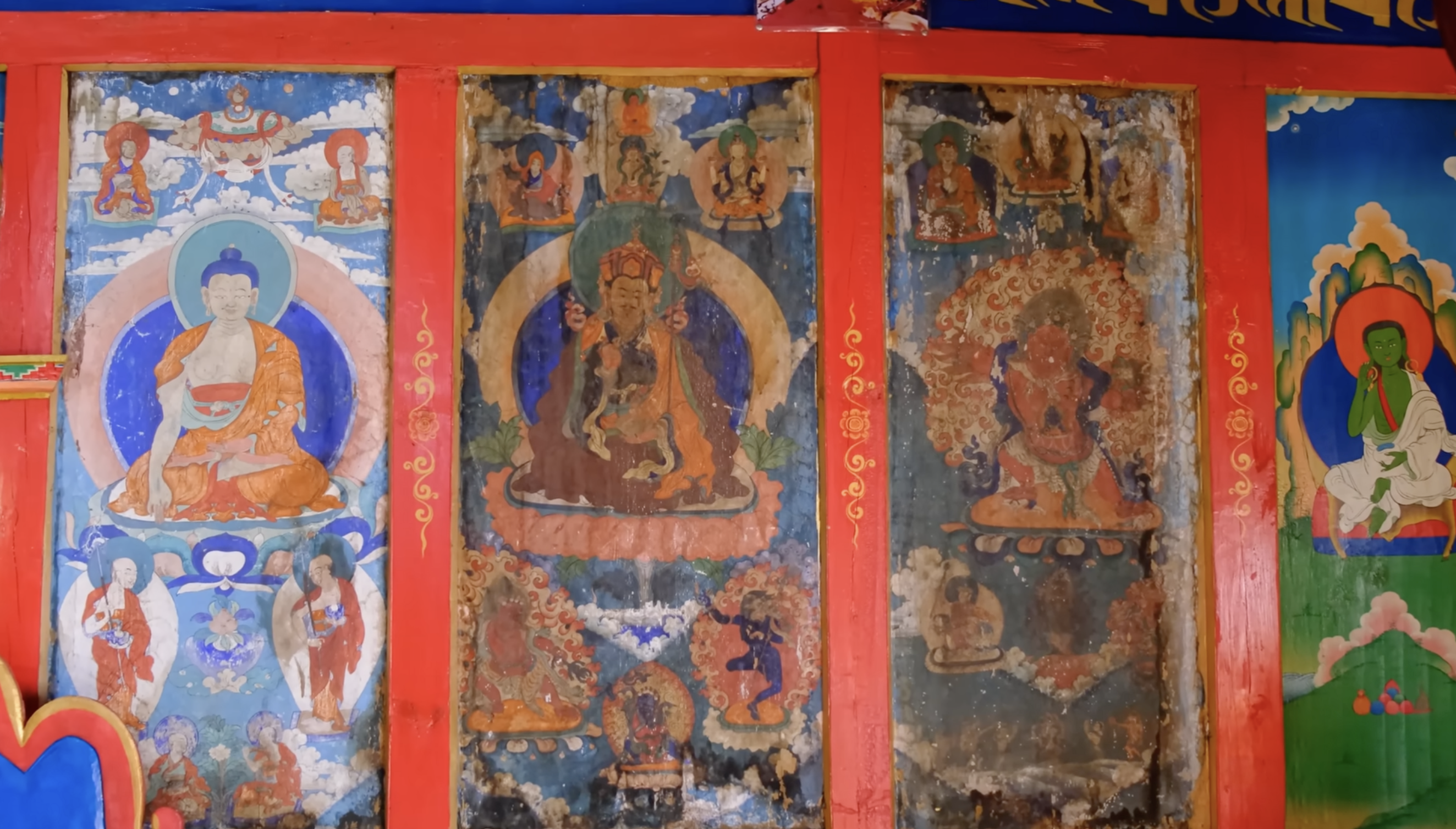
Mani walls, prayer wheels and chortens
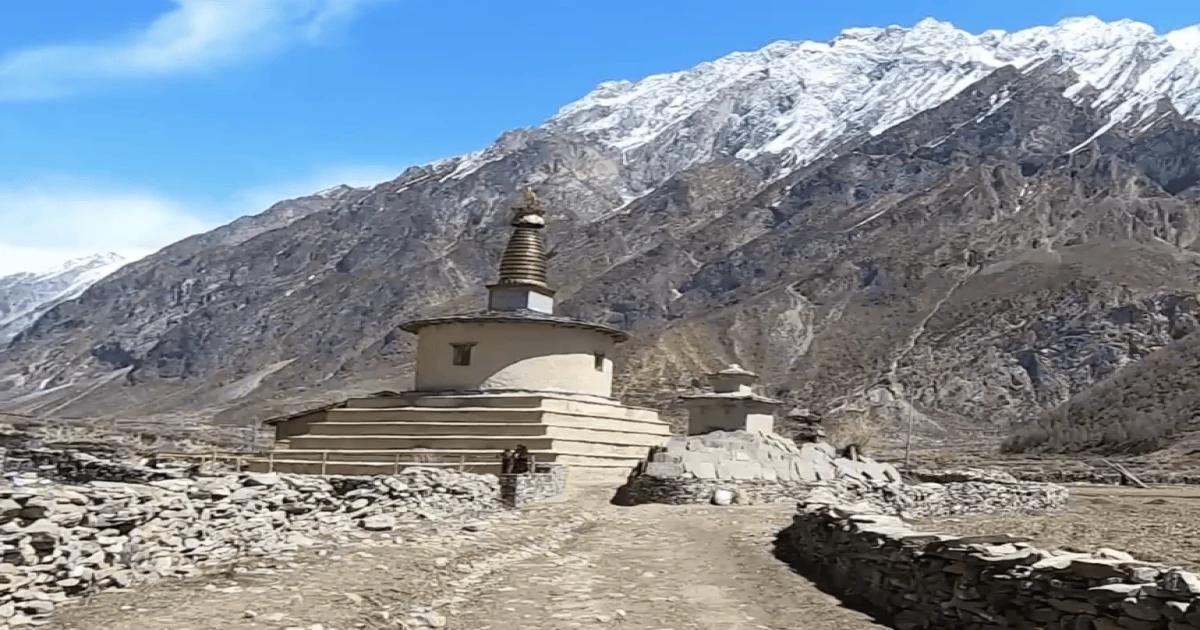
All along the trail you'll pass long stone walls carved with mantras, rows of prayer wheels and white chortens. Walk with the wall on your right-hand side, passing them clockwise, which is the traditional Buddhist custom. Your guide will gently remind you, and the locals will quietly appreciate the effort.
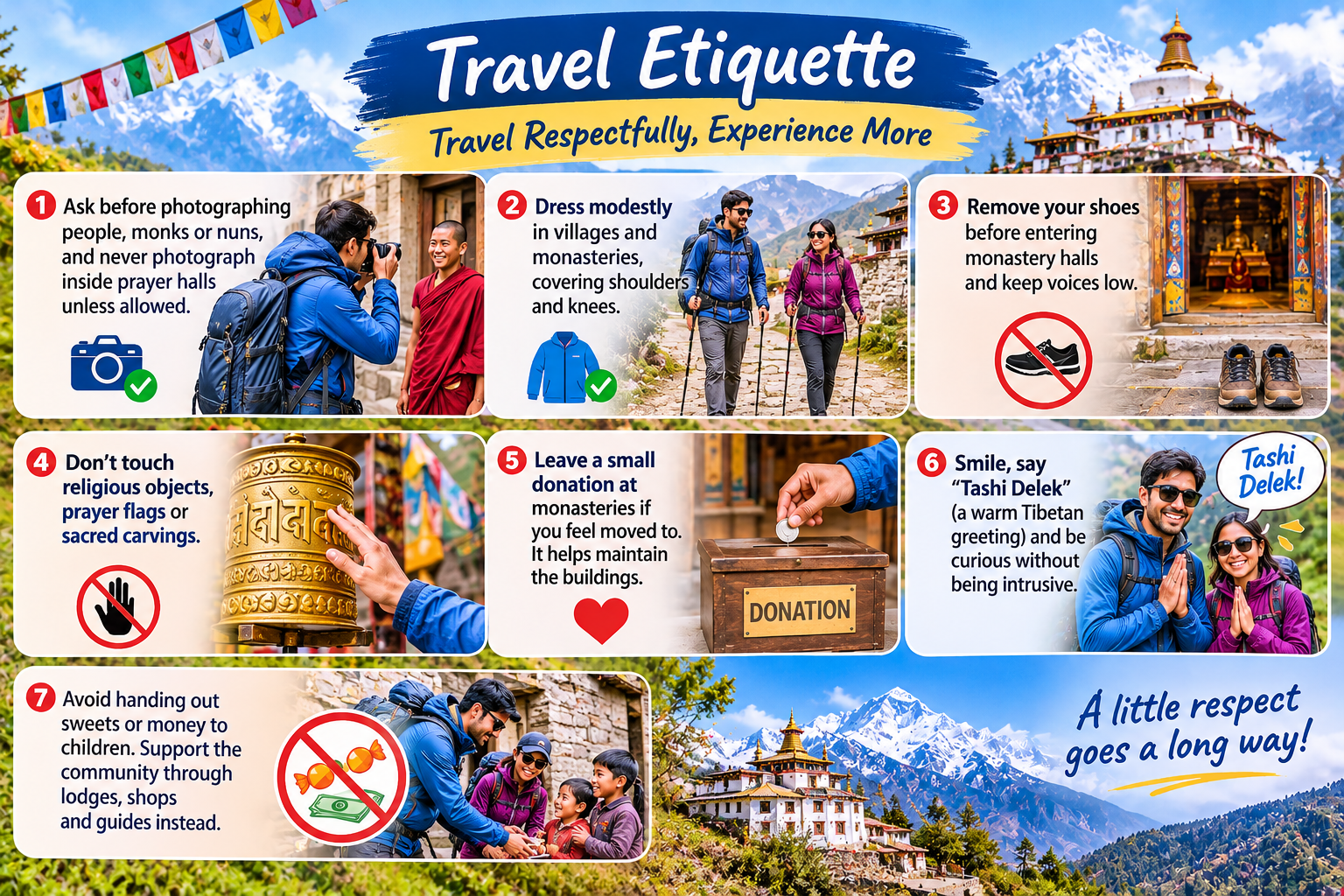
Respectful travel: simple etiquette
- Ask before photographing people, monks or nuns, and never photograph inside prayer halls unless allowed.
- Dress modestly in villages and monasteries, covering shoulders and knees.
- Remove your shoes before entering monastery halls and keep voices low.
- Don't touch religious objects, prayer flags or sacred carvings.
- Leave a small donation at monasteries if you feel moved to. It helps maintain the buildings.
- Smile, say "Tashi Delek" (a warm Tibetan greeting) and be curious without being intrusive.
- Avoid handing out sweets or money to children. Support the community through lodges, shops and guides instead.
Festivals worth timing your trip around
Tsum Valley celebrates festivals such as Losar (Tibetan New Year) and Dhachyang (a horse festival), when villages come alive with prayers, dancing and food. Dates change every year, so if you'd like to catch one, tell us early and we'll help you plan around the calendar.
Best Time to Go and How We Prepare You
The two classic windows are autumn (October to November) and spring (March to May). Skies are clear, trails are stable and teahouses are open. If you're combining the valley with the Larkya La Pass, avoid winter and monsoon, when the high pass can be dangerous or closed.
Here's how we make the journey smoother:
- We arrange all restricted-area permits and conservation permits for you.
- Your licensed guide and porters know the families who run the teahouses.
- We plan itineraries with proper acclimatization days, which keeps you comfortable at 3,700 metres.
- We brief you in Kathmandu or Pokhara before you set off, covering gear, food, culture and safety.
- Our clients regularly rate us highly on TripAdvisor, and we're proud to hold the Travellers' Choice recognition.
Ready to Walk into the Hidden Valley?

The Tsum Valley rewards trekkers who are happy with simple beds, honest food and genuine human connection. You'll leave with sore legs, full memories and probably a new love of butter tea.
If you'd like help choosing between the 14-day and 21-day routes, or you want a customised itinerary, our team is happy to talk it through. Reach us via WhatsApp at +977 9856073085, or through the contact page at our website. Read Top Reasons to Trek In Manaslu Region.
Let's get you into the valley the way it deserves to be experienced: slowly, respectfully and with a warm cup of tea in your hands.