
If you've been scrolling through trekking forums trying to decide when to tackle the Manaslu Circuit, let me save you some time: November is the month locals and guides quietly recommend to their favorite clients. It doesn't have the crowds of the Annapurna or Everest routes, and it arrives right after the monsoon has washed the dust out of the sky. What you're left with is a trail that feels almost private, wrapped around one of the world's most dramatic mountain ranges.
Manaslu Circuit Trek in November: A Complete Guide to Nepal's Best-kept Secret
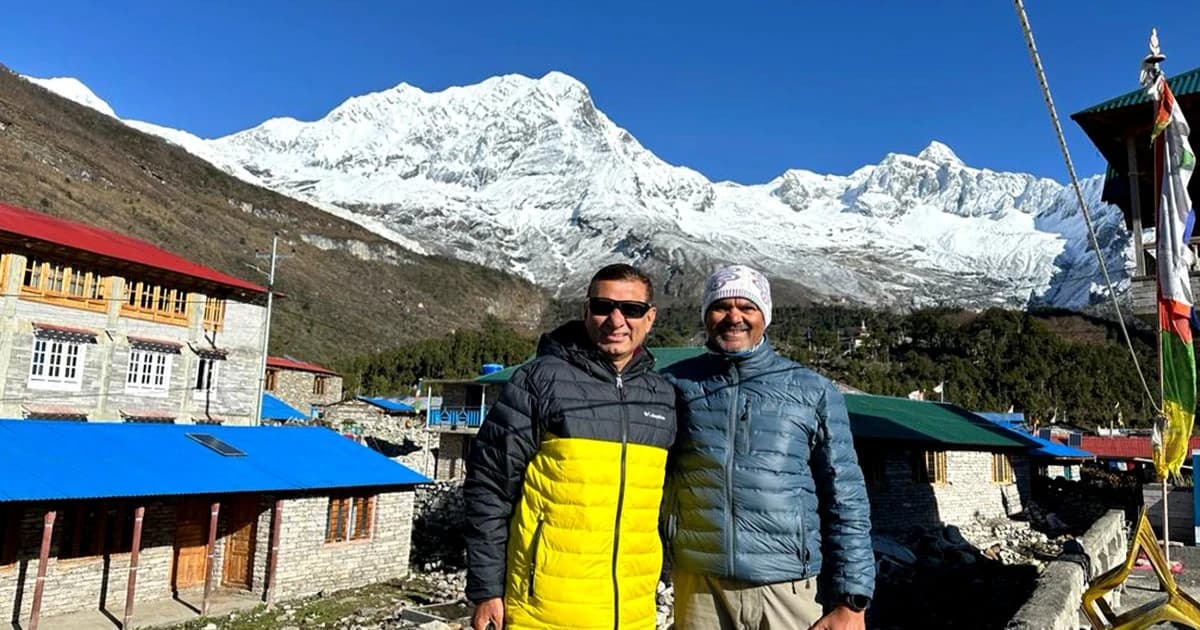
This isn't a trek you stumble into unprepared, though. You will cross the Larkya La Pass at over 5,100 meters while on this trek, move through restricted areas that require special permits, and swing through microclimates that shift from subtropical river valleys to high alpine desert in the space of a few days. November rewards trekkers who show up ready for it.
This isn't a trek you stumble into unprepared, though. You will cross the Larkya La Pass at over 5,100 meters while on this trek {Insert Link}, move through restricted areas that require special permits, and swing through microclimates that shift from subtropical river valleys to high alpine desert in the space of a few days. November rewards trekkers who show up ready for it.
Here's what that actually looks like.
Weather in Manaslu in November
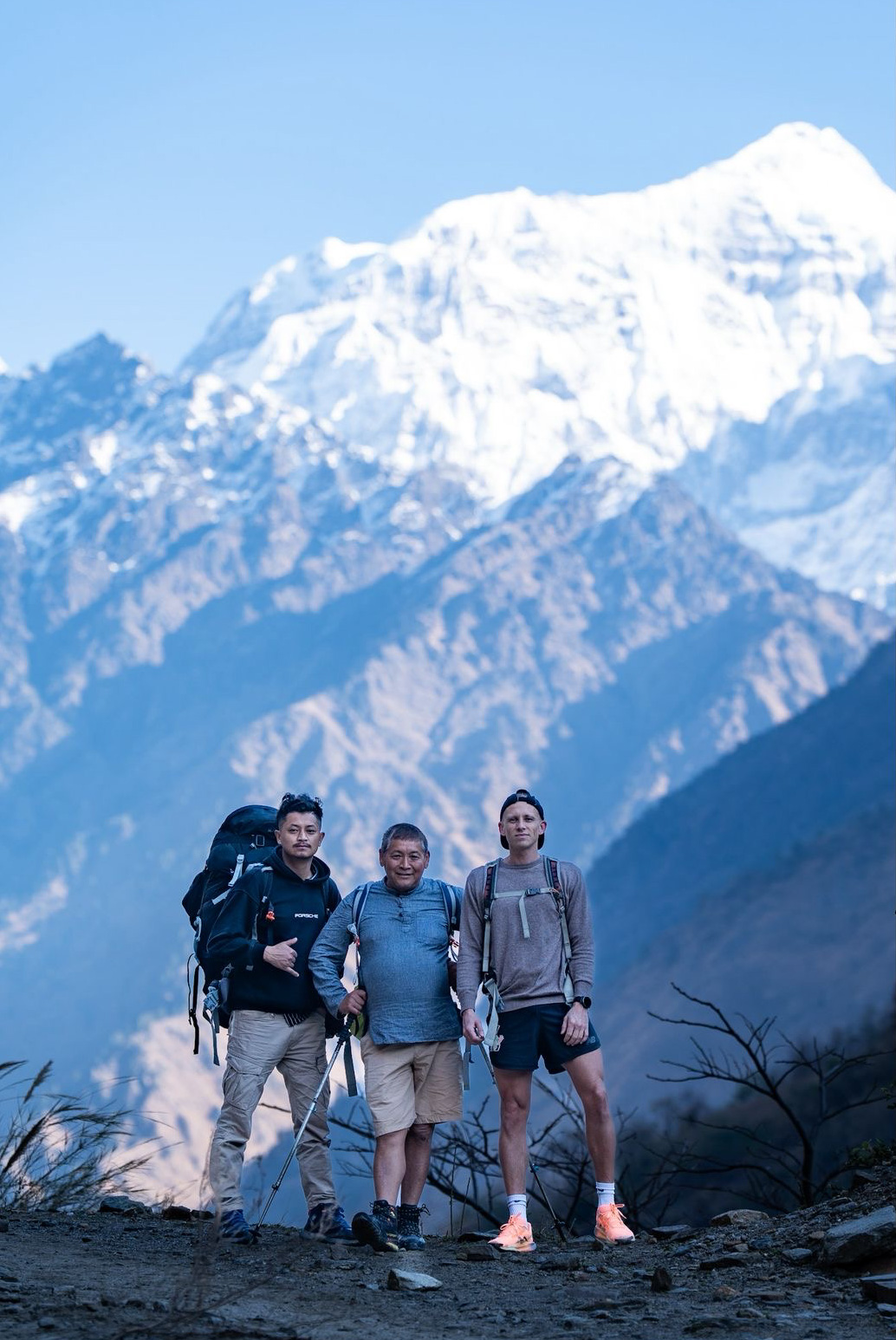
November sits squarely in the post-monsoon, pre-winter window, which is exactly why seasoned trekkers circle it on the calendar. The monsoon clouds have cleared out by early October , and by November the atmosphere has settled into a stable, dry pattern that typically holds through most of the month. You can expect long stretches of clear skies, minimal rainfall, and none of the humidity that makes the lower trails sticky and slippery during summer months.
That said, "stable" doesn't mean "unchanging." As November progresses, you're edging closer to winter, and the higher you climb, the more that becomes obvious. Early November still carries some of autumn's mildness in the lower villages like Machha Khola and Jagat, while late November starts introducing sharper winds and the occasional early snowfall around Samagaon, Samdo, and the Larkya La Pass itself. Mornings tend to be crisp and still, afternoons are usually the most pleasant part of the day for walking, and once the sun dips behind the ridgelines, the temperature drop is fast and noticeable.
Snow isn't unusual at high altitude by late November, particularly near the pass, so it's worth checking recent trail conditions with your guide or agency before you commit to a departure date toward the very end of the month.
Temperatures in Daytime and Nighttime
Because the Manaslu Circuit gains so much elevation - from around 700 meters at the trailhead to over 5,100 meters at Larkya La - temperature swings are one of the defining features of this trek, and November amplifies that.
In the lower and middle sections of the trail, roughly up through Jagat and Deng, daytime temperatures typically sit in a comfortable range, often between 15°C and 20°C under clear skies, making for genuinely pleasant walking weather. Nights here are cool but manageable, usually dropping to somewhere between 5°C and 10°C.
Once you climb into the Samagaon and Samdo area, above 3,000 meters, the numbers shift noticeably. Daytime temperatures in direct sun can still feel mild, often hovering between 5°C and 12°C, but step into shade or let a cloud pass over and it feels ten degrees colder instantly. Nighttime is where November really shows its teeth: temperatures at these elevations regularly fall to between -5°C and -12°C, and at the higher camps near the pass, it's not unusual to see readings dip toward -15°C or colder in the final week of the month.
The pass crossing itself, usually attempted in the early morning to take advantage of calmer weather and firmer snow conditions, can feel brutally cold before sunrise even if the day ahead turns out clear and bright. This is the kind of temperature range that catches underprepared trekkers off guard, so packing correctly isn't optional - it's the difference between an incredible day and a miserable one.
Mountain Views in November
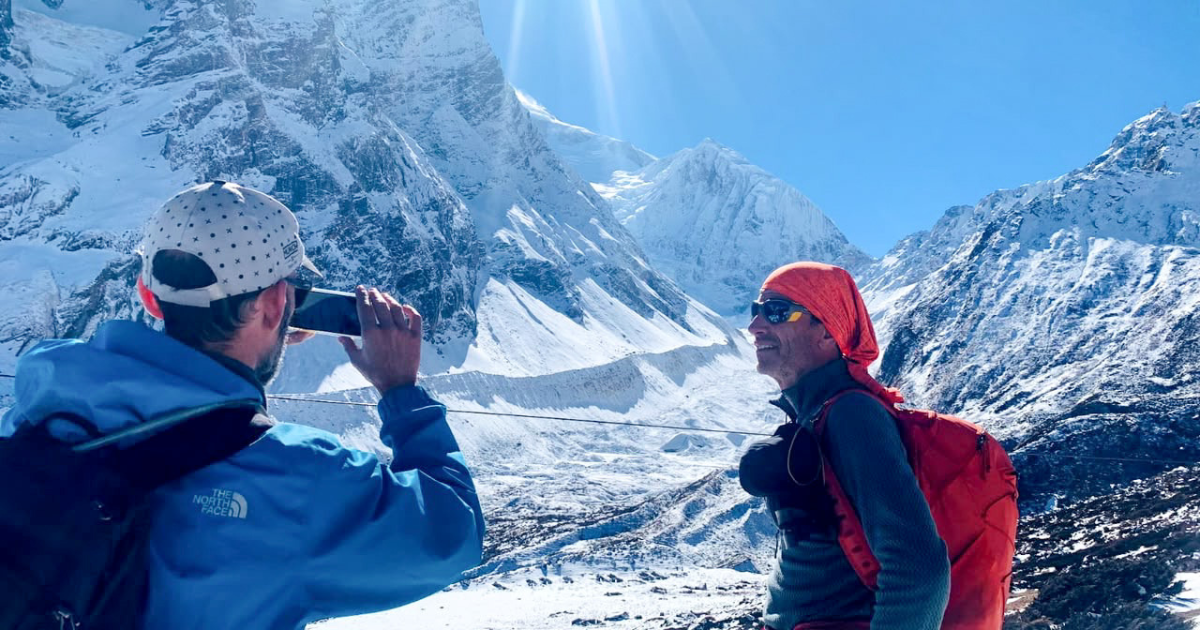
This is where November truly earns its reputation. The clean, dry air that follows the monsoon strips away the haze that often blurs mountain views during spring and pre-monsoon months, and the result is some of the sharpest, most photogenic mountain panoramas available anywhere in Nepal.
Manaslu itself, the world's eighth-highest peak at 8,163 meters, dominates the skyline for much of the trek, and in November you get to see it without the cloud buildup that regularly rolls in during the afternoons of other seasons. Alongside Manaslu, the circuit offers views of Himlung Himal, Cheo Himal, Naike Peak, Larkya Peak, and glimpses toward the Annapurna range from the higher points near the pass.
The Larkya La crossing is the visual climax of the entire trek, and November conditions make it particularly rewarding. Standing at the top with Himlung Himal, Cheo Himal, and Kang Guru spread out in front of you, under the kind of crystalline sky that only shows up in the dry season, is the sort of moment that makes the cold pre-dawn start completely worth it. Even the villages along the way - Samagaon and Samdo especially - sit in front of mountain backdrops so close and so clear it can feel unreal.
Gear for Manaslu Circuit Trek in November
Given the temperature swings described above, gear is not a place to cut corners. A solid layering system matters more than any single "perfect" jacket.
For your base layers, pack moisture-wicking thermal tops and bottoms, since you'll want a dry layer against your skin whether you're sweating on a climb or standing still at a viewpoint. Over that, a fleece or lightweight insulated mid-layer handles the cool mornings and evenings in the lower villages. For the high-altitude sections, a down jacket rated for sub-zero temperatures is essential, along with a windproof and waterproof outer shell to block the sharp winds near the pass.
Your legs need similar attention: trekking pants for daytime walking, thermal leggings for layering underneath in the cold, and waterproof trousers for the pass crossing where snow is common. A good pair of broken-in, waterproof trekking boots with ankle support is non-negotiable given the uneven, sometimes icy terrain near Larkya La, and gaiters are worth packing if there's fresh snow on the ground.
Don't underestimate accessories. A warm hat, a buff or neck gaiter, insulated gloves (with a thin liner pair for tasks that need dexterity), and quality sunglasses or glacier glasses for the snow glare near the pass all matter more than trekkers expect. A sleeping bag rated to at least -15°C is essential, since teahouse rooms at altitude offer little insulation. Round things out with a headlamp for the early pass crossing, trekking poles for the descents, and a reusable water bottle with an insulated cover to keep it from freezing overnight.
Why Trekking around Manaslu in November is a Great Idea
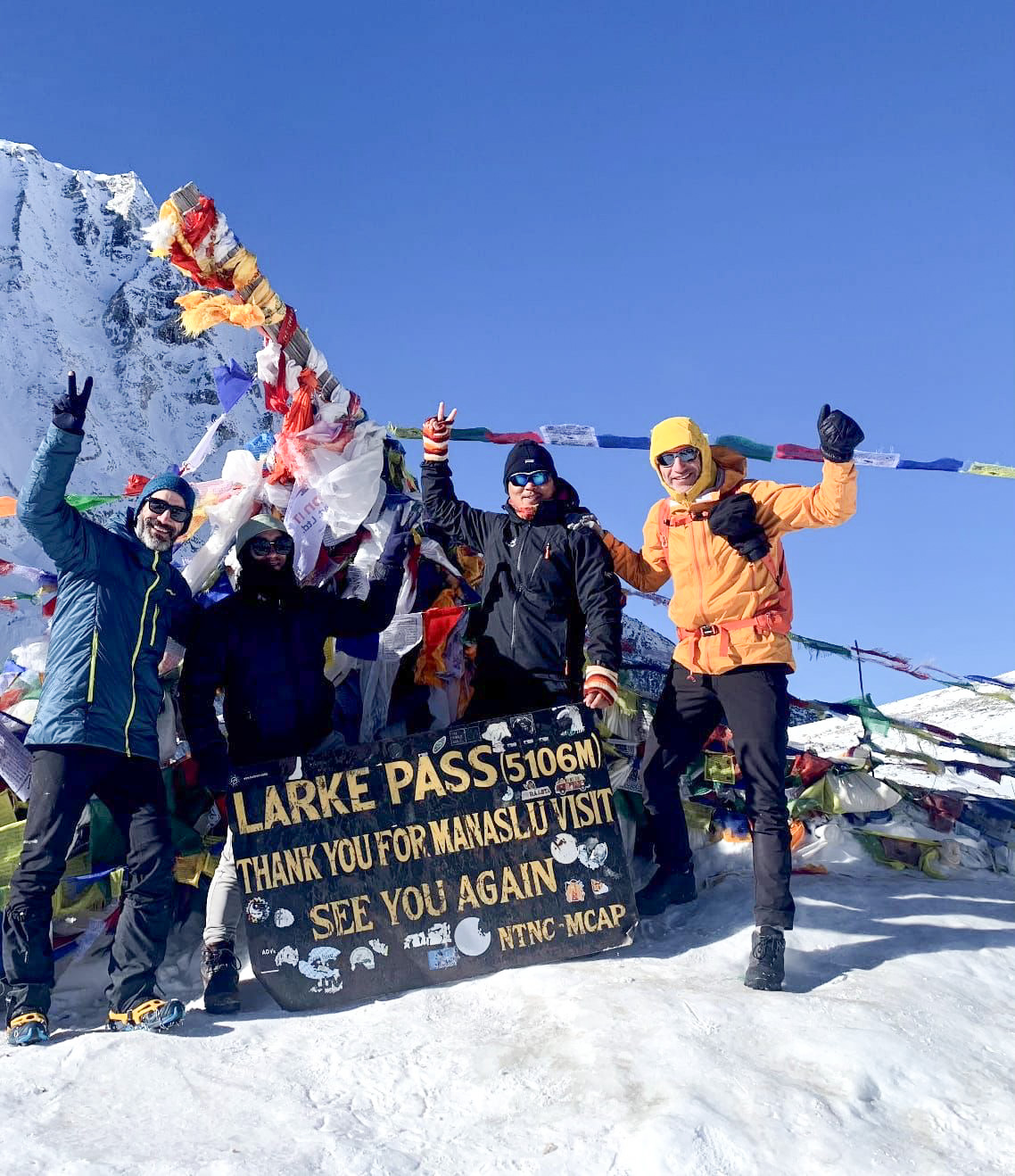
Put simply: November gives you the best version of this trek. The weather is stable and dry, the mountain views are as clear as they get anywhere in the Himalayas, and the trail hasn't been overrun the way some of Nepal's more famous routes are during peak season. You get teahouses with room to spare, guides and porters who aren't stretched across a dozen groups, and a genuine sense of remoteness that's becoming harder to find elsewhere in Nepal.
Yes, the cold at altitude demands respect and proper gear. But that's a small price for a trek that combines a genuinely wild, less-trodden trail with some of the sharpest mountain panoramas of the year. If you're weighing when to attempt the Manaslu Circuit, November isn't just a good choice - it might be the best one.
Need Help? Call Us+977 9856073085orChat with us on WhatsApp
Latest Travel Blogs
Oct 12, 2026By ABC
Why Trek to Everest Base Camp in 2027: 10 Reasons to Go
Oct 06, 2026By ABC
Trekking the Annapurna Circuit in September
Need Help? Call Us.+977 9856073085