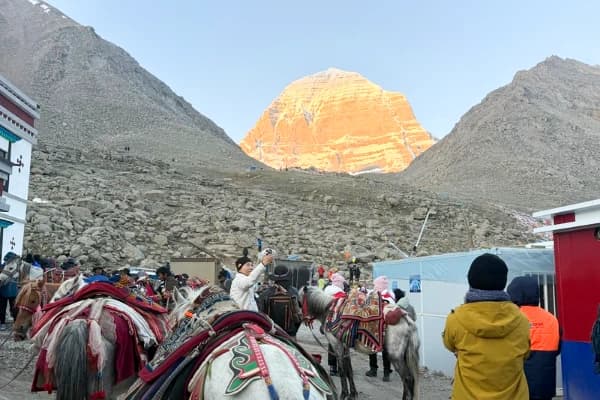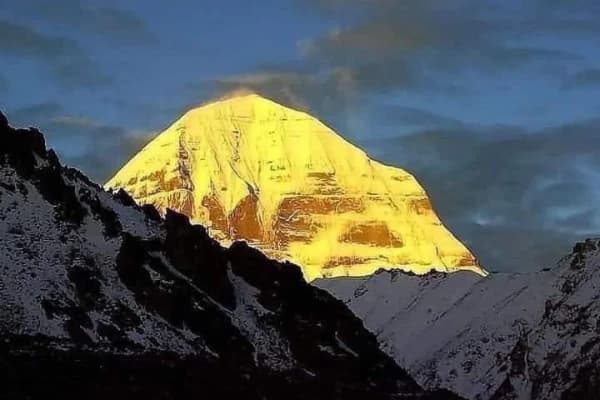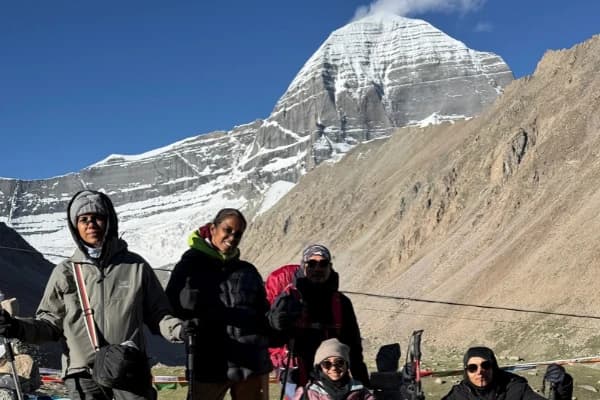
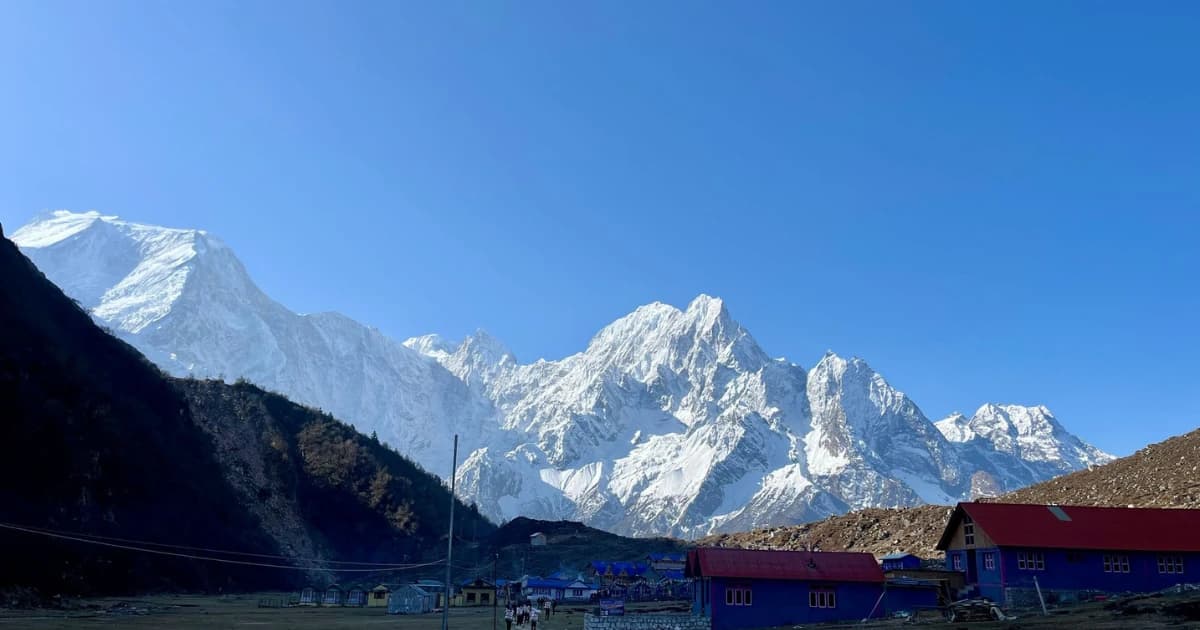
Every trekker in Nepal eventually asks the same question: where can I go that still feels real? Not the Instagram version of the Himalayas, with a queue at every viewpoint, but the version where you share the trail with yak caravans, monks, and a few fellow walkers. For a growing number of people, the answer is the Manaslu Tsum Valley Trek.
It combines the Manaslu Circuit, a high Himalayan loop around the world's eighth-highest mountain, with Tsum Valley, a hidden Buddhist side valley that few travelers ever see.
If you're planning ahead for 2027, here are ten reasons this trek deserves a spot at the top of your list.
1. It's Still Wonderfully Uncrowded
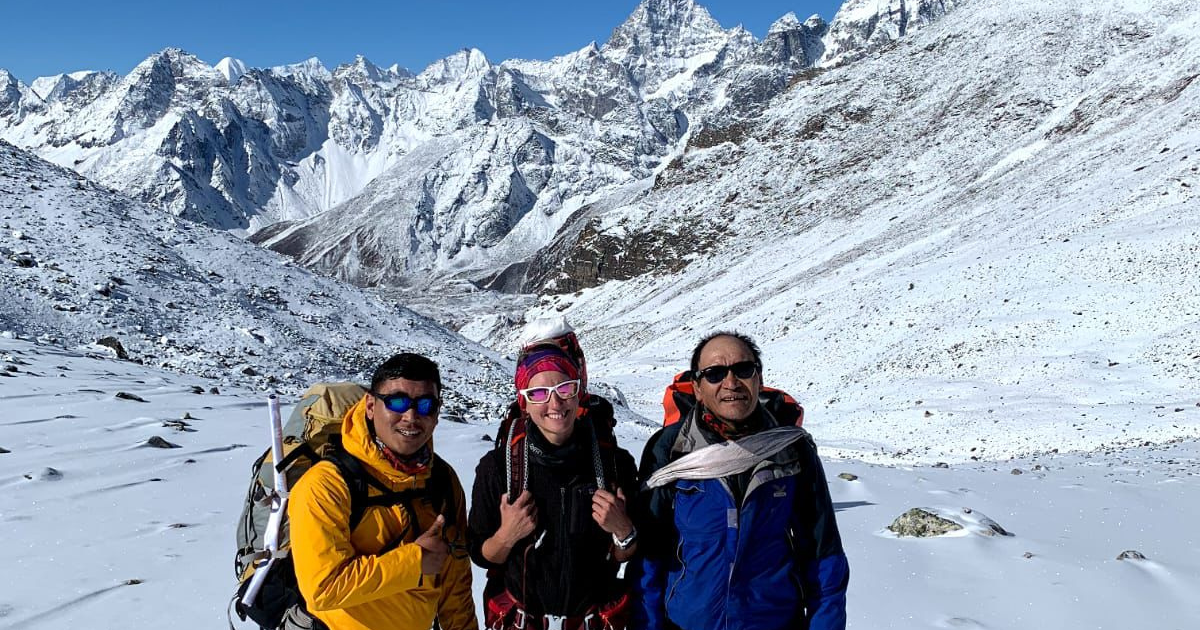
Nepal's famous routes are famous for a reason, but popularity has a price. On the busiest days in peak season, the Everest Base Camp and Annapurna Circuit trails can feel like a procession.
Manaslu is different. Because it sits in a restricted area, the number of trekkers is naturally limited. You'll still meet people at the tea houses in the evening, but you'll often have hours of the trail to yourself. That quiet is hard to find elsewhere in Nepal, and it's the first thing most returning trekkers mention.
2. Tsum Valley Feels Like another World
Locals call it Tsum, a Tibetan word often translated as "vivid." The valley has long been known as a beyul, a hidden sanctuary of peace and happiness. Walk in for a day or two and you'll understand why.
Stone-walled villages cling to terraced hillsides. Long mani walls line the paths, carved with prayers. Barley fields and prayer flags frame snow peaks that seem too close to be real. Tsum was closed to outsiders until 2008, so its traditions have stayed remarkably intact.
3. The Monasteries are Genuinely Special
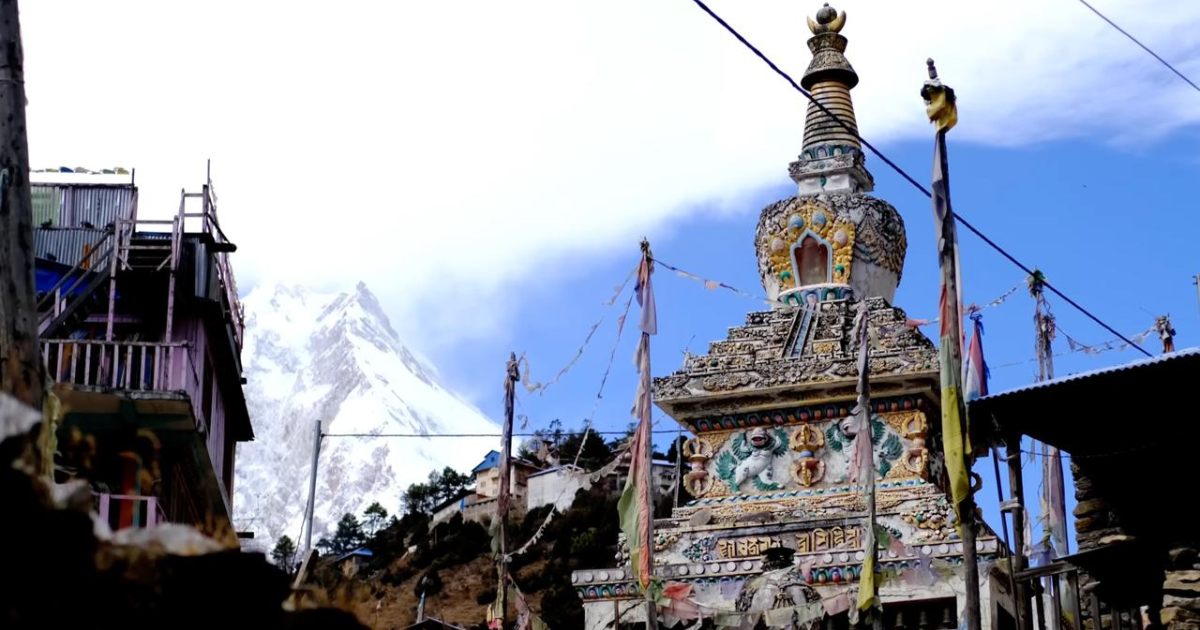
Tsum Valley's gompas aren't museum pieces. They're living places of worship.Rachen Gompa, a nunnery near Chhekampar, is a good example: quiet courtyards, butter-lamp light, and the soft murmur of morning chanting. Mu Gompa, higher up near the Tibetan border, is one of the most remote monasteries you can reach on foot in Nepal. Dephyudonma Gompa and the cave of the poet-saint Milarepa at Piren Phu add even more spiritual depth.
You don't have to be Buddhist to feel it. Most trekkers just find themselves slowing down.
4. You Get Two Treks in One
This is the real value of the combined route. Our itinerary for this adventure is of 21 days, and the landscape changes constantly.
You begin in subtropical river gorges near Machha Khola, with waterfalls, bamboo, and suspension bridges. Then you move into the Tsum Valley with its Tibetan-style villages and monasteries. Back on the main Manaslu trail, you pass through rhododendron and pine forest into alpine meadows and finally into stark, glacier-carved high country.
Few treks in Nepal take you from jungle to near-Tibetan plateau to a 5,000-meter pass in one journey.
5. Larkya La Pass is a Proper Mountain Moment
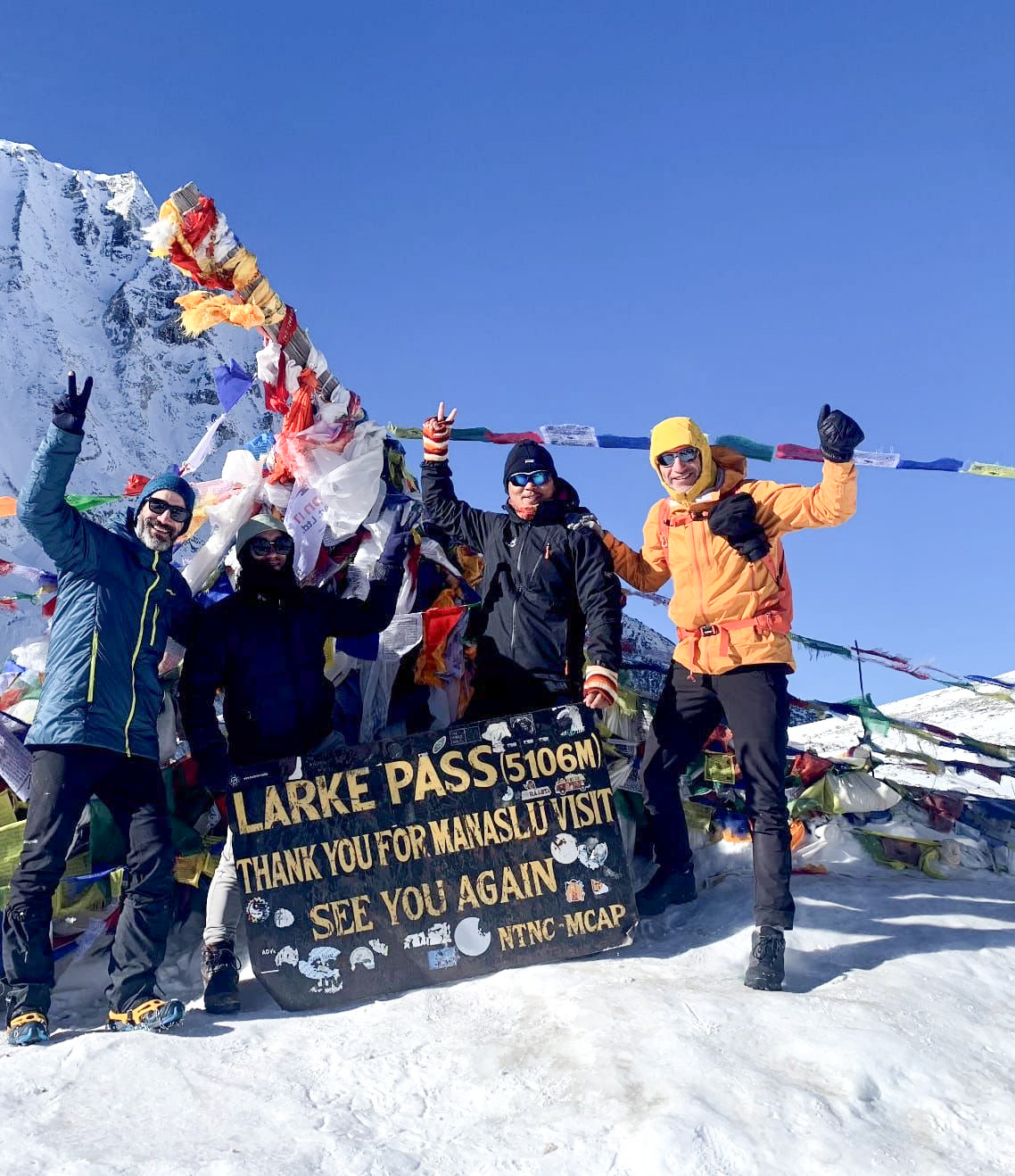
The high point of the Manaslu Circuit is Larkya La Pass at roughly 5,160 meters (about 16,930 feet). The crossing is a long day, usually starting before dawn from Dharamsala (Larkya Phedi), but the reward is huge: a sweeping view of Himlung Himal, Cheo Himal, Kangguru, and Annapurna II.
It's challenging without being technical. You don't need climbing skills, just good fitness, patience, and a willingness to go slowly. Standing on top, with prayer flags snapping in the wind, is one of those memories that doesn't fade.
6. The Scenery around Manaslu is Outstanding
Manaslu itself rises to 8,163 meters, and the mountain is visible from many angles over the course of the trek. Villages like Samagaon and Samdo sit beneath it, close enough that the peak dominates the sky.
Detours add more. Birendra Tal, a glacial lake near Samagaon, is a lovely acclimatization hike. The Pungyen Gompa side trip gives you a high viewpoint over the Manaslu massif and a feel for how glaciers shape the valley below.
7. Authentic Culture, Not a Performance
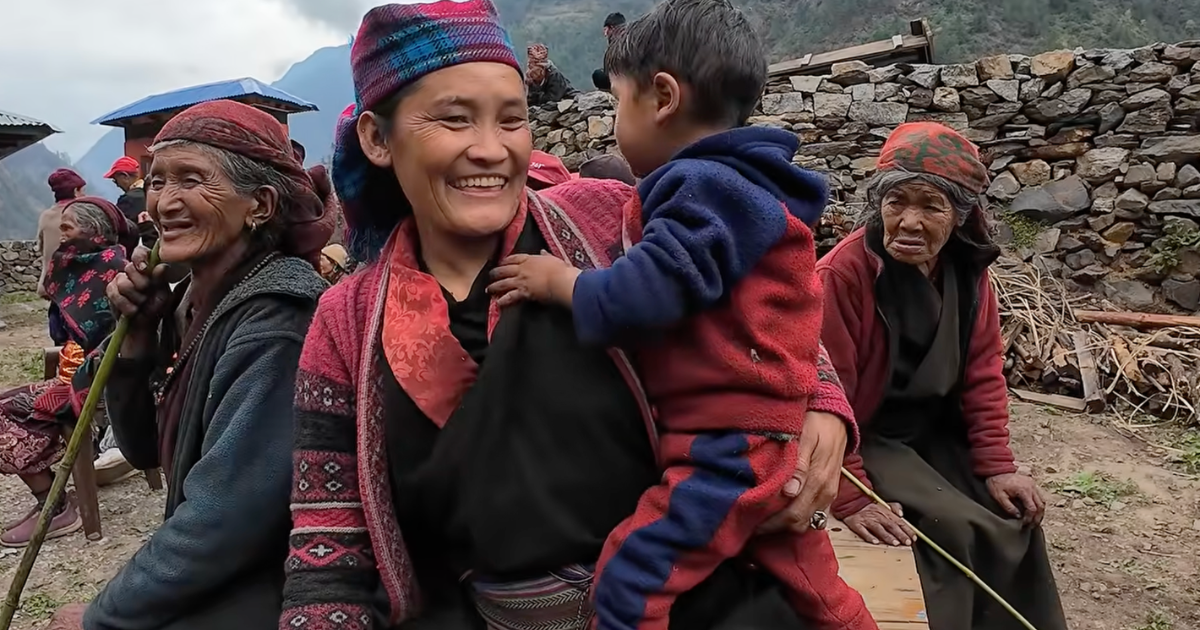
What you see in this region isn't staged for visitors. The Tsum and Nubri communities have strong Tibetan heritage and live much as their ancestors did: farming, trading, herding, and practicing Buddhism as part of everyday life.
Tea house hosts often become the highlight of the trip. You might be invited to try butter tea, get a lesson in how locals dry yak cheese, or simply sit by a stove while the family cooks dal bhat. In a world where so much travel feels packaged, this stands out.
8. The Trek is Challenging, but Achievable
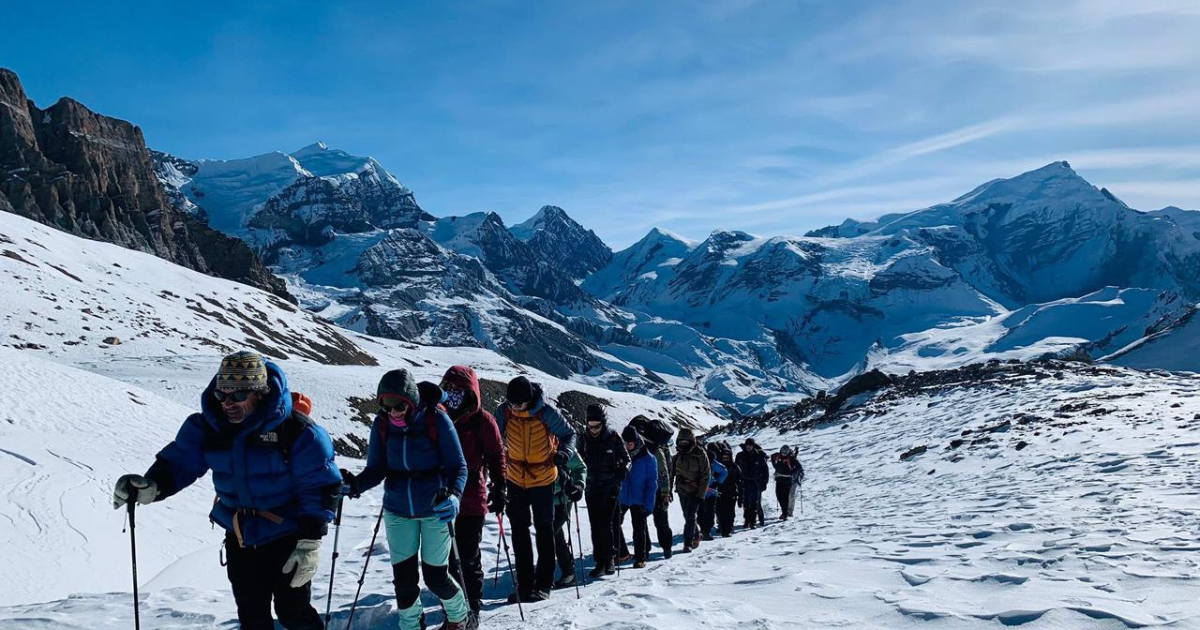
Let's be honest: this is not an easy walk. Days are long, there are steady ascents, and the Larkya La crossing is tough. Most guides classify it as moderate to difficult. But it's also very doable for a reasonably fit trekker, especially if you add a few acclimatization days. Many first-time Himalayan trekkers complete it successfully. The trick is preparation: build stamina with hiking, stair climbing, or running for a few months beforehand, and don't rush the altitude.
If you've done a trek like Annapurna Base Camp or Langtang and want something bigger, Manaslu is a natural next step.
9. Teahouse Trekking Makes It Comfortable
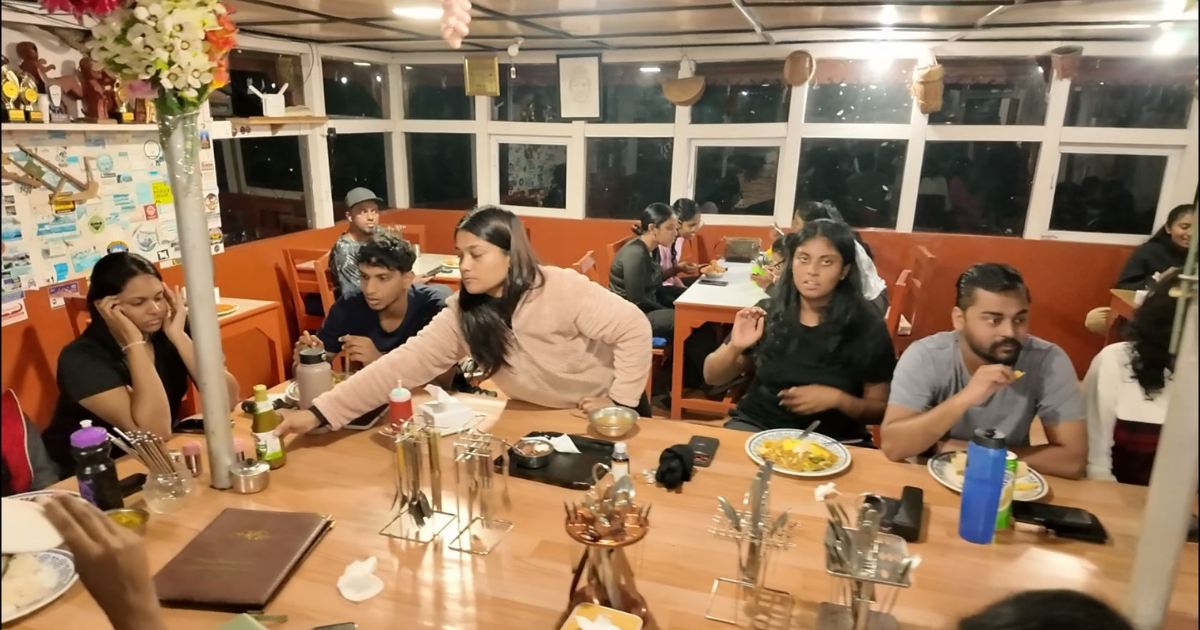
Don't let "remote" fool you. The Manaslu route has a well-established tea house system, so you don't need to carry a tent or cook your own meals. Rooms are simple, usually twin beds with shared bathrooms, but they're clean and warm enough with a good sleeping bag. Menus are mostly Nepali and Tibetan staples (dal bhat, noodles, momos, Tibetan bread), plus a few familiar options. Facilities get more basic as you gain altitude, so bring a power bank, some snacks, and realistic expectations. That simplicity is part of the charm.
10. 2027 is a Smart Time to Plan It
There are practical reasons to book for 2027 rather than waiting. Growing awareness. The route is slowly becoming better known, and popular autumn departures fill up earlier each year. Permit rules are evolving. Nepal has been adjusting its restricted-area rules, so planning with a licensed local operator keeps you on the right side of current requirements.
Quick Planning Guide for the Manaslu Tsum Valley Trek
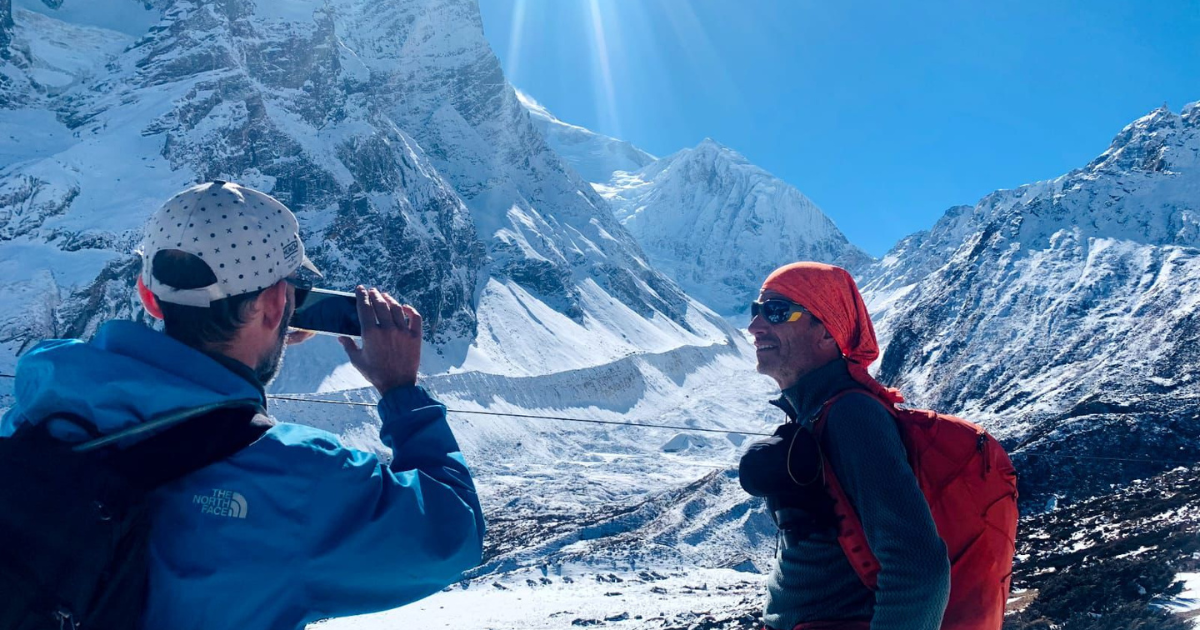
Best Time to Go
Autumn (late September to November): The most popular window. Clear skies, stable weather, and great mountain views.
Spring (March to May): Rhododendrons bloom, days are warm, and the trails are lively with color.
Winter and monsoon: Possible but not recommended. Snow can block Larkya La in winter, and monsoon brings leeches, landslides, and cloudy views.
Permits You'll Need
Because this is a restricted area, you can't just show up and walk. Trekkers generally need the Manaslu Restricted Area Permit, the Tsum Valley Restricted Area Permit, the Manaslu Conservation Area Permit, and the Annapurna Conservation Area Permit for the exit section. A licensed guide and a registered trekking agency are required.
Fees vary by season, nationality, and number of days, and the rules have changed recently, so confirm current rates and requirements with your operator before booking.
Typical Itinerary Length
Our itinerary runs for 21 days, including travel from Kathmandu. A common route runs Soti Khola to Jagat, up through Tsum Valley, back to the main trail, over Larkya La, and out to Dharapani.
What to Pack
- Warm layers and a down jacket (nights above 3,500 m get cold)
- A sleeping bag rated for low temperatures
- Broken-in waterproof boots
- Trekking poles
- Sun protection and a good water bottle or purification tablets
- Travel insurance that covers high-altitude trekking and helicopter evacuation
Altitude Tips
Go slowly, drink plenty of water, and don't skip acclimatization days at Samagaon or Samdo. If you feel unwell, tell your guide early. Altitude sickness is manageable when caught in time.
Frequently Asked Questions
Is the Manaslu Tsum Valley Trek suitable for beginners?
It's better for those with some trekking experience. Complete beginners with good fitness can do it, but should allow extra days and train beforehand.
How difficult is Larkya La Pass?
It's a long, high-altitude day with cold winds and steep sections, but no technical climbing is involved.
Can I trek Manaslu and Tsum Valley without a guide?
No. A licensed guide is required in restricted areas, and permits are arranged through a registered agency.
How many days do I need?
Plan on about 16 to 21 days for the combined trek.
Is it better than Annapurna Circuit?
It depends on what you want. Manaslu offers fewer crowds and deeper cultural immersion, while Annapurna has more infrastructure and wider variety.
The Manaslu Tsum Valley Trek isn't the easiest trail in Nepal, but it may be one of the most rewarding. You get towering peaks, a challenging pass, living monasteries, and villages that haven't forgotten who they are.
If you've been waiting for a trek that feels like an adventure and not just a checklist, 2027 is a good year to go. Start planning early, stay in our touch, train well, and leave room in your schedule to simply enjoy it.
The mountains will be there. The only question is whether you'll be there too.