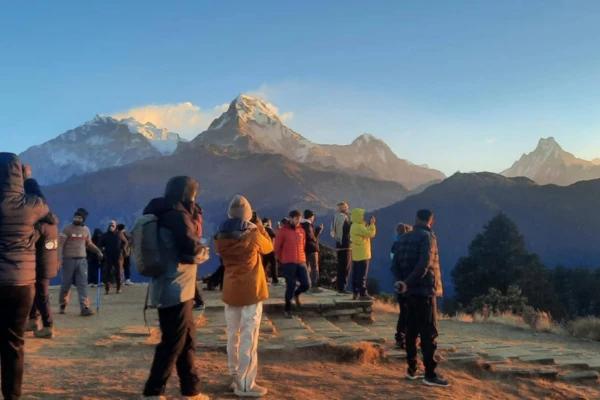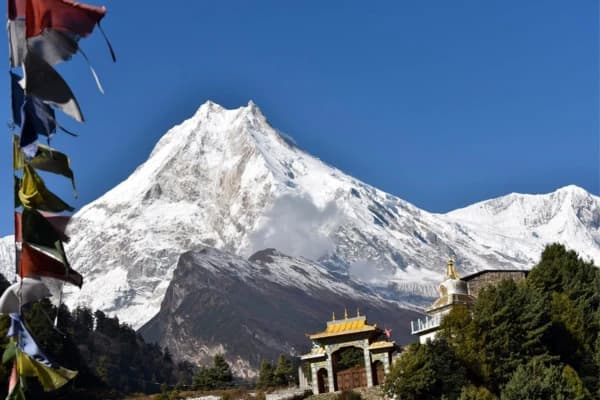
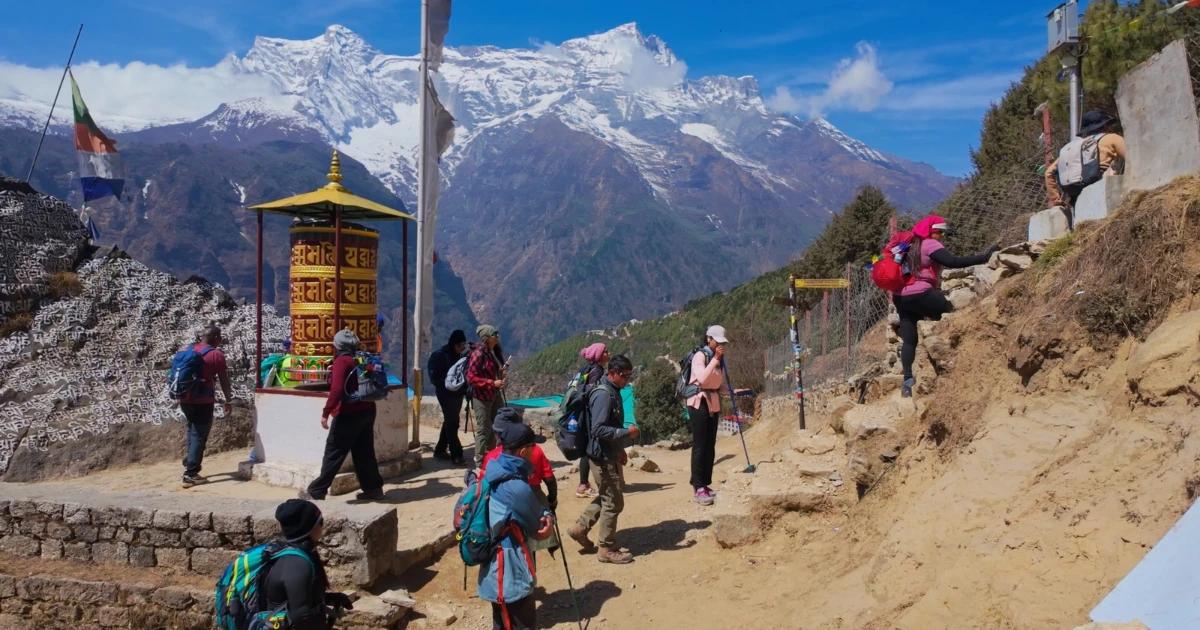
Are you planning to trek to Nepal in 2027? If you are then before you pack your gear, you need to understand Nepal's trekking rules and permits.The rules are simple once you know them, but fees, local charges and guide requirements keep on changing. A missing permit can stop you at a checkpoint and if you don't have the permit, your dreams of reaching your destination will all go down the drain. So, before you begin your journey to Nepal, we urge you to have all the updated information about the Nepal trekking permits, visa requirements, trail conditions, etc. If your dream is to trek to Annapurna Base Camp, Everest Base Camp, the Manaslu Circuit or to any other trekking destination in the Nepal Himalayas in 2027, this guide explains every permit you may need, what each one costs, how to get it and what to watch out for.
At ABC and EBC Nepal Trekking Adventure, we arrange all permits for our guests, so you never have to queue at an office. Still, knowing what you are paying for makes planning easier.
Nepal Trekking Permits 2027 at a Glance
Here is a quick overview for the most popular routes. The fees mentioned below are for foreign as well SAARC-country nationals. The fees are quoted in Nepalese rupees (NPR) as well as US dollars.
| Trek | Permits usually required | Approximate cost per person(Foreigners) | Approximate cost per person(Nationals of SAARC Countries) |
| Annapurna Base Camp (ABC), Poon Hill, Mardi Himal, Khopra Ridge | ACAP permit + TIMS card | ACAP NPR 3,000 plus TIMS (about NPR 2,000) | ACAP NPR 1,000 plus TIMS (about NPR 1,000) |
| Annapurna Circuit | ACAP permit + TIMS card | ACAP NPR 3,000 plus TIMS (about NPR 2,000) | ACAP NPR 1,000 plus TIMS (about NPR 1,000) |
| Everest Base Camp (EBC), Gokyo, Three High Passes | Sagarmatha National Park permit + Khumbu Pasang Lhamu local fee | About NPR 6,000 in total (NPR 3,000 + NPR 3,000) | About NPR 3,000 in total (NPR 1,500 + NPR 1,500) |
| Manaslu Circuit and Tsum Valley | Restricted Area Permit + MCAP + ACAP + TIMS | Restricted permit is seasonal, from USD 75 to USD 100 for the first 7 days, plus NPR 3,000 for each conservation permit | Restricted permit is seasonal, from USD 25 to USD 50 for the first 10 days, plus NPR 1,000 for each conservation permit |
| Kanchenjunga Base Camp Trek | Restricted Area Permit + Kanchenjunga Conservation Area Permit (KCAP) + TIMS card | Restricted Area Permit (RAP) at USD 20 per person per week for the first four weeks (USD 25 per week thereafter), a Kanchenjunga Conservation Area Permit (KCAP) at NPR 2,000 for foreign nationals , and a TIMS card (NPR 2,000 for foreign nationals) | Restricted Area Permit (RAP) at USD 20 per person per week for the first four weeks (USD 25 per week thereafter), a Kanchenjunga Conservation Area Permit (KCAP) at (NPR 500 for SAARC nationals), and a TIMS card (NPR 1,000 for SAARC citizens) |
| Langtang Valley Trek | Langtang National Park Entry Permit + TIMS card | Langtang National Park Entry Permit NPR 3,000 plus TIMS (about NPR 2,000) | Langtang National Park Entry Permit NPR 1,000 plus TIMS (about NPR 1,000) |
Note : It's important to note that Nepal reviews fees from time to time, and sometimes taxes are added that push the permit fees slightly higher. You can treat the numbers above as a planning guide and confirm the final amounts with the trekking agency when you book your trek.
Why Do You Need Trekking Permits in Nepal?
The permits that you pay to the government of Nepal and municipal bodies goes directly to fund the protection of national parks and conservation areas. A huge chunck of what is collected goes towards funding trail maintenance work and local community services. Registering one's name and personal details also helps rescue teams during emergencies. In the Everest region, local municipality fees support Sherpa villages along the route and fund the seasonal maintenance work carried out along the trekking trail.
The Four Types of Trekking Permits
i. National Park or Conservation Area Permit
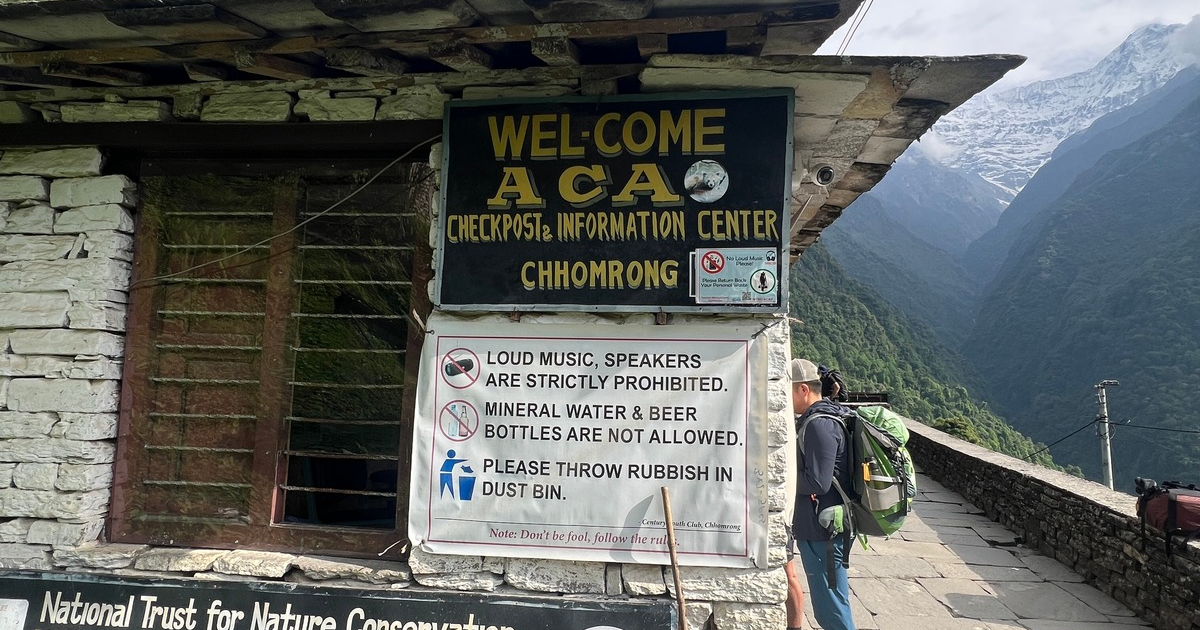
This is the main entry permit. Most of the popular trekking trails in Nepal lie within national parks, conversation areas and reserve forests. You need a permit for each protected area you enter.
• Annapurna Conservation Area Project (ACAP): Annapurna Conservation Area covers the trails leading to Annapurna Base Camp, Annapurna Circuit, Ghorepani Poon Hill Mardi Himal, Khopra Ridge, etc. About NPR 3,000 for most foreigners.
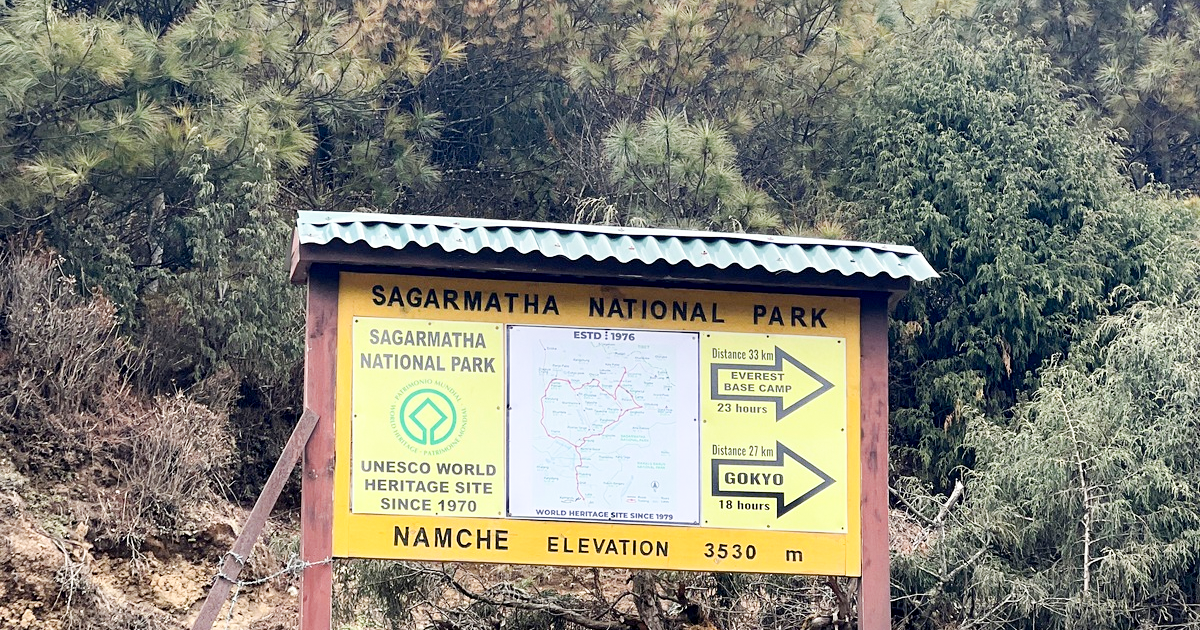
• Sagarmatha National Park: Sagarmatha National Park is a protected UNESCO World Heritage Site encompassing the world famous trekking trails of Everest Base Camp, Gokyo Valley, the Sherpa Heritage Trekking route and the Three Passes. About NPR 3,000 for most foreigners, checked at the Monjo entry gate.
• Manaslu Conservation Area (MCAP): The Manaslu Conservation Area covers all the trekking trails weaving past the foothills of the great Mount Manaslu. The most famous treks inside the Manaslu Conservation Area are the Mananslu Circuit and Tsum Valley Treks. About NPR 3,000, needed on the Manaslu Circuit and Tsum Valley.
• Langtang National Park, Rara and others: similar fees apply, so ask us for your exact route.
Children under 10 are generally exempt from park fees, and SAARC nationals pay a reduced rate.
ii. Local Municipality Fee
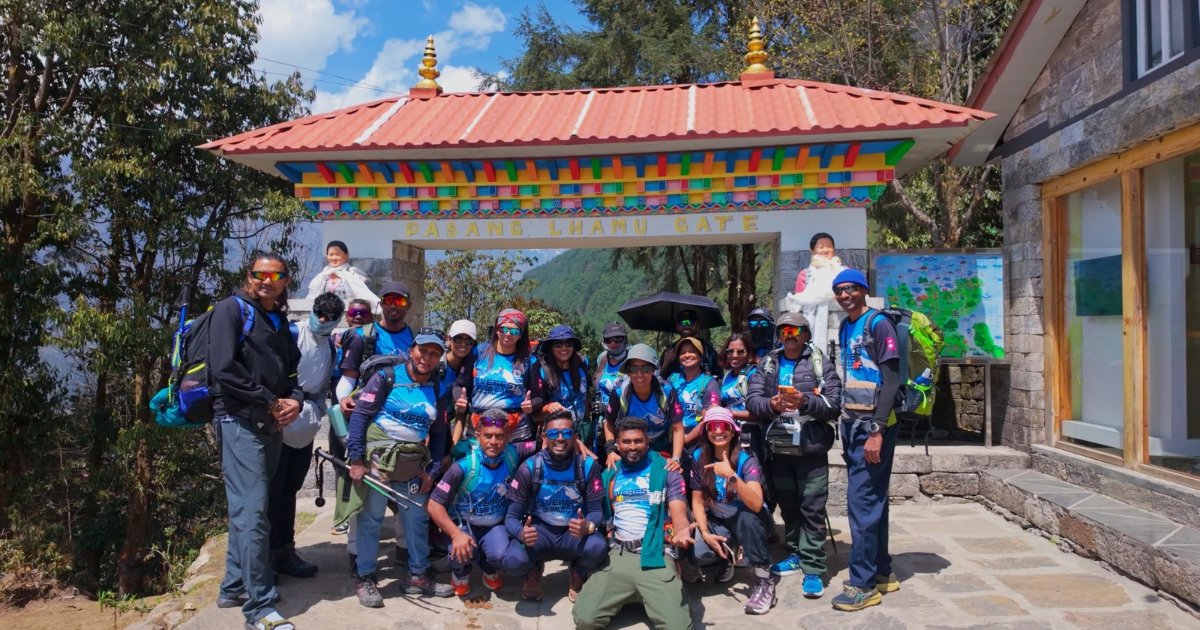
In the Everest Region, together with the national park fee, trekkers also pay the Khumbu Pasang Lhamu Rural Municipality fee of about NPR 3,000. It is usually paid at the Municipal Checkpoint in Lukla, located close to the Pasang Lhamu Memorial Gate. Along with the Sagarmatha National Park permit, this brings the EBC permit cost to roughly NPR 6,000.
iii. TIMS Card (Trekkers' Information Management System)
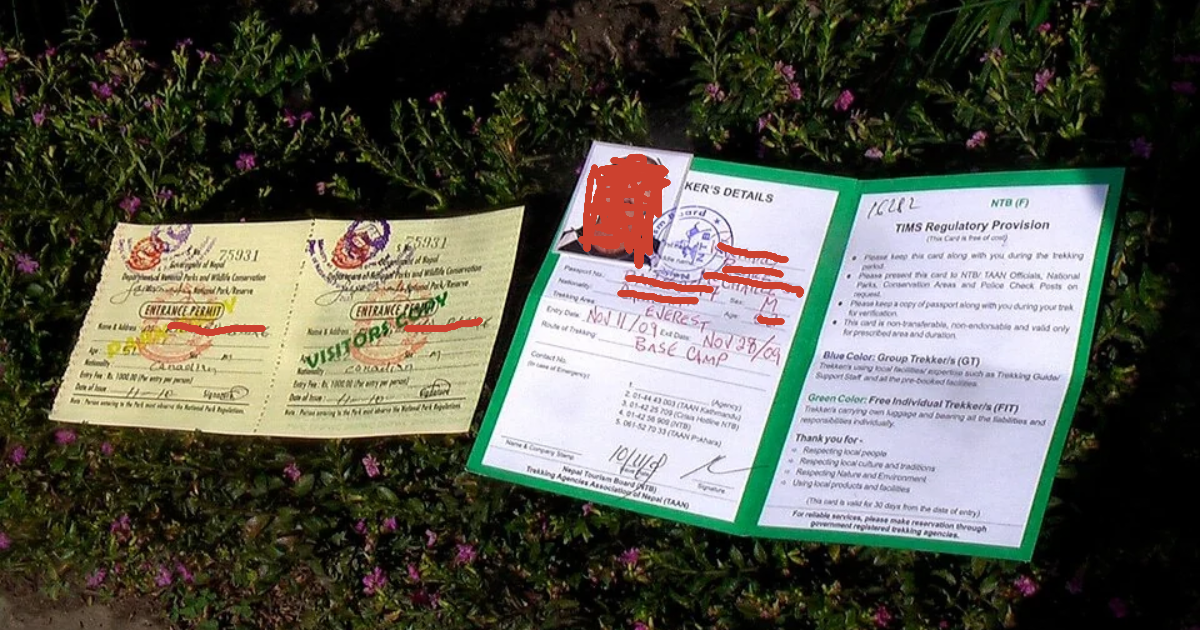
While filling out the form for the TIMS card, you need to provide your information and contact details. The TIMS card registers your trek for safety and search-and-rescue operations. Nowadays TIMS card is issued digitally through a registered trekking agency and is linked to your guide's details. It costs about NPR 2,000 for foreigners and about NPR 1,000 for SAARC nationals. TIMS is required to trek in most regions of Nepal, including Annapurna, Langtang and Manaslu. TIMS is not required for treks in the Everest Region. The local municipality fee is levied in its place. The old green TIMS card for independent trekkers is also no longer available.
iv. Restricted Area Permit (RAP)
To trek to remote areas bordering Tibet and India, like Upper Mustang, Upper Dolpo, Kanchenjunga, Nar Phu and Manaslu, you need to obtain a special permit. The Restricted Area Permits can be costlier than the national park fees and other permits, as the government aims to protect the fragile environment and preserve the culture of these areas by restricting the number of foreign visitors. The Restricted Area Permit is only issued to trekking agencies. So those trekkers who wish to visit the restricted areas have to book their trek through an agency to obtain a Restricted Area Permit. One also has to trek with a licensed trekking guide in order to obtain this permit.
Restricted Area Permit for:
Manaslu: It typically costs USD 100 for the first 7 days from September to November and USD 75 from December to August, with a small daily charge after day 7.
Upper Dolpo: Typically USD 500 for the first 10 days, then USD 50 per extra day.
Do You Need a Guide to Trek in Nepal in 2027?
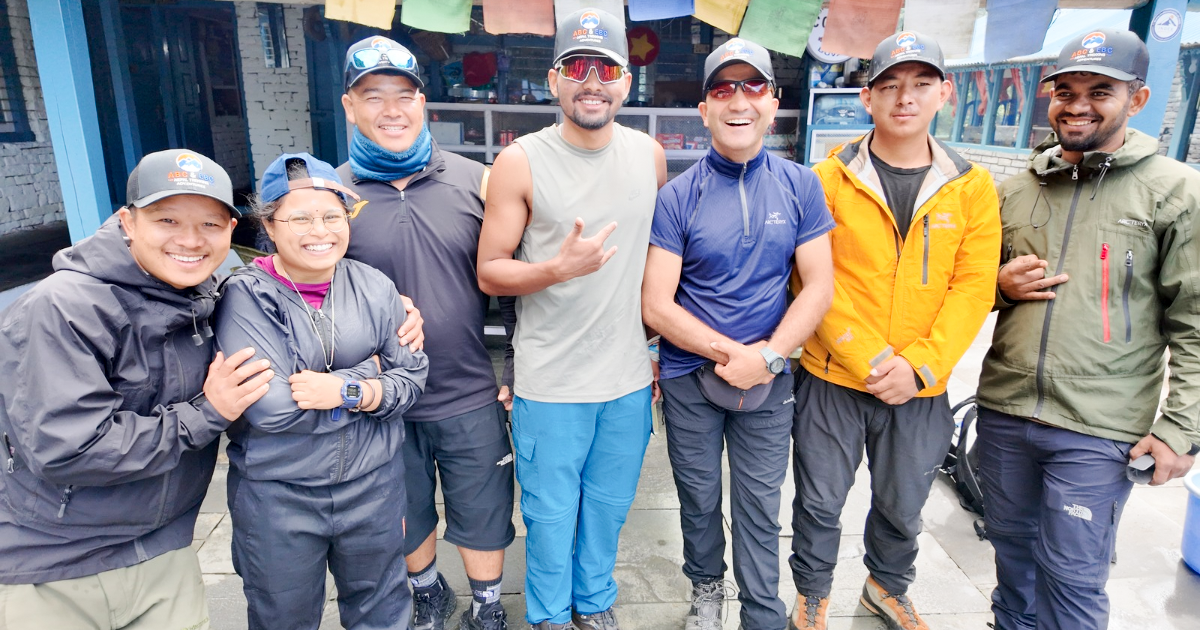
Yes, in most treks require tourists to trek with guides. Since April 2023, it has been made mandatory for foreign trekkers to trek with a licensed local guide hired through a trekking agency while trekking in national parks, conservation areas and restricted areas. Fully independent, guide-free trekking is no longer permitted on the main routes.
In March 2026, the rules for restricted areas were eased slightly. A solo traveller can now apply for a restricted area permit without a minimum group of two, but a licensed guide and a registered agency are still required.
Trekking with a guide who knows the trail can be a life-saver, especially if you are trekking in a remote area like the Three High Passes. A guide improves safety, helps you handle altitude and weather, and supports the local economy. Many trekkers find the experience richer too, because a good guide shares the culture and stories of each valley and helps you interact with the local inhabitants.
Permits by Trek: What You Need
Annapurna Base Camp (ABC) Trek
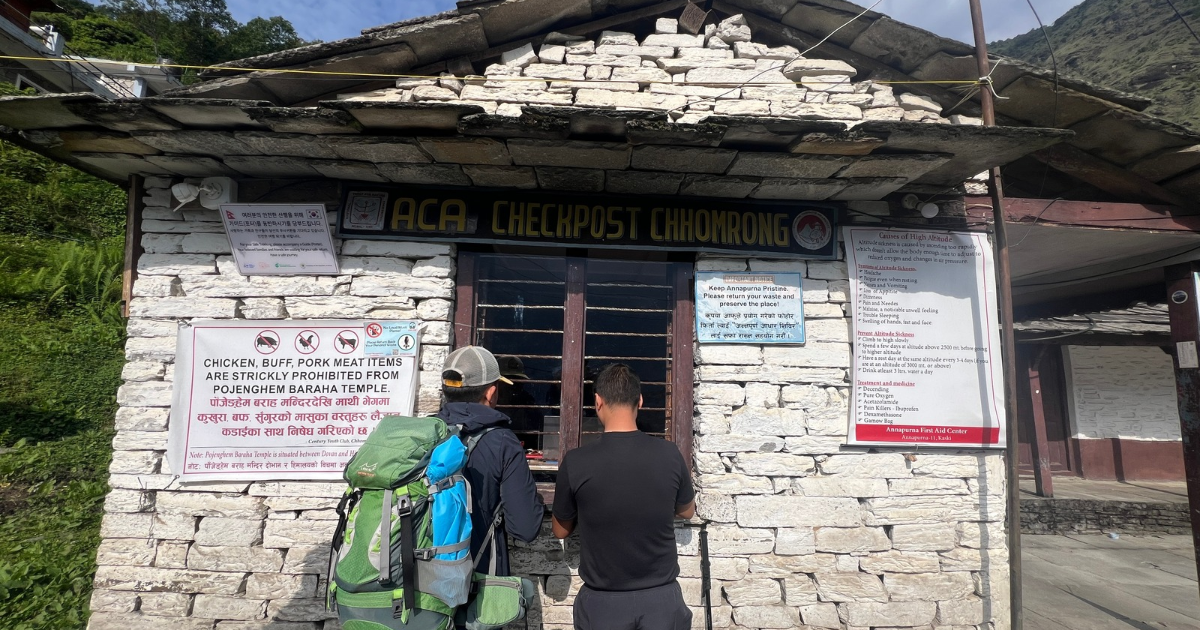
You need the ACAP permit and a TIMS card. Checkpoints along the route, such as Birethanti and Ghandruk, verify your permits. Whether you choose the classic route or our Short Annapurna Base Camp Trek (6 days), the permits are the same. See our full Annapurna Base Camp Trek itinerary for details.
Everest Base Camp (EBC) Trek
You need the Sagarmatha National Park permit and the Khumbu Pasang Lhamu local fee, both paid in the Lukla and Monjo area. Our team carries the cash and handles the process for you. Read more about our Everest Base Camp Trek.
Annapurna Circuit Trek
The Annapurna Circuit needs ACAP and TIMS, and your guide's details are linked to the TIMS record. See our Annapurna Circuit Trek page.
Manaslu and Tsum Valley Trek
This is the most permit-heavy popular trek. You need the Manaslu Restricted Area Permit, MCAP and, on some sections, ACAP, along with TIMS. It is a restricted route, so a licensed guide is compulsory. Explore the Manaslu Tsum Valley Trek.
How to Get Your Trekking Permits?
You can book with a registered trekking agency like ABC and EBC Nepal Trekking Adventure. Permits and TIMS cards are issued through licensed trekking agencies, so you do not apply on your own.
1. Once you have chosen your agency and booked your trek you can send your documents. Agencies demand for a clear scanned copy of your passport, passport-size photos, your travel insurance details and your trek dates.
2. Trekking agencies apply on your behalf and handle the paperwork at the Nepal Tourism Board, park offices and restricted area offices in Kathmandu or Pokhara.
3. You should carry your original documents. While trekking keep your permits, TIMS card and passport copy in a waterproof pouch. Guards and personnels at the checkpoints will ask to see them.
A few days is required for standard permits while more time is required to obtain restricted area permit, especially in the busy autumn and spring seasons.
Nepal Trekking Permit Checklist for 2027
Valid passport with at least six months of validity
• Nepal visa (on arrival or in advance)
• Passport-size photos
• Travel insurance that covers high-altitude trekking and rescue and evacuation costs
• Cash in Nepalese rupees for personal expenses on the trail
• Printed and digital copies of all permits
Tips to Avoid Permit Problems
Booking your trek early makes a world of difference, especially if you are trekking during the peak seasons. March to May and September to November are the busiest times, and restricted area slots fill quickly. You should also never trek without registering as skipping permits can lead to fines and being turned back at a checkpoint. Before starting your trek, confirm what is included. Ask your agency whether permit fees are in your package price or paid separately. Make sure to carry spare copies of your pp size photographs, permits and other documents. If you lose a permit, having copies of your permits or documents make replacement easier.
Frequently Asked Questions
Q. Do I need a TIMS card for Everest Base Camp?
For treks to the Everest Region, the Khumbu Pasang Lhamu local fee is required instead of a separate TIMS card. Your agency will confirm exactly what is required for your itinerary.
Q. Can I trek in Nepal without a guide?
Foreign trekkers need a licensed guide hired through a registered agency to trek through national parks, protected conservation areas and restricted areas.
Q. Are trekking permits refundable?
Once issued, permit fees are non-refundable once . So confirm your dates before you book your trek.
Q. Do children need trekking permits?
Children under 10 generally do not need permits, while those aged 10 and above usually pay the full fee. Rules can vary, so ask us before booking.
Plan Your 2027 Trek With ABC and EBC Nepal Trekking Adventure
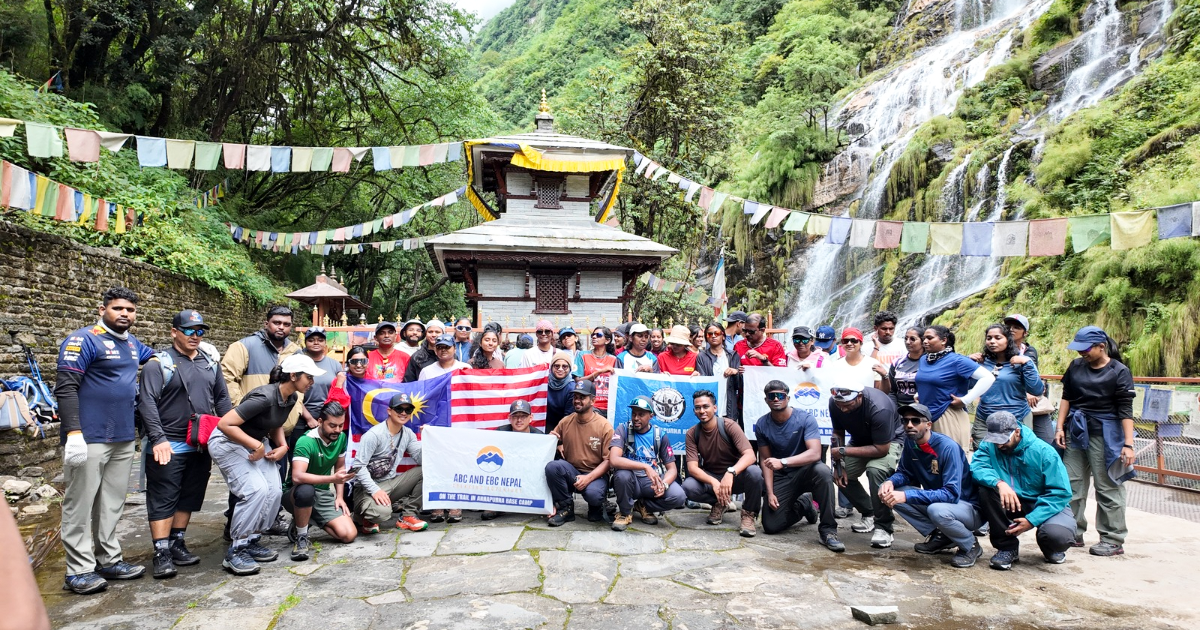
Permits should be the easy part of your journey. When you book with ABC and EBC Nepal Trekking Adventure, our experienced team prepares every permit, TIMS card and local fee, so you can focus on training, packing and enjoying the Himalayas.
Ready to start? Browse our trekking packages, send us your preferred dates and we will reply with a clear itinerary, permit details and a transparent quote. Contact us today to book your 2027 trek.