For centuries, Mount Kailash has stood as one of the world's most revered spiritual destinations, attracting pilgrims, seekers, and adventurers from every corner of the globe. Rising majestically in the remote Tibetan Plateau, this sacred mountain is not just a geographical landmark - it is a symbol of faith, devotion, and spiritual awakening. A journey to Kailash is often described as a life-changing experience, where the physical challenges of the trek blend seamlessly with profound inner transformation.
Whether you are a devotee seeking blessings, a spiritual traveler in search of deeper meaning, or simply someone fascinated by ancient cultures and sacred landscapes, the Pilgrimage to Kailash offers an unforgettable encounter with the divine.
What is the Significance of Sacred Mount Kailash?
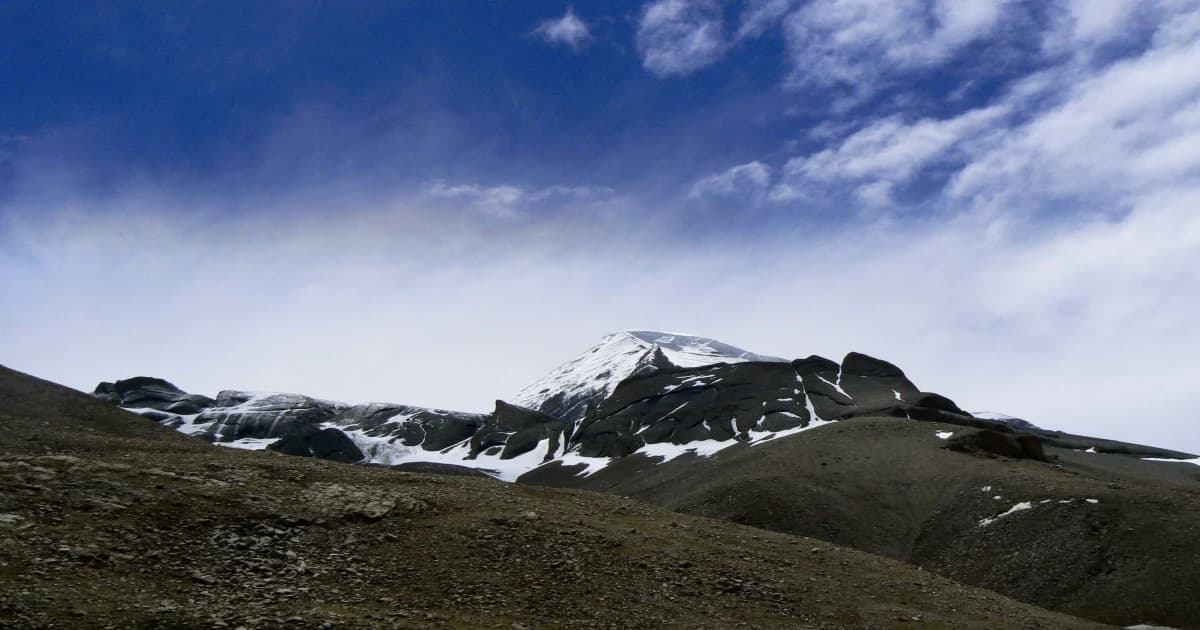
Standing at an elevation of 6,638 meters (21,778 feet), Mount Kailash is considered sacred by four major religions—Hinduism, Buddhism, Jainism, and Bon.
In Hindu tradition, Mount Kailash is believed to be the eternal abode of Lord Shiva and Goddess Parvati. Devotees regard the mountain as the center of the universe, where Shiva resides in a state of eternal meditation.
For Buddhists, Kailash is associated with Demchok (Chakrasamvara), representing supreme bliss and enlightenment. Jains believe that their first Tirthankara, Rishabhadeva, attained liberation near Kailash, while followers of the Bon religion consider it the seat of spiritual power and the source of their ancient teachings.
What makes Kailash even more mysterious is that no one is permitted to climb its summit. The mountain remains untouched, preserving its sacredness and spiritual aura.
Did you know about Lake Manasarovar: The Lake of Purity?
No pilgrimage to Kailash is complete without visiting Lake Manasarovar, one of the highest freshwater lakes in the world. Situated at an altitude of approximately 4,590 meters, the lake is revered as a place of purification and spiritual cleansing.
According to Hindu mythology, Lake Manasarovar was first created in the mind of Lord Brahma before manifesting on Earth. Pilgrims believe that bathing in its holy waters washes away sins accumulated over many lifetimes and brings spiritual merit.
The crystal-clear waters, reflecting the snow-capped peaks of Kailash, create a serene atmosphere that inspires meditation, prayer, and self-reflection. Many travelers describe their first glimpse of the lake as a deeply emotional and transformative moment.
Where the Journey Begins
Most pilgrims begin their Kailash journey from Kathmandu, Nepal, where preparations and permits are completed before crossing into Tibet. The route passes through dramatic Himalayan landscapes, high mountain passes, remote villages, and vast Tibetan plains.
As travelers move deeper into Tibet, the scenery gradually changes from lush valleys to expansive deserts and rugged mountain terrain. The stark beauty of the Tibetan Plateau creates a sense of isolation from the modern world, allowing pilgrims to focus inward and connect with their spiritual purpose.
The long overland drive itself becomes part of the pilgrimage, offering opportunities to witness ancient monasteries, prayer flags fluttering in the wind, and local communities preserving centuries-old traditions.
The Sacred Kailash Kora
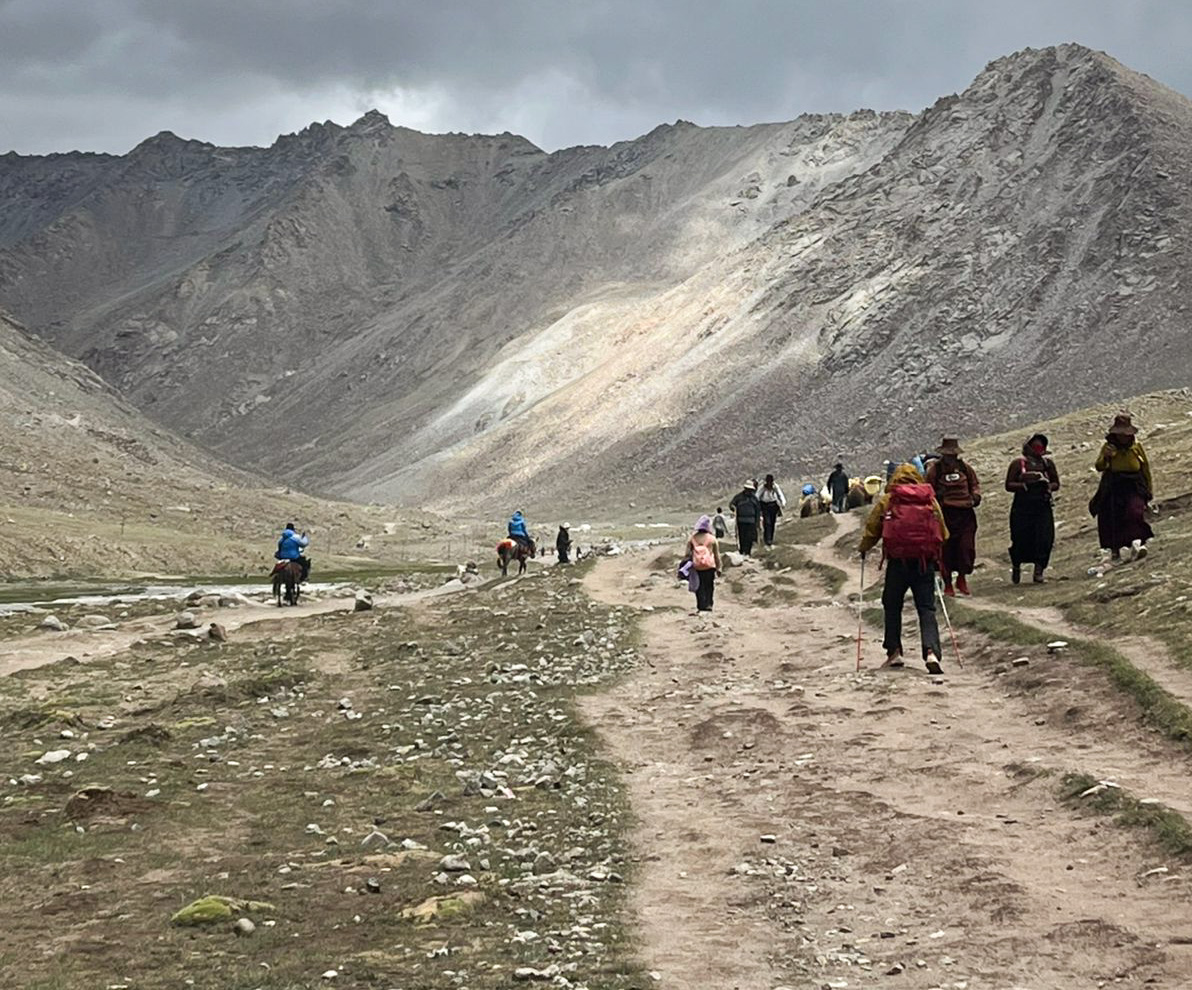
The highlight of the pilgrimage is the Kailash Kora, a sacred circumambulation around Mount Kailash. Covering approximately 52 kilometers, the Kora is completed over three days and is considered one of the most spiritually rewarding journeys in the world.
Pilgrims believe that completing one Kora washes away the sins of a lifetime. Completing 13 Koras brings immense spiritual merit, while 108 Koras is believed to lead to enlightenment.
The route begins at Darchen and passes through breathtaking valleys, prayer-filled monasteries, and high-mountain passes. Along the trail, pilgrims from different cultures and faiths walk side by side, united by a common sense of devotion and reverence.
The atmosphere is deeply spiritual. The sound of prayer wheels spinning, mantras being chanted, and colorful prayer flags dancing in the wind creates a unique sense of sacredness that accompanies travelers throughout the journey.
Crossing the Dolma La Pass
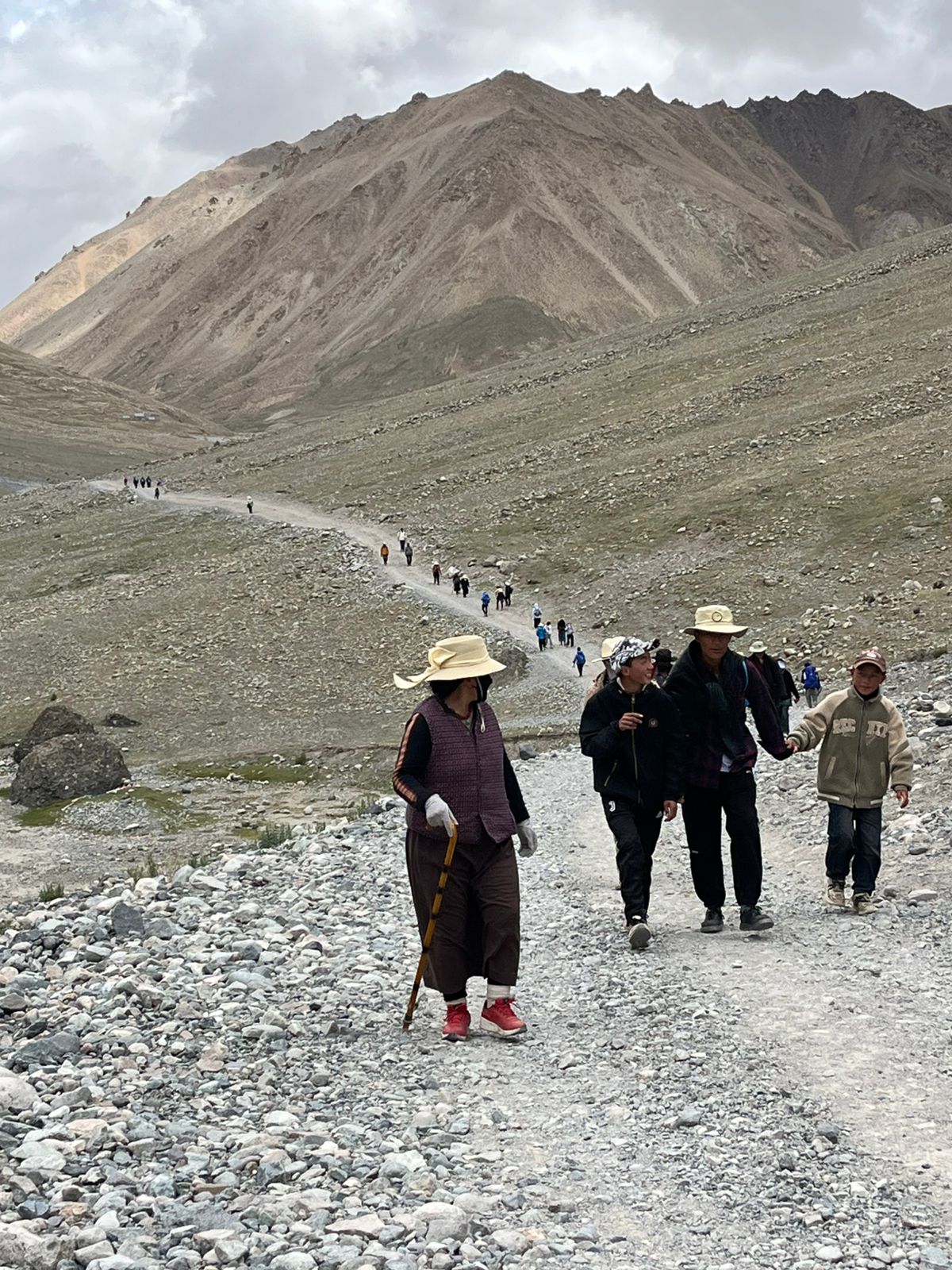
One of the most challenging and spiritually significant sections of the Kora is the crossing of Dolma La Pass, situated at approximately 5,630 meters above sea level.
Named after the Tibetan goddess Tara, the pass symbolizes death and rebirth in the spiritual journey. Pilgrims often leave behind personal items as symbolic offerings, representing the release of past burdens, negative karma, and attachments.
The ascent can be physically demanding due to the high altitude and steep terrain. However, reaching the summit of the pass brings an overwhelming sense of accomplishment and spiritual fulfillment. Many pilgrims describe this moment as one of the most powerful experiences of their lives.
The Spiritual Journey to Kailash is more than a Physical Trek
The journey to Kailash is not simply about reaching a destination. It is a path of self-discovery, resilience, and spiritual growth.
The harsh environment, thin air, and challenging terrain encourage travelers to move beyond their comfort zones. As physical limitations are tested, many pilgrims discover inner strength, patience, and gratitude.
Away from the distractions of daily life, the pilgrimage provides space for contemplation and reflection. The vast landscapes, sacred sites, and ancient traditions create an environment where individuals can reconnect with themselves and their deeper purpose.
Many travelers return home with a renewed perspective on life, carrying lessons learned from the mountain long after the journey ends.
When is the Best Time for a Kailash Pilgrimage?
The most favorable months for a Kailash pilgrimage are from May to September. During this period, weather conditions are generally more stable, and roads and trekking routes remain accessible.
Spring and early summer bring pleasant temperatures and clear mountain views, while the monsoon season often has less impact on the Tibetan side compared to Nepal. Pilgrims should still prepare for unpredictable weather, including strong winds, cold temperatures, and occasional snowfall at higher elevations.
Proper acclimatization is essential, as much of the journey takes place above 4,500 meters.
A Journey of Faith and Transformation
A pilgrimage to Mount Kailash is often described as a once-in-a-lifetime spiritual experience. It is a journey that transcends religion, nationality, and culture, inviting people to explore both the sacred landscapes of Tibet and the depths of their own hearts.
The majestic presence of Mount Kailash, the tranquil waters of Lake Manasarovar, and the sacred path of the Kora create an atmosphere unlike any other pilgrimage destination in the world.
For many, the true reward of the journey is not simply completing the trek but experiencing the profound sense of peace, humility, and spiritual awakening that Kailash inspires. Long after returning home, pilgrims continue to carry the mountain's wisdom within them, remembering it not just as a destination, but as a transformative journey of the soul.