Here's what you can actually expect if you lace up your boots and head for the EBC Trek in May.
Why Everest Base Camp Trek in May works do well
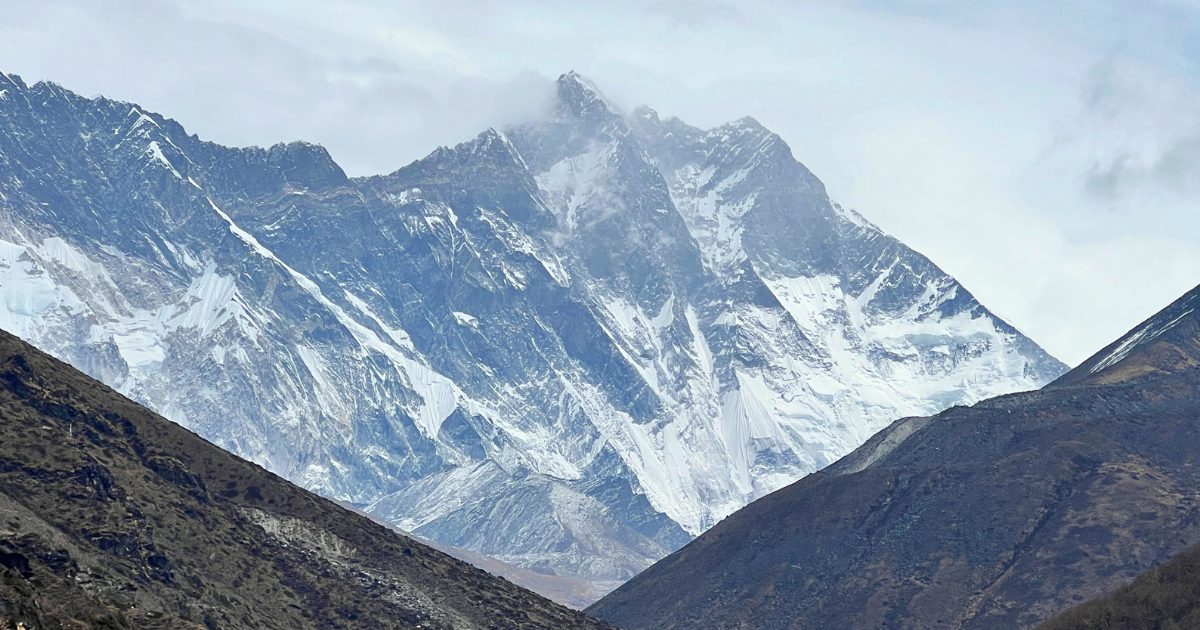
By May, winter's brutal cold has mostly loosened its grip on the lower and mid-altitude trails. Days are noticeably warmer, and the biting wind that makes March mornings miserable has calmed down. At the same time, the monsoon rains that arrive in June haven't shown up yet, so trails are still dry and stable underfoot.
This combination means you get some of the clearest, most stable weather windows of the year, especially in the first half of the month. Mornings tend to be crisp and blue-skied, which is exactly what you want when you're hoping for that first glimpse of Everest's summit poking above the ridgeline.
There's also a practical bonus: May is peak climbing season on Everest itself. Expedition teams are pushing for the summit, Base Camp is buzzing with tents, prayer flags, and the low hum of generators, and there's a genuine sense of occasion in the air. Trekkers get to witness this energy up close, something you simply don't experience in the quieter off-season months.
What the Weather actually feels like
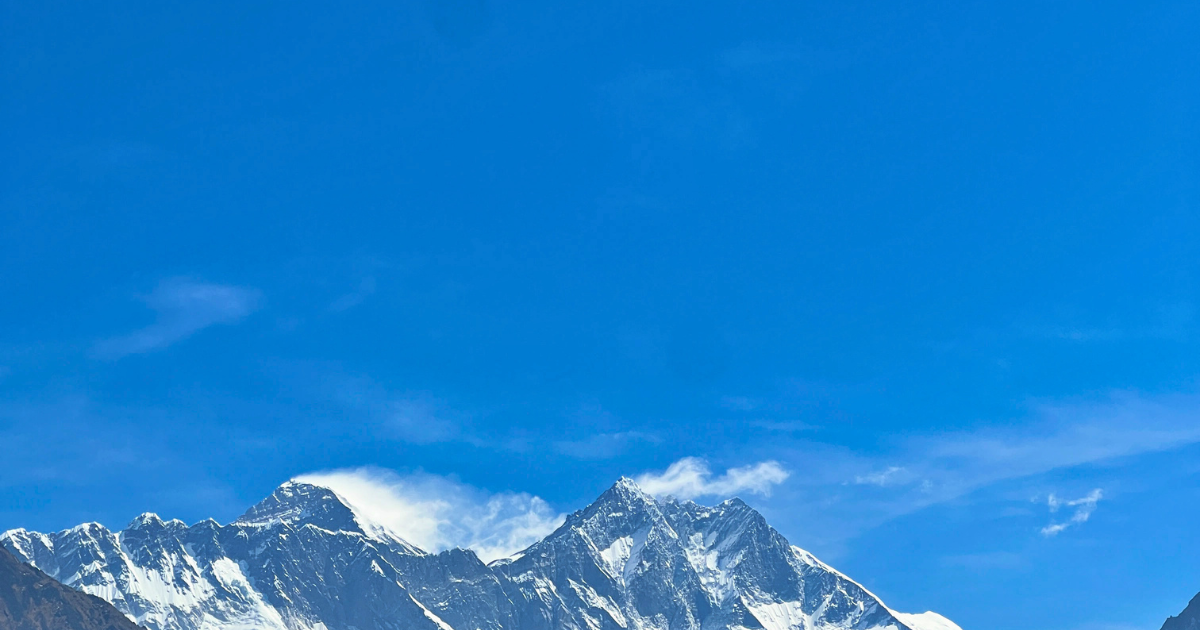
Don't let "warmer" fool you into packing shorts and a T-shirt. Even in May, temperatures at higher elevations swing dramatically. Down in Lukla and Phakding, daytime highs might reach a pleasant 15-18°C, and it can genuinely feel like a mild spring day back home. But as you climb toward Dingboche, Lobuche, and eventually Base Camp itself, temperatures drop fast. Nighttime lows near Base Camp can still dip below freezing, sometimes well below.
Afternoons in May can also bring brief spells of cloud cover or light snow flurries at higher altitudes, particularly later in the month as the monsoon starts building. It's rarely dramatic, but it's enough to remind you that you're still in the high Himalayas, not a spring meadow. The golden rule remains the same as any season: start early, because mornings are almost always clearer than afternoons.
The Rhododendrons are winding down
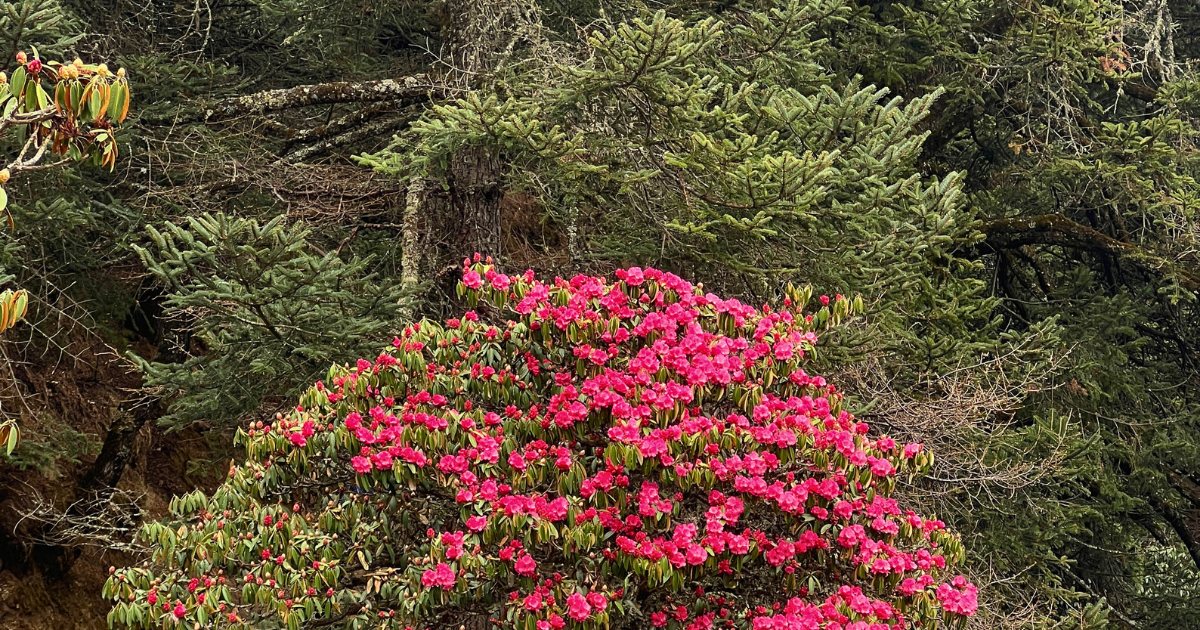
If your main reason for choosing spring was to see the Khumbu's famous rhododendron forests in bloom, May is a bit of a mixed bag. The lower valleys, especially around Phakding, Monjo, and the approach to Namche Bazaar, may still show some late blossoms, but the vibrant red-and-pink explosion that defines March and April has largely faded by May. What you lose in flowers, though, you gain in trail conditions and warmer temperatures, so it's a fair trade for many trekkers.
Crowds: Fewer than Peak Season but still Lively
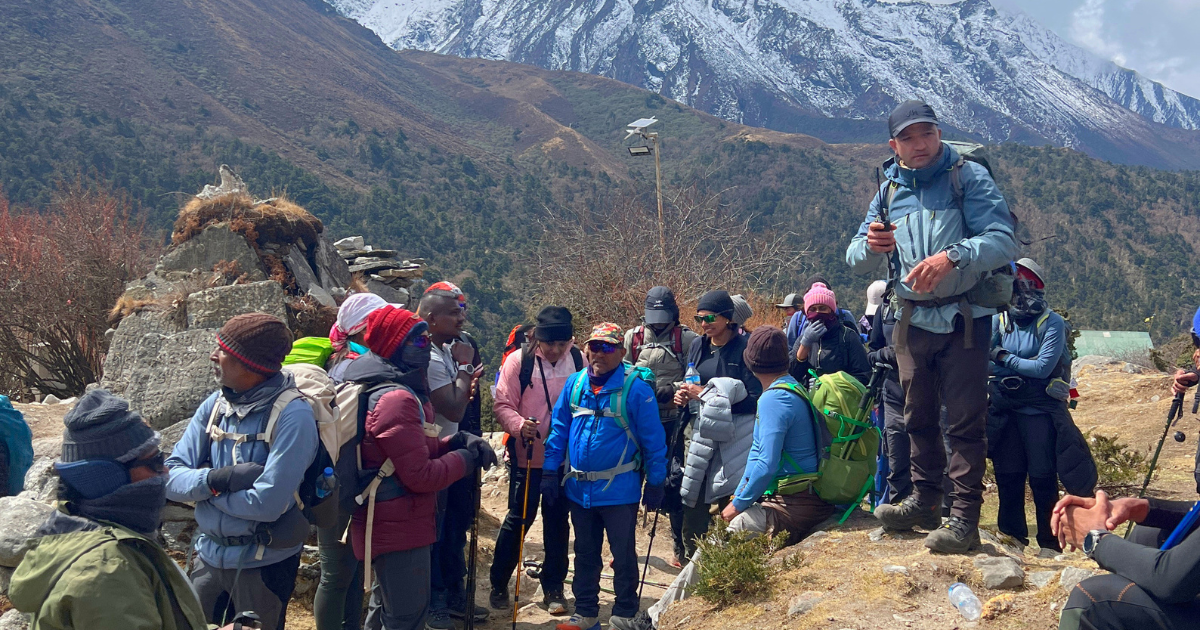
March and April are famously the busiest months on the EBC trail, packed with trekkers and mountaineers alike. By May, the volume drops off noticeably, particularly in the back half of the month as the pre-monsoon window starts to close. Teahouses are easier to book, trails feel a little less like a parade, and you'll have more breathing room at viewpoints like Kala Patthar.
That said, don't expect solitude. May is still firmly within the spring trekking season, and with Everest expedition teams making their summit pushes, Base Camp and the surrounding villages remain active and social. If you enjoy a bit of camaraderie on the trail, swapping stories with climbers and trekkers from around the world, May delivers that in spades.
Practical Tips for Trekking EBC in May
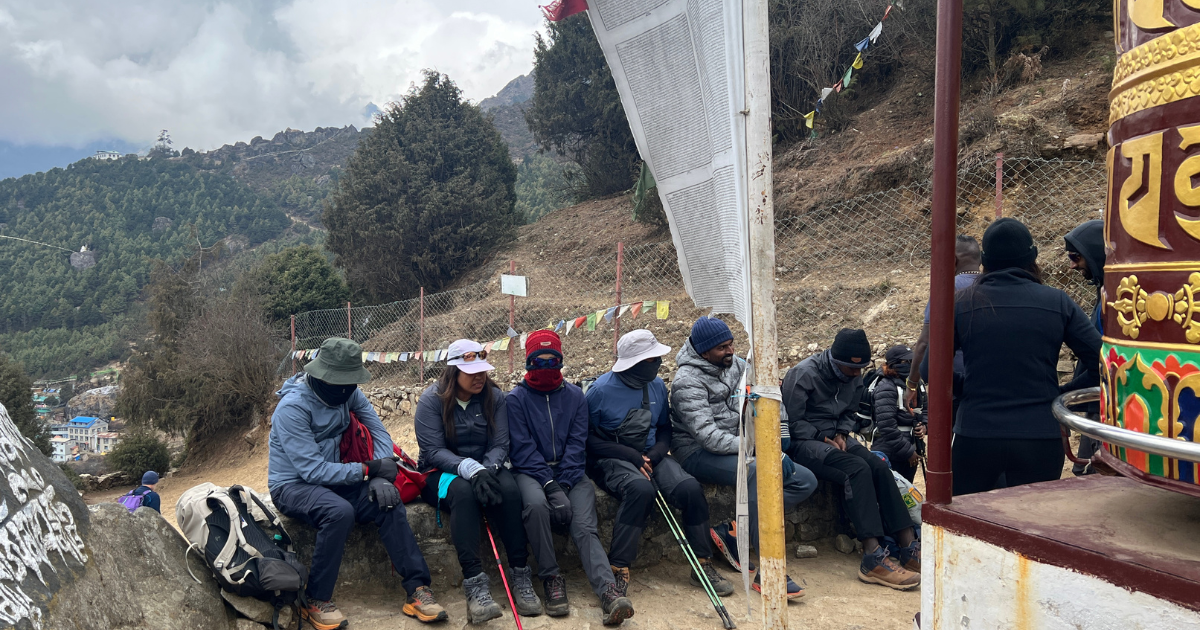
Layer smart, not heavy. Mornings and evenings are cold, midday can be surprisingly warm in the sun, and afternoon weather can shift quickly. A solid base layer, insulated mid-layer, and a reliable waterproof shell will cover almost every scenario.
Watch for afternoon weather changes. As May progresses, pre-monsoon moisture starts building in the atmosphere, which can bring afternoon cloud, occasional light rain in the lower valleys, or snow flurries higher up. Plan your hardest hiking hours for the morning.
Book teahouses ahead where you can. Even with lighter crowds than peak spring, popular stops like Namche Bazaar, Tengboche, and Gorak Shep can fill up, especially if there's an Everest summit push happening and support teams are moving through.
Take acclimatization seriously. Warmer weather can trick people into underestimating the altitude. The thin air at 5,000+ meters doesn't care what the thermometer says. Stick to a gradual ascent profile, build in rest days at Namche and Dingboche, and listen to your body.
Pack sun protection. Longer days and stronger UV exposure at altitude mean sunburn sneaks up fast, even when the air feels cool. A good hat, sunglasses rated for high-altitude glare, and high-SPF sunscreen are non-negotiable.
Who should choose May for this Trek?
May tends to suit trekkers who want reasonably stable weather without battling the absolute peak-season crowds of March and April. It's also a great pick if witnessing the buzz of Everest expedition season, tents, climbers, prayer flag ceremonies, and the electric anticipation of summit pushes is part of the appeal for you.
If your priority is maximum rhododendron blooms, aim for late March or early April instead. And if you're chasing total solitude on the trail, consider the quieter post-monsoon autumn months. But for a balance of decent weather, manageable crowds, and front-row access to one of mountaineering's most exciting seasons, May holds up remarkably well.
The Everest Base Camp trek is never exactly "easy," no matter which month you choose, but May offers a compelling middle ground. Warmer temperatures, drying trails, retreating winter winds, and a Base Camp alive with climbing energy, all before the monsoon arrives to complicate things. Pack thoughtfully, respect the altitude, and give yourself time to adjust, and you'll come away with the kind of views and memories that make every uphill step worth it.
Whether you're watching sunrise hit Ama Dablam from Tengboche or standing at the Base Camp itself, surrounded by climbers prepping for the summit, May has a way of making the Khumbu feel both dramatic and welcoming at once. For a lot of trekkers, that combination is exactly what they came for.
If you want to trek to the Everest Base Camp in any months of the year, let us know, and we will send the details to you.