
As the spring season matures in Nepal, the number of trekkers in the Everest region increases significantly. The skies clear into long stretches of blue, and the trail to Everest Base Camp fills with trekkers from around the world chasing one of the most iconic journeys on Earth. April sits at the heart of this transformation, widely regarded as one of the two best months (alongside October) to attempt the Everest Base Camp (EBC) trek. Here's everything you need to know about tackling this legendary route in spring.
Everest Base Camp Trek in April: A Complete Guide
Why April is a Prime Month for Everest Base Camp Trek
April is a window month when the weather stabilizes after the harsh cold of winter but before the monsoon rains arrive in June. This makes it one of the most ideal times to trek to EBC {Insert link}, both in terms of comfort and safety.
Daytime temperatures at lower elevations are pleasant, often reaching around 18/19 degrees Celsius, while nights remain cold, especially as you climb above 4,000 meters. April does not have the trail buried in deep snow like in the winter months, which keeps teahouses open, paths clear, and logistics simpler. It's also warmer and drier than the unpredictable monsoon season, when leeches, landslides, and cloud cover can make trekking miserable.
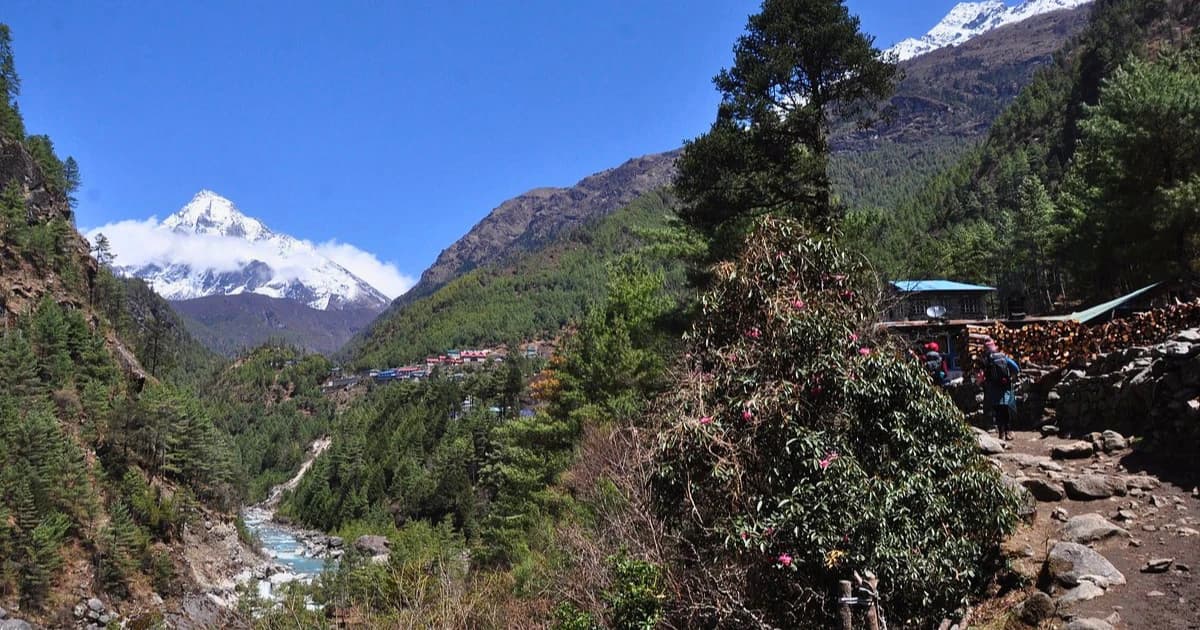
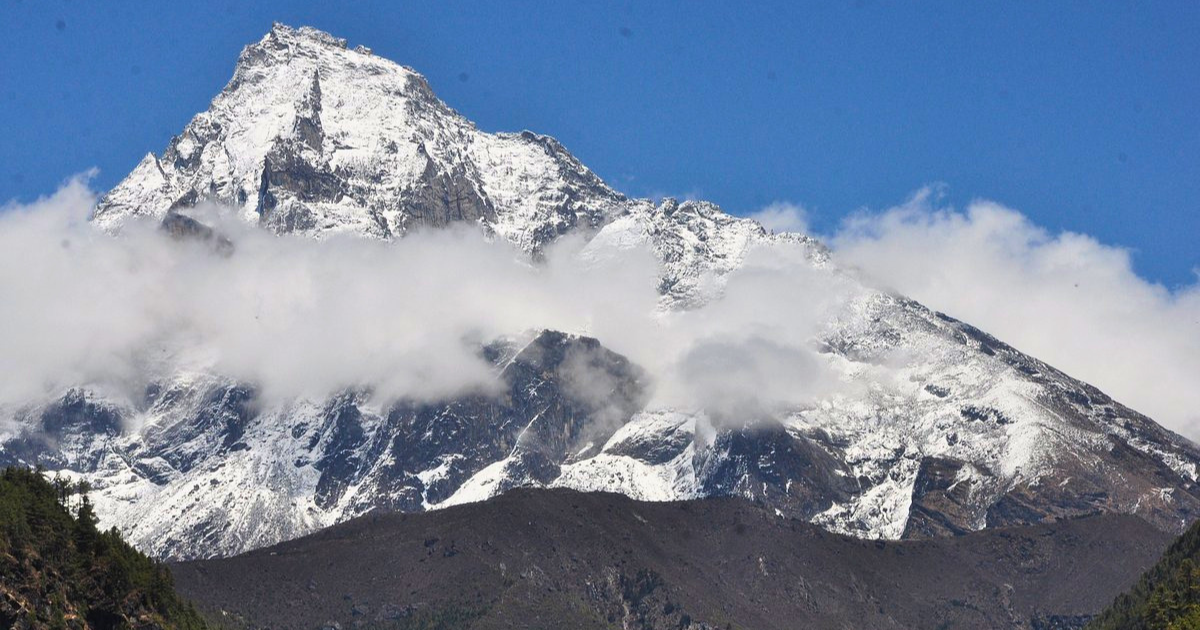
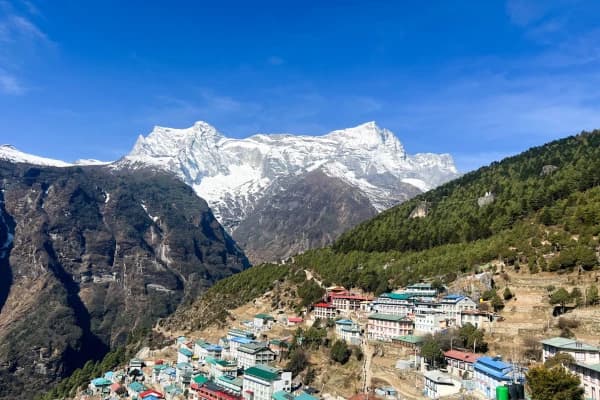
Most importantly for photographers and mountain lovers, April brings excellent visibility most of the time in the month. Clear morning skies typically offer sweeping views of Everest, Lhotse, Nuptse, Ama Dablam, and the surrounding Himalayan giants, though afternoon clouds can roll in later in the day.
Weather and Temperature Expectations
Understanding what to expect climate-wise helps with both packing and mental preparation.
- Lower elevations (Lukla to Namche Bazaar, 2,800m–3,440m): Daytime temperatures often range from 10–18°C, with nights dropping to around 0–5°C.
- Mid elevations (Namche to Dingboche, 3,440m–4,410m): Days remain mild, roughly 5–12°C, but nights can fall below freezing.
- High elevations (Lobuche to Everest Base Camp, 4,900m–5,364m): Daytime temperatures hover near freezing or slightly above, while nighttime lows regularly drop to -10°C or colder.
Afternoons in April can bring sudden weather shifts, including gusty winds and occasional light snowfall at higher altitudes, so layering remains essential throughout the trek.
Crowds on the Trail
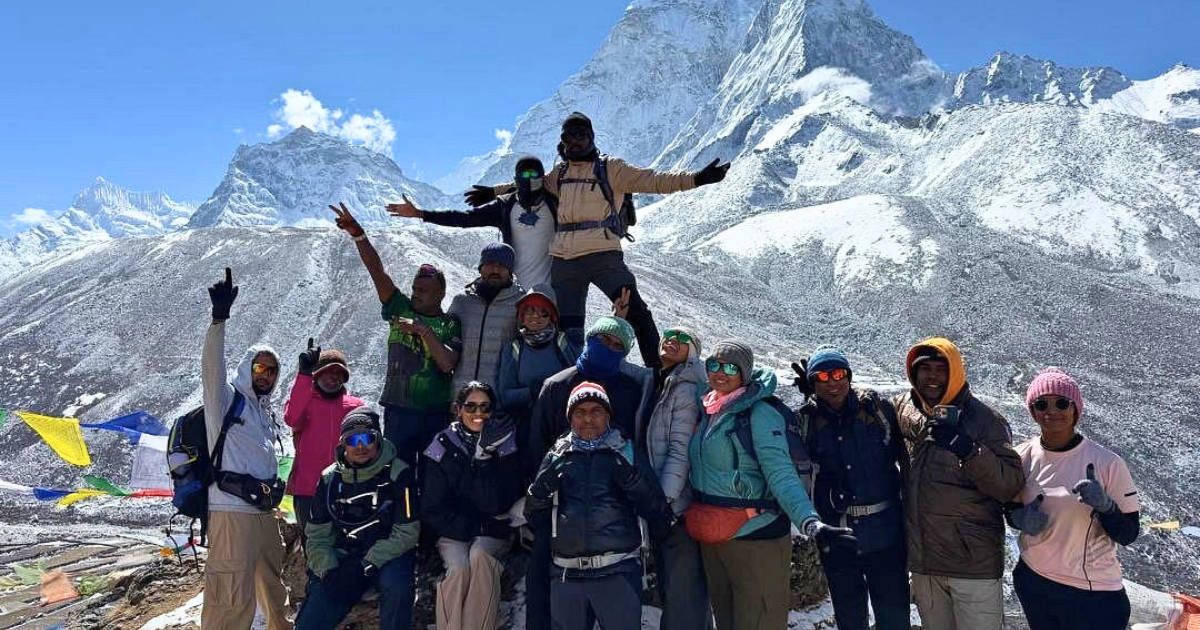
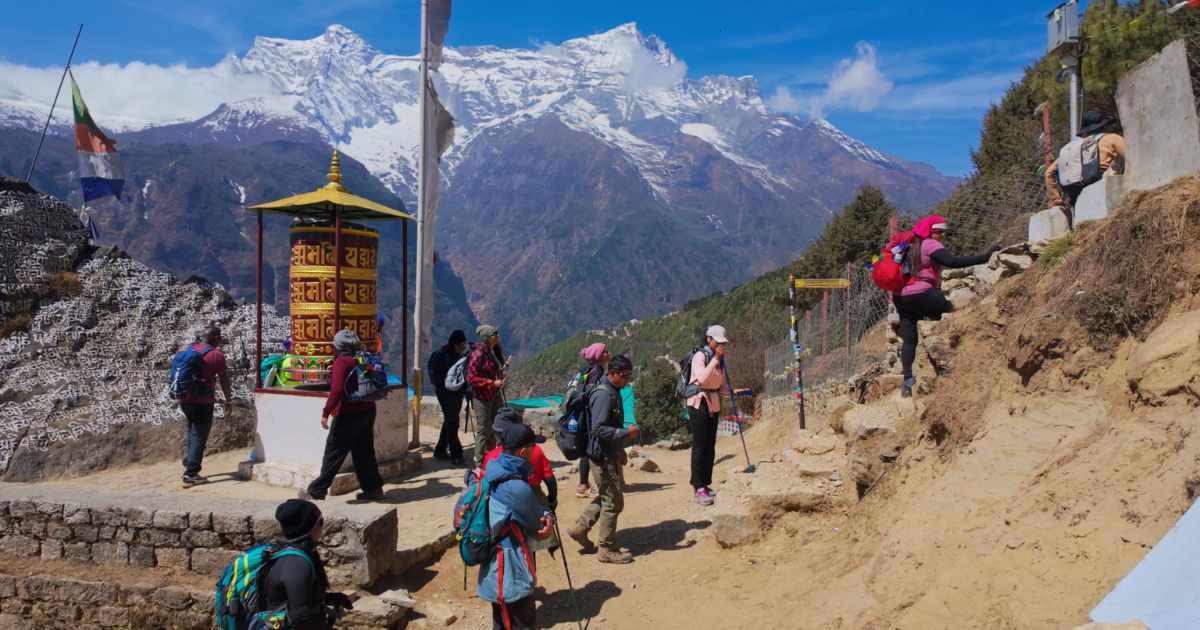
April is peak season, second only to October in terms of number of trekkers, so you should expect a busier trail. Teahouses along the trail can fill up quickly, and the path itself, particularly near Everest Base Camp and Kala Patthar, sees a steady flow of trekkers every day. This isn't necessarily a downside. A busier trail means a livelier atmosphere, easier opportunities to meet fellow trekkers from around the world, and generally well-stocked teahouses with reliable services. However, it does mean advance planning matters more than it might during shoulder seasons.
Packing Essentials for April
As temperatures swing dramatically between day and night, and between lower and higher elevations, essentials of packing is the name of the game.
- Base layers: Moisture-wicking thermal tops and bottoms
- Insulation: A warm fleece or down mid-layer, plus a heavier down jacket for evenings and summit-morning cold at Kala Patthar
- Outer shell: A waterproof, windproof jacket and pants for sudden weather changes
- Footwear: Broken-in, waterproof trekking boots with ankle support, plus camp shoes for evenings
- Accessories: Warm hat, sun hat, buff or scarf, gloves (both liner and insulated), and quality sunglasses for glacier glare
- Sleeping bag: Rated to at least -15°C, since teahouse rooms are unheated
- Other essentials: Trekking poles, a headlamp, water purification tablets or a filter, sunscreen with high SPF, and a basic first-aid kit including altitude sickness medication (after consulting a doctor)
You can find a detailed packing list here
Altitude Sickness: A Year-Round Concern
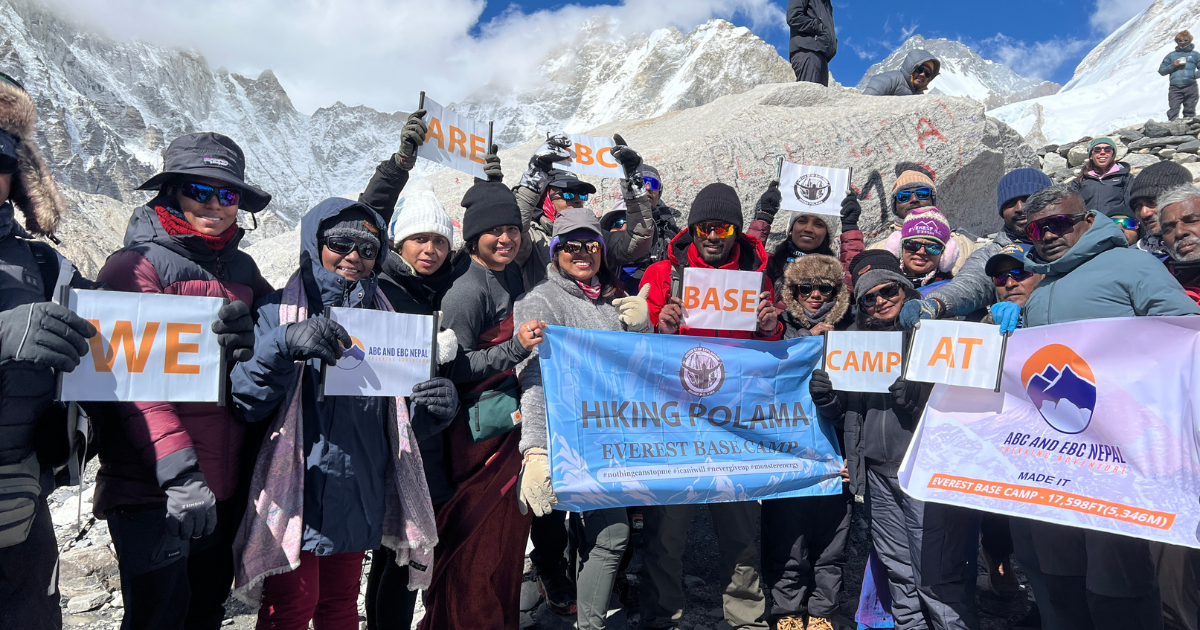
Regardless of how pleasant April's weather is, altitude remains the trek's defining challenge. Everest Base Camp sits at 5,364 meters, and the nearby Kala Patthar viewpoint climbs even higher to around 5,545 meters. Acute Mountain Sickness (AMS) can affect trekkers of any fitness level.
The best defenses are the tried-and-true ones: ascend gradually, stick to acclimatization days, stay well hydrated, avoid alcohol at altitude, and listen to your body. Symptoms like persistent headache, nausea, or dizziness should never be ignored. When you are trekking with us, our guides are trained to recognize early warning signs and operate the trip safely. Especially if you are a first-time trekker, you should opt for a guided trip rather than going independently.
Flights to Lukla
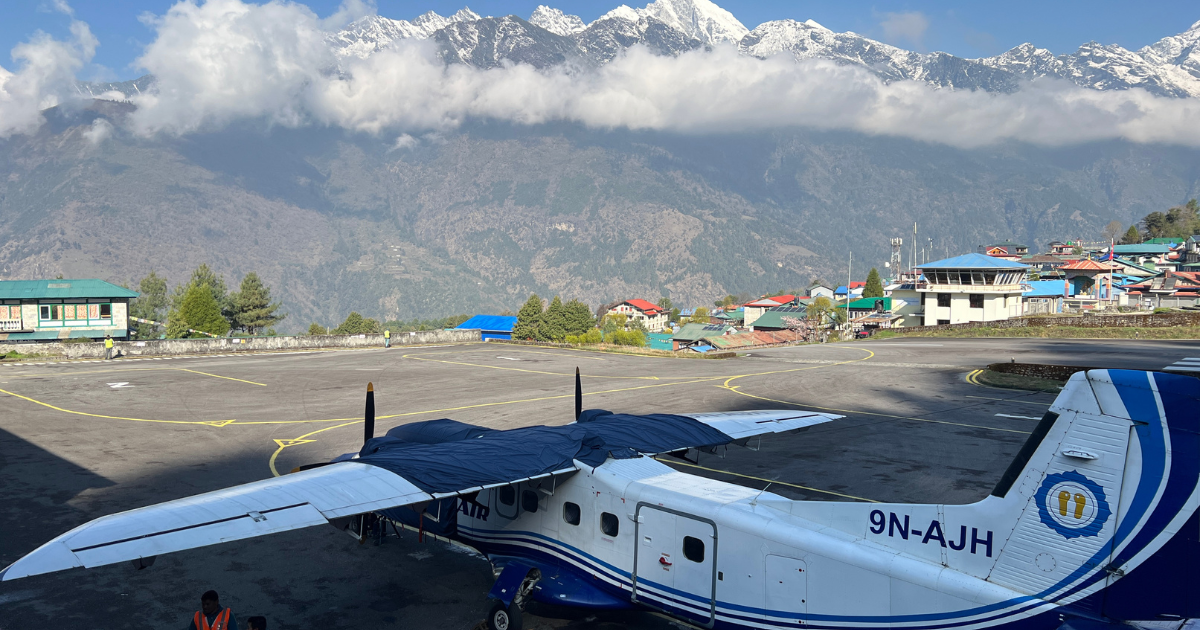
One practical note for April specifically: because it's peak season, flights between Kathmandu and Lukla can book up well in advance, and delays due to weather are common even in favorable months. It is wise to keep a buffer day or two into your schedule, either at the start or end of the trip, to absorb potential flight delays without jeopardizing return travel plans.
We will book your flights to Lukla and back when you are trekking to Everest base camp with us.
Need Help? Call Us+977 9856073085orChat with us on WhatsApp
Latest Travel Blogs
Oct 12, 2026By ABC
Why Trek to Everest Base Camp in 2027: 10 Reasons to Go
Oct 06, 2026By ABC
Trekking the Annapurna Circuit in September
Need Help? Call Us.+977 9856073085