
If you have noticed, November is the month everyone mentions for the Annapurna Base Camp (ABC) trek. There’s a good reason why. November falls right after the monsoon ends and before winter gets too cold, which greatly improves trail conditions and the views at base camp at 4,130 meters.
Annapurna Base Camp Trek in November: Why This Might Be the Best Month to Go

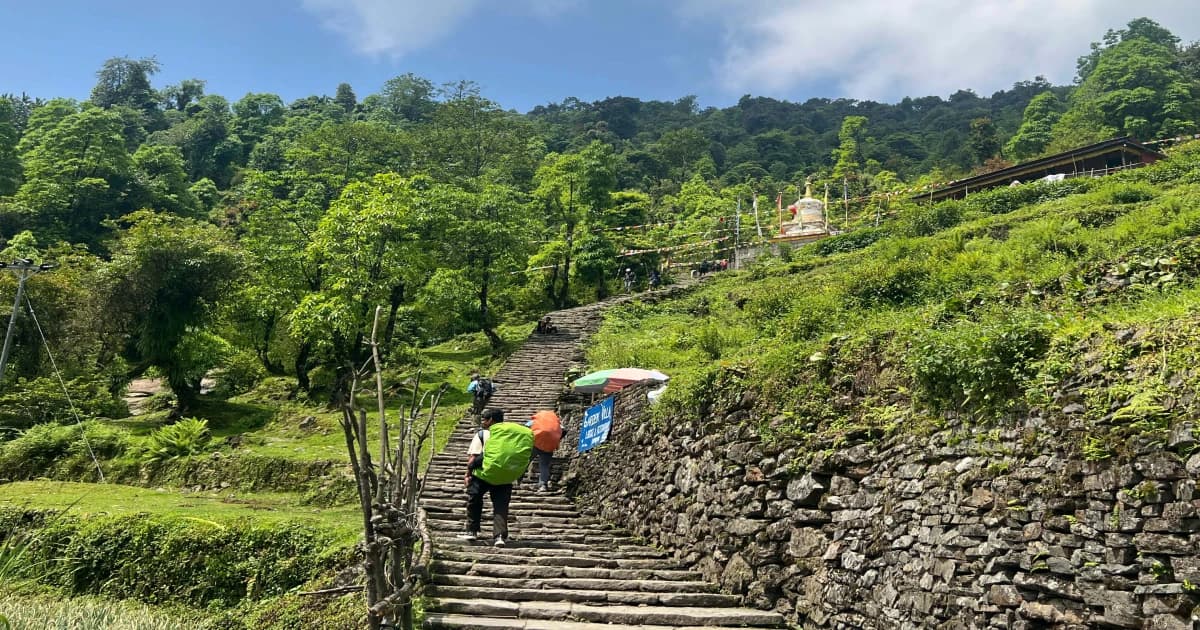
Here, we explain what makes November special for this trek . It’s not just about the beautiful mountain photos online but also practical details: the weather, how cold it gets at night, and whether it’s worth planning your trip then.
Let’s dive in.
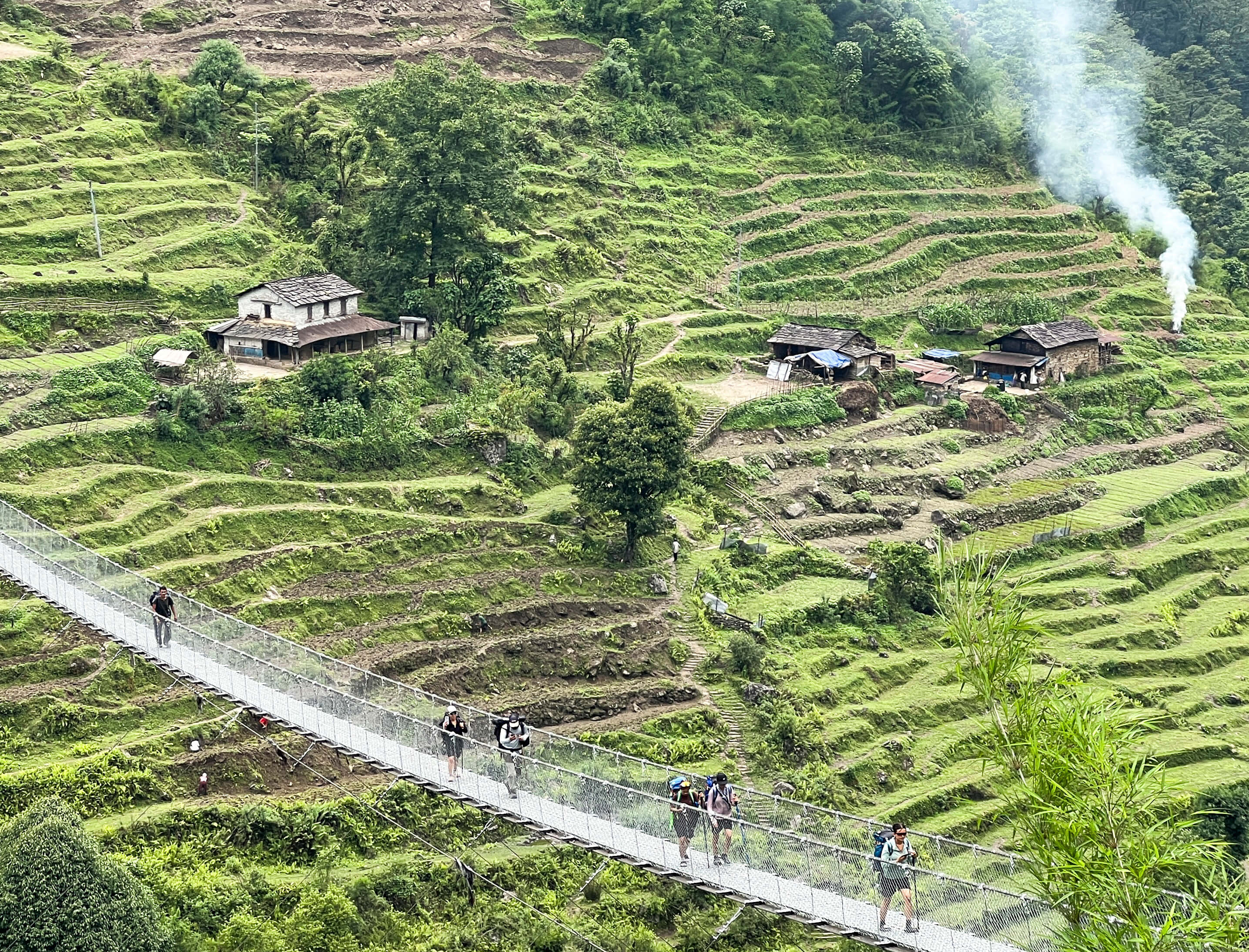
Highlights of Trekking to ABC in November
Trekking to Annapurna Base Camp in November has a unique feel hard to find in other seasons.
-
The monsoon rains are gone, so the trails are dry, firm, and much less slippery than the muddy paths in September or early October. Leeches, a problem during rainy months, are basically gone by November.
- The forests along the lower trail, especially near Ghorepani, Tadapani, and Chhomrong, still show some autumn colors. The rhododendron and oak forests look lush from recent monsoon rains but without the humidity that makes summer trekking uncomfortable.
- It’s one of the nicest times to walk in the Himalaya. November is peak season, so you’ll share the trail and teahouses with many other trekkers. Places like Machhapuchhre Base Camp (MBC) and ABC can be lively in the evenings, with full dining halls and a friendly atmosphere as people share stories over dal bhat and hot lemon tea.
- If you like that social vibe, November is perfect. If you prefer quieter, try late November or early December when it gets less busy.
- You’ll also have a better chance of seeing wildlife. It’s common to spot Himalayan langurs, and if you’re lucky and quiet, you might see a musk deer or various pheasants, including Nepal’s colorful national bird, the Danphe.
- Clear skies make sunrise and sunset at places like Poon Hill especially beautiful, with the Annapurna and Dhaulagiri ranges glowing gold and pink.
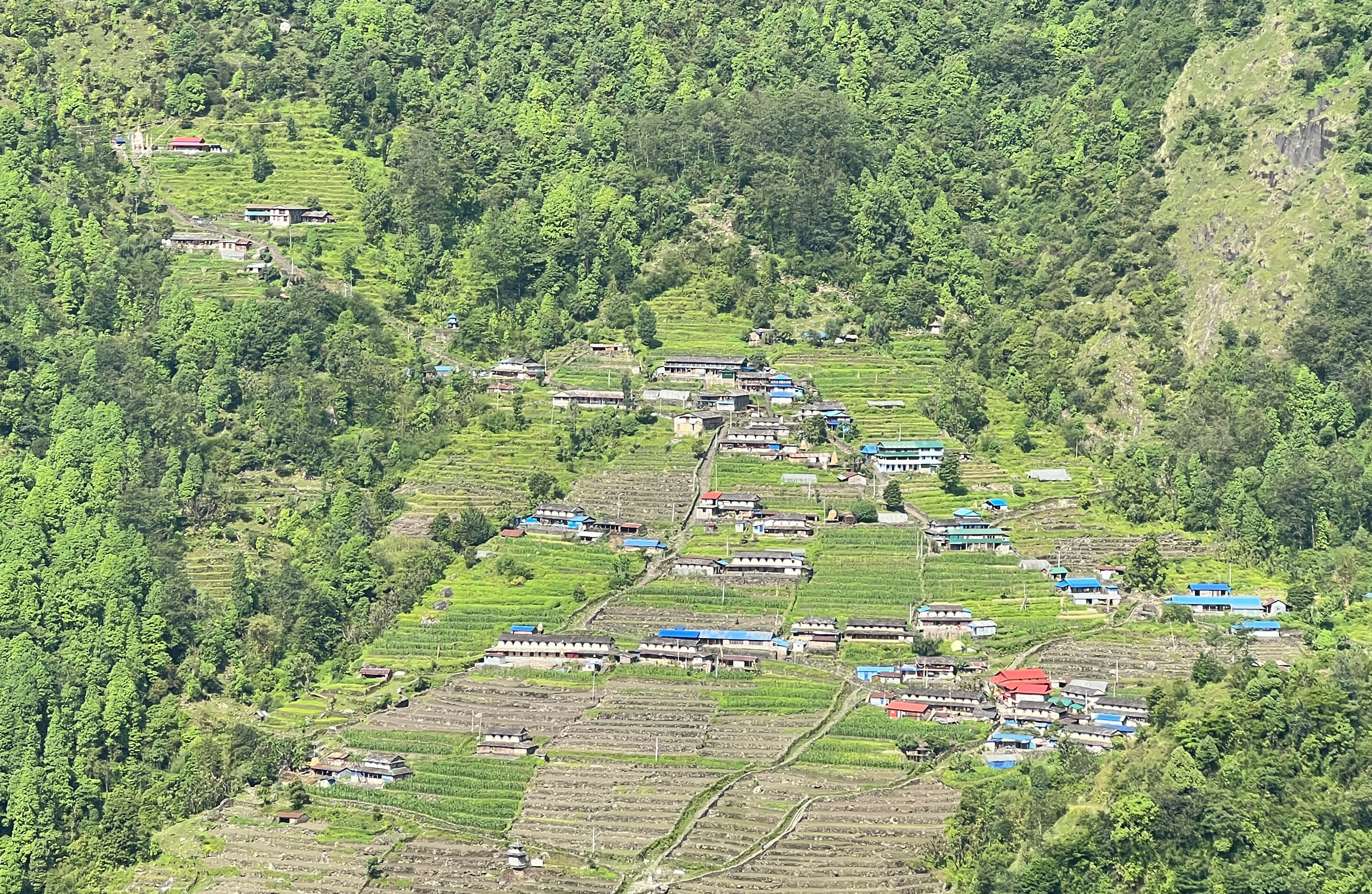
Annapurna Base Camp Trek Weather in November
Now let’s look at the weather, which is a big reason November is so popular. November is right between the end of the monsoon and the start of winter in Nepal. The monsoon usually ends by late September, and heavy winter snow doesn’t arrive until mid- or late December. This makes November a stable, dry, and predictable time for trekking.
You might get a light shower or some clouds in the valleys now and then, but long wet stretches are unusual. Humidity drops significantly compared to the monsoon, making trekking more comfortable. It’s also better for your camera gear since you won’t worry about foggy lenses when Machhapuchhre appears.
Early November feels like a continuation of autumn - mild, dry, and stable. By late November, you’ll notice the first real bite of winter, especially at higher elevations like Deurali, MBC, and ABC. Some early light snowfall can occur in the last week but rarely disrupts the trek. Wind patterns are gentler in November than the harsher gusts of December and January, making high-altitude sections more comfortable.
Clearest of the Mountain Views
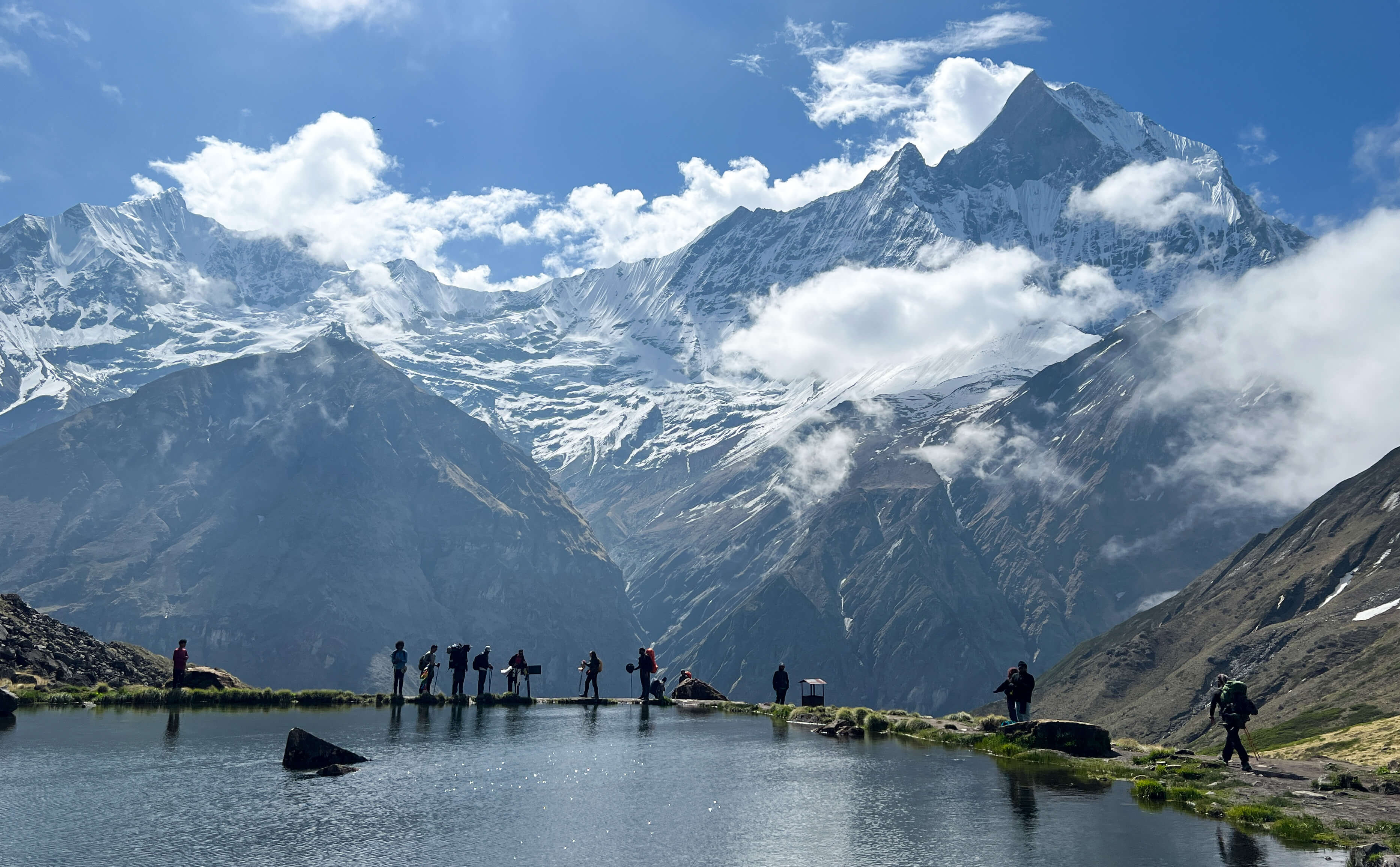
This is probably the main reason so many people choose to trek to ABC in November. Dry air, low humidity, and very few clouds mean you get some of the clearest views of the year in the Annapurna region.
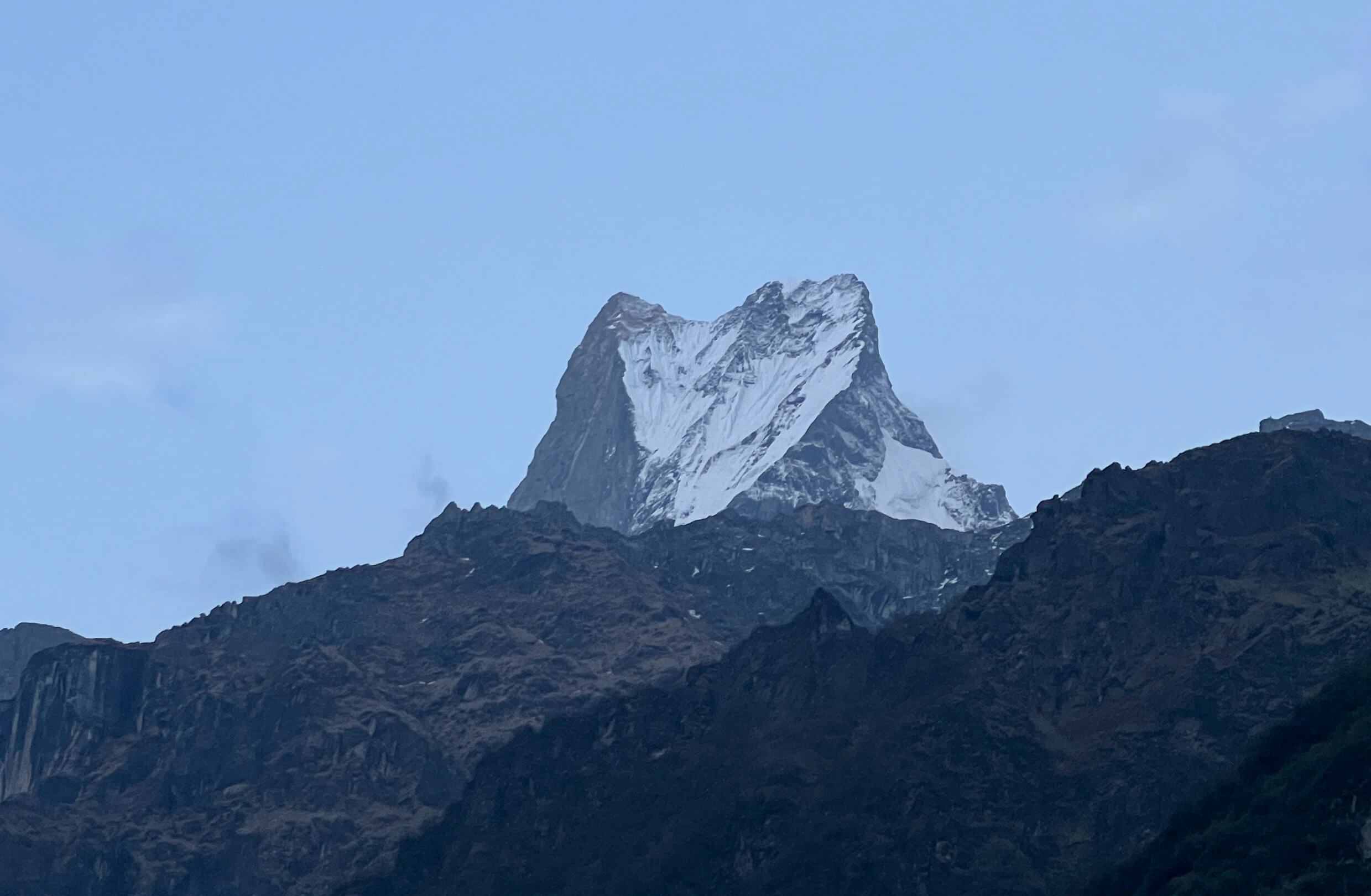
From the moment you catch your first glimpse of Machhapuchhre, the sacred “Fishtail” peak that stands out along the trek, the views are sharp and clear, making the mountains seem closer than they are. As you go higher through the Modi Khola valley toward MBC and ABC, you’ll be surrounded by a ring of peaks: Annapurna I (the world’s tenth-highest mountain), Annapurna South, Hiunchuli, Gangapurna, and Machhapuchhre, all rising dramatically before any afternoon haze or cloud buildup forms.
Mornings are better for pictures and views during November treks since skies can cloud over by early afternoon, though it rarely leads to precipitation. Poon Hill, one of Nepal’s most famous sunrise viewpoints, is especially rewarding in November. The panoramic 180-degree mountain views there are among the best anywhere in the world.
Good clear views aren’t just nice to look at - they also make trekking safer. You can see the trail, spot changes in the weather, and avoid confusion from thick clouds or fog at higher elevations.
Temperatures during the Trek
Temperatures during the ABC trek in November are, for the most part, comfortable for active trekking, though they vary widely depending on elevation and time of day.
Daytime Temperature
At lower elevations around Pokhara, Nayapul, and early villages like Tikhedhunga and Ghorepani, daytime temperatures usually range from 15°C to 20°C. It’s pleasant and sunny, so a light layer and sun protection are enough.
Bamboo, Dovan, and Himalaya pass daytime temperatures start to cool, typically around 10°C under clear skies. The sun still provides noticeable warmth, and many trekkers feel comfortable in just a fleece or light jacket while walking.
By the time you reach Deurali, Machhapuchhre Base Camp, and Annapurna Base Camp, daytime temperatures fall further, usually between 5°C and 10°C, sometimes near freezing on cloudy days. The sun feels strong at this height, so you might feel warmer than the temperature shows. When clouds appear, or the sun sets, it gets cold quickly.
Wearing layers is important: a base layer, insulated mid-layer, and windproof jacket will keep you comfortable. November trekking demands respect because the temperature swing from day to night at these altitudes is dramatic. After sunset, temperatures fall quickly, and by the later stages, the drop becomes significant.
Nighttime Temperature
In lower villages like Ghorepani or Chhomrong, November nighttime temperatures usually range from 0 °C to 5 °C. It’s cold enough to need a good sleeping bag and warm clothes in the teahouse but not dangerously cold.
Higher up, at Himalaya and Deurali, nighttime temperatures often range from -5°C to -10°C. At Machhapuchhre Base Camp and Annapurna Base Camp, the coldest parts of the trek, nights usually drop between -10°C and -15°C, sometimes even lower on clear, windless nights. Clear skies mean less cloud cover to trap heat, so it can get colder than on cloudy nights.
That’s why you need a sleeping bag rated for at least -15°C to -20°C for a November ABC trek . Teahouses at these heights are simple and usually only heated in the dining area, so rooms can get very cold. Wearing thermal base layers, a warm hat, gloves, and using a hot water bottle in your sleeping bag can make a big difference on cold nights.
Why Trekking to Annapurna Base in November is the Best
When you add everything up, it’s clear why November is often seen as the best month for the Annapurna Base Camp trek. The weather is dry and stable, with little risk of rain or storms. The mountain views are some of the clearest all year, with the Annapurna massif, Machhapuchhre, and other peaks standing out against blue skies. Daytime trekking is comfortable, and while the nights are cold, they’re manageable if you have the right gear.
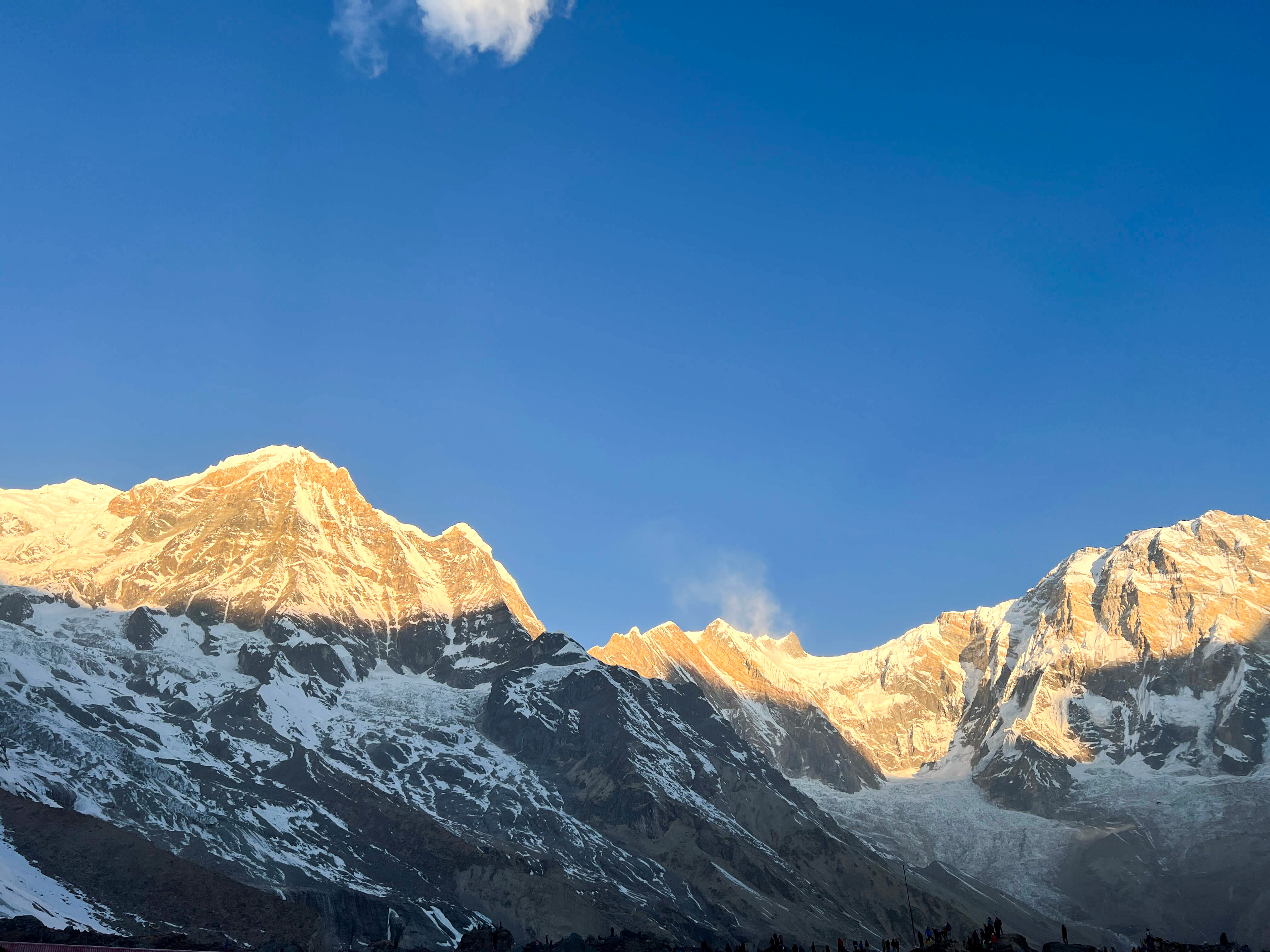
November offers a unique balance in Nepal’s trekking season. It comes after the monsoon, which clears the air and makes hillsides green, but before winter storms close trails with snow. The trails are busy, but for many trekkers, that’s part of the fun - sharing the adventure and meeting people from around the world in teahouses each night.
The visual payoff of standing at Annapurna Base Camp, surrounded by an unbroken ring of 7,000- and 8,000-meter peaks, earns November its reputation honestly. If you’re picking a single month to attempt this trek, it’s hard to argue against it.
Need Help? Call Us+977 9856073085orChat with us on WhatsApp
Latest Travel Blogs
Oct 12, 2026By ABC
Why Trek to Everest Base Camp in 2027: 10 Reasons to Go
Oct 06, 2026By ABC
Trekking the Annapurna Circuit in September
Need Help? Call Us.+977 9856073085