Why April Is Special for the Annapurna Base Camp Trek
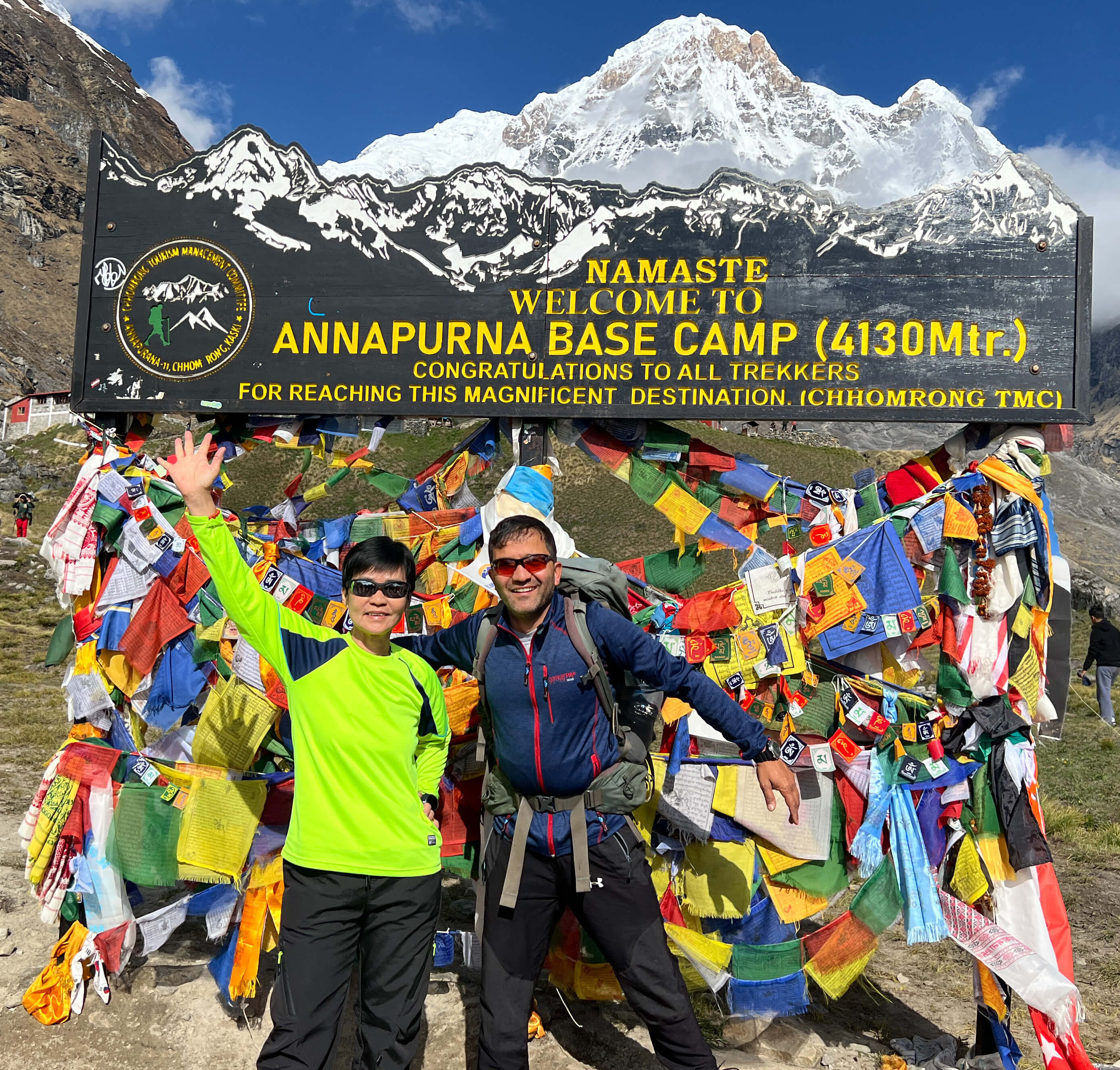
As April falls squarely in the pre-monsoon spring season in Nepal, it transforms the Annapurna region into something like postcard perfection. Daytime temperatures at lower elevations are pleasantly warm, the skies are generally clear in the mornings, and the trail comes alive with color in a way that never happens at any other time of year.
The single biggest factor that makes this trail colorful in April is the rhododendron bloom. Nepal's national flower carpets the hillsides between Ghorepani {Insert Link to the Ghorepani, Poon Hill, and Chhomrong in shades of crimson, pink, and white, turning entire forest sections into a living tunnel of blossoms. Combine that with snow-capped giants like Machapuchare (Fishtail), Annapurna South, Hiunchuli, and Annapurna I towering overhead, and you get a trekking experience that you will get nowhere at this time of the year.
April also marks the start of the peak spring trekking season, meaning teahouses are open, trails are well-maintained, and there's a lively, sociable atmosphere on the route as trekkers from around the world make their way toward the sanctuary.
Understanding the Route
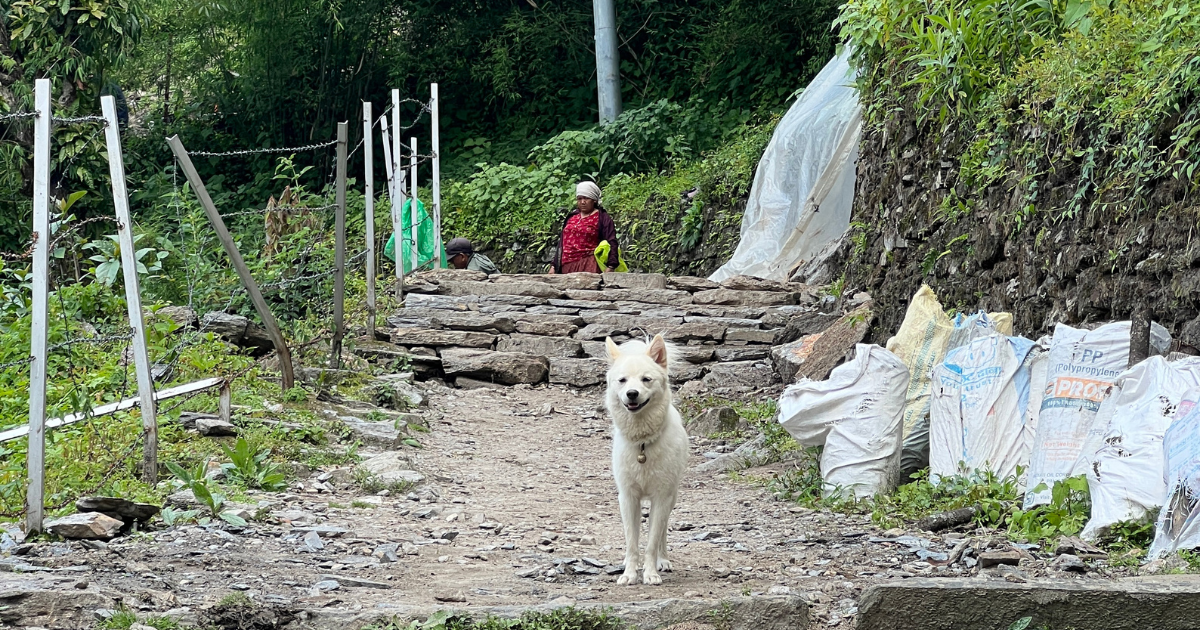
The classic ABC trek is a loop-style journey through the Annapurna Conservation Area, typically starting and ending near Pokhara. Our itineraries run between 6 and 15 days depending on your pace, starting point, and whether you include side trips like Poon Hill .
Some of the routes look like this:
- Pokhara to Nayapul/Ghandruk – the road-accessible starting point
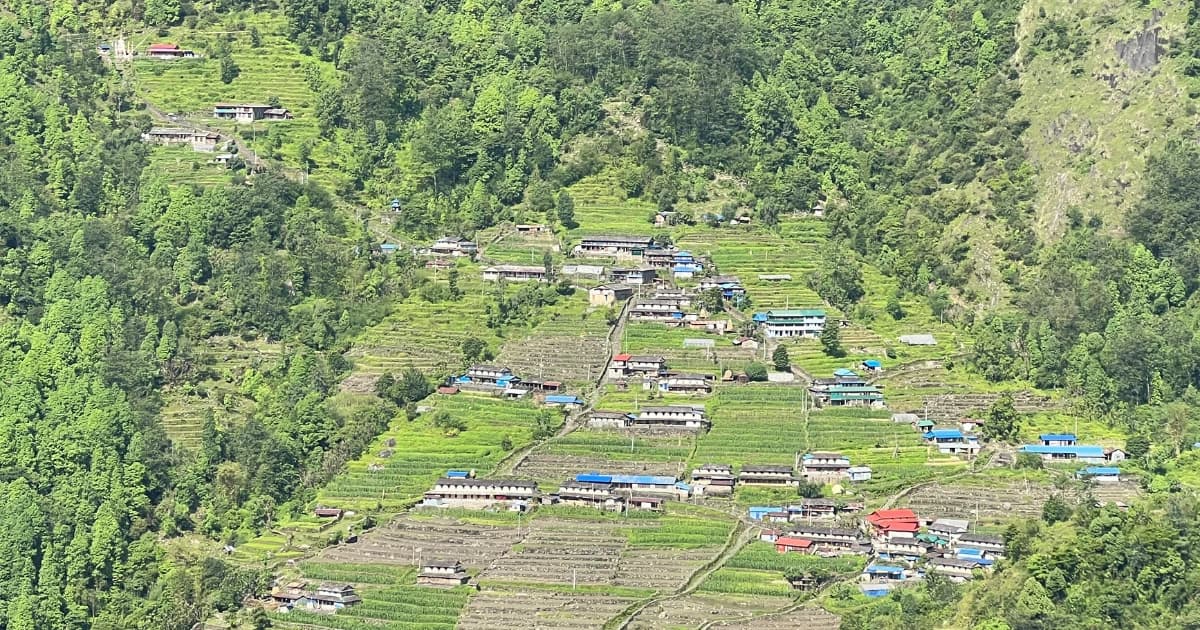
- Ghandruk or Tikhedhunga to Ghorepani – climbing through terraced farmland and forest
- Poon Hill sunrise viewpoint – an optional but highly recommended detour for panoramic sunrise views
- Ghorepani to Chhomrong – the gateway village to the inner sanctuary
- Chhomrong to Bamboo, Dovan, and Himalaya – descending into dense forest and the Modi Khola gorge.
- Deurali to Machapuchare Base Camp (MBC) – the landscape opens up dramatically.
- MBC to Annapurna Base Camp (4,130m) – the final push into the amphitheater
- Return journey, often via a different combination of villages, back to Nayapul
Each day typically involves five to seven hours of walking, with well-established teahouses offering food and lodging along the entire route, so there's no need to carry camping gear.
Weather and Trail Conditions in April
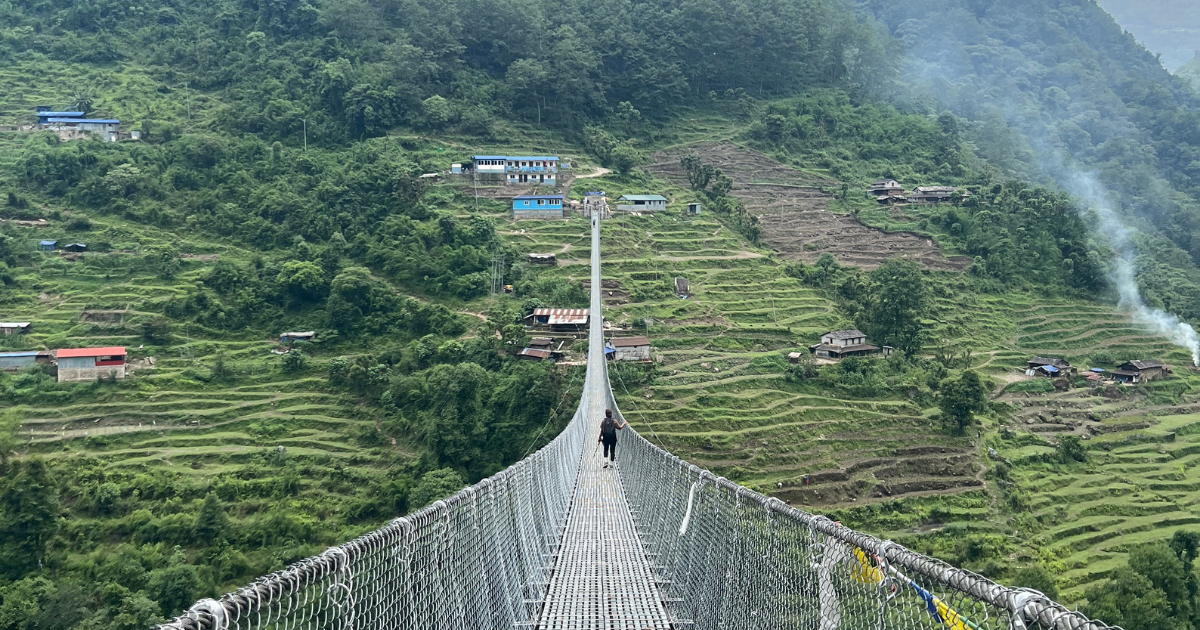
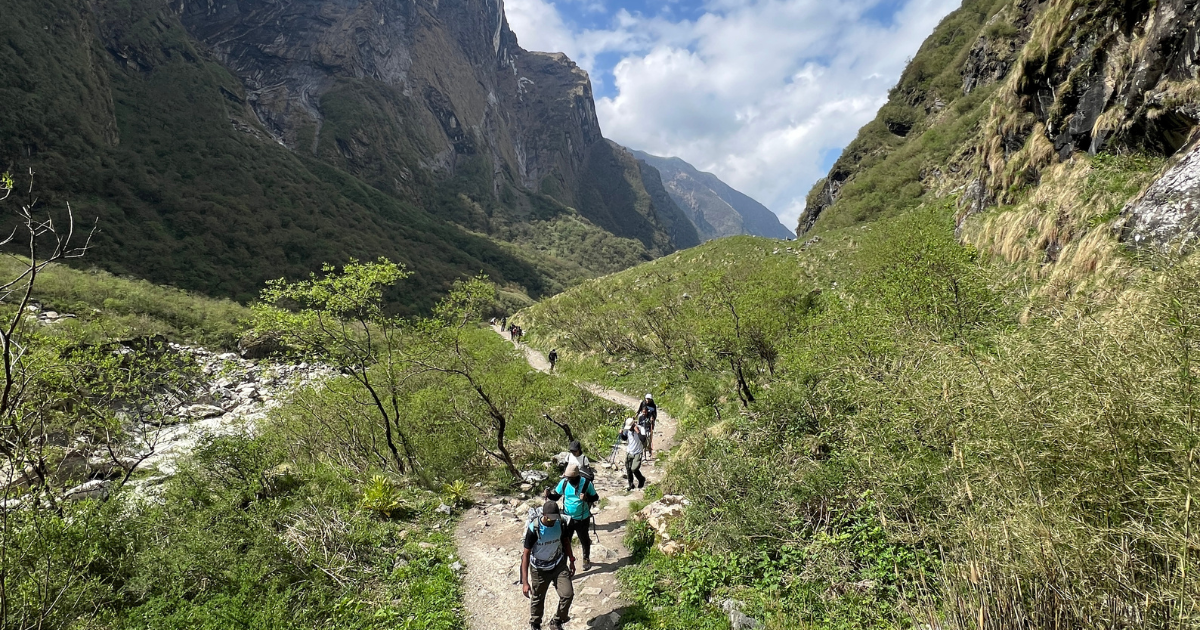
The weather conditions on the ABC trekking route in April are generally favorable, but it is always good to understand the nuances of a Himalayan spring.
- Lower elevations (Pokhara, Ghandruk, Chhomrong): Daytime temperatures often reach 20-25°C, making the lower stretches of the trek warm and comfortable, sometimes even hot during midday walking.
- Mid elevations (Bamboo to Deurali): Expect cooler, moister forest conditions. Afternoon clouds build up regularly, and light rain showers are common, particularly as the month progresses toward May.
- High elevations (MBC and ABC): Nights can still drop below freezing, with temperatures sometimes falling to -5°C or lower. Mornings at Annapurna Base Camp are crisp and often the clearest time of day for views, before afternoon cloud cover rolls in.
One thing to keep in mind is that April afternoons frequently bring haze or cloud buildup, especially at lower elevations, which can disturb long-distance mountain views later in the day. The early morning hours consistently offer clear skies and mountain views. These weather characteristics make sunrise viewpoints like Poon Hill and ABC great highlights.
Trail conditions are generally excellent in April. Winter snow has largely melted from the lower and middle sections, though you may still encounter patches of snow on the final approach to ABC, particularly in the first half of the month.
What to Pack for the Adventure
Layering is the golden rule for an April trek, given the wide temperature swing between the valley floor and the base camp. You can check our detailed packing list , but here are a few things in brief.
- Base layers: moisture-wicking thermal tops and bottoms
- Insulation: a fleece or down mid-layer, plus a warmer down jacket for evenings at altitude
- Outer shell: a waterproof, windproof jacket for afternoon showers and wind near ABC
- Legwear: breathable trekking trousers, with thermal leggings for cold nights
- Footwear: broken-in, waterproof trekking boots and comfortable camp shoes
- Accessories: sun hat, warm hat, gloves, buff or scarf, sunglasses with strong UV protection, and a headlamp
- Sun protection: high-SPF sunscreen and lip balm, since UV exposure is intense at altitude even on cloudy days
- Other essentials: a 4-season sleeping bag (rated to at least -10°C), trekking poles, a basic first-aid kit, water purification tablets or a filter, and a dry bag or pack liner for the occasional spring shower
Because rhododendrons and clear morning skies make this one of the most photogenic treks in Nepal, it's also worth bringing extra memory cards or a portable charger for your camera or phone.
Altitude and Physical Preparation
Annapurna Base Camp sits at 4,130 meters, which is high enough that altitude sickness is a genuine consideration, even though the trek is often marketed as moderate rather than extreme. The relatively rapid ascent on some itineraries means it's important to:
- Stay well hydrated throughout the day.
- Ascend gradually where the itinerary allows
- Watch for symptoms like persistent headache, nausea, dizziness, or unusual fatigue.
- Avoid alcohol at higher elevations.
- Consider a rest or acclimatization day if your schedule permits.
Physically, the ABC trek is considered moderate in difficulty. You don't need mountaineering experience, but a reasonable baseline of cardiovascular fitness makes a real difference, especially on the long uphill stretches between Chhomrong and Sinuwa, and the final approach from MBC to ABC. Training with hikes, stair climbing, or long walks with a loaded backpack in the weeks before your trip is a smart investment.
April is peak season, which means the trail and teahouses will be busier than in the shoulder months. Popular stops like Ghorepani and Chhomrong can fill up quickly, so booking accommodations a day in advance through your guide, or arriving reasonably early at each stop, helps secure a good room.
Highlights along the Trail
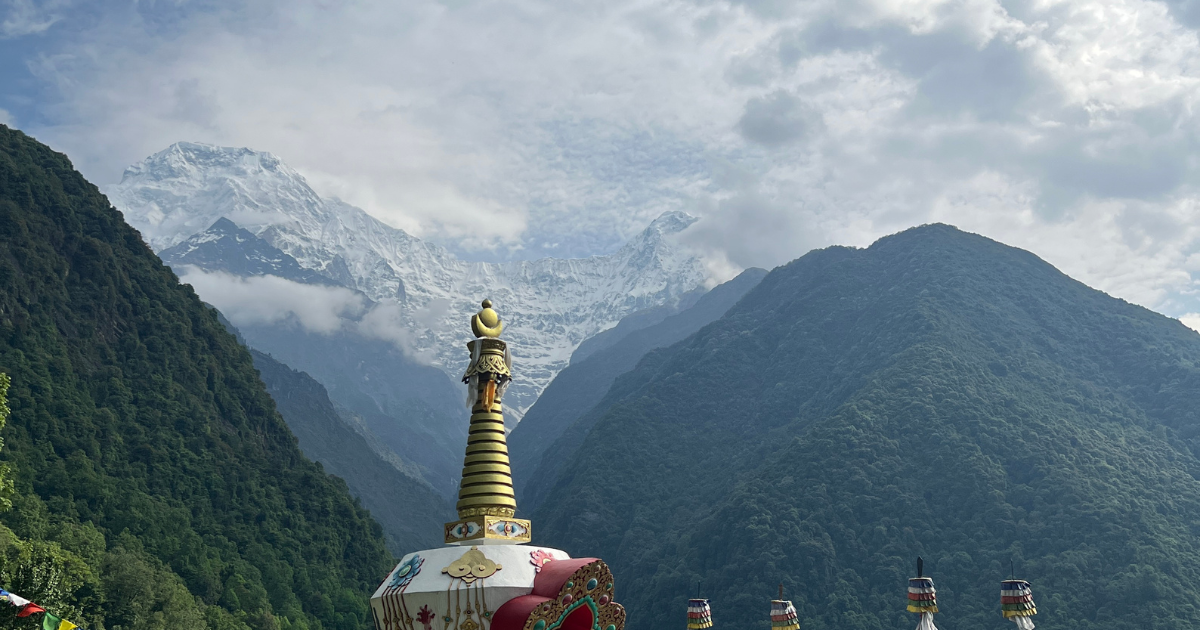
Beyond the base camp itself, a few moments consistently stand out for trekkers doing this route in April:
- Sunrise at Poon Hill, with the full Annapurna and Dhaulagiri ranges lit up in gold and pink.
- Walking through blooming rhododendron forests between Ghorepani and Tadapani
- Arriving at Machapuchare Base Camp, where the sacred, unclimbed Fishtail peak looms directly overhead
- The final stretch into ABC, where the trail opens into a vast glacial bowl surrounded on all sides by towering peaks
- Hot springs at Jhinu Danda, a welcome stop for tired legs on the return journey
The Annapurna Base Camp Trek in April offers a compelling combination of accessible difficulty, spectacular scenery, and comfortable trekking conditions, all wrapped in the vivid colors of Nepal's spring bloom. Clear morning skies, blooming rhododendrons, and the awe-inspiring amphitheater of peaks at the base camp itself make it an unforgettable experience for both first-time Himalayan trekkers and seasoned hikers alike.
Pack smart, prepare for a range of temperatures, respect the altitude, and listen to the guide’s instructions, and you'll have everything you need for one of the most rewarding treks in the world.
Let us know if you want to trek to the Annapurna Base Camp in April.