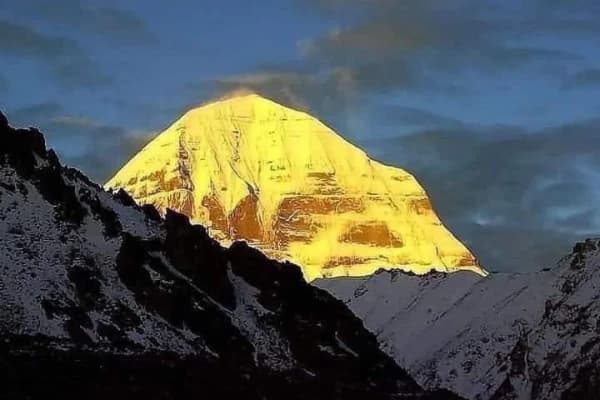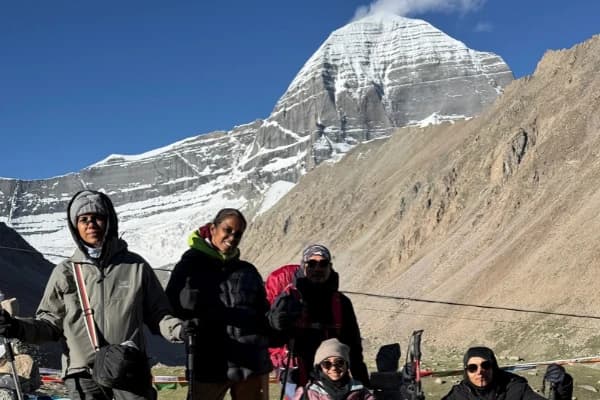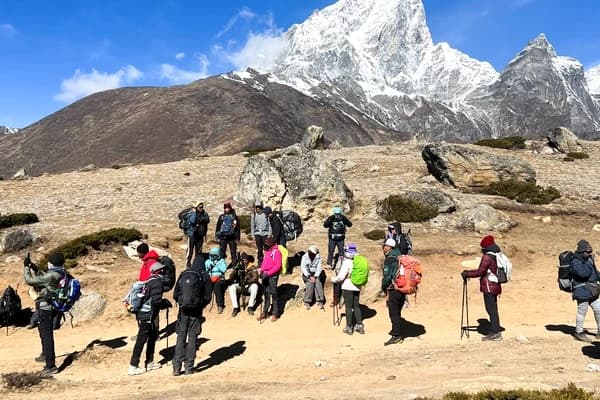
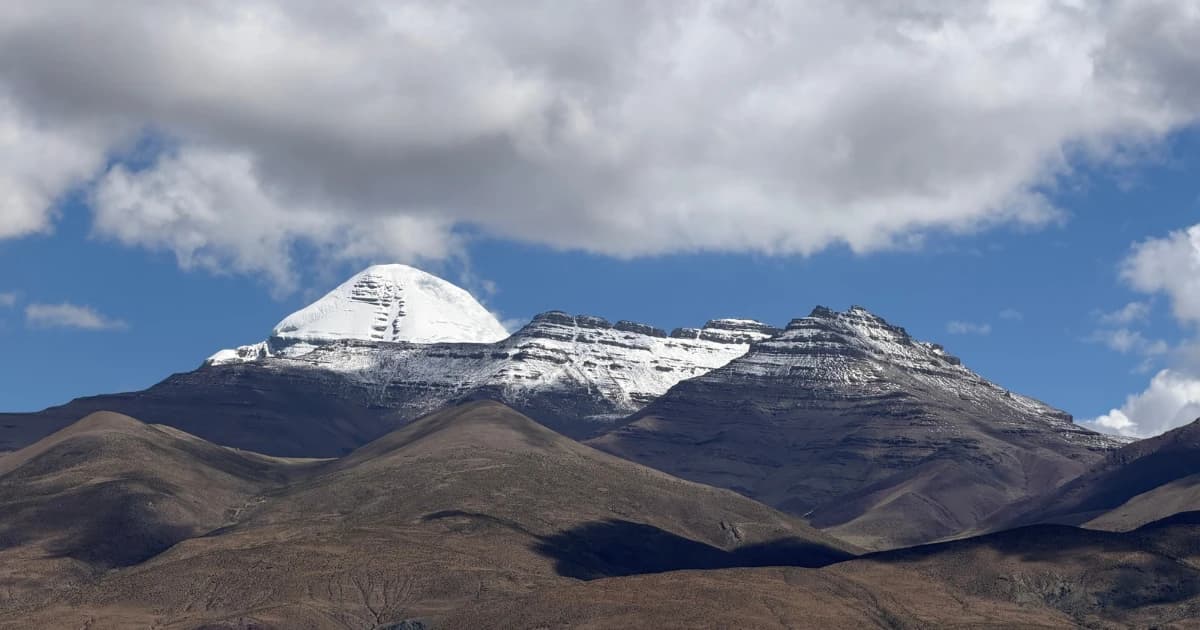
Some journeys are about ticking off a place. The Kailash Manasarovar Yatra is not one of them. It's the kind of trip people plan for years, talk about in hushed, reverent tones, and remember long after the jet lag has faded. Mount Kailash is sacred to Hindus, Buddhists, Jains and followers of the Bon tradition, and Lake Manasarovar lies at its feet.
If you're thinking about making the pilgrimage in 2027, the Lhasa route is one of the most thoughtful ways to do it. This guide walks you through the 15-day itinerary, the route, the permits and the practical bits you should know before you commit.
Why go for Kailash Manasarova Yatra via Lhasa in 2027?
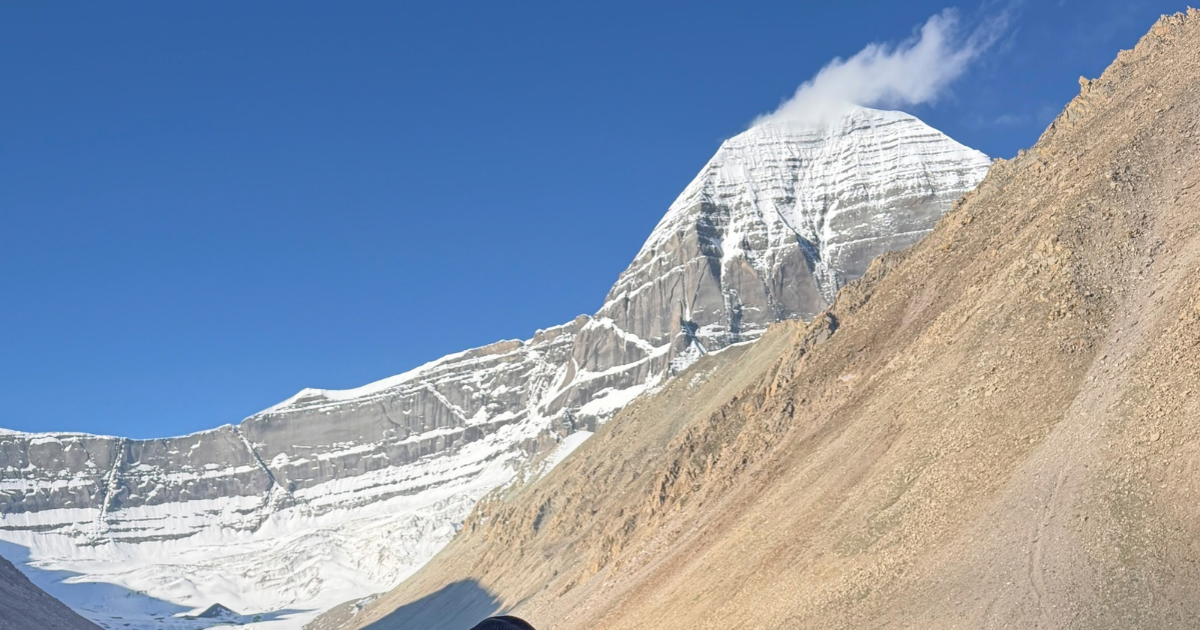
The Lhasa route is chosen mainly for your body: it lets you climb in stages instead of jumping straight to the heights.
Kailash sits high, and the trek crosses a pass at about 5,630m. You go from Kathmandu at 1,400m to Lhasa at about 3,650m, then slowly up through Shigatse and Saga, and only then to Lake Manasarovar at around 4,558m. By the time you start walking around the mountain, you've spent more than a week getting used to the thin air.
The route also lets you see Tibet properly. The Potala Palace, Jokhang Temple, Barkhor Market and Tashilhunpo Monastery come as part of the journey rather than as an afterthought. For pilgrims who want a spiritual experience and a real look at Tibetan culture and landscape, it's a well-balanced choice.
Trip Snapshot
The trip runs 15 days from Kathmandu back to Kathmandu, reaches 5,630m at its highest, and is graded challenging.
| Item | Detail |
| Duration | 15 days, Kathmandu to Kathmandu |
| Grade | Challenging |
| Maximum altitude | About 5,630m (Dolma La Pass) |
| Best season | May to September |
| Group size | Up to around 40 people |
| Activities | Pilgrimage, sightseeing, three-day trek (kora) |
| Indicative price | From US$2,700 per person for groups of six or more; slightly higher for smaller groups |
The 15-Day Itinerary at a Glance
The journey flies into Lhasa, drives west in stages to Manasarovar and Darchen, walks the three-day kora, then retraces the road home.
Day |
Plan | Altitude |
| 1 | Arrive in Kathmandu; briefing on permits, packing and what to expect | 1,400m |
| 2 | Kathmandu sightseeing, with puja at Pashupatinath | 1,400m |
| 3 | Fly Kathmandu to Lhasa; free afternoon to adjust | 3,650m |
| 4 | Lhasa sightseeing: Potala Palace, Jokhang Temple, Barkhor Market | 3,700m |
| 5 | Drive Lhasa to Shigatse; visit Tashilhunpo Monastery | 3,840m |
| 6 | Drive Shigatse to Saga along the Friendship Highway | 4,450m |
| 7 | Drive Saga to Lake Manasarovar (long driving day) | 4,558m |
| 8 | Full day at Manasarovar, then short drive to Darchen | 4,670m |
| 9 | Trek day 1: Darchen to Dirapuk | 4,920m |
| 10 | Trek day 2: Dirapuk to Zuthulpuk, crossing Dolma La Pass | 4,790m (pass about 5,630m) |
| 11 | Trek day 3: Zuthulpuk to Darchen | 4,670m |
| 12 | Drive Darchen to Shigatse | 3,800m |
| 13 | Drive Shigatse to Lhasa | 3,650m |
| 14 | Fly Lhasa to Kathmandu; farewell dinner | 1,400m |
| 15 | Departure day | 1,400m |
Understanding the Route Map
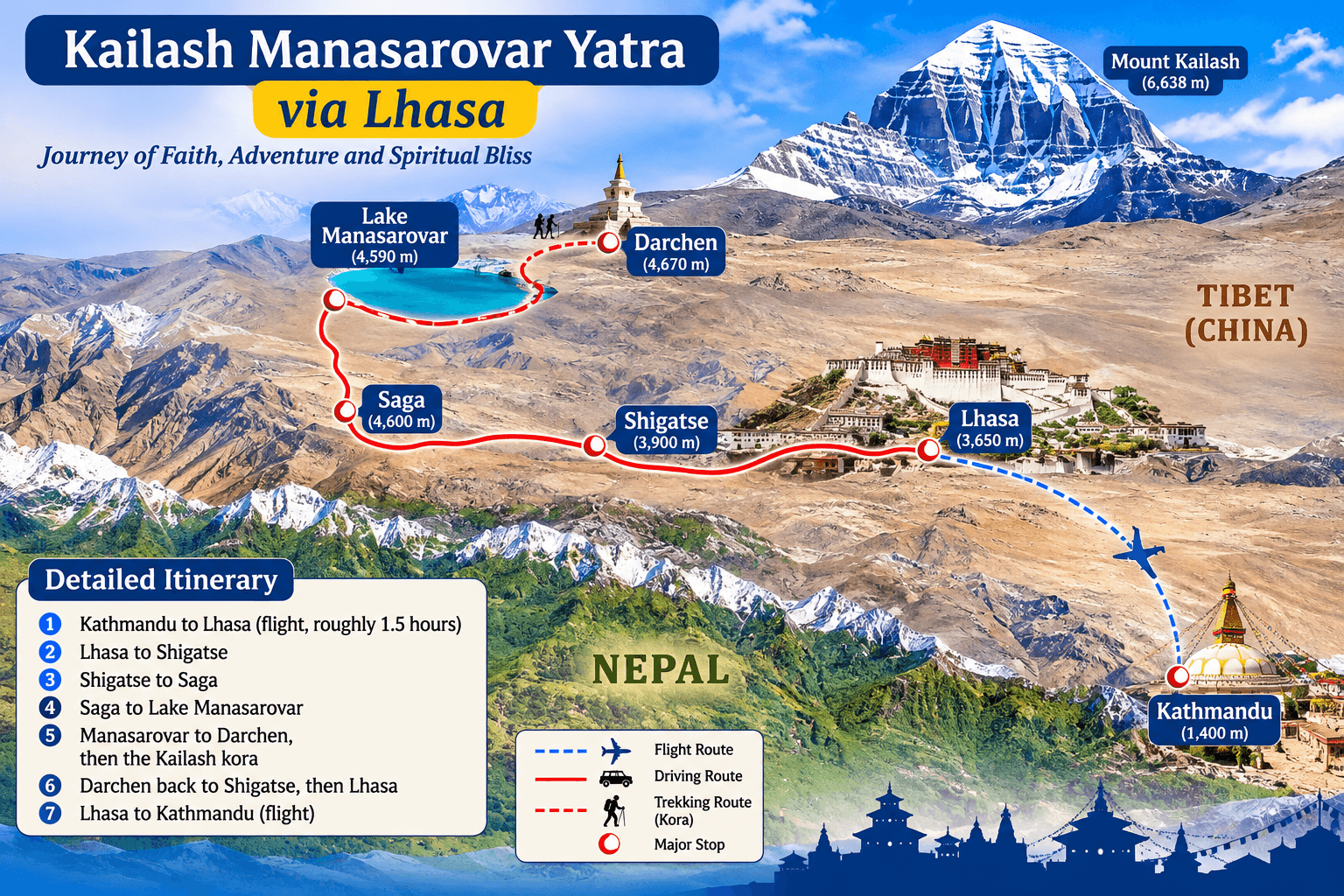
The route is one big arc: out to the west, then back along the same road.
- Kathmandu to Lhasa (flight, roughly 1.5 hours)
- Lhasa to Shigatse
- Shigatse to Saga
- Saga to Lake Manasarovar
- Manasarovar to Darchen, then the Kailash kora
- Darchen back to Shigatse, then Lhasa
- Lhasa to Kathmandu (flight)
The overland stretch follows the Friendship Highway for much of the way, past river valleys, high passes, turquoise lakes, grazing yaks and the occasional nomad camp. Driving days are long. The approach to Manasarovar covers roughly 450 to 500 km in a day, and the return from Darchen to Shigatse is around 510 km. Bring patience, snacks and a quiet mind.
The altitude profile climbs steadily, with only small dips, up to Manasarovar and Darchen. It peaks at Dolma La on the second trekking day, then slides down as you head back to Shigatse and Lhasa. The operator's page includes a route map and altitude chart worth studying, since seeing the climb makes the acclimatization logic obvious.
The Kailash Kora: The Three-Day Trek
The parikrama is a 52 km walk around the mountain, done over three days, and it is the emotional centre of the whole journey. Pilgrims believe completing it purifies a lifetime of mistakes.
- Day one (Darchen to Dirapuk): about 20 km, with a short drive to the trailhead, a gentle walk into the Lha Chu valley, and the mountain's west and north faces gradually revealing themselves.
- Day two (Dirapuk to Zuthulpuk): roughly 22 km and 9 to 11 hours on the trail, including the crossing of Dolma La at about 5,630m. It is tough, and it is the moment people remember most.
- Day three (Zuthulpuk to Darchen): a short, easier finish of about 8 km on foot plus a brief drive.
You can hire ponies and porters if you need support, though this is an added cost and not part of the base package. Most reasonably fit pilgrims manage with steady pacing, good guidance and determination. No one is allowed to climb Kailash itself; devotion is expressed by walking around it.
Lake Manasarovar: A Day to Slow Down
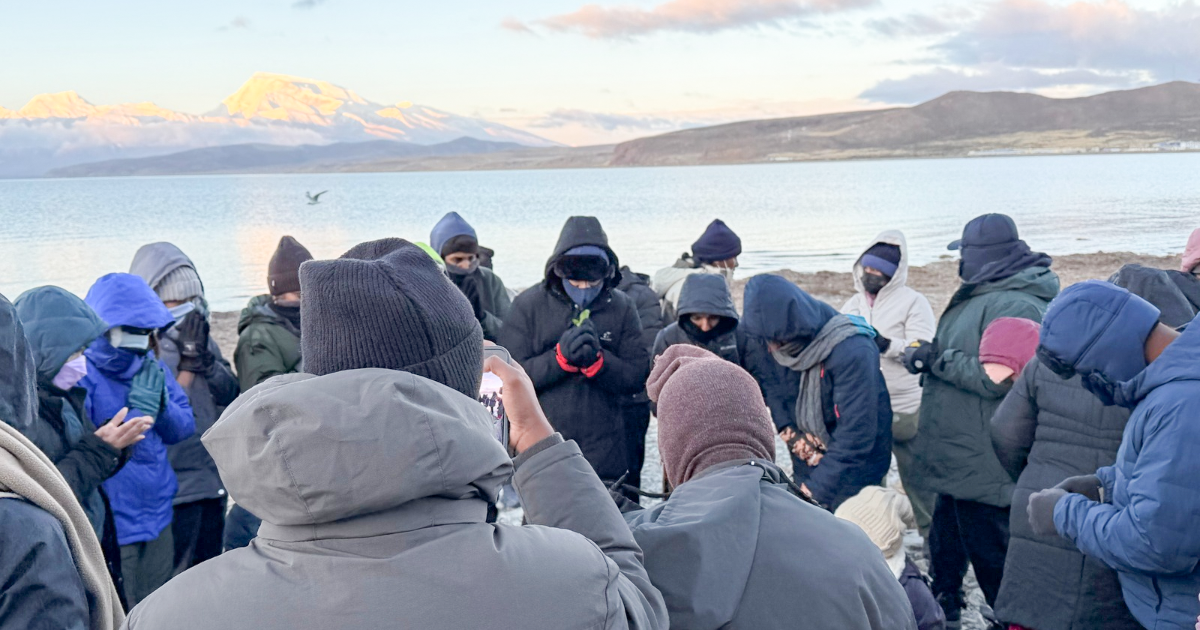
After days on the road, the stop at Lake Manasarovar feels like exhaling. Pilgrims call it the "lake of the mind," and it is considered one of the holiest freshwater lakes in the world.
Many pilgrims set aside the morning for prayer, meditation and ritual. On this itinerary the ritual wash is done on the shore with a bucket, since swimming or dipping in the lake is prohibited. If the weather cooperates, you may catch Kailash reflected across the water at dawn. People who have seen it often struggle to describe it, so don't be surprised if you end up sitting there in silence.
Permits and Travel Documents
You can't travel to western Tibet on your own: every permit is arranged through an authorized tour operator, and you travel as part of a group.
The route requires a Tibet Travel Permit, a Chinese group visa for foreign and Indian nationals entering via Nepal, and additional permits for the restricted Kailash and Manasarovar area. On the itinerary referenced here, these permit and visa charges are included in the package price.
- Passport: it needs to be valid well beyond your travel dates. Check this first.
- Medical certificate: a fitness certificate from a registered physician is mandatory to obtain the Tibet Travel Permit.
- Age and health: recommended for people 18 and over who are physically fit and have no serious health conditions.
- Timing: start early. Rules and processing times can change, so confirm current requirements with your operator before booking.
- The Nepal visa fee, international flights to Kathmandu and travel insurance for Nepal are usually separate costs.
What's Included, and What Isn't
Our Yatra package covers most logistics in Tibet, but several personal costs are yours.
- Typically included: Kathmandu hotel nights, Kathmandu to Lhasa and back flights, private transport, permits and visa, Tibet travel insurance, Lhasa and Shigatse sightseeing, accommodation, vegetarian meals during the Tibet portion, an English-speaking guide, field staff, basic gear (trekking pole, duffel bag, sleeping bag, to be returned after the trip), and supplementary oxygen and first-aid supplies.
- Typically not included: international airfare to Kathmandu, personal expenses, drinks beyond tea and coffee, porter or pony hire during the kora, tips, and some meals in Kathmandu.
Read the inclusions and exclusions line by line before booking any pilgrimage.
Preparing Your Body and Your Mind
The most common mistake is underestimating this trip. It is a pilgrimage, but also a high-altitude trek with long travel days and simple accommodation. Here's a helpful preparation tips prior the trip.
- Start training two to three months ahead. Regular walking, stair climbing or light cardio makes a real difference.
- See your doctor. This matters especially if you have heart, lung or blood pressure concerns.
- Respect the altitude. Drink plenty of water, move slowly in the first days, and skip alcohol.
- Pack smart. Warm layers, a windproof jacket, sturdy trekking shoes, sun protection, trekking poles and any personal medication. Nights are cold even in summer.
- Lower your expectations of comfort. Guesthouse rooms can be basic, and some nights are spent in shared or dormitory-style spaces.
Your guide will monitor the group, and the itinerary builds in rest and acclimatization, but you know your body best. Speak up early if something feels off.
Best Time to Go in 2027
The yatra generally runs from May to September, when roads are open and the weather is most reliable. Days can be bright and sunny, but nights get cold at altitude. Group departures are scheduled within this window, so book several months ahead, especially if you want a specific date.
Is this Yatra Right for You?
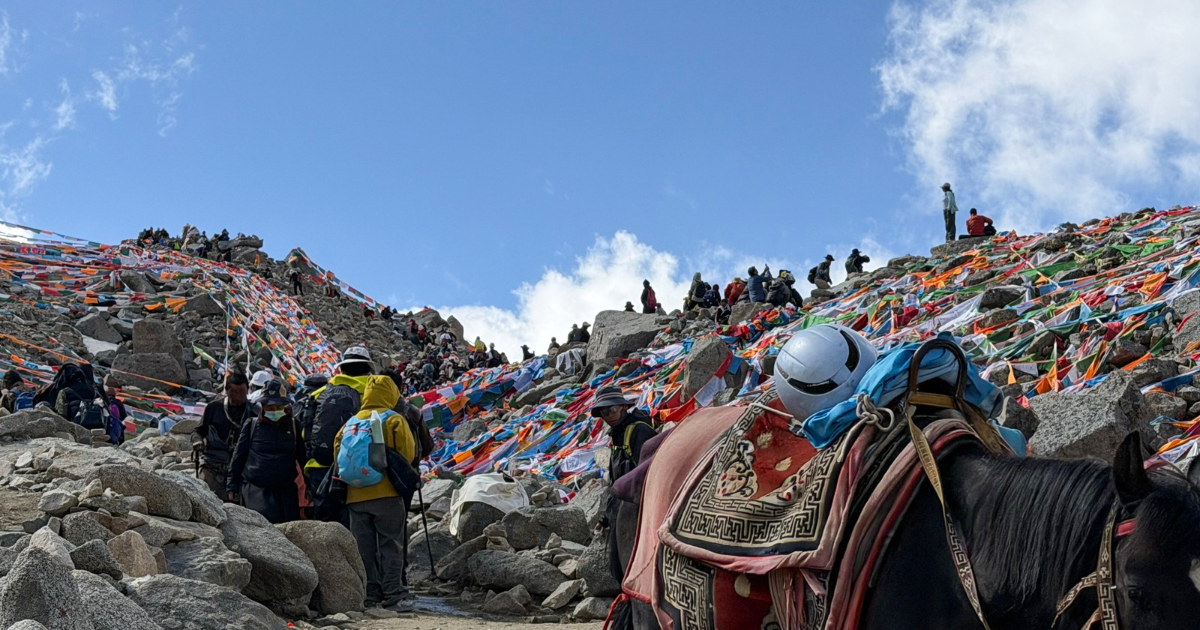
It suits devotees, spiritual seekers, trekkers who want meaning behind the miles, and travellers drawn to Tibetan culture, provided they are in decent health and comfortable with long drives, simple lodging and early starts.
It may not suit you if you want luxury, have serious cardiac or respiratory conditions, or can't tolerate unpredictability. Weather, road conditions and permits can all affect plans.
For many people, the hardest parts of the trip, like the climb to Dolma La, are exactly what they remember most fondly afterward.The Kailash Manasarovar Yatra via Lhasa in 2027 is less a holiday than a slow, deliberate walk toward something larger than yourself.
The itinerary is designed so your body adapts and your mind settles, so that by the time you stand beneath Kailash, you're ready for it.
If you're considering 2027, start early: talk to your doctor, check your passport, compare operators carefully, and book a departure that leaves plenty of time to prepare.