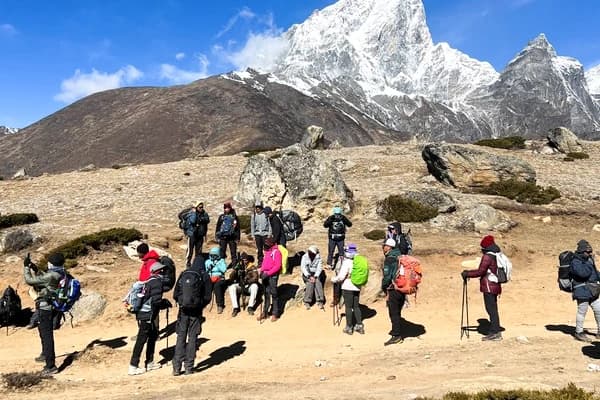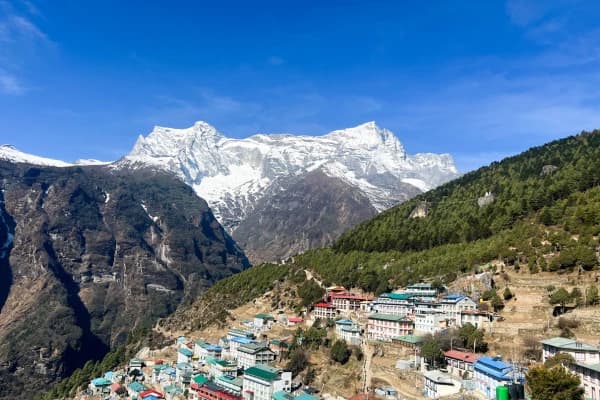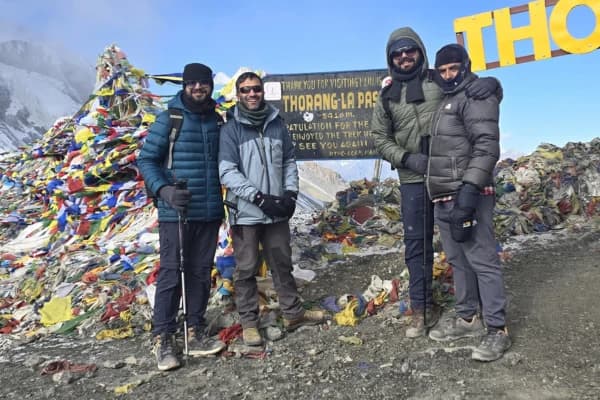
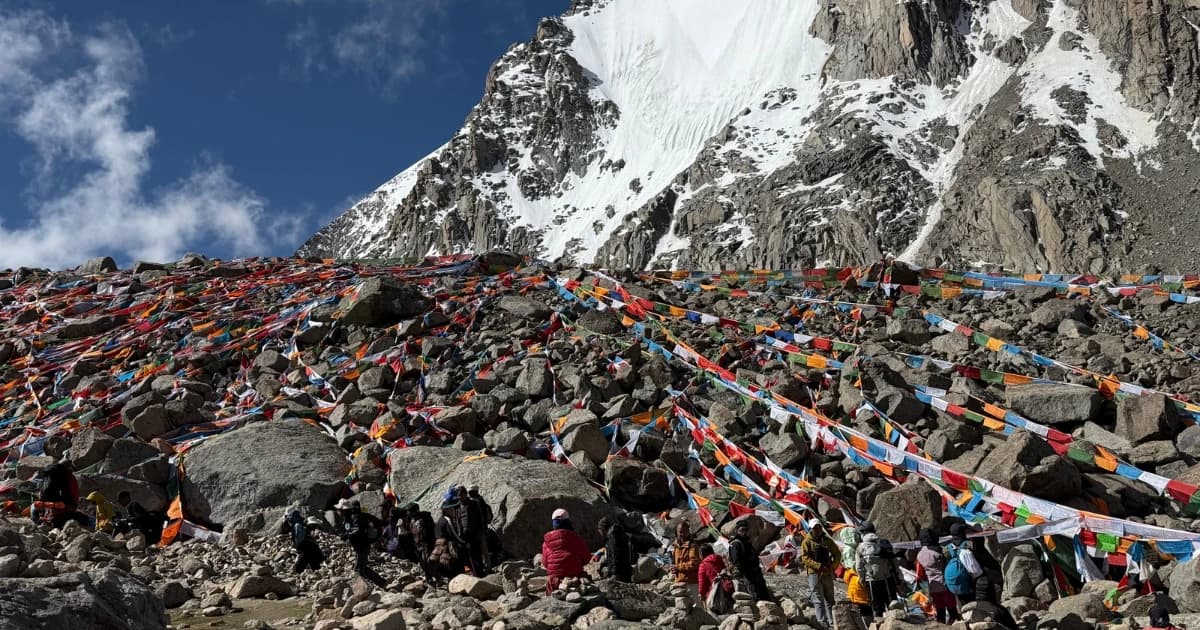
Some journeys start the moment you decide to take them. For many people, the Kailash Manasarovar Yatra begins long before the plane lands in Kathmandu, in the quiet moment when you realize you want to walk around a mountain that millions of pilgrims across four faiths consider sacred. If 2027 is your year, for Kailash Manasarovar Yatra, you're in good company and this preparation guide can be a huge help. That matters, because this isn't a trip you can sort out in a weekend.
Here is a detailed information on what you should do and know before going on the trip.
Why 2027 is a Good Year to go?
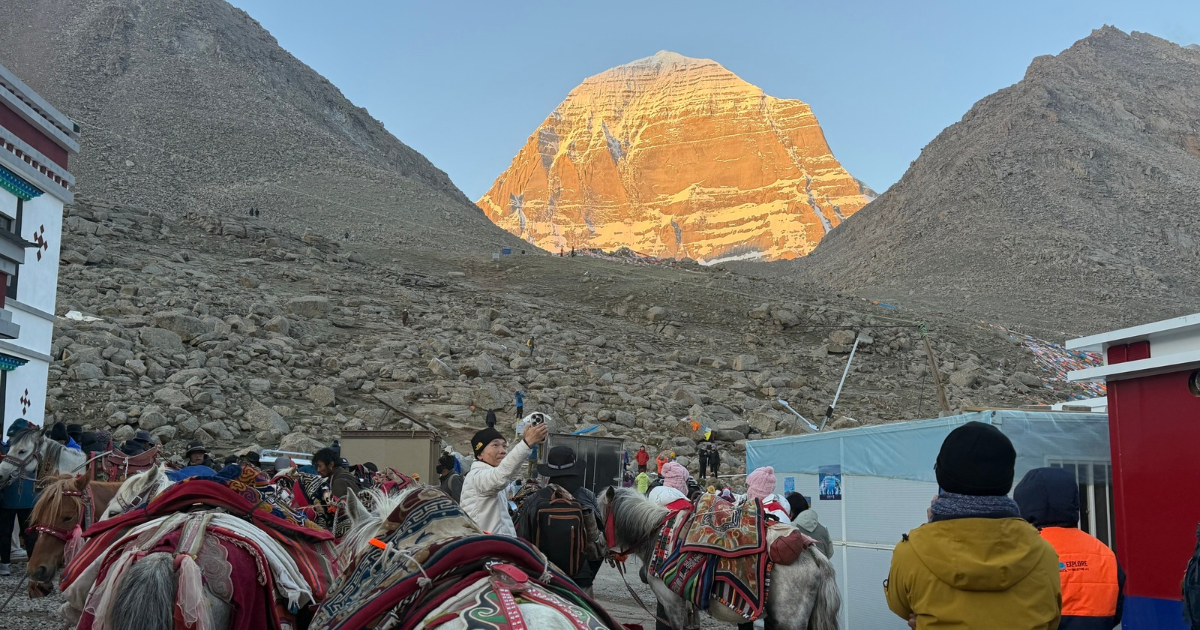
The Nepal-to-Tibet route reopened in 2025 after a five-year closure. The year 2027 is the third consecutive season for the yatra since the reopening. In plain terms, the early uncertainty has mostly settled. We know the route, and the logistics are better rehearsed.
The flip side is demand. Some operators reported record global interest in 2026, with many selling out months ahead. Since it's late October 2026 as we write this, the sensible time to start planning for the yatra is now.
If you searching for reasons to visit Mount Kailash, please read this article Why you should visit Kailash at least once in your lifetime .
Pick Your Season First
The yatra season generally runs from May to September, with some departures stretching into October. Each stretch has its own character:
- May and early June: Cooler, with clear skies and fewer crowds, though nights are properly cold.
- July and August: Warmer on the plateau, but the monsoon can disrupt roads and flights on the Nepal side.
- September: Crisp air and good visibility, and often a very rewarding time for the kora.
There's no perfect month. Choose the one that fits your fitness, your tolerance for cold, and your calendar.
Choose Your Route and Pace
Most international pilgrims travel via Kathmandu. From there you have a few options:
- Overland through Kerung/Gyirong: The classic road journey, which lets your body adjust to altitude gradually. But after the August 2026 flood, the route is closed for now.
- Fly-in options: Faster, but a quicker climb means a harder time acclimatizing. Don't treat the shorter itinerary as the easier one.
- Helicopter-supported packages: Useful for people with limited time or mobility, though the Kailash kora itself is still demanding.
We advise is to pick the slower itinerary. Extra days at altitude are the best insurance you can buy.
Understand the Paperwork Early
Tibet is a restricted region, so you can't simply buy a ticket and show up. Plan for several layers of documentation:
- Chinese group visa, which is typically arranged through your tour operator and the Chinese Embassy in Kathmandu.
- Tibet Travel Permit, issued by the Tibet Tourism Bureau and required to enter the Tibet Autonomous Region.
A passport valid for at least six months beyond your travel dates, with spare blank pages.
Don't underestimate processing time. We will do all the processing for the paperworks. Rules also shift from year to year. Treat anything you read, including this guide, as a starting point and confirm current rules with your operator close to departure.
We will send you a detailed information on what are needed for the Tibet visa and permit works once you are ready to sign up for the trip.
Choosing a Tour Operator You Can Trust
Independent travel to Kailash isn't permitted, so your operator is effectively your lifeline. Before paying a deposit, ask:
- How many Kailash departures have you personally run since 2025?
- Who handles permits, and what happens if one is delayed?
- What is the group size, and how many guides and Sherpas travel with us?
- Is oxygen available in the vehicles and at key camps?
- What is the refund policy if permits or borders change?
As an experienced operator, we take all small things into consideration to ensure your safety and comfort.
Get Your Body Ready
You don't need to be an athlete, but you do need to be fit. The numbers are sobering: Darchen sits around 4,670 meters, and the Dolma La pass on the kora tops 5,600 meters. Mount Kailash itself rises to 6,638 meters, and the full circuit is roughly 52 kilometers over three days.
A realistic training plan looks like this:
- Cardio, 4 to 5 days a week: Brisk walking, cycling, swimming, or stair climbing, building to 60 to 90 minutes.
- Weekend hikes with a loaded daypack: Gradually extend the distance and add elevation.
- Leg strength work: Squats, lunges, and step-ups help your knees on the long descents.
- Breathing practice: Slow, deliberate breathing becomes surprisingly useful at altitude.
Visit your doctor at least two or three months before departure. Heart, lung, blood pressure, and diabetes conditions all deserve a frank conversation.
Ask about altitude medication such as acetazolamide too, and don't assume you can pick that up casually on the road.
Respect the Altitude : AMS Risks During Kailash Manasarovar Yatra
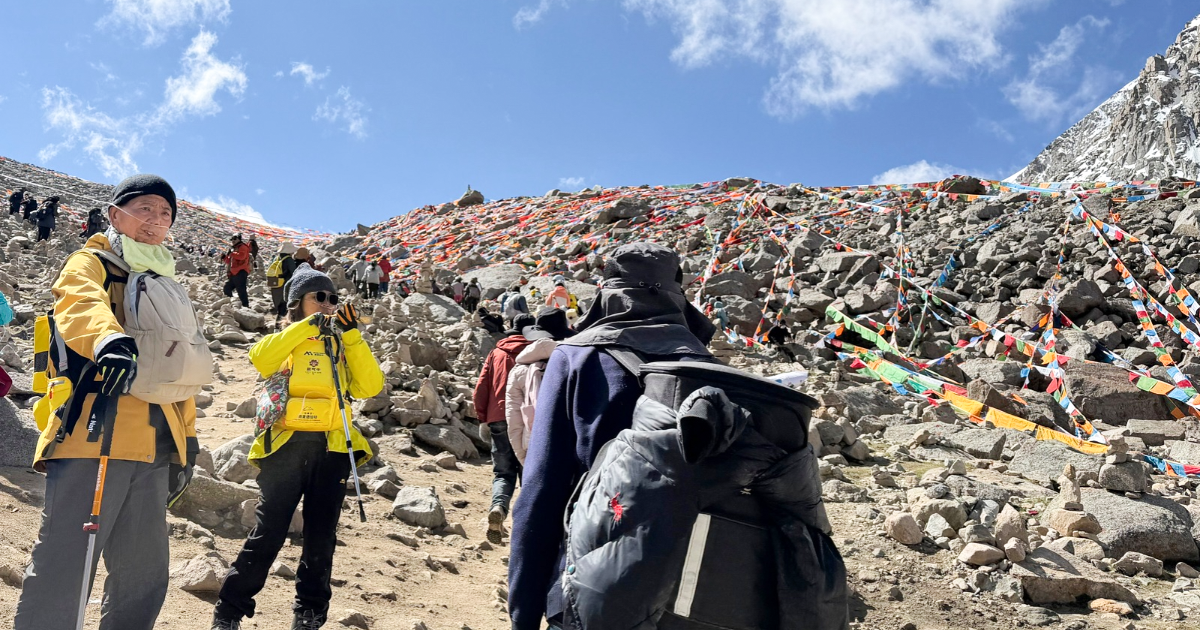
Altitude sickness or AMS doesn't care how fit or devout you are. Learn the early signs: headache, nausea, dizziness, poor sleep, and unusual fatigue. A few habits make a big difference:
- Move slowly and stop treating the first days as a race.
- Drink plenty of water and abstain from alcohol consumpion and smoking.
- Tell your guide the moment something feels off, because hiding it is genuinely dangerous.
- Accept descent as the real cure if symptoms worsen.
- Turning back, or skipping a section, is not failure. Plenty of pilgrims regard the attempt itself as the offering.
What to Pack for the Yatra
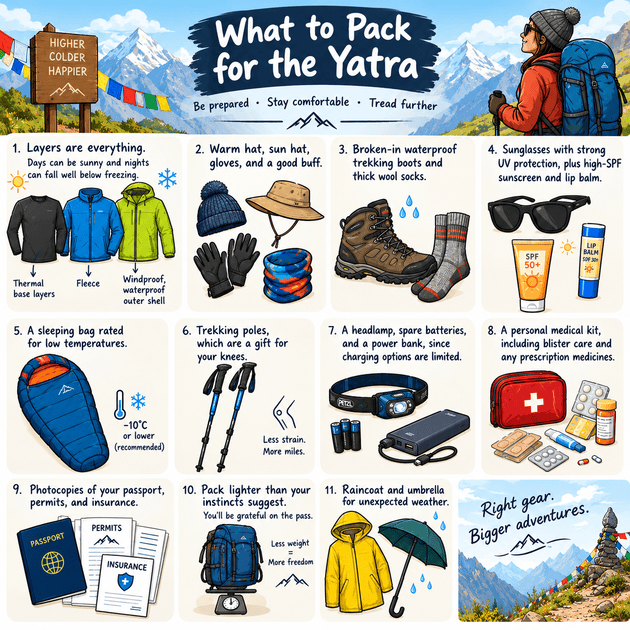
- Layers are everything. Days can be sunny and nights can fall well below freezing.
- Thermal base layers, a fleece, and a windproof, waterproof outer shell
- Warm hat, sun hat, gloves, and a good buff
- Broken-in waterproof trekking boots and thick wool socks
- Sunglasses with strong UV protection, plus high-SPF sunscreen and lip balm
- A sleeping bag rated for low temperatures
- Rain coat/ poncho, umbrella
- Trekking poles, which are a gift for your knees
- A headlamp, spare batteries, and a power bank, since charging options are limited
- A personal medical kit, including blister care and any prescription medicines
- Photocopies of your passport, permits, and insurance
- Pack lighter than your instincts suggest. You'll be grateful on the pass.
Insurance and Money
Take comprehensive travel and medical insurance that explicitly covers high-altitude trekking and emergency evacuation. Read the fine print on the maximum altitude covered, because some policies cap out well below Dolma La.
On budgeting, prices vary widely with route, group size, and comfort level. Costs depend on travel style, accommodation, and group size, so compare what's actually included, especially permits and meals. Carry some cash for personal expenses, since card payments are unreliable once you leave Kathmandu.
Prepare the Quieter Parts, Too
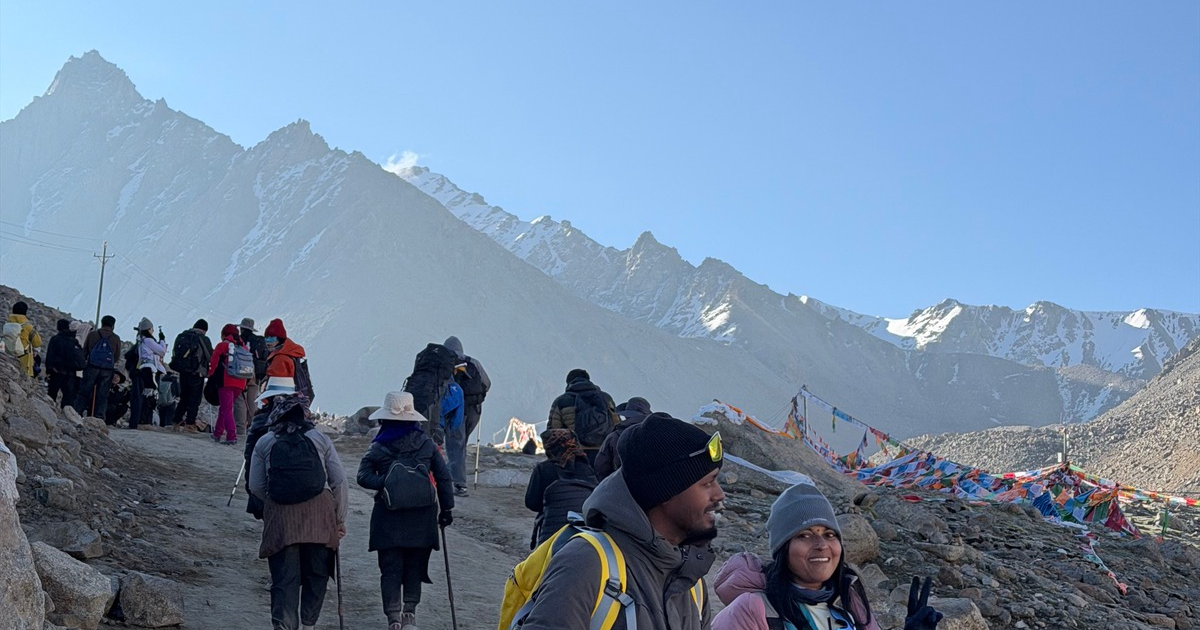
The physical side gets most of the attention, but the pilgrimage has an inner side as well. Read a little about the mountain's meaning across Hinduism, Buddhism, Jainism, and Bon. Learn the etiquette of the kora, which is walked clockwise by most pilgrims and counterclockwise by Bon followers. Keep your expectations flexible, because weather, health, and logistics all get a vote.
Many people tell me the real surprise is the silence. Prepare for it. Bring a notebook, put the phone away, and let the landscape do its work.
A Simple Timeline to Follow
- 12 to 9 months before: Pick your season, research operators, and check your passport.
- 8 to 6 months before: Book your trip and start training.
- 5 to 3 months before: Medical check-up, insurance, and gear shopping.
- 2 to 1 months before: Permit and visa submission with your operator, plus a final gear test.
- Final weeks: Confirm flights, pack, and rest.
Kailash Manasarovar Yatra isn't a trip you tick off a list but it asks for patience, preparation, and a certain humility as the guide to the trip. In return it gives you something hard to explain to people who haven't been. Start early, train honestly, and listen to your body. If you do those things, you'll arrive in Tibet ready to take the first step around one of the most revered mountains on Earth.
Let us know how we can be of more help in preparing you for the sacred yatra to Mt. Kailash.