
March marks the end of winter in Nepal, and the Annapurna region is ready for trekkers. After quiet, frosty months from December to February, trekkers return to the trails. Rhododendron forests turn pink and red, and the Annapurna Sanctuary peaks stand out against clear blue skies. If you’re wondering whether March is a good time for your Annapurna Base Camp (ABC) trek, here’s a straightforward guide to what you can expect, including weather, snow, temperature changes, mountain views, and whether it’s a good month for trekking.
Annapurna Base Camp Trek in March: A Complete Weather and Trail Guide

Weather Conditions in Annapurna in March
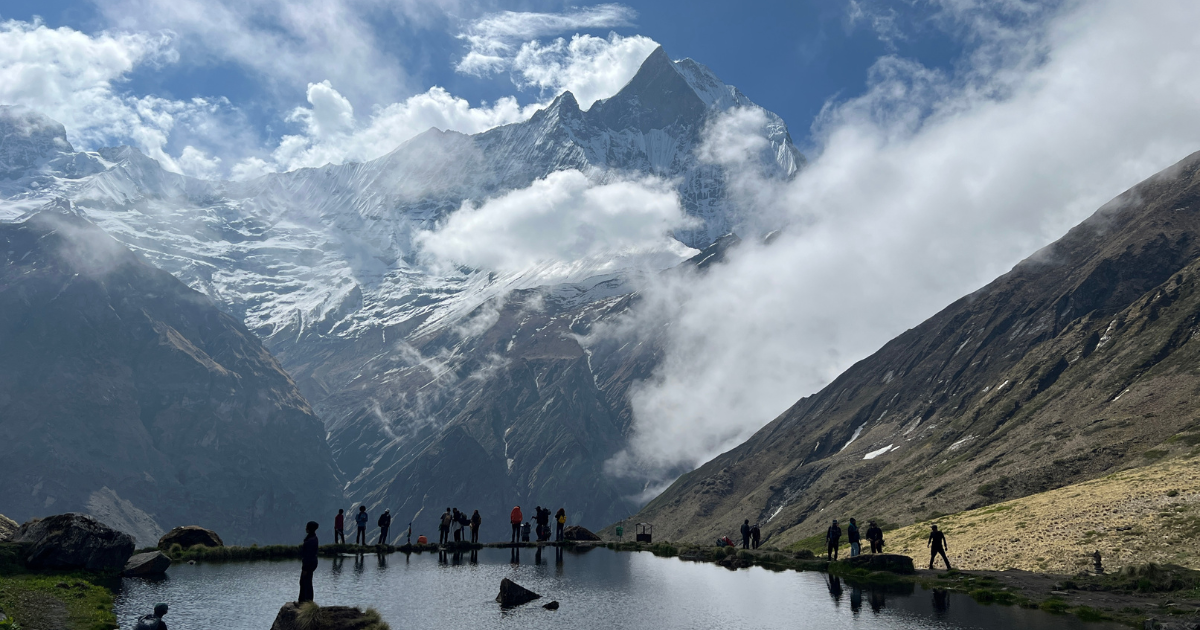
March is the transition from winter to spring, and the weather shows it. Early in the month, especially higher up, it can still feel like winter with cold mornings, some snow flurries, and unpredictable conditions. As March goes on, the weather improves. By mid-to-late March, you’ll usually get sunny mornings, comfortable hiking temperatures, and only a few afternoon clouds during the ABC Trek.
There isn’t much rain or snow in March. Unlike the monsoon or peak winter, you won’t see heavy storms, but you might get some light showers or snow at higher altitudes, especially at night. The weather gets warmer and more stable as the month goes on, so the first weeks of March can feel quite different from the last week.
Keep in mind that mountain weather can change quickly. Even in March, higher camps like Machhapuchhre Base Camp and Annapurna Base Camp can see sudden wind or clouds in the afternoon. It’s best to start your hike early and remember that forecasts are just guidelines.
Do we see Snow on the Trail in March?
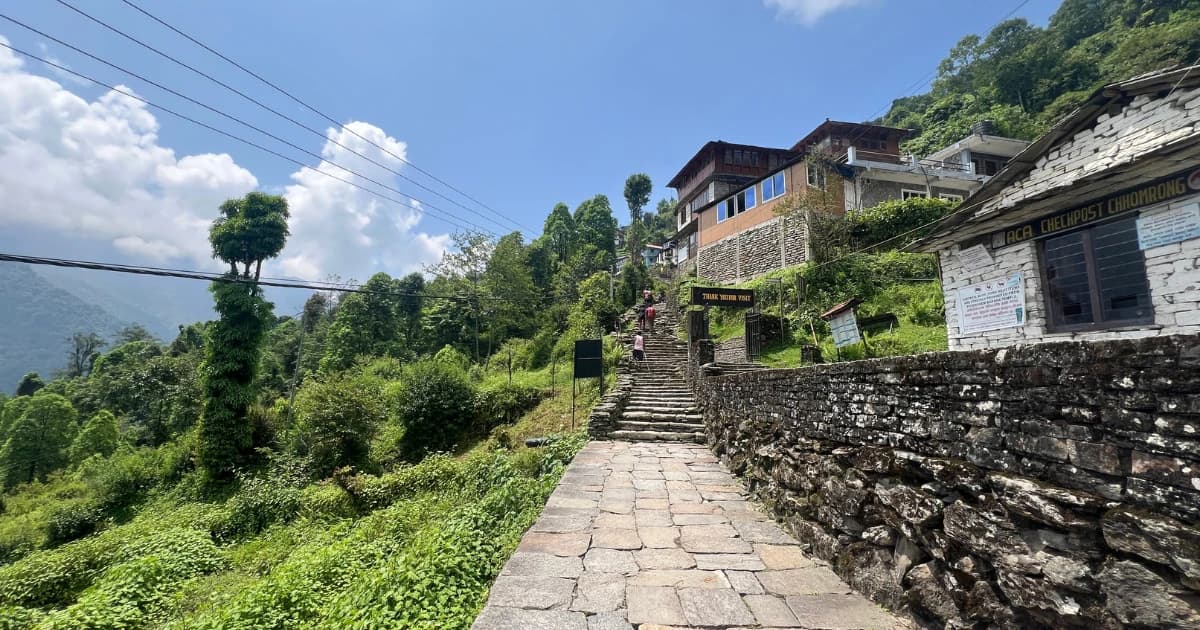
Lower and middle parts of the trail, through villages like Ghandruk, Chhomrong, and Bamboo, are usually clear, dry, and free of snow by March. In these areas, you’ll walk through blooming rhododendron forests instead of snowfields.
Higher up, you’ll still find leftover snow from winter, especially around Deurali, Machhapuchhre Base Camp, and the last part to Annapurna Base Camp. This snow usually isn’t deep or technical, but it can make the trail slippery or icy, especially in the early morning before the sun softens it. Some trekkers bring lightweight microspikes for better grip near the top, even if they don’t end up using them.
Snow near base camp is actually a nice feature of trekking in March. You get beautiful snow-capped views at ABC without having to deal with the tough snow conditions of deep winter. As March goes on and it gets warmer, the snowline moves higher, and the upper trail becomes clearer.
Temperatures in the Region in March
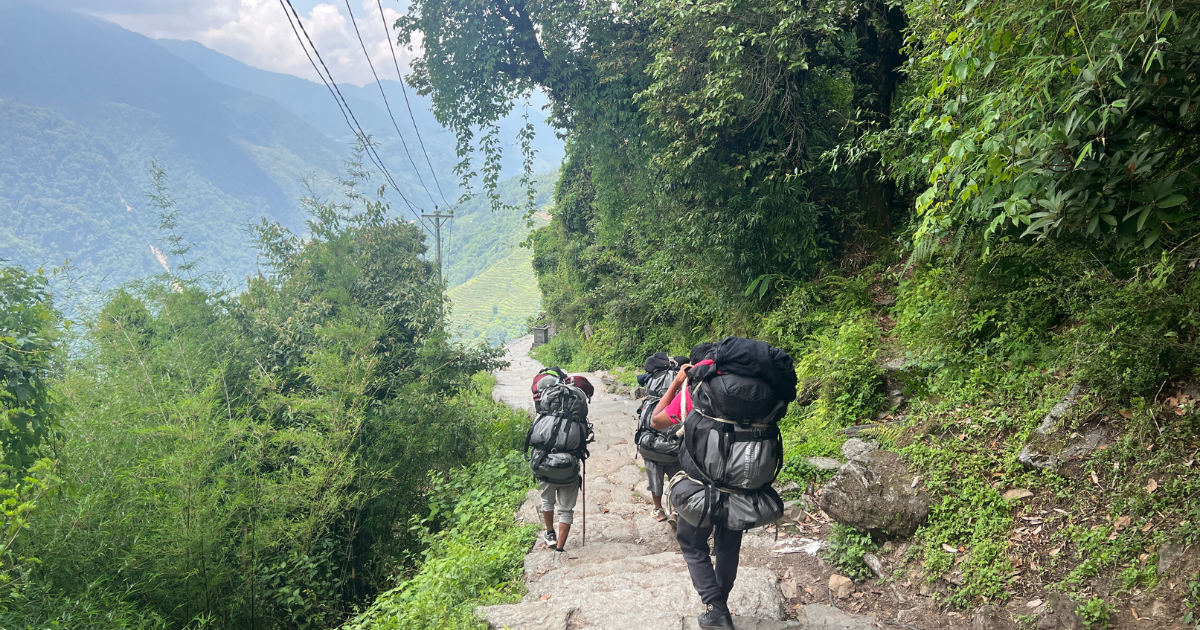
Temperatures in the Annapurna region in March depend a lot on altitude, which is the main thing to plan for. At lower places like Pokhara and the starting villages, days are pleasantly warm, usually from the high teens to the low or mid-20s Celsius. As you go higher, it gets colder quickly.
At mid-altitude places like Ghandruk and Chhomrong, daytime temperatures are comfortable for hiking, but mornings and evenings are much cooler. If you go higher toward Deurali and Machhapuchhre Base Camp, it gets even colder, especially after the sun goes down.
At Annapurna Base Camp (about 4,130 meters), March brings a mix of temperatures. In the sun, days can feel mild and sometimes reach the high single digits Celsius. But once the sun sets, it gets cold quickly. Nights and early mornings are often below freezing, and in early March, temperatures can drop well into the negative double digits Celsius. Nights get warmer later in the month as spring arrives.
The main thing to remember is to pack layers. Bring breathable clothes for warm, sunny days, and also a good down jacket, warm hat, gloves, and a sleeping bag rated for cold nights at higher altitudes. Teahouses along the trail usually aren’t heated except in the dining area, so your room can be very cold in the evenings and mornings, even if the afternoon was warm.
Mountain Visibility in March
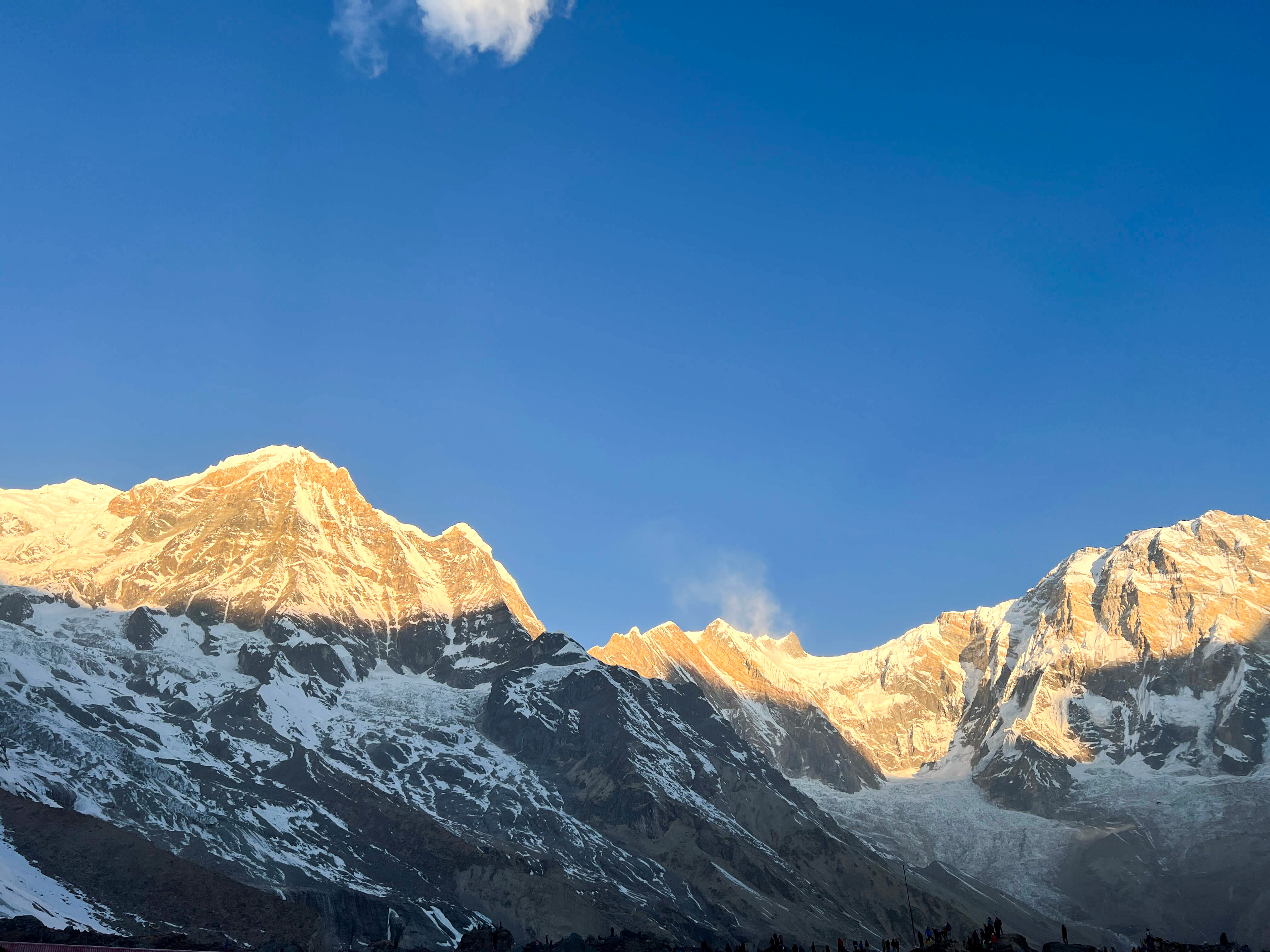
One of the lasting effects of the retreating winter is that the atmosphere is unusually clean and dust-free. Winter precipitation, whether rain or snow, washes particulates out of the air, and that clarity carries into March mornings especially. Trekkers are often treated to sharp, well-defined views of the Annapurna range, Machhapuchhre (Fishtail), Hiunchuli, and the surrounding peaks, particularly in the early hours before any afternoon cloud has a chance to build.
Like most Himalayan treks, visibility follows a daily pattern: clear skies in the morning, with clouds building up during the day and sometimes hiding the peaks by afternoon. The best plan is to start early and reach viewpoints or your day’s goal while the skies are still clear, just as experienced guides suggest.
March also brings the bonus of snow-covered peaks, freshly topped up from winter. The contrast of blue sky, white summits, and blooming rhododendron forests below creates some of the best photo opportunities on the ABC trek . While it’s not as consistently clear as peak autumn, a good March day can offer views just as stunning.
Is March a Good Month for Annapurna Base Camp Trek?
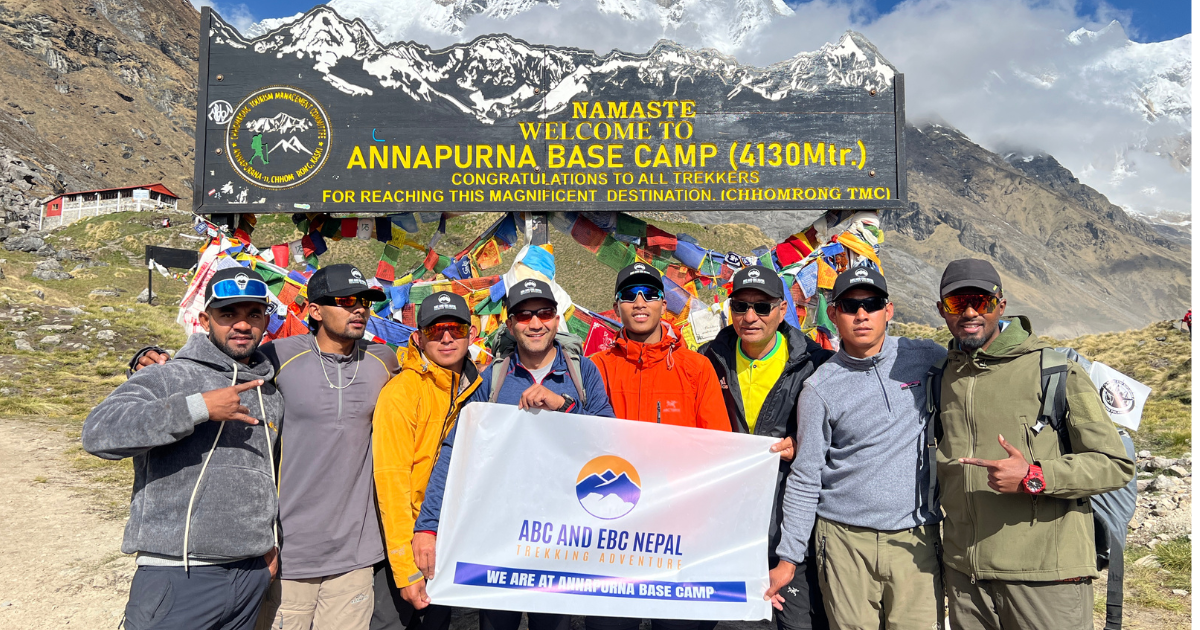
For most trekkers, yes, March is one of the best months for the Annapurna Base Camp trek. It’s also seen as the start of the spring trekking season, along with April, which is usually more crowded. Here’s why March is a good choice:
Rhododendron blooms: March is prime season for Nepal's national flower. The forests through Ghandruk, Chhomrong, and Rhododendrons are in full bloom. March is the best time to see Nepal’s national flower. Forests along the lower trail, including Ghandruk and Chhomrong, turn bright pink and red, giving you scenery that autumn doesn’t provide. Things, but without the heaviest trekker traffic that hits the trail in April and in the post-monsoon autumn season.
Manageable snow: Snow near base camp adds visual drama without making the trail technically difficult for most of the route. You usually don’t need special mountaineering gear. Pass through villages and towns for a chance to experience some local culture alongside the natural scenery.
Still, March has some downsides. Nights at higher elevations are very cold, sometimes colder than you might expect after warm days. Early March can also be unpredictable, so if you want the most reliable weather, consider trekking in the second half of the month. March’s clear skies are great, but not quite as consistent as late autumn, when the air is at its cleanest after the monsoon.
In summary, if you want blooming rhododendron forests, good mountain views, manageable trail conditions, and fewer crowds than in April, March is a great time for the Annapurna Base Camp trek. Just be sure to pack for cold nights, watch the daily weather pattern of clear mornings and cloudier afternoons, and think about going in mid-to-late March if you prefer more consistent conditions.
Need Help? Call Us+977 9856073085orChat with us on WhatsApp
Latest Travel Blogs
Oct 12, 2026By ABC
Why Trek to Everest Base Camp in 2027: 10 Reasons to Go
Oct 06, 2026By ABC
Trekking the Annapurna Circuit in September
Oct 04, 2026By ABC
Annapurna Circuit Trek in 2027
Need Help? Call Us.+977 9856073085