
Some trails make you fall in love slowly. Trekking around the Annapurna Circuit does it in about an hour, somewhere on the first morning, when you're walking beside a roaring river with terraced rice paddies climbing the hillside and a stranger on a mule track says "Namaste" like you've known each other for years.
Here is what you need to know about trekking around the Annapurna circuit trail and the year 2027 can be the perfect time for you.
Annapurna Circuit Trek in 2027

Why the Circuit Still Deserves Its Reputation
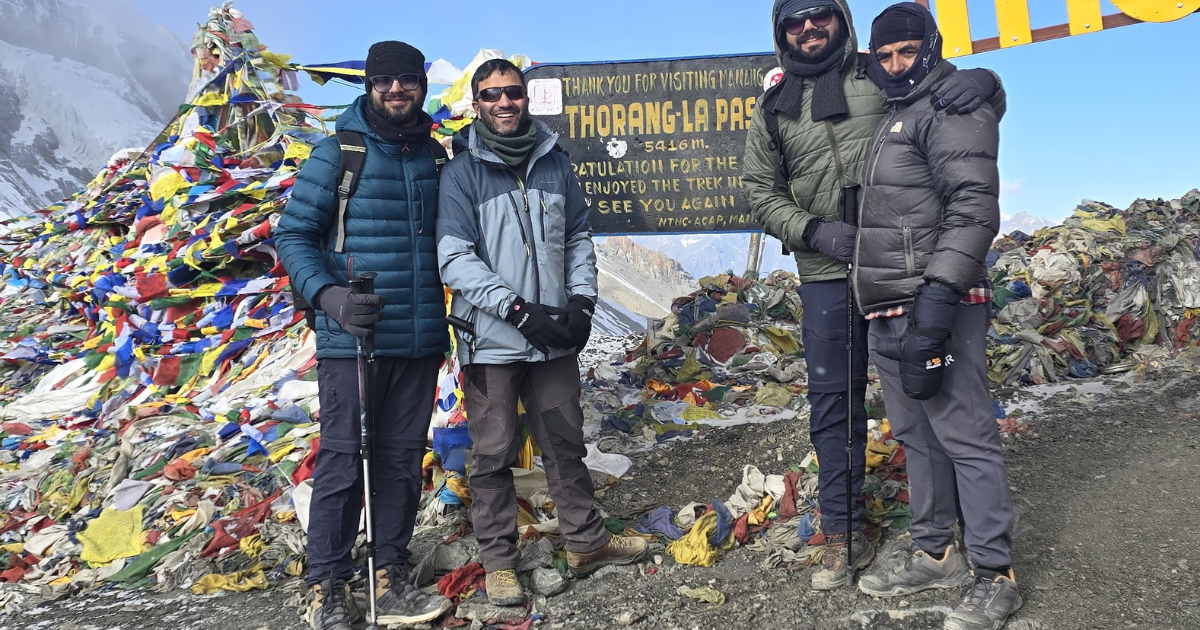
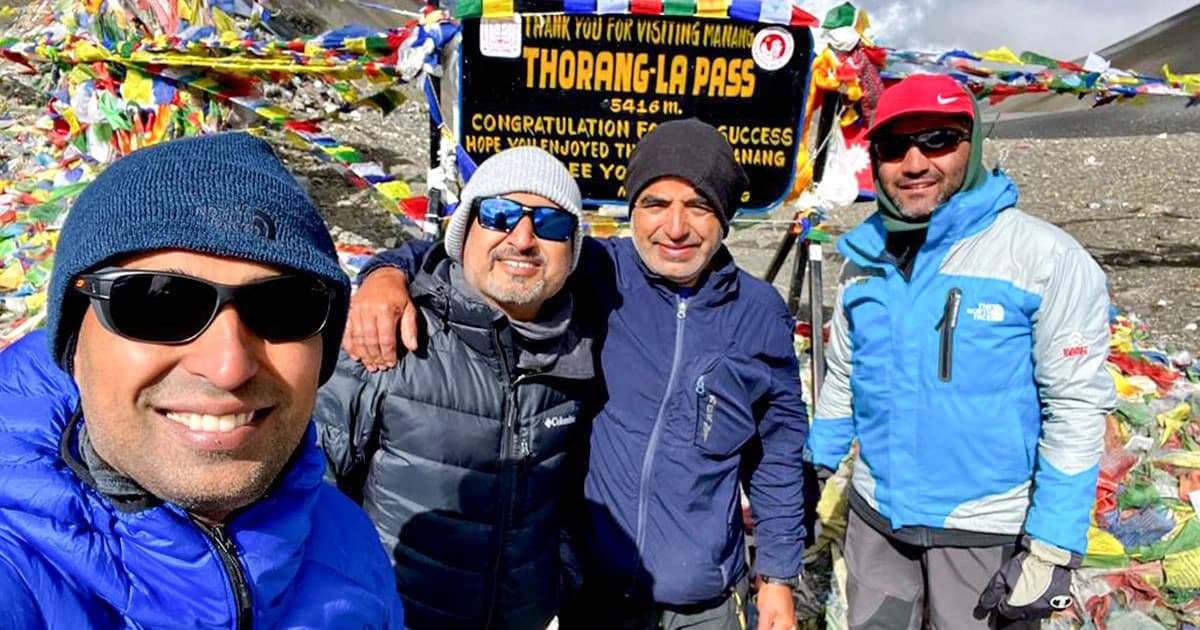
The trekking adventure loops around the Annapurna massif in central Nepal. In roughly two weeks, you move from subtropical valleys to alpine meadows, then to a high, wind-scoured desert, and finally over the Thorong La pass at 5,416 metres. Few treks show you this much variety in a single journey.
The best part isn't the mountains, though. It's the cultural shift. You start among Hindu villages with banana trees and waterfalls, and a week later you're spinning prayer wheels past Buddhist monasteries and chortens in Manang. Cross the pass and you're in Mustang's dry, apple-growing country, where the light looks painted onto the cliffs.
The Road Question (Yes, We Need to Talk About It)
You've probably heard that "the road ruined the Annapurna Circuit." It's partly true and mostly more complicated than that.
Jeep roads now reach far up the valley, so some of the older route is shared with dust and engines. Many trekkers take a jeep for the first stretch to save time, and some skip a few road-heavy sections on the descent side too. Others walk everything and use the older side trails where they exist.
We advise you to decide what kind of trek you want. If you have limited days, riding a jeep past the busiest road sections is a perfectly sensible choice. If you want the classic experience, build in extra time and look for the footpaths that wind away from the road. Either way, the high country around Manang and the climb to Thorong La remain as spectacular as ever. The road changed the approach, not the mountains.
When to Go in 2027
There are two sweet spots.
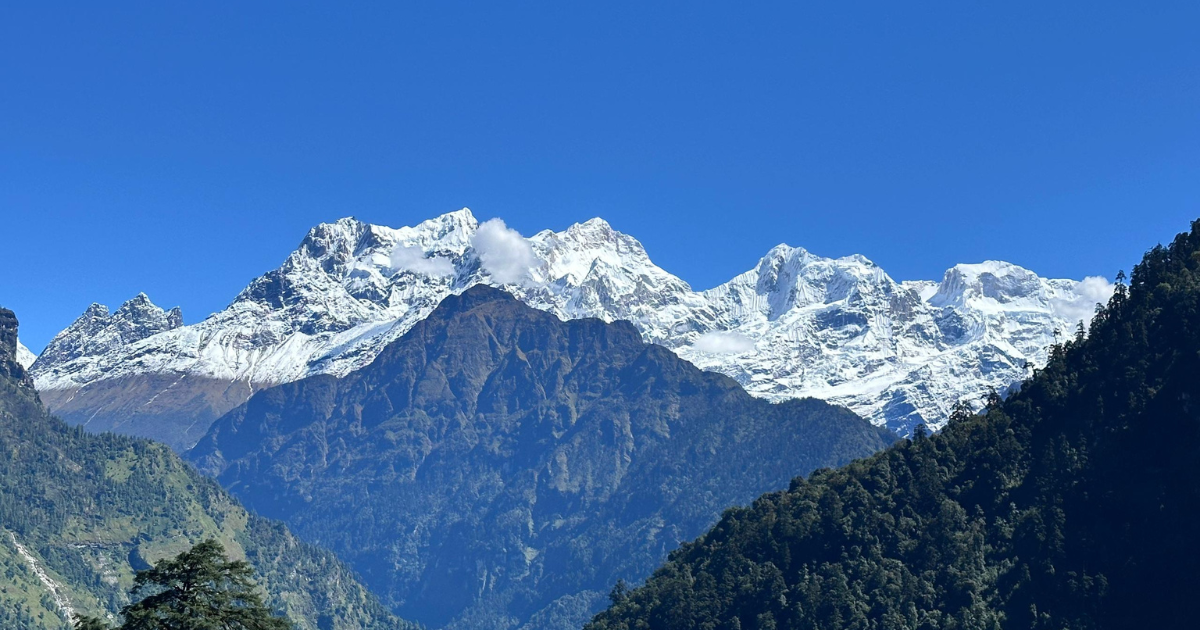
Autumn (October to November) is the classic season. Skies are clear, views are huge, and the weather is generally stable. It's also the busiest time, so book flights, buses, and tea-house beds early.
Spring (March to May) brings rhododendrons blooming in the lower forests and slightly warmer temperatures. Views can be hazier than in autumn, but the trails are alive with colour.
Winter is cold, and the pass can close under heavy snow. The monsoon (June to August) brings leeches, landslides, and cloud, though the rain-shadow side around Muktinath stays much drier. For most people, I'd aim for late March–April or mid-October–early November.
A Realistic Route and Timeline
Most trekkers take 12 to 18 days, depending on how much road they skip. A typical flow looks like this:
· Besisahar to Chame: lush valleys, waterfalls, your first glimpses of snow peaks
· Chame to Manang: the landscape opens, the air thins, and Annapurna II appears
· Manang rest days: acclimatise, hike to Gangapurna Lake or Ice Lake, and eat apple pie
· Yak Kharka to Thorong Phedi or High Camp: the steep, windy approach to the pass
· Thorong La to Muktinath: the big day, with a long climb, a long descent, and a very emotional arrival
· Kagbeni, Jomsom, and out: a gentler finish through Mustang
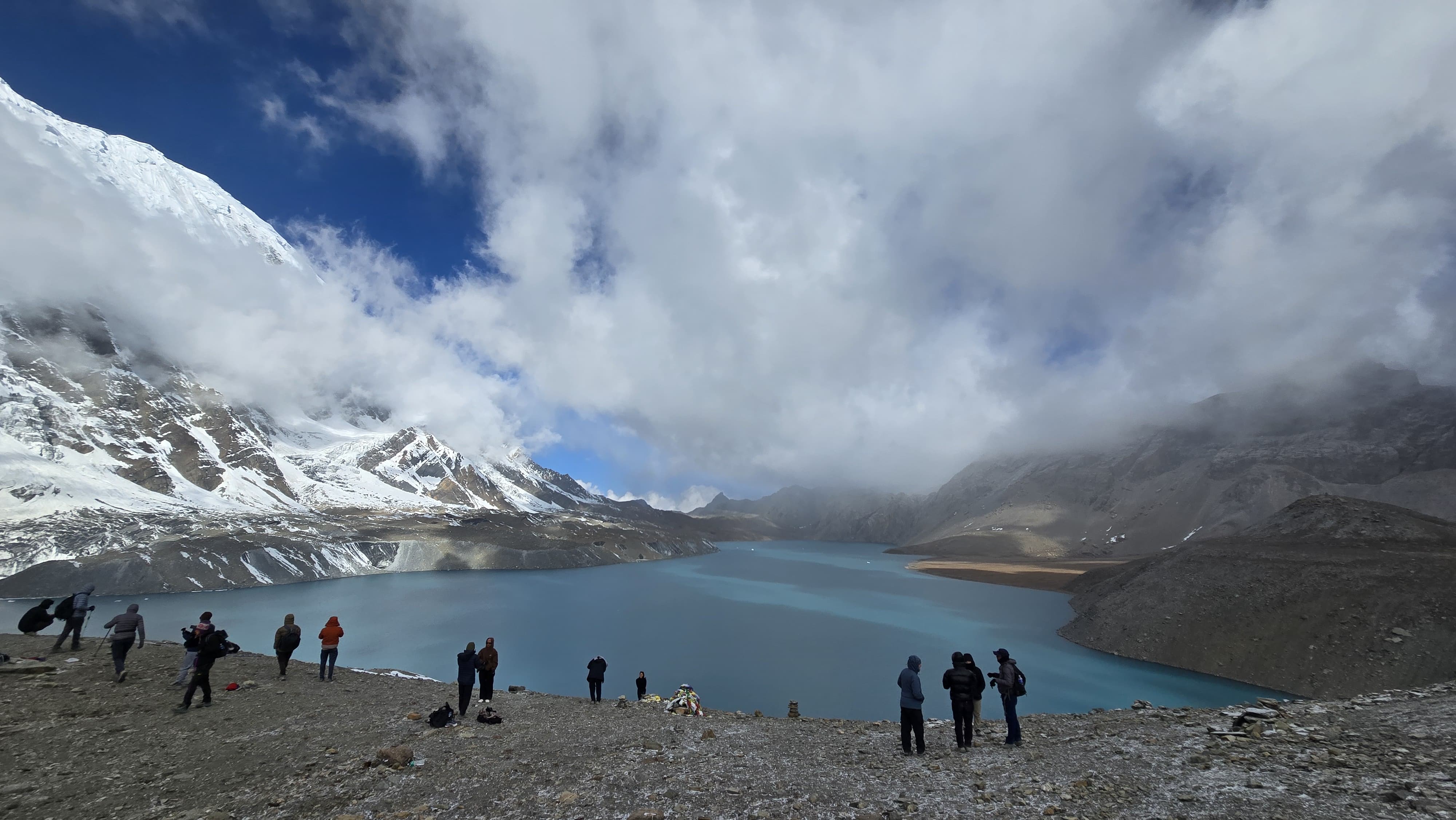
If you have a few extra days, add the Tilicho Lake side trip. It's one of the highest lakes in the world and genuinely worth the effort, but it needs good weather and a careful eye on the trail conditions.
Altitude: The Part You Can't Fake
Here's the honest bit. Thorong La isn't technically difficult, but altitude doesn't care how fit you are. We've seen marathon runners struggle and sixty-year-old walkers float up the pass, simply because they went slowly.
A few habits make all the difference:
· Go slow. Slower than feels necessary. Then slower again.
· Sleep low, climb high. Above about 3,000 metres, don't increase your sleeping altitude by more than roughly 500 metres a day.
· Take your rest days seriously. The Manang stop isn't a holiday, it's insurance.
· Drink water constantly, and ease off alcohol until you're back down.
· Know the warning signs: a persistent headache, nausea, dizziness, or unusual breathlessness. If symptoms worsen, descend. No summit photo is worth it.
Talk to your doctor before you go about altitude medication such as acetazolamide, and take travel insurance that explicitly covers trekking to 5,500 metres, including helicopter evacuation.
What to Pack (and What to Leave Behind)
You'll be tempted to bring everything. Don't. Think layers, not bulk:
· Broken-in trekking boots and good socks (blisters have ended more treks than mountains have)
· A warm down jacket, thermal base layers, gloves, and a proper hat for the pass
· A sleeping bag rated for cold nights (you can rent one in Kathmandu or Pokhara)
· Sun protection: glasses, a hat, and strong sunscreen, because the high-altitude sun is brutal
· Water purification tablets or a filter, and a reusable bottle
· A small first-aid kit with blister care and your personal medications
Leave behind your laptop, your fancy shoes, and your expectation of reliable wifi.
The Daily Rhythm (and the Food)
Days on the circuit follow a gentle pattern. You wake early, eat breakfast, walk for five or six hours, stop for lunch, reach your tea house by mid-afternoon, then spend the evening around a stove with fellow trekkers swapping stories.
The food is simple and wonderful. Dal bhat, the lentil-and-rice plate, is the unofficial fuel of the Himalayas, and the refills are famously unlimited. Add fresh Thakali dishes in the lower Mustang side, and yes, apple pie and apple brandy in the apple-growing villages near Marpha.
Tea-house rooms are basic: a bed, a blanket, and thin walls. In return, you get warmth, hot meals, and company. Bring earplugs and don't expect a hot shower above 4,000 metres.
Trekking the Annapurna Circuit Responsibly in 2027
The circuit has been loved hard, and with more visitors expected every year, small choices add up:
· Carry out what you carry in, and avoid single-use plastic bottles where you can
· Be respectful in villages and at religious sites, and always walk clockwise around prayer wheels and chortens
· Buy local, whether that's tea, handicrafts, or a bed in a family-run lodge
· Tip your guides and porters fairly, and make sure they're properly equipped and insured
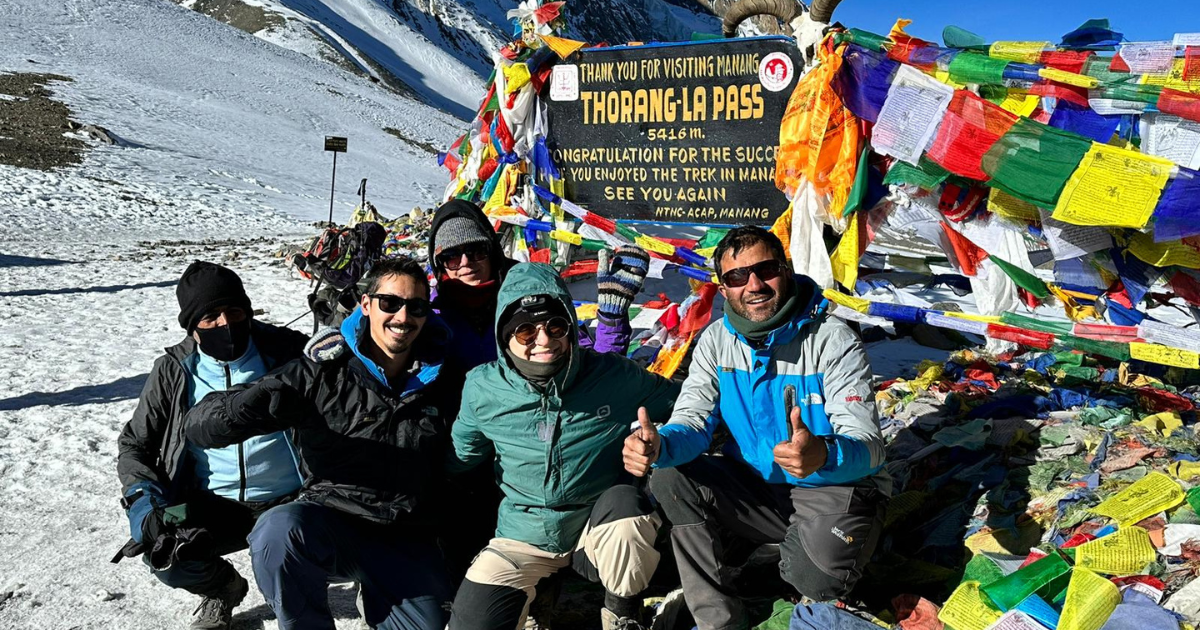
Most people remember Thorong La for the wrong reasons: the cold, the burning lungs, the 4 a.m. start. But then the sun hits the prayer flags at the top, and everyone, strangers included, ends up hugging, laughing, and quietly tearing up.
You won't remember the blisters. You'll remember that morning, and the tea on the other side tasting better than anything has a right to.
If 2027 is your year to go trekking around the Annapurna circuit, start planning now. Train your legs, save your leave, and book early for the autumn season. The mountains will be right where you left them.
Need Help? Call Us+977 9856073085orChat with us on WhatsApp
Latest Travel Blogs
Oct 12, 2026By ABC
Why Trek to Everest Base Camp in 2027: 10 Reasons to Go
Oct 06, 2026By ABC
Trekking the Annapurna Circuit in September
Need Help? Call Us.+977 9856073085