The Monsoon is packing its Bags
September sits at the tail end of the monsoon. The rains haven't fully left, but they're loosening their grip, especially in the second half of the month. Early September can feel properly wet. By the last week, you'll often get clear mornings, crisp air, and big blue skies.
The pattern is fairly predictable. Mornings tend to be the best part of the day, with clean light and mountain views peeking through. By afternoon, clouds roll in, and some days the rain follows. Learning to start early becomes second nature. You'll be out the door by 6:30 or 7:00, finishing most of your walking before the weather turns.
The Lower Trail: Green, Loud, and Alive
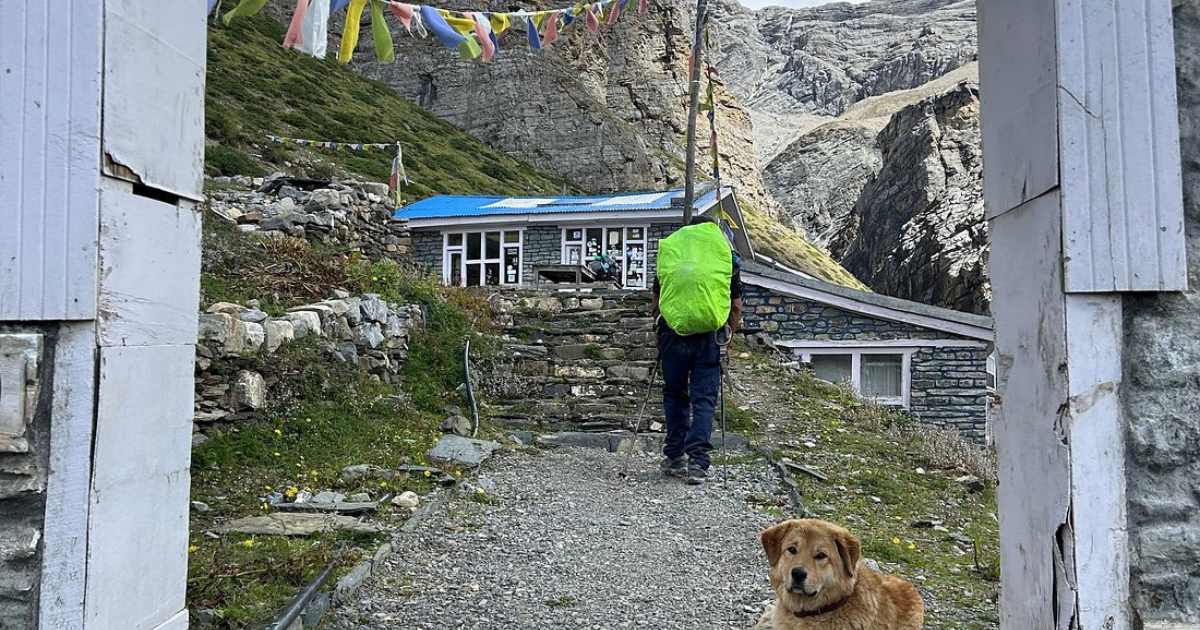
The trek traditionally begins around Besisahar and climbs through the Marsyangdi Valley, and September is when this part looks its best. The terraced rice fields are lush and glowing green. Waterfalls that are barely trickles in spring thunder down the cliffs. The river runs brown and furious beside you, so loud in places that you have to raise your voice to chat.
You'll pass through villages like Bahundanda, Chamje, and Tal, where kids wave and call out "Namaste!" and farmers work the fields in the drizzle. Everything smells of wet earth and woodsmoke.
Then there are the leeches. Yes, they're real. At lower elevations in September, they're a fact of life, especially on damp, shaded stretches. They're harmless, though unpleasant to find on your sock. Salt, repellent, and a calm attitude go a long way. Check your ankles at every tea break, and you'll be fine.
Landslides and Trail Reality
The honest part: the monsoon can make the lower sections unpredictable. Landslides can block roads and trails, and a few sections can be slippery or temporarily washed out. Delays happen. A jeep that was supposed to take you up the valley might wait hours for a road to clear.
Much of the lower route is now followed by dirt roads, and many trekkers take jeeps for stretches to save time and skip the dusty road walking. Because that varies, ask your guide or lodge owners about current conditions rather than relying on old trip reports.
Build a buffer into your itinerary. Two or three spare days make the whole experience calmer, and you'll be glad of them if weather wobbles around the high pass.
Where the Landscape Changes
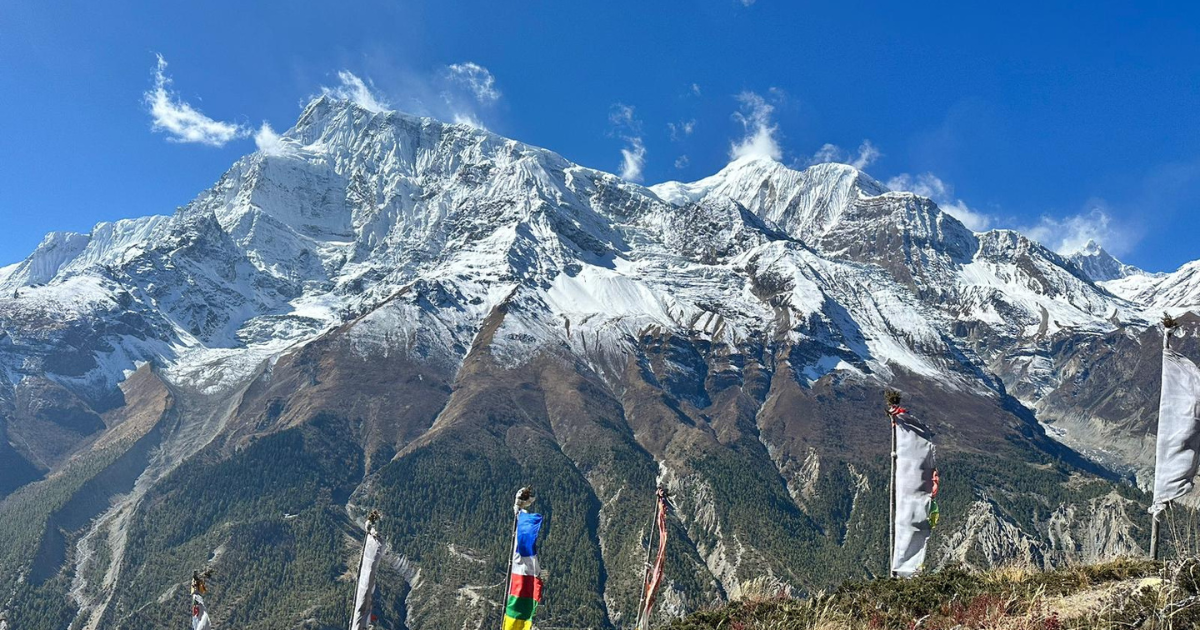
Somewhere past Chame, something shifts. The valley narrows and the air thins. Pine forests replace the jungle, and the mountains start to feel closer. Annapurna II appears, and the skies often open up. Here you begin to enter a rain shadow, where the monsoon loses much of its punch.
By the time you reach Pisang and Manang, the landscape is drier, the light sharper, and the clouds fewer. Walking through this transition is one of the best things about trekking in September. You start in a green, dripping world and end up in a high, stark one, all within a few days.
Manang: The Rest Stop Everyone Remembers
Manang, at roughly 3,500 meters, is where most trekkers pause for acclimatization. September is a quiet month here, so you'll find bakeries with room at the table and lodges with space to spread out.
Take the rest day seriously. The classic acclimatization hikes, such as the climb to Gangapurna Lake or the viewpoint above the village, are as much about helping your body adjust as about the views. Drink lots of water, eat well, and listen to your body. Headaches, nausea, and unusual tiredness are signs to slow down, not to push on.
Evenings in Manang are the best. Lodges are warm, dal bhat keeps coming, and trekkers swap stories over mugs of ginger tea. September crowds are smaller, so conversations feel less rushed.
Thorong La: The Big Day
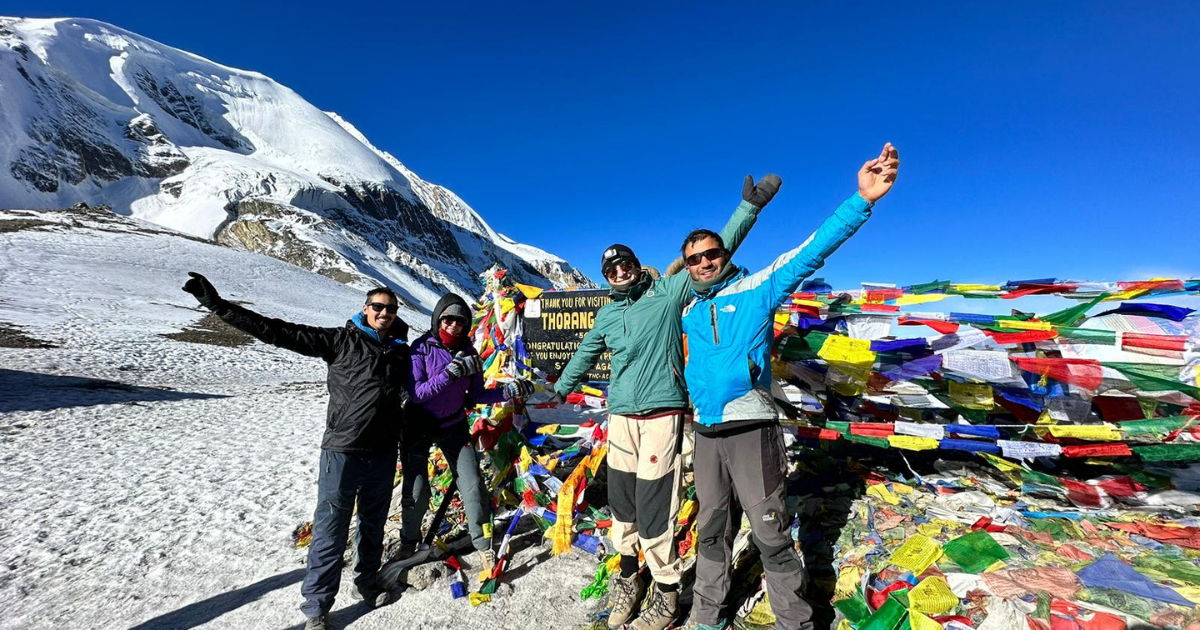
The pass, at about 5,416 meters, is the headline moment of the trek. You'll sleep at Thorong Phedi or High Camp, wake in the dark, and start climbing before dawn with a headlamp and frozen fingers.
In September, conditions can be good or challenging depending on the week. Late September often brings stable weather, but the pass is still high, cold, and unpredictable. Wind can be fierce, and new snow is possible. Your guide or lodge owners will tell you whether it's safe to go. If they say wait, wait.
When you reach the prayer flags at the top, snapping in the wind, there's a kind of quiet joy. People cry, hug strangers, and eat frozen chocolate bars like they're gourmet meals. Then comes the long, knee-crunching descent to Muktinath.
Muktinath, Mustang, and the Other Side
Muktinath is a sacred place for both Hindus and Buddhists, and arriving there feels like exhaling. The landscape on this side is dramatically different: dry, windswept, and sculpted in browns and golds, more like the Tibetan plateau than the green valleys you started in.
From there, the trail leads through Kagbeni and down the Kali Gandaki Valley, one of the deepest gorges in the world, with Dhaulagiri and Annapurna rising on either side. The afternoon winds can be strong, so you'll walk early and sip tea in the afternoon.
Many trekkers finish with a jeep ride or a few more days of walking toward Tatopani, famous for its natural hot springs. Few things feel as good as soaking in warm water after crossing the pass.
What to Pack for September Annapurna Circuit Trekking Adventure
The key is flexibility. You'll experience warm, humid days and freezing nights, sometimes within the same week. Pack:
- A reliable rain jacket and pack cover
- Quick-drying layers, plus a warm down jacket for the high sections
- Sturdy, broken-in boots with good grip
- Gaiters, which help with mud and leeches
- Insect repellent and a little salt for leeches
- A sleeping bag rated for cold nights, or rent one locally
- Water purification tablets or a filter
- A dry bag for electronics and important documents
- Keep spare socks accessible at all times. Nothing lifts morale like dry feet.
Who September is for
September suits trekkers who value solitude over predictability. If you want empty trails, lower prices, friendly lodge owners with time to chat, and landscapes in their greenest, most dramatic state, it's a wonderful choice. If you need guaranteed blue skies every single day, October may suit you better.
It also rewards flexibility. People who go with the flow, laugh at the leeches, and treat a rainy afternoon as a reason for another cup of tea tend to have the best time.
Trekking the Annapurna Circuit in September isn't the easiest version of the journey, but it might be the most memorable. You'll sweat through green jungles, climb into dry high deserts, and cross a pass above 5,000 meters while the clouds finally part for you.
Go with patience, good rain gear, and a sense of humor. The mountains will meet you partway.