
If you had to pick one month for an Everest Base Camp Trek, most seasoned Himalayan guides would suggest October. This is the height of Nepal’s autumn trekking season, after the monsoon ends and before winter sets in. The trails are busy, the skies are clear, and the mountains are at their most beautiful. Here’s what to expect when trekking to EBC in October, from weather and visibility to temperatures and must-have gear.
Everest Base Camp Trek in October: The Complete Guide
Weather in the Everest Base Camp Trek in October
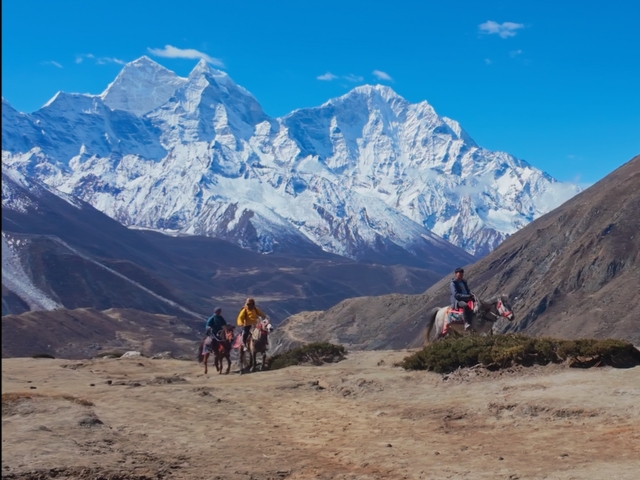
October marks the start of Nepal’s post-monsoon autumn and is considered the most stable time for trekking in the Khumbu region. By late September, the monsoon is over, and the air is clear. In October, you’ll enjoy crisp, sunny mornings, mild afternoons, and calm, star-filled nights during the EBC Trek .
Rain is uncommon compared to summer, and at higher altitudes, any precipitation is usually just light snow, especially later in October. Mornings are mostly clear, though some clouds can appear in the afternoon but usually clear up by night. This steady weather means fewer flight delays to Lukla, better trail conditions, and more predictable trekking days.
Even with stable weather, mountain conditions can change fast. Be prepared for sudden temperature drops, strong winds at higher passes, and the occasional cold front, especially as winter approaches. Early October might still have some leftover monsoon weather, so many experienced trekkers recommend starting your trek in mid-October for the best conditions.
Visibility of the Mountains during the Trek
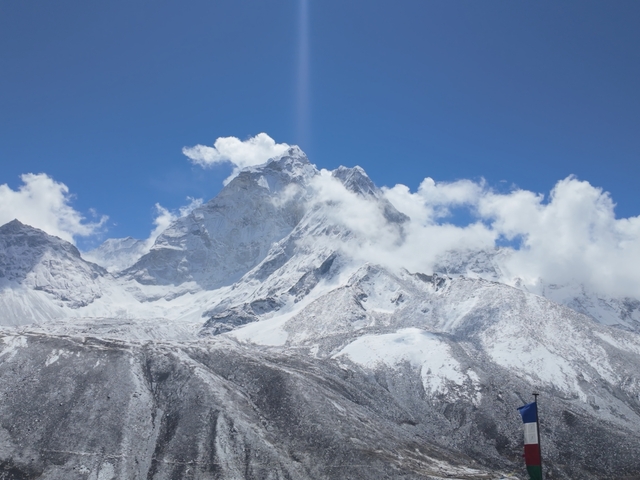
October is a great month for mountain views. Clear skies, low humidity, and little dust make it one of the best times - along with November - to see the peaks in the Everest region.
In October, trekkers in the Khumbu Valley enjoy clear, postcard-worthy views of famous peaks like Everest, Lhotse, Nuptse, Ama Dablam, Thamserku, Kongde Ri, and Cho Oyu. From places like Tengboche Monastery, Dingboche, and especially Kala Patthar, you can often see for many kilometers with sharp outlines and little haze.
The best mountain views are usually before afternoon clouds roll in. Sunrise from Kala Patthar, when Everest’s summit glows in golden light, is one of the trek’s most photographed moments and is much more likely in October than in the hazier spring months.
Because of the excellent visibility, October is the best month for photographers and mountaineers who want to capture Everest and the nearby peaks at their most stunning and clear.
Temperatures below Namche Bazaar
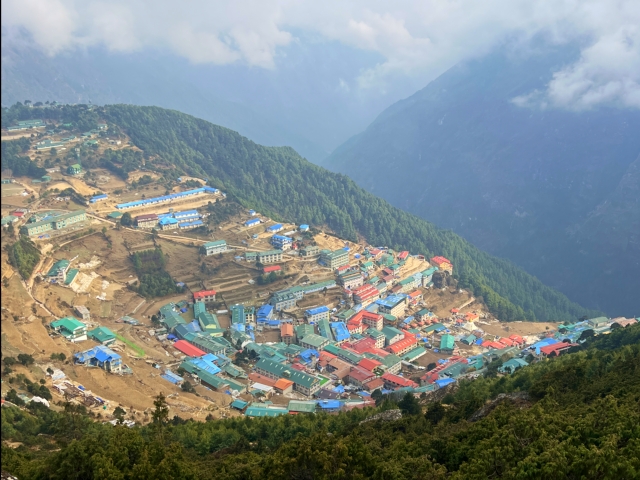
The lower part of the trek, from Lukla through Phakding to Namche Bazaar (about 2,800m to 3,440m), is fairly mild in October. This area has lots of forests and villages, so trekking here feels more like a pleasant highland walk than a hard mountain climb. On a day, temperatures in this lower section are usually between 15°C and 20°C (59°F to 68°F) in the sun, making for comfortable walking. Mornings and evenings are cooler, often around 5°C to 10°C (41°F to 50°F), and can get close to freezing later in the month, but rarely drop much lower. Houses here are generally comfortable. Dining rooms are often heated in the evenings, but bedrooms are not, so a good sleeping bag is still useful even at these lower altitudes. This part of the trek is a gentle start, helping your body adjust while you enjoy pleasant hiking through pine and rhododendron forests, suspension bridges, and Sherpa villages.
Temperatures above Namche Bazaar
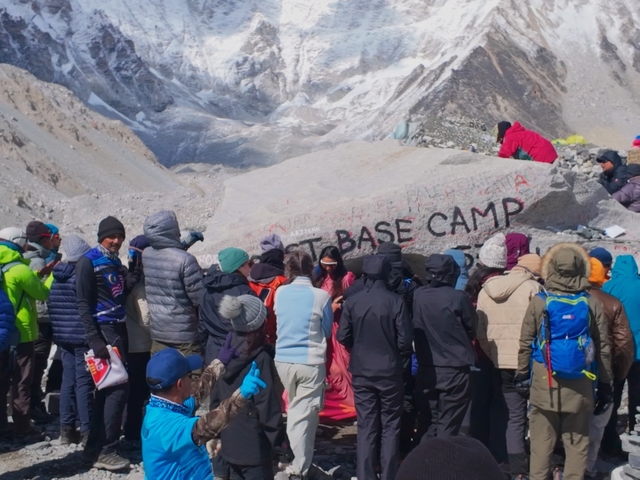
After you leave Namche Bazaar and head toward Tengboche, Dingboche, Lobuche, Gorak Shep, and Everest Base Camp (up to about 5,364m, with Kala Patthar at around 5,545m), the temperatures drop a lot more. This is when October’s reputation for being cold but manageable really matters.
During the day in these higher villages, temperatures are usually between 5°C and 15°C (41°F to 59°F) when the sun is out. Once the sun sets, it gets cold quickly. At night, temperatures often fall below freezing, usually between -5°C and -15°C (23°F and 5°F). At Everest Base Camp or Gorak Shep, it can get even colder, especially late in October as winter approaches. Passes can feel much colder because of the wind, especially around Kala Patthar and the final approach to Base Camp.
Gear for EBC Trek in October
Trekkers should expect real high-altitude cold above Namche, though daytime conditions with clear skies and sun can feel comfortable. The big difference between sunny, mild afternoons and very cold nights is a key part of the October EBC trek. This is why having the right gear (explained below) is so important at these heights. For October, you need to be ready for both mild days at lower altitudes and truly cold nights higher up. A good layering system is essential.
Clothing layers:
- A moisture-wicking base layer (top and bottom) to manage sweat during the day
- An insulating mid-layer such as a fleece or lightweight down jacket
- A heavyweight down jacket for evenings and higher elevations
- A waterproof, windproof outer shell jacket and pants
- Trekking trousers, plus thermal leggings for colder days and nights
- Warm hat, sun hat or cap, and a buff or neck gaiter
- Insulated, waterproof gloves, ideally paired with a thin liner glove.
Footwear:
- Broken-in, waterproof trekking boots with good ankle support
- Thick wool or synthetic trekking socks (bring several pairs)
- Gaiters if you expect light snow in the higher villages
- Comfortable camp shoes or sandals for evenings at tea houses
Sleep and comfort:
- A four-season sleeping bag rated to at least -15°C to -20°C, since tea house rooms are unheated
- A sleeping bag liner for added warmth and hygiene
- A headlamp with spare batteries for early starts and evening walks around tea houses.
Other essentials:
- Trekking poles to ease the strain on knees during long descents
- Sunglasses with strong UV protection (snow and altitude glare are intense)
- High-SPF sunscreen and lip balm
- A reusable water bottle or hydration bladder, plus water purification tablets or a filter
- A basic first-aid kit, including altitude sickness medication after consulting a doctor
- A daypack (25–35 liters) if you're using porters for your main duffel bag
- Power bank or solar charger, since electricity is limited and often charged for at tea houses
The main idea here is flexibility with your layers. You’ll probably wear just a base layer while hiking in the midday sun below Namche, but you’ll need almost every layer for a sunrise hike to Kala Patthar. Being able to adjust your clothing is very important. Packing for both warm and cold conditions, not just the average temperature, will help you stay comfortable.
Why Trekking to Everest Base Camp is the Best
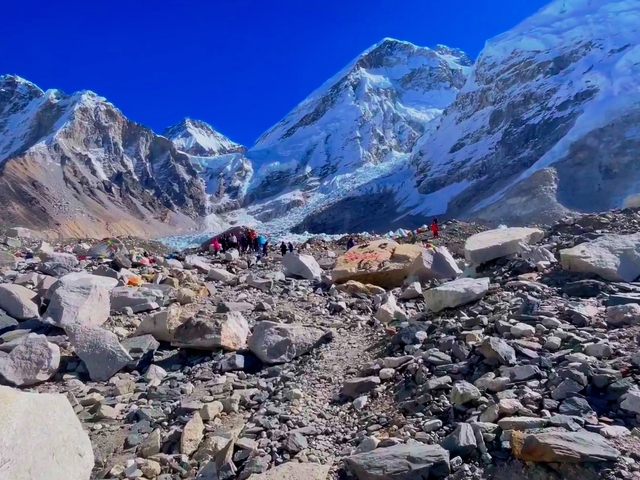
In short, October offers the best overall conditions for trekking to Everest Base Camp. The monsoon is over, but the deep cold and heavy snow of winter haven’t started yet. Trails are dry and stable, skies are clear, and the mountain views are some of the best in the world.
October is also festival season in Nepal, with Dashain and Tihar, so you might see local celebrations in Sherpa villages, adding a special cultural touch to your trip. Tea houses are fully open and well-stocked after the quiet monsoon months, and the trail is in great shape after pre-monsoon repairs. The stable weather in October also means fewer flight delays and cancellations, so your plans are more likely to go smoothly.
It’s smart to book accommodations and flights ahead of time. For most people, the trade-off is worth it: reliable weather, amazing mountain views, comfortable daytime trekking, manageable nighttime cold, and a lively, well-supported trail.
If you’re deciding when to check the Everest Base Camp Trek off your list, October is the season that gives you the classic Himalayan experience at its best.
Let us know if you want to do the EBC Trek in October.
Need Help? Call Us+977 9856073085orChat with us on WhatsApp
Latest Travel Blogs
Oct 06, 2026By ABC
Trekking the Annapurna Circuit in September
Oct 04, 2026By ABC
Annapurna Circuit Trek in 2027
Oct 01, 2026By ABC
Mardi Himal Trek in May: A Short Hike into the Clouds
Need Help? Call Us.+977 9856073085