
There's something about Langtang Valley that gets under your skin. Maybe it's the way the Langtang Lirung glacier hangs over the valley like it's watching you climb. Maybe it's the yak pastures, the Tamang villages, or the fact that you can be in Kathmandu's chaos one morning and standing in near-total silence under a Himalayan peak the next day. For years, Langtang has been the trek people recommend when someone says "I don't have three weeks, but I want the real Himalaya." Then the flashfloods hit Rasuwa, and a lot of that changed — at least for a while.
Langtang Valley Trek after the Rasuwa Flash Flood

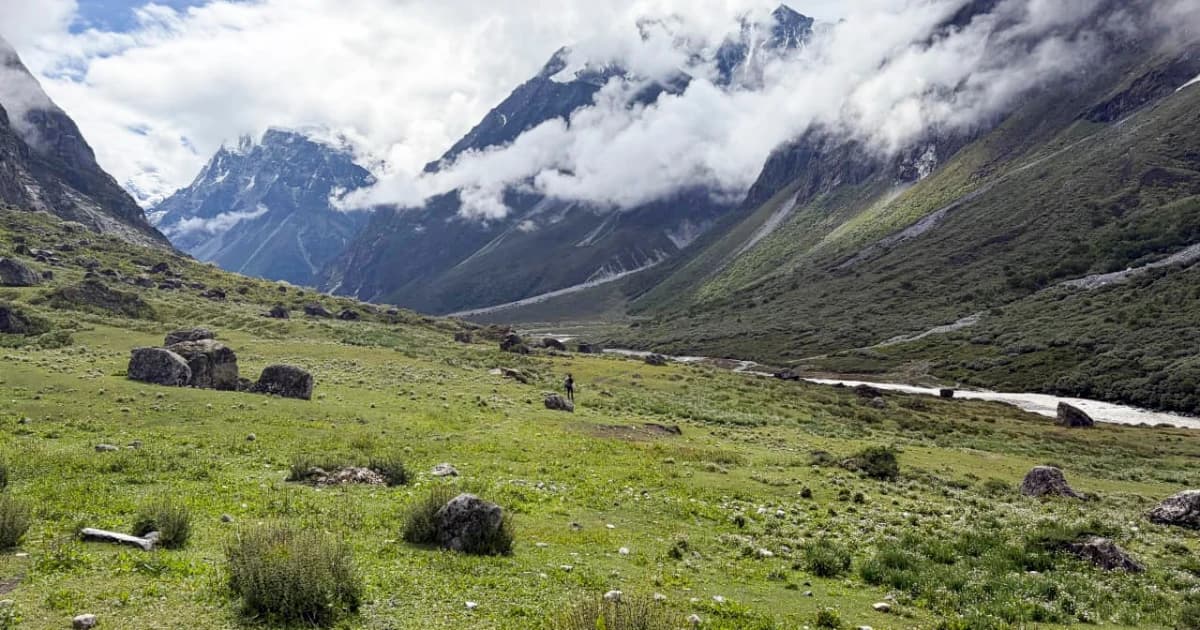
If you're thinking about trekking in Langtang now, you're probably asking the same question everyone else is: is it even possible, and is it worth it? Here's an honest look at where things stand.
What Happened in Rasuwa
Rasuwa district, the gateway to Langtang, has been hit hard in recent years by flash floods and glacial lake outburst events along the Bhotekoshi and Trishuli river systems. Intense monsoon rainfall combined with unstable glacial terrain sent walls of water and debris down narrow valleys, damaging roads, bridges, hydropower infrastructure, and in some cases entire sections of riverside settlements. Rasuwagadhi and stretches of the Kathmandu–Rasuwa highway bore the brunt of it, cutting off the usual road access that trekkers rely on to reach the trailhead at Syabrubesi.
It's worth remembering, too, that this isn't Langtang's first brush with disaster. The 2015 earthquake triggered a devastating landslide that destroyed Langtang village itself, killing hundreds of people, including many trekkers and porters. The community rebuilt from almost nothing. So when another disaster struck the same region, there was a grim sense of déjà vu — but also a community that, unfortunately, has learned how to recover.
Because conditions on the ground can shift quickly after events like this — road repairs, bridge rebuilds, and permit rules all change — it's worth checking with a local trekking agency or the Nepal Tourism Board for the latest situation before you book anything.
The Langtang Valley Today
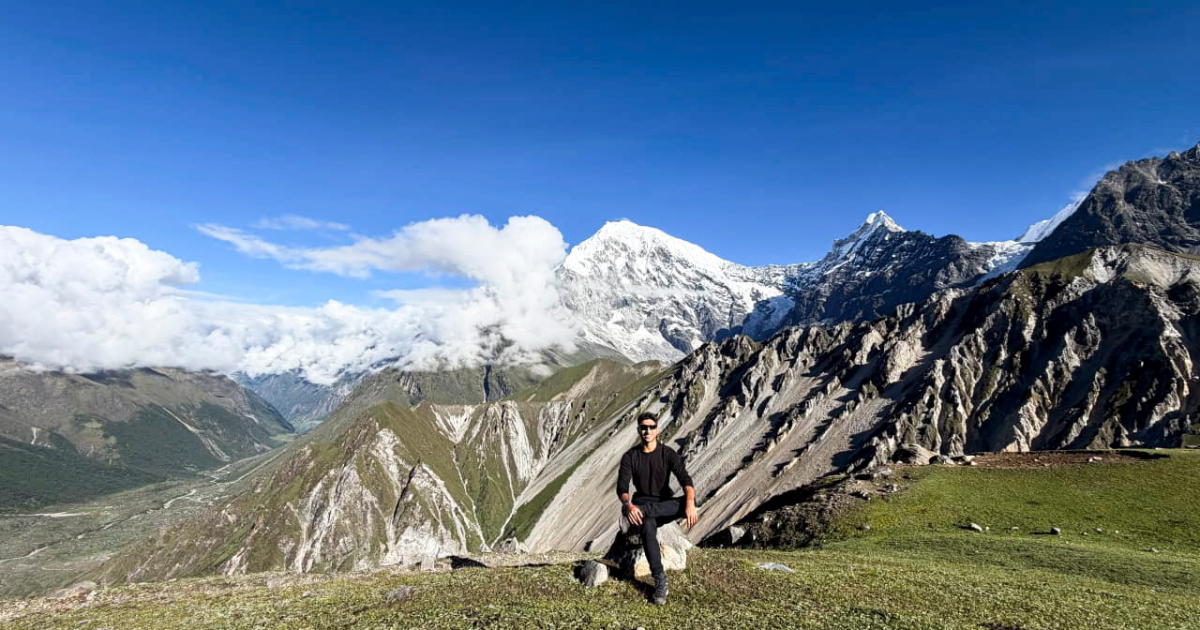
Here's the part that surprises a lot of people: Langtang Valley itself, higher up past the flood-affected lower sections, has largely remained trekkable. The damage from flash floods tends to concentrate in the lower river valleys and access roads rather than the high alpine trail network above Lama Hotel and Langtang village. That said, "trekkable" doesn't mean "identical to before."
Some trekkers have reported detours around damaged bridges, temporary suspension crossings, and sections of trail that have been rerouted slightly uphill where the original path washed out. Teahouses along the lower stretches of the route, particularly those closest to the river, have had to rebuild or relocate in some cases. Higher up, near Kyanjin Gompa, the classic postcard views — the glacier, the cheese factory, the monastery — are still very much there.
Getting to the Trailhead
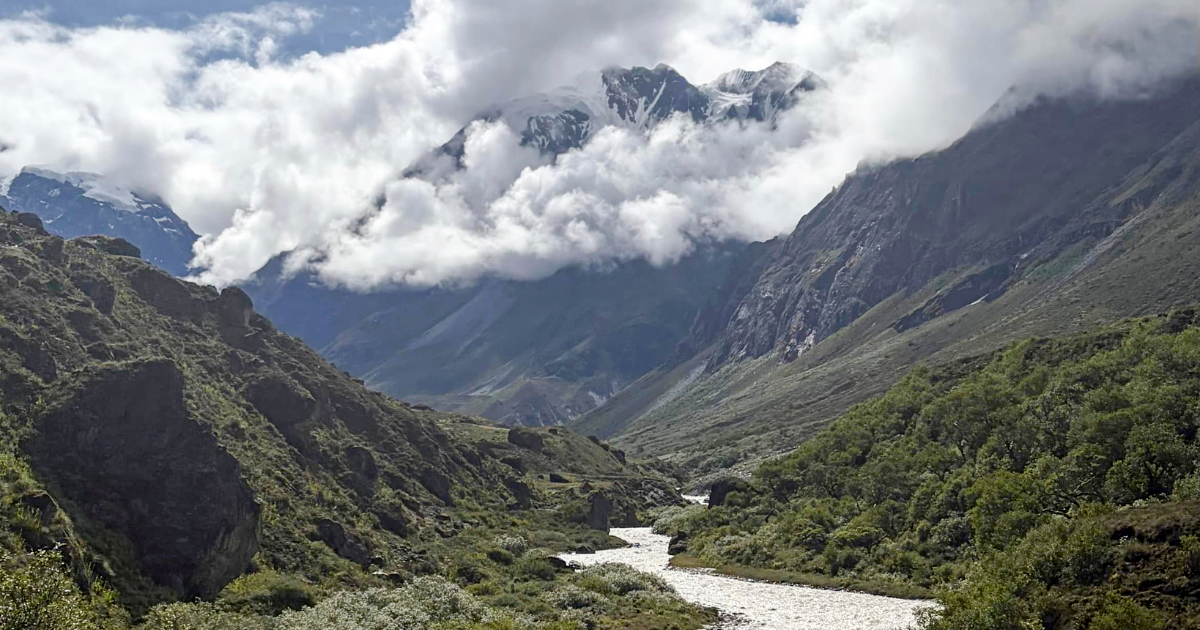
This is honestly where most of the disruption lives. The road from Kathmandu to Syabrubesi, which used to be a bumpy but reliable 7-to-9-hour drive, has faced repeated closures and slow spots due to landslides and flood damage along the Trishuli corridor. Some sections have needed temporary diversions through unpaved detour roads, which can add hours to the journey depending on the season and recent weather.
If you're planning this trek, build in flexibility and re-route the plan. Don't schedule a tight itinerary where you fly out the same day you finish. Road delays of a few hours to a full day aren't unusual right now, and trying to rush the journey in a place recovering from flood damage is a good way to turn a minor inconvenience into a real problem.
Local Communities and Quiet Resilience
What doesn't always make it into trip reports is how the Tamang communities of Rasuwa have responded. These are the same families who lost homes, guesthouses, and loved ones in 2015, and many of them are once again rebuilding lodges, clearing debris from trails, and reinforcing riverside paths with their own hands and very limited outside support. Tourism is the economic backbone of this valley. Every trekker who returns isn't just chasing a view — they're putting money directly back into a recovery effort that doesn't get much international attention.
If there's one thing seasoned Nepal guides will tell you, it's that responsible tourism after a disaster isn't about avoiding the region out of caution. It's about going with the right expectations, hiring local guides and porters, staying in locally-run teahouses, and being patient with a system that's still catching its breath.
Is It Safe to Trek Right Now?
This is the honest, slightly unsatisfying answer: it depends on timing, weather, and how recently conditions have been checked. Post-monsoon and pre-monsoon periods — roughly October to November and March to May — remain the most stable windows, as they always have been for Langtang. Trekking during or immediately after heavy monsoon rains carries an elevated risk of landslides and further flooding along the access road and lower trail sections, disaster or no disaster.
Why Langtang Is Still Worth It
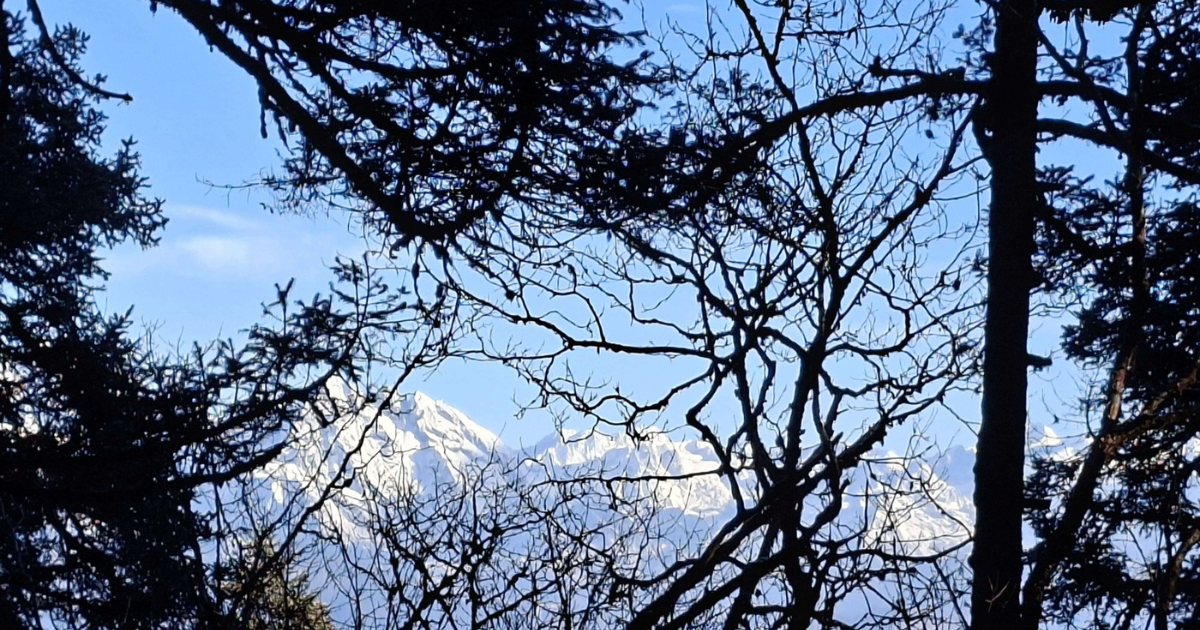
It would be easy to write Langtang off as "complicated right now" and point people toward Annapurna or Everest region alternatives instead. But that misses what makes this valley special. Langtang offers a shorter, less crowded alternative to the more famous circuits, with scenery that genuinely rivals anything in Nepal — turquoise glacial ice, dramatic ridgelines, and a cultural texture shaped by Tibetan Buddhist tradition that feels distinct from other trekking regions.
Trekking Langtang now also means something a little different than it used to. You're not just there for the views. You're walking through a landscape that has been knocked down twice and has, twice, started rebuilding. There's a quiet dignity in that, and trekkers who go now with open eyes and reasonable expectations tend to come back talking not just about the mountains, but about the people.
The Rasuwa flash floods changed the logistics of getting to Langtang, and they've added a layer of uncertainty that didn't used to be there. They haven't erased the trek. If you go in with flexibility, a good local guide, and a willingness to check current conditions before you commit to dates, Langtang Valley is still one of the most rewarding treks in Nepal — arguably more meaningful now than it's ever been.
Need Help? Call Us+977 9856073085orChat with us on WhatsApp
Latest Travel Blogs
Oct 12, 2026By ABC
Why Trek to Everest Base Camp in 2027: 10 Reasons to Go
Oct 06, 2026By ABC
Trekking the Annapurna Circuit in September
Need Help? Call Us.+977 9856073085