Understanding What Actually Happened in Rasuwa
Rasuwa district sits in north-central Nepal, close to the Tibet border, and it's no stranger to extreme weather. Heavy monsoon rain, combined with glacial melt and unstable slopes, triggered a flash flood that damaged roads, bridges, and riverside settlements in the region. The Trishuli River corridor, a lifeline for transport between Kathmandu and areas further north, took a significant hit. Hydropower stations were affected, sections of highway were washed out, and several communities had to rebuild homes and livelihoods from scratch.
This is genuinely a tragedy for the people of Rasuwa, and it's worth acknowledging that before we even get to the trekking logistics. Behind every "impacted route" headline are real families dealing with real loss.
Now, here's the important geographical point: Rasuwa is primarily the gateway to the Langtang region , not Manaslu. The Manaslu Circuit Trek lies in Gorkha district, accessed via a completely different road network heading toward Soti Khola and Machha Khola, well to the west of Rasuwa. So the flash flood did not directly strike the Manaslu trail itself. That said, Nepal's infrastructure is more interconnected than people assume, and a disruption in one region can still ripple outward in subtle ways.
Why Manaslu Trekkers are still asking Questions
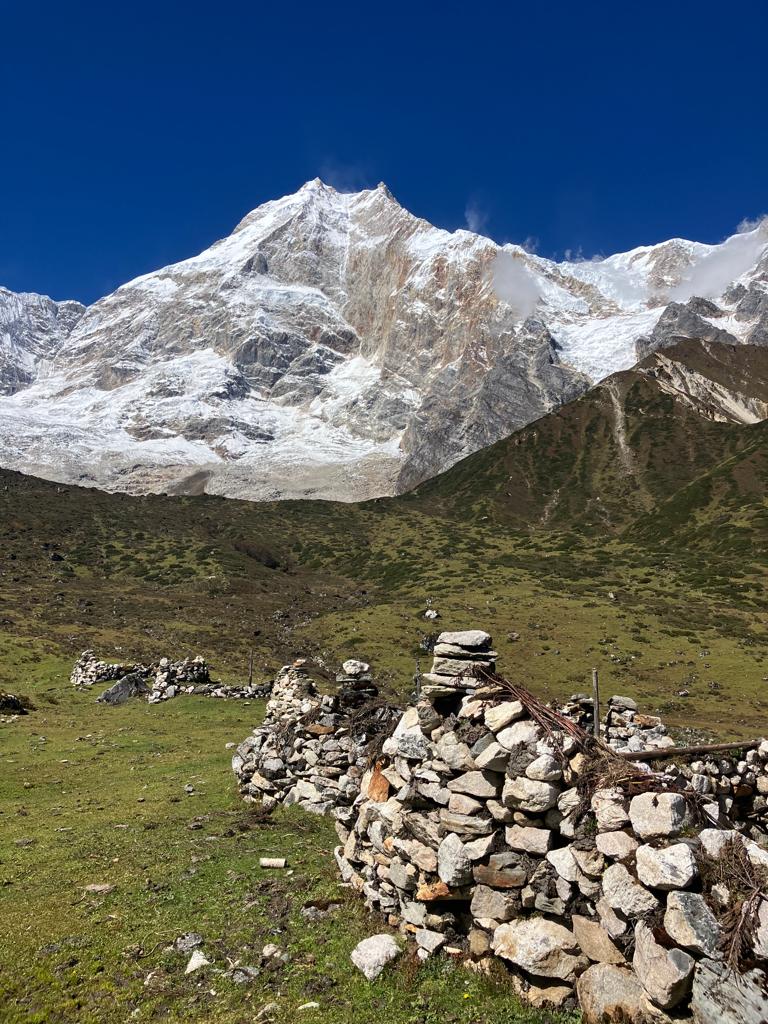
Even though Rasuwa and Manaslu are geographically distinct, there are a few reasons the flashflood has trekkers second-guessing their Manaslu plans.
First, monsoon-driven flash floods rarely happen in isolation. When one river system floods dramatically, it's usually a sign of an unusually intense monsoon season across a wider swath of the country, including the hills feeding into the Budhi Gandaki River, which the Manaslu Circuit follows for much of its route. Trekkers are right to wonder whether the same weather pattern could affect trail conditions along the Budhi Gandaki valley.
Second, road access to trailheads across Nepal often depends on the same limited highway network. Damage to bridges or highway sections, even outside the immediate trekking region, can affect vehicle availability, detour routes, and travel times for jeeps and buses heading to more remote starting points.
Third, and perhaps most simply, news of disaster in one part of Nepal makes travelers cautious about the whole country. That's a natural, understandable reaction, even when it's not always proportionate to the actual risk on a specific trail.
Current Ground Reality on the Manaslu Trail
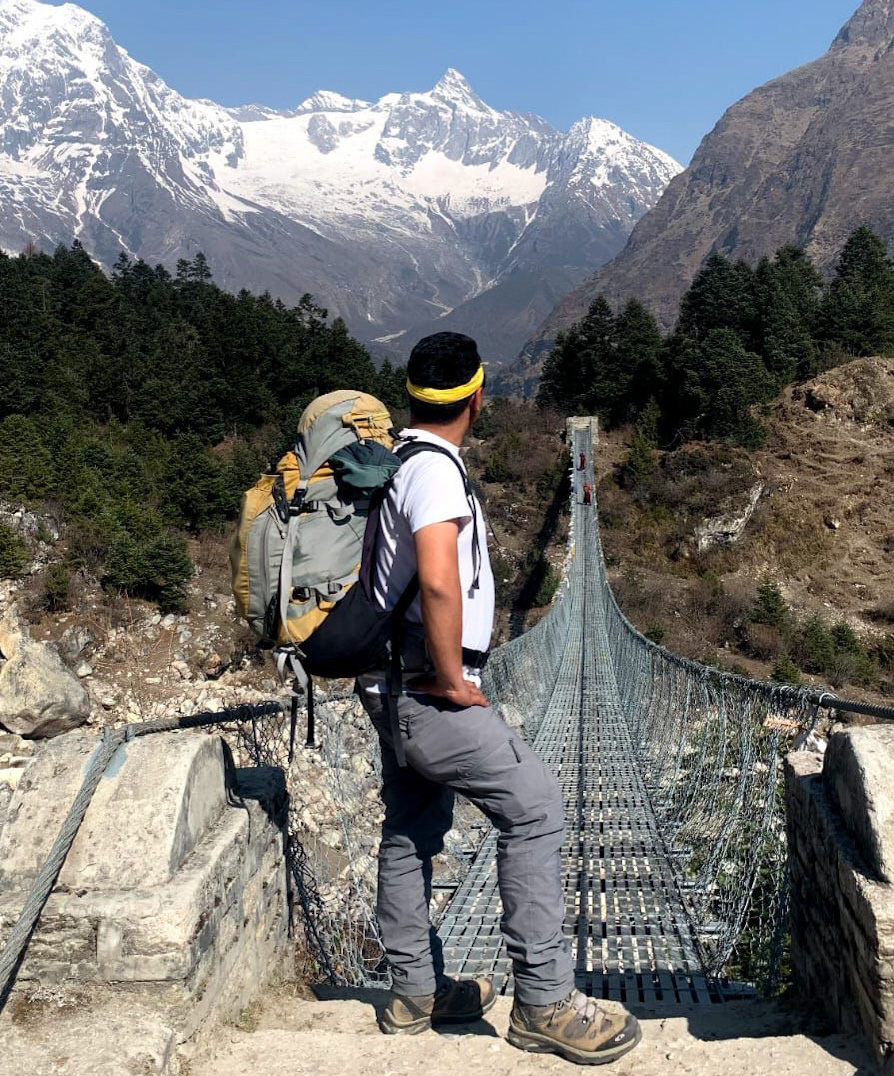
As of the most recent reports, the Manaslu Circuit Trek route itself, from Soti Khola through Machha Khola, Jagat, Deng, Namrung, Samagaon, and up to the Larkya La pass, has not reported direct flash flood damage tied to the Rasuwa event. The trail follows the Budhi Gandaki gorge, which has its own history of landslides and trail-section rerouting during heavy monsoon periods, but this is a routine seasonal concern rather than a new crisis linked to Rasuwa.
That said, I'd gently push back on anyone claiming with total confidence that "everything is 100% normal." Nepal's mountain infrastructure changes quickly and quietly. A landslide can close a suspension bridge for a week. A monsoon downpour can wash out a short trail section that gets patched together with bamboo and rope within days. This is simply the rhythm of trekking in the Himalaya, flash flood or not.
The honest, responsible answer is this: conditions should always be verified close to your departure date, ideally through your trekking agency, the Nepal Tourism Board, or local guides based in Gorkha, rather than relying on outdated blog posts (including this one).
What This Means for Your Trip Planning
If you're planning a Manaslu Circuit Trek in the near future, here's a grounded way to think about it.
Start by separating regional news from route-specific facts. It's easy to read "flash flood in Nepal" and mentally apply that anxiety to any trek in the country. Instead, ask specifically about the Budhi Gandaki valley, the Soti Khola access road, and the villages you'll actually be passing through.
Build in a buffer day or two, especially if you're trekking during or right after peak monsoon season (roughly June through August). This isn't a Rasuwa-specific precaution; it's smart practice for any teahouse trek in Nepal during unstable weather months. A short delay due to a temporary trail closure is common and rarely dangerous if you simply wait it out.
Talk directly to your guide or agency about current road access to Machha Khola or Soti Khola. Since ground transport for many treks originates in Kathmandu, it's worth confirming whether any detours are needed due to unrelated regional road repairs, even if the trail itself is unaffected.
Consider trekking with a licensed guide, which is now mandatory for the Manaslu Circuit due to its restricted-area status anyway. Guides based locally tend to have same-day knowledge of trail and weather conditions that no blog, including this one, can fully replicate.
A Word on Nepal's Resilience
It's worth stepping back and saying something that often gets lost in disaster headlines: Nepal's trekking communities are remarkably resilient. Trail sections damaged by landslides or floods are often repaired with impressive speed, sometimes within days, because local livelihoods depend directly on trekking tourism. Teahouse owners, porters, and guides have a strong incentive to get routes operational again quickly and safely.
This doesn't mean risk should be ignored. It means that a flash flood in one district, however serious for the people living there, doesn't automatically translate into danger on a trek happening in a different valley entirely.
The Rasuwa flash flood is a real and serious event, and it deserves attention, sympathy, and support for the communities affected. But if your question is specifically about the Manaslu Circuit Trek, the geography tells a reassuring story: the two regions are separated by different valleys, different access roads, and different rivers.
Still, "reassuring" isn't the same as "guaranteed." Nepal's mountains operate on their own terms, especially during monsoon season. The best approach isn't blind confidence or excessive fear; it's simply staying informed close to your trek dates, working with people who know the trail today, and building a little flexibility into your itinerary.
If you do that, there's no reason a flash flood two valleys over should keep you from experiencing the quiet, dramatic, less-crowded beauty of the Manaslu Circuit.