Why March works so well for Manaslu
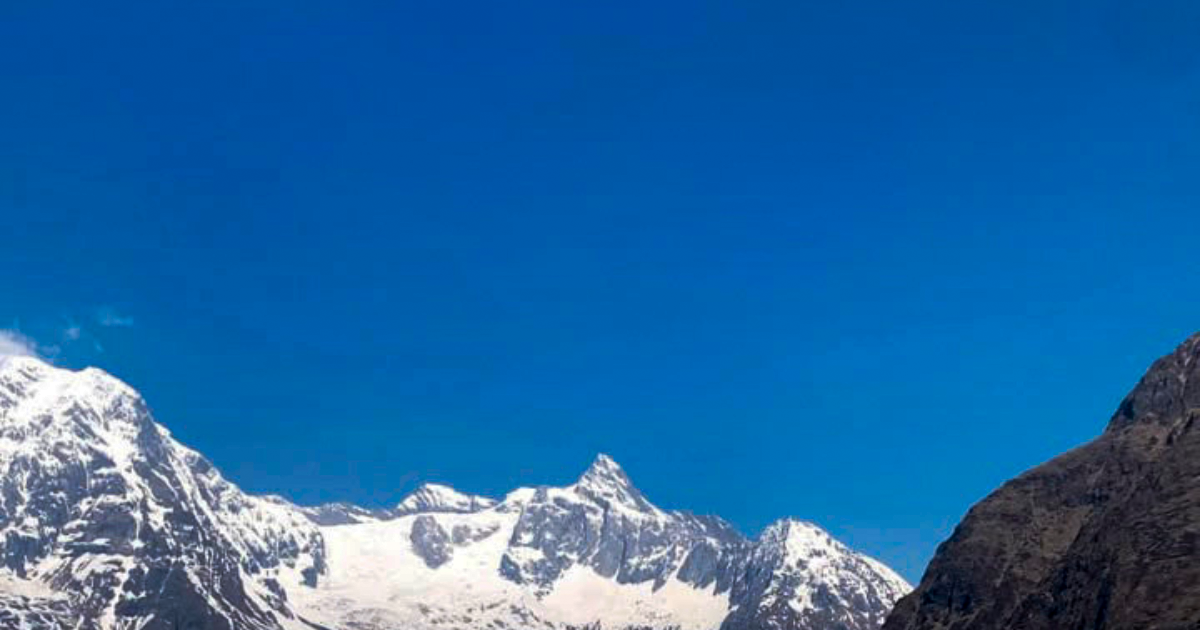
March sits right at the front edge of Nepal's spring trekking season, and that timing matters. The brutal winter cold that grips the high passes in December and January starts to loosen its hold, but the trail hasn't yet been crowded with the peak-season traffic that hits in April and May. You get a sweet spot: milder weather, clearer mornings, and trails that still feel a little wild and uncrowded.
This is also when the lower and mid-elevation forests along the route start coming alive. Rhododendron trees begin their bloom, painting the hillsides in shades of red, pink, and white as you climb through villages like Jagat, Deng, and Namrung. If you've ever wondered what it looks like when an entire forest seems to blush, this is your answer.
What the Weather Actually Feels Like
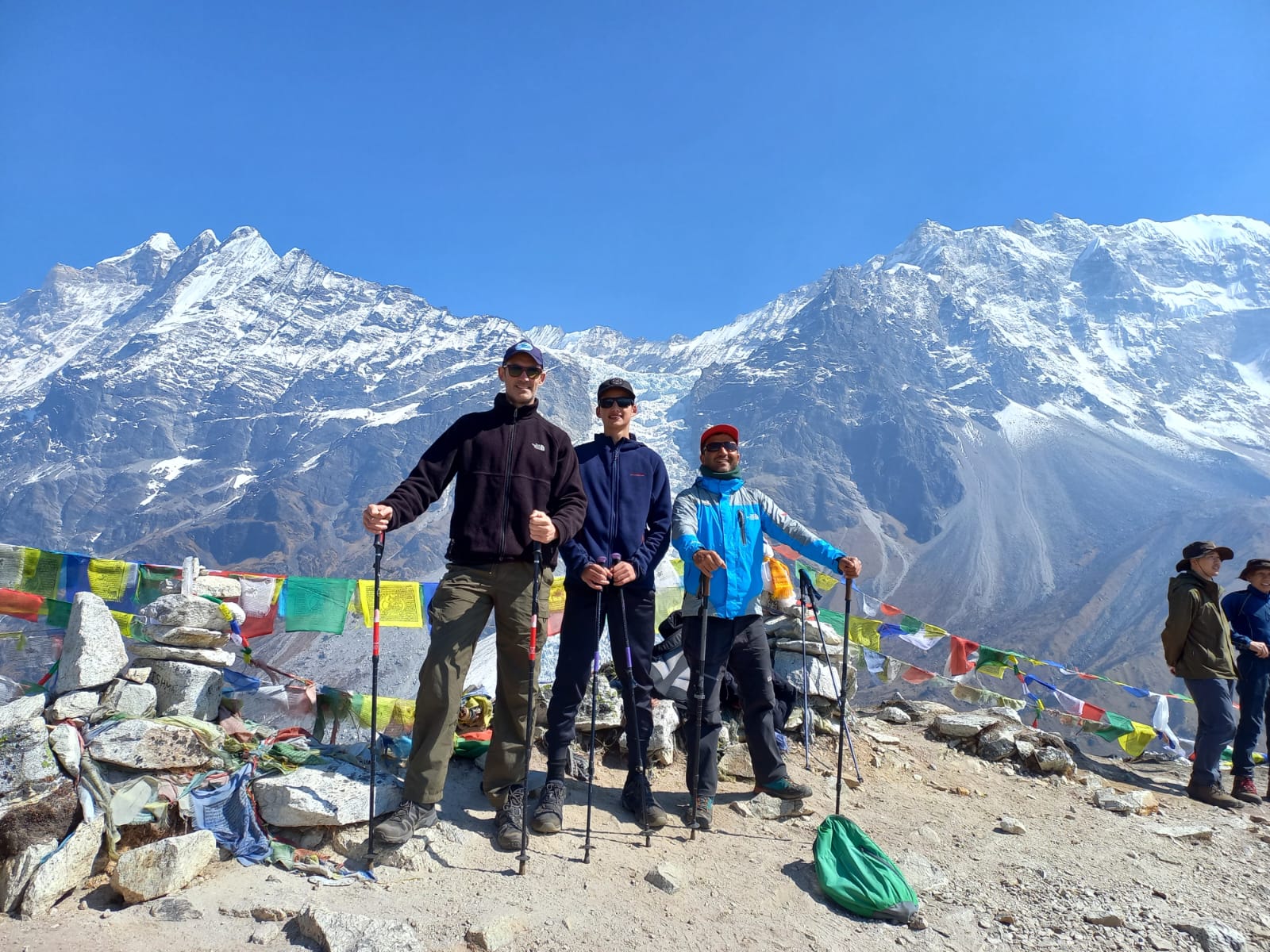
Let's be honest about this, because a lot of blogs gloss over it. March weather on the Manaslu trekking route is not uniform. Down in the lower villages, around 1,500 to 2,500 meters, days are pleasant and often warm enough to trek in a light layer. Once you start climbing past Samagaon and head toward Samdo and the Larkya La pass, things change fast.
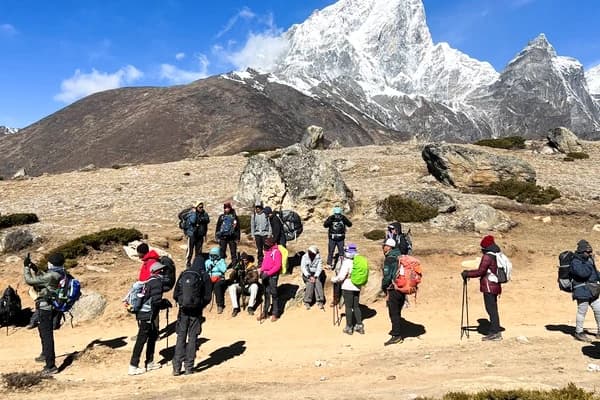
Nights at higher camps can still dip well below freezing, and the pass itself, sitting above 5,100 meters, can be bitterly cold and windy even in clear conditions. Snow is still a real possibility on the higher stretches in early March, so you'll want to pack like you're prepared for winter conditions even if the lower trail feels like spring. Layering is your best friend here. Mornings tend to be the clearest time for mountain views, with clouds sometimes building up by afternoon, so early starts are worth the effort.
The Larkya La Pass Challenge
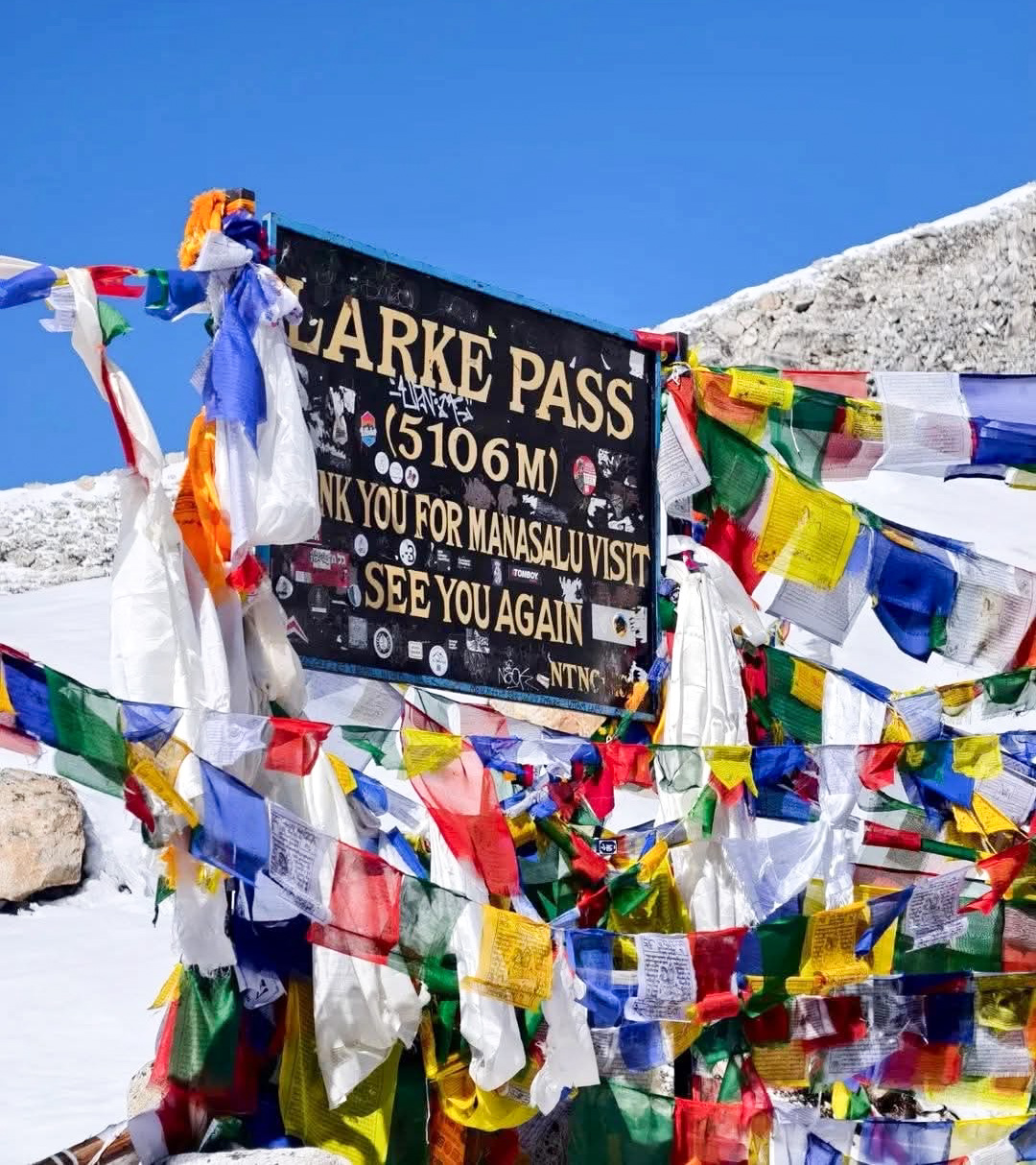
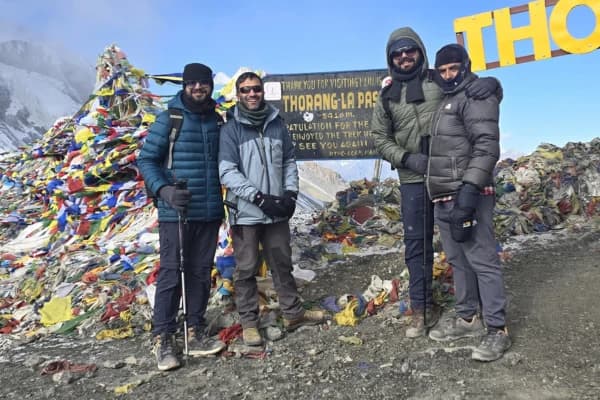
No conversation about the Manaslu Circuit is complete without talking about Larkya La, the trek's dramatic high point. In March, this pass demands respect. The trail can still be covered in snow from winter storms, and while that makes for stunning photos, it also means you'll want proper gear: solid waterproof boots, gaiters, trekking poles, and warm gloves are not optional extras.
Crossing usually happens early in the morning, often before sunrise, to take advantage of firmer snow and calmer winds before the afternoon weather rolls in. It's a long, tough day, but the payoff is enormous. Standing at the top with views stretching toward Cheo Himal, Himlung Himal, and Kang Guru is the kind of moment that makes the whole trek worth it.
Fewer Crowds, More Solitude
One of the quiet advantages of trekking Manaslu in March, especially early in the month, is how peaceful it still feels. This isn't the Annapurna Circuit or Everest Base Camp trail, where teahouses fill up fast even outside peak months. Manaslu remains a restricted region requiring a special permit and a licensed guide, which naturally keeps numbers lower.
In March, before the late-spring rush arrives, you'll often find yourself walking for long stretches with just your guide, porter, and the sound of the Budhi Gandaki River below. Teahouses have more room to breathe, owners have more time to chat, and the whole experience feels a little more personal. If solitude and a sense of discovery matter to you on a trek, early-to-mid March is a strong window.
Life in the Villages along the Way
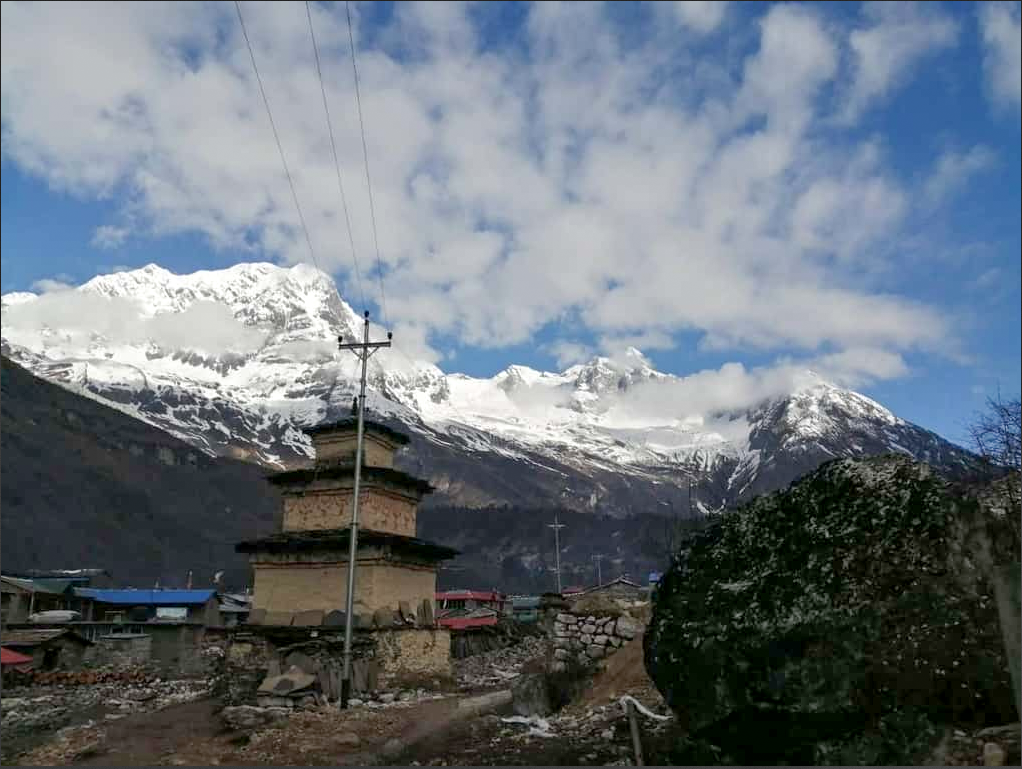
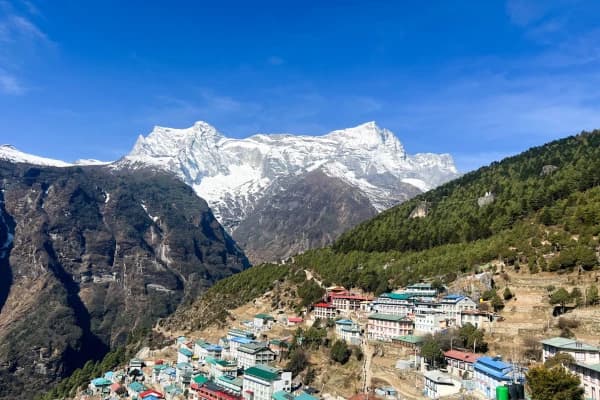
Part of what makes Manaslu special isn't just the mountains; it's the culture threaded through the trail. As you move higher, the villages shift in character. Lower down, you'll pass through communities that feel Hindu and Gurung in influence, with terraced fields and simple stone homes. Higher up, past Lho and Samagaon, the landscape and culture turn distinctly Tibetan Buddhist. Prayer flags stretch across the trail, mani walls line the paths, and monasteries sit tucked against the mountainside.
March is a good time to see daily life continuing at its normal rhythm, since the trail isn't overwhelmed with trekkers. You might catch locals preparing fields for the coming planting season or see monks going about routines in the gompas around Samagaon. These moments add texture to the trek that no viewpoint can replace.
What to Pack for a March Trek
Given the range of conditions you'll face, from mild lower valleys to brutally cold high passes, packing smart matters more than packing light. A few essentials worth prioritising:
- A four-season sleeping bag rated for well below freezing
- Insulated, waterproof trekking boots with good ankle support
- Microspikes or crampons in case of icy trail sections near the pass
- Layered clothing, including a proper down jacket for high camps
- Trekking poles, which help enormously on snowy or uneven ground
- Sun protection, since UV exposure at altitude is intense even on cool days
Don't underestimate how quickly conditions change as you climb. What feels comfortable in Machha Khola can feel like an entirely different season by the time you reach Dharamsala, the last stop before the pass.
Manaslu Circuit Trek in March means embracing a bit of unpredictability in exchange for blooming rhododendrons, quieter trails, and dramatic snow-covered high passes. It's not the easiest month, and it's not the warmest, but it rewards those willing to prepare properly with an experience that feels raw, remote, and deeply personal.
If you're the kind of trekker who values solitude over crowds and doesn't mind a little cold for the sake of untouched beauty, March might just be your perfect window into one of Nepal's most underrated treks.