
If you've been scrolling through trekking forums trying to decide when to do the Mardi Himal Trek, let me save you some time: November is one of the best months you could pick. We say "one of" because Nepal doesn't really do bad trekking seasons in autumn, but November specifically has this sweet-spot quality to it - the monsoon crowds have thinned out, the sky is criminally clear, and the trail still has that golden, crisp feel without the bone-deep cold of December.
Mardi Himal Trek in November: Why This Might Be the Best Month to Go

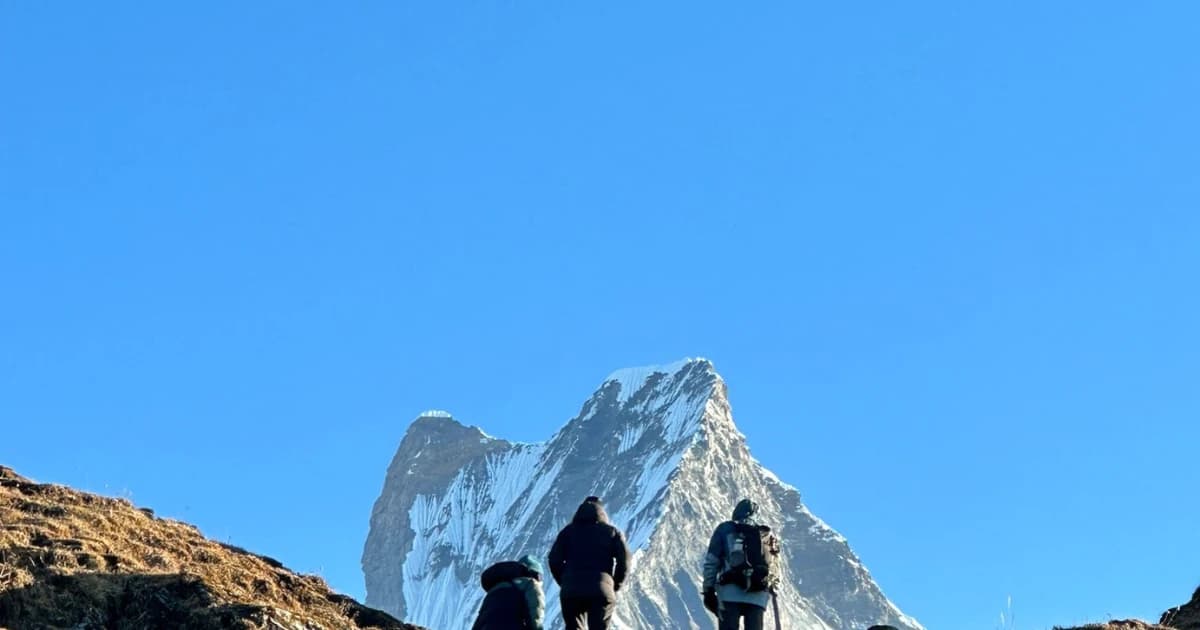
Here's what to actually expect if you're planning this trek in November, month-by-month reality rather than brochure talk.
Weather You Can Actually Rely On
By November, the monsoon is long gone, and winter hasn't fully moved in yet. Days are typically dry, sunny, and stable - you can genuinely plan your itinerary around clear mountain views instead of crossing your fingers. Daytime temperatures at lower elevations (Kande, Pothana, Deurali) hover somewhere between 15-20°C, which is pleasant hiking weather in a light jacket.
Once you climb higher toward Low Camp, High Camp, and the Mardi Himal View Point (around 4,500m), temperatures drop noticeably, especially at night. Expect nighttime lows close to freezing or a few degrees below, particularly in the latter half of November. Mornings can be frosty, and the wind at High Camp has a bite to it. This isn't extreme cold by any means, but it's real enough that packing right matters more than people expect.
Why the Views Are Worth Bragging About
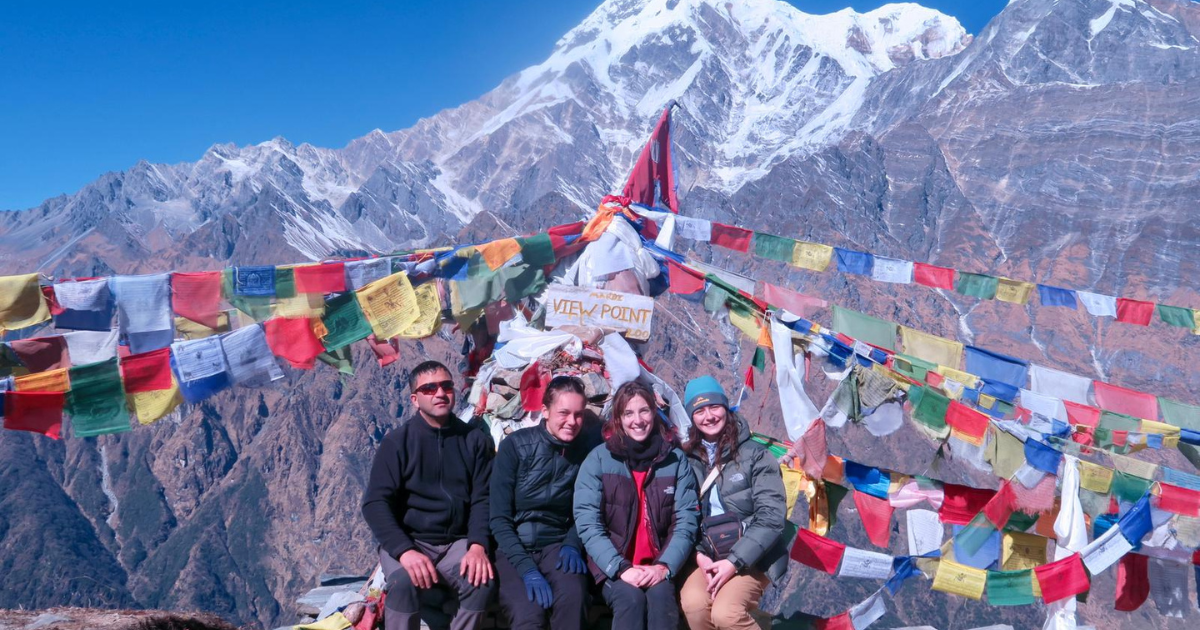
This is really the headline reason people choose November. Post-monsoon dust has settled, humidity is low, and the air has this scrubbed-clean quality that makes for some of the sharpest mountain photography you'll get all year. From the Mardi Himal viewpoint, you're staring almost eye-level at Machapuchare (Fishtail), with Annapurna South, Hiunchuli, and the broader Annapurna range filling out the rest of the horizon.
Unlike the Annapurna Base Camp or Everest Base Camp routes, Mardi Himal doesn't attract huge crowds even in peak season, so in November you get that rare combination: perfect visibility and a trail that still feels a little undiscovered.
The Trail Itself: What November Adds to the Experience
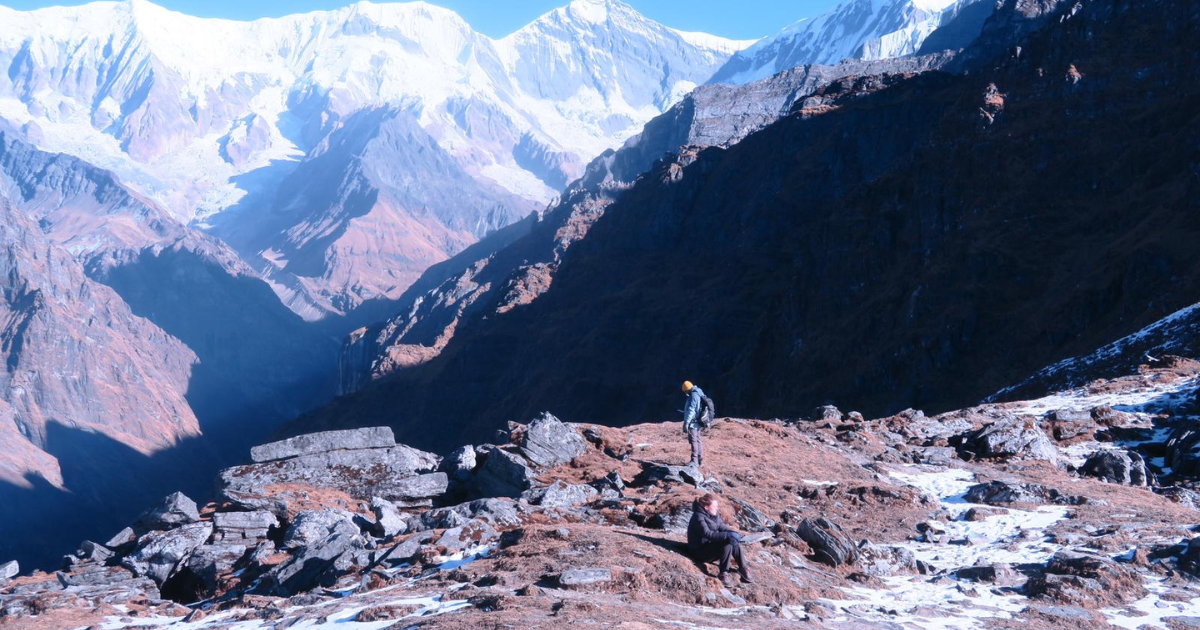
The lower sections of the trek wind through rhododendron and oak forest, and while the famous rhododendron blooms are a spring thing, the forest in November has its own character - dry leaves underfoot, thinning canopy letting more light through, and none of the leech problems monsoon trekkers complain about.
As you climb past Forest Camp and Low Camp, the vegetation shifts to rhododendron shrubs and then opens into alpine grassland near High Camp. This transition is oddly dramatic on Mardi Himal because the trek is short, so you feel the landscape changing under your feet in a way that's harder to notice on longer routes. By the time you reach the ridge leading to the viewpoint, you're walking along a narrow spine with sweeping drops on either side or full mountain panoramas ahead - genuinely one of the most photogenic stretches of trail in the Annapurna region.
Packing for the Contrast between Sun and Shade
The tricky part about November on Mardi Himal isn't extreme weather; it's the swing between conditions. Midday sun on an exposed ridge can feel warm enough for a T-shirt, while the same spot an hour after sunset needs a proper down jacket. Layering is non-negotiable here.
A few things worth having:
- A good insulated jacket for High Camp mornings and evenings
- Moisture-wicking base layers, since daytime hiking can still work up a sweat
- A warm hat and gloves for the summit push, which usually starts before sunrise
- A sleeping bag rated for at least -10°C if you're not fully trusting teahouse blankets
- Sturdy, broken-in hiking boots — the trail has some steep, occasionally slick sections.
Crowds, Teahouses, and Practical Notes
November falls within Nepal's high trekking season, so you won't have Mardi Himal entirely to yourself, but compared to Everest or Annapurna Base Camp, it still feels relatively quiet. Teahouses along the route are open and running at full capacity this time of year, though it's smart to book ahead or arrive early at High Camp, since rooms can fill up during the first half of the month when demand peaks.
Wifi and charging are available at most teahouses for a small fee, but don't expect much beyond Low Camp - this is still a fairly remote, no-frills trail, which honestly is part of its appeal.
A Few Honest Downsides
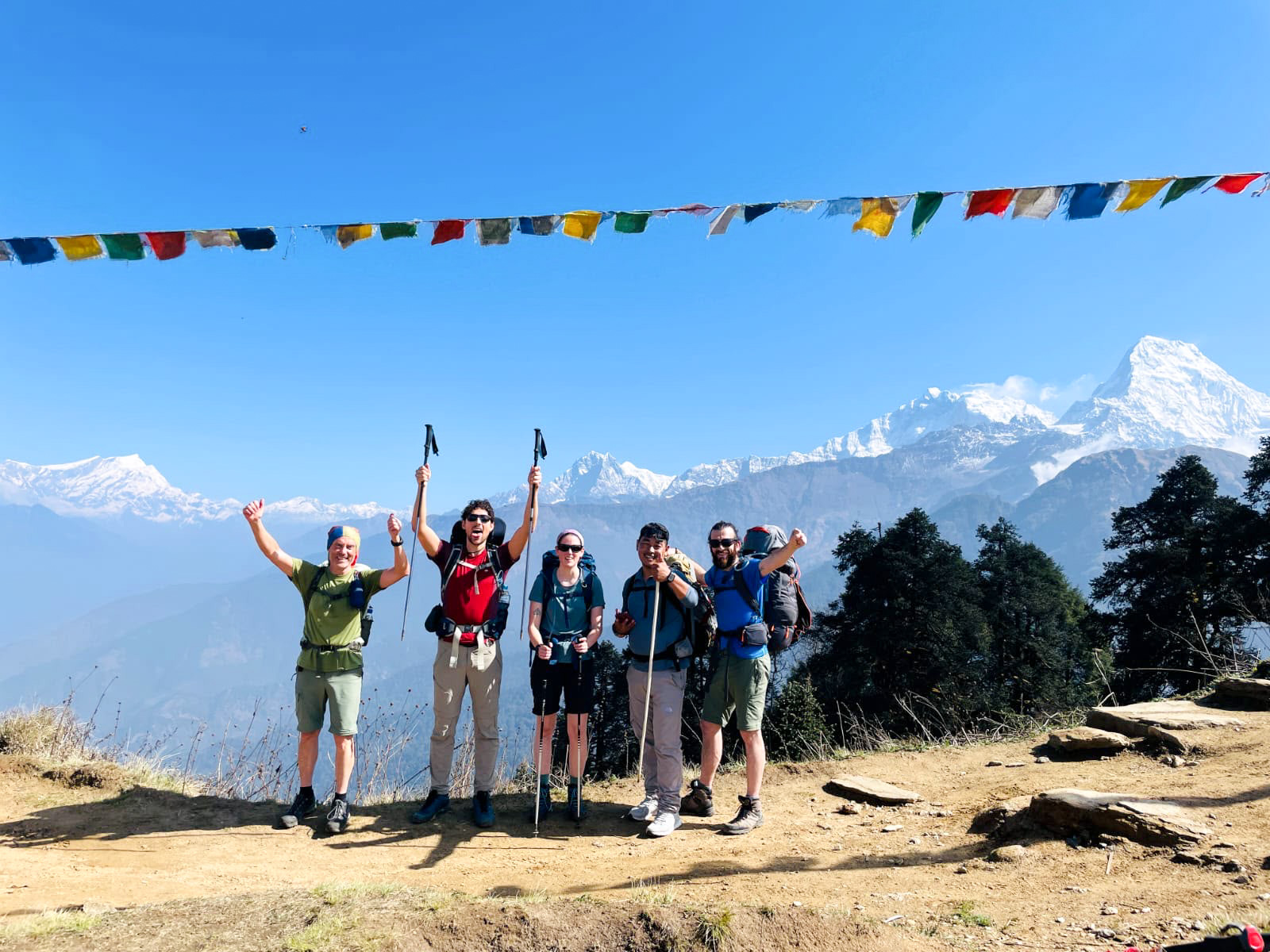
To keep this balanced: November evenings and early mornings above Low Camp are genuinely cold, and if you're someone who struggles with altitude even at moderate elevations like 4,500m, you'll want to pace yourself rather than rush the ascent. The final push to the viewpoint is also steep and can be slippery if there's been any overnight frost, so decent boots and trekking poles help more than people expect.
It's also worth noting that late November edges toward winter, so if you're trekking in the last week of the month, pack as though you're heading into properly cold conditions, not just "chilly."
Mardi Himal Trek in November strikes a balance that's genuinely hard to find elsewhere in the Himalayas: short enough to fit into a normal vacation, quiet enough to still feel personal, and clear enough that you're almost guaranteed the views you came for. If you want big mountain payoff without the crowds or the logistics of a three-week trek, this is about as good as it gets.
Whether you're doing this as a first Himalayan trek or slotting it in as a shorter add-on to a longer Nepal trip, November gives you the best version of Mardi Himal - cold enough to feel like an adventure, clear enough to feel like a reward.
Need Help? Call Us+977 9856073085orChat with us on WhatsApp
Latest Travel Blogs
Oct 12, 2026By ABC
Why Trek to Everest Base Camp in 2027: 10 Reasons to Go
Oct 06, 2026By ABC
Trekking the Annapurna Circuit in September
Oct 04, 2026By ABC
Annapurna Circuit Trek in 2027
Need Help? Call Us.+977 9856073085