Let’s find out why October is one of the best times to enjoy trekking to Mardi Himal base camp.
Why October is the Sweet Spot for Mardi Himal Trek
Nepal's trekking calendar has its favorites, and October sits right at the top for good reason. The monsoon rains have just cleared out, washing the dust off everything and leaving the air crisp and clean. Skies are typically bright blue, visibility stretches for miles, and the temperatures are pleasant enough that you're not fighting either brutal heat or bone-chilling cold.
Daytime temperatures on the lower and middle sections of the trail usually hover between 15-20°C, cooling down significantly as you climb higher. By the time you reach the upper viewpoints, nighttime temperatures can dip close to freezing, so packing layers isn't optional; it's essential. This is also peak festival season in Nepal, with Dashain and Tihar falling around this time, which means you might catch glimpses of local celebrations in the villages you pass through, adding a cultural layer to an already rewarding trip.
What Makes Mardi Himal Different
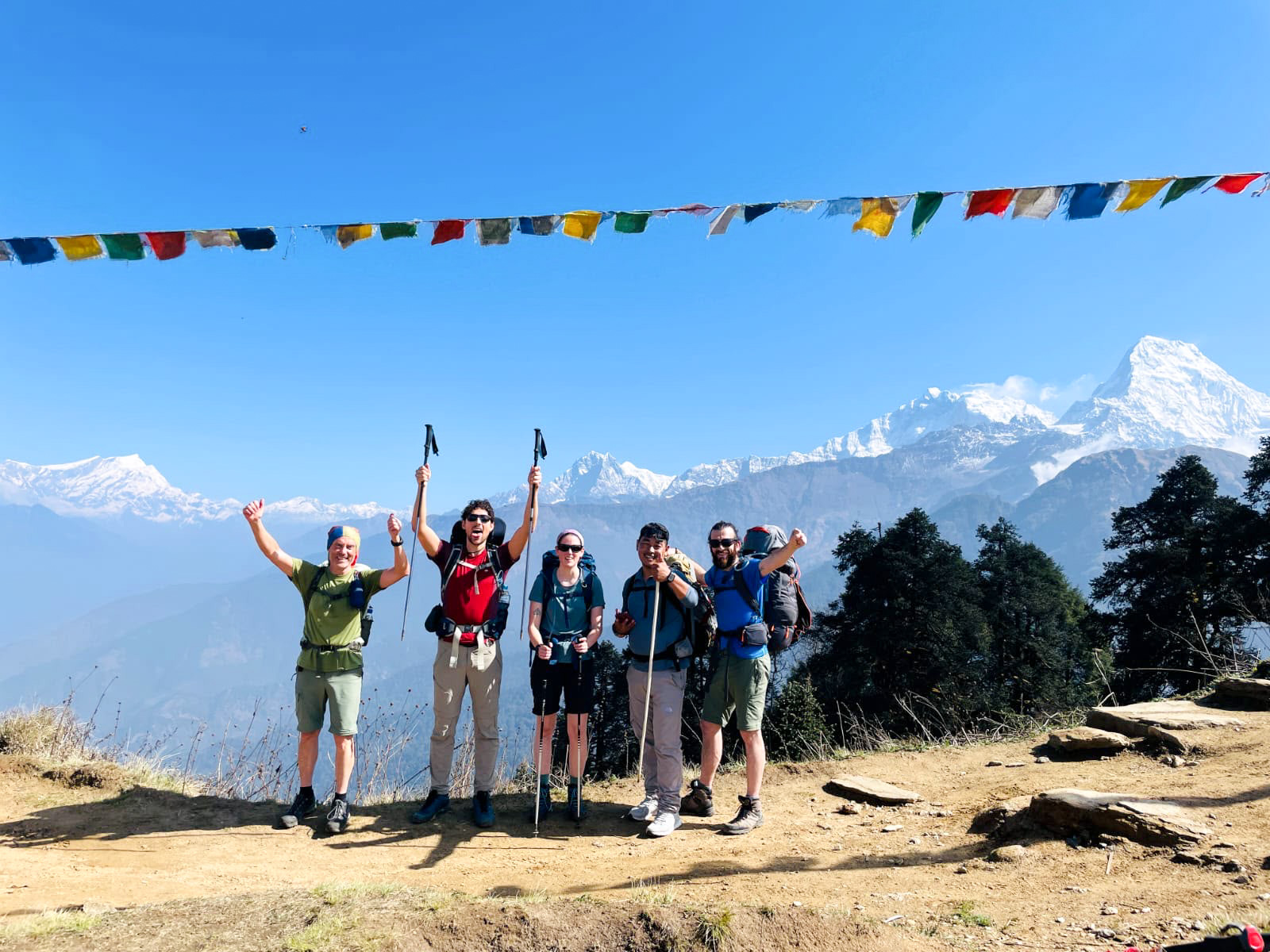
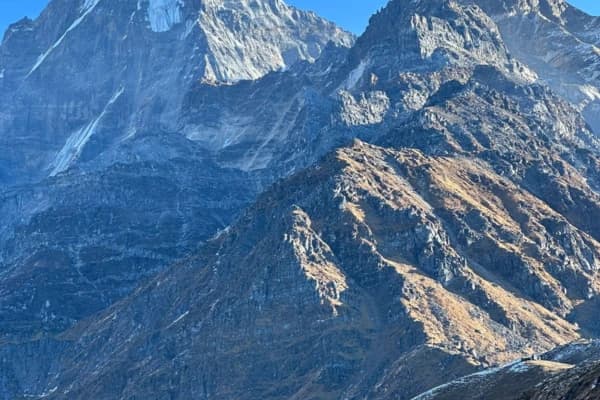
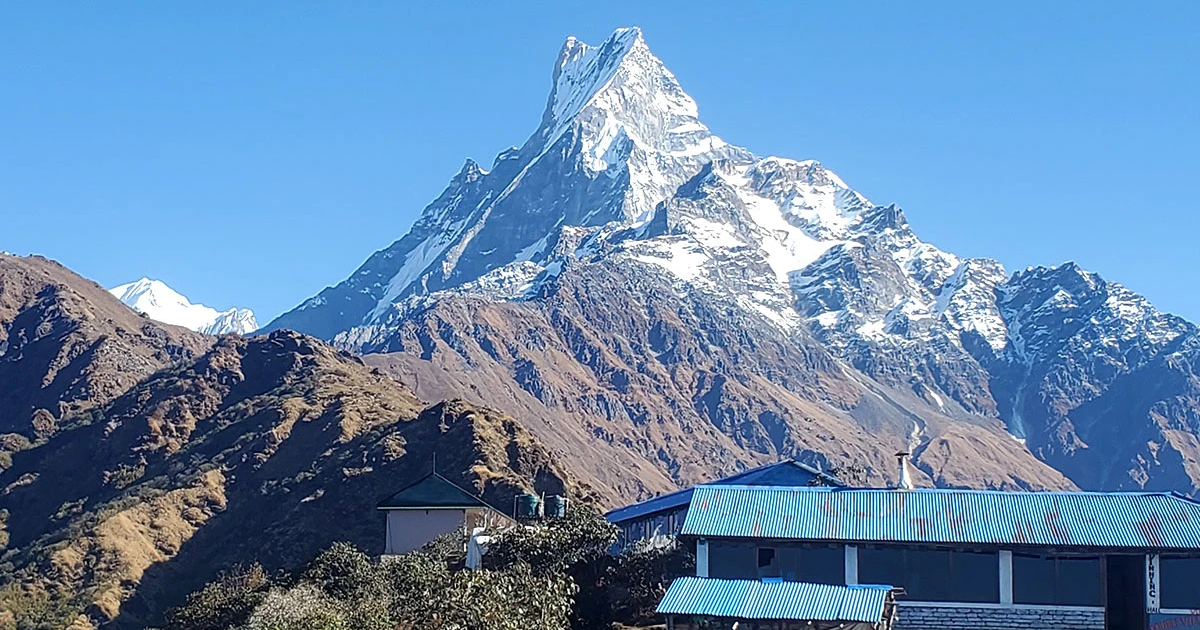
Most people who've done Poon Hill or ABC will tell you Mardi Himal feels like a different world, even though it's practically next door. The trail winds through dense rhododendron and oak forests for a good chunk of the journey, giving it a moody, almost fairy-tale quality, especially in the early morning when mist clings to the trees. It's only in the final stretch that the landscape opens up dramatically, and the forest gives way to bare ridgelines with the Annapurna massif, Machapuchare (Fishtail), and Hiuchuli towering directly in front of you.
That sudden shift from tree cover to alpine exposure is one of the trek's signature moments. Machapuchare, in particular, feels almost close enough to touch from certain viewpoints along Mardi's ridge, since the trail approaches it from an angle you don't get on other routes.
The Route, Step by Step
Most itineraries run for 5 to 7 days, depending on your pace and whether you add extra acclimatization days. Here's a general shape of how the trek usually unfolds:
Day 1: Kathmandu to Pokhara
You'll typically fly or drive to Pokhara first, then continue by road to Kande, the actual starting point of the trek. This is a short driving day meant to get you into position.
Day 2: Drive to Kande and Trek to Deurali
This is where the real walking begins, climbing steadily through forested trails. It's a good introduction to the terrain without being overly punishing.
Day 3: Deurali to Forest Camp
The trees start thinning out as you gain altitude, and the views begin opening up. High Camp sits at around 3,580 meters, and this is usually where the cold really starts to bite, especially at night.
Day 4: Forest Camp to High Camp
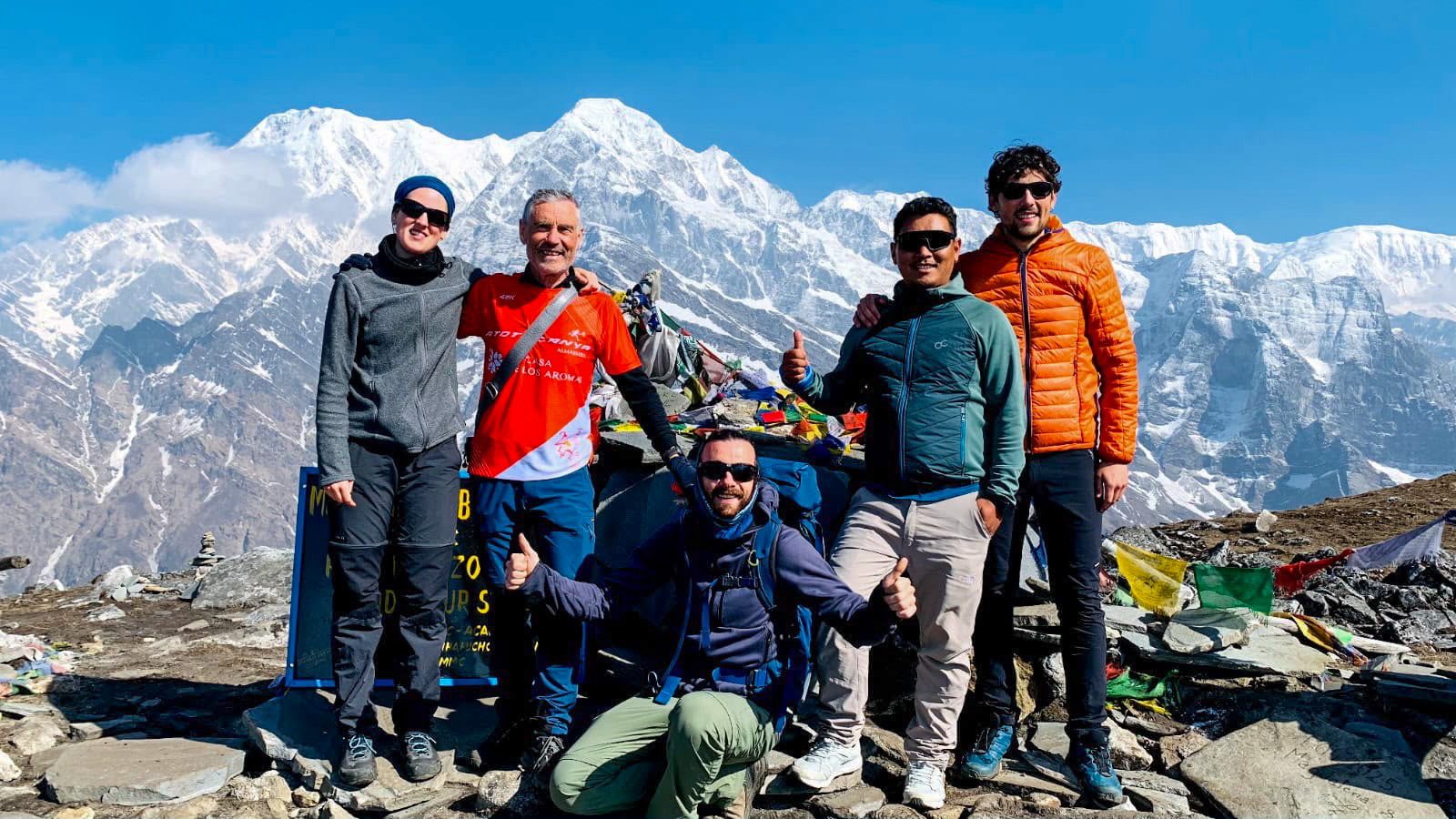
This is the big day. An early start gets you to the viewpoint (around 4,500 meters) in time to watch the sunrise light up the Annapurna range. It's genuinely one of those moments that photos never quite capture properly.
Day 5: High Camp to Base Camp and Descend back to Low Camp
The way down typically follows a different route than the way up, which is a nice touch since you get to see fresh scenery instead of retracing your steps exactly.
Day 6: Return to Pokhara
From here, most people head back to Pokhara for a well-earned hot shower and plate of food that isn't dal bhat.
Day 7: Drive or fly back to Kathmandu
It is the day to return back to Kathmandu.
What the Trail Actually Feels Like
Unlike some of Nepal's busier circuits, Mardi Himal doesn't have a constant stream of teahouses lining every few hundred meters. Accommodation is more limited, particularly at High Camp, which actually works in the trek's favor. It keeps numbers naturally lower and preserves that sense of solitude that's becoming harder to find elsewhere in the Annapurna region.
The trail itself is a mix of dirt paths, root-covered forest floor, and rocky, narrow ridgelines near the top. It's not technically difficult, but the altitude gain is real, and the final push to Base Camp will test your lungs regardless of how fit you are. Moderate fitness is enough to complete it, but a bit of pre-trek conditioning, especially cardio and stair climbing, makes the experience far more enjoyable.
Packing for October Conditions
Layering is the name of the game. During the day, especially on the forested lower sections, a light fleece or long-sleeve shirt is often enough. But once you're above the treeline or once the sun dips, temperatures drop fast. A good down jacket, thermal base layers, a warm hat, and gloves are non-negotiable for High Camp and the summit push.
Sturdy, broken-in hiking boots matter more than people expect. Some sections get muddy right after the monsoon tail-end, and ankle support helps a lot on the rockier stretches. A decent sleeping bag rated for near-freezing temperatures is also worth carrying or renting in Pokhara, since teahouse blankets alone often aren't enough at High Camp.
A Few Honest Tips
Altitude sickness is a real possibility even on a trek this "short," since you gain elevation fairly quickly for the distance covered. Drinking plenty of water, pacing yourself, and listening to your body rather than pushing through symptoms out of stubbornness makes a big difference.
It's also worth booking your teahouse spots in advance during October if you can, particularly around Dashain, since this is one of the busier months and the limited lodges at High Camp fill up quickly. A local guide or porter isn't strictly mandatory, but for first-time trekkers, having someone who knows the trail and can help navigate permits and logistics takes a lot of stress out of the experience.
Mardi Himal Trek in October offers something increasingly rare in Nepal's trekking scene: incredible mountain views without the crowds, a route that feels personal rather than commercialized, and a genuine sense of arriving somewhere few others have bothered to look. It's shorter than the big-name treks, but it doesn't skimp on the payoff.
If you're chasing that classic Himalayan moment, watching the sun hit snow-capped peaks while the rest of the world is still asleep, this trek delivers it without asking you to fight through a crowd to get the view.