
Most people book Nepal for October. I understand why. October is the safe answer, the month with the postcard skies and the guaranteed sunrises. But if you show up in September, you get something October can't give you: a mountain range that has just been washed, hillsides that are almost aggressively green, and trails where you can walk for an hour without stepping aside for anyone.
Mardi Himal Trek in September
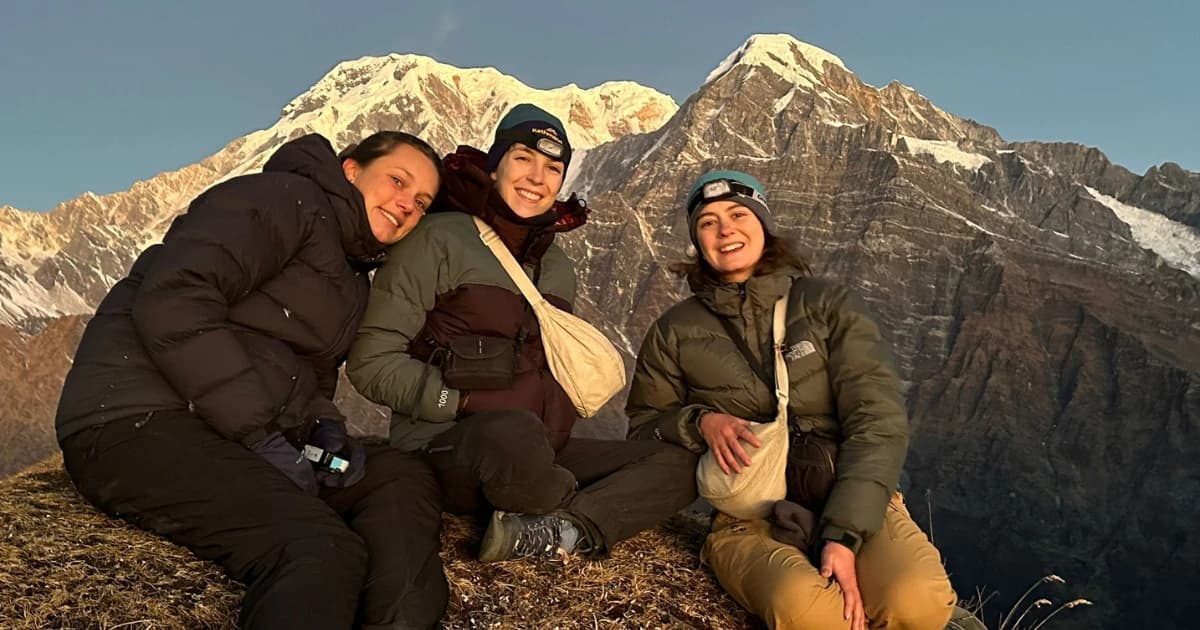
Mardi Himal is the right trek for September. It's short, it's steep in a satisfying way, and it delivers one of the best close-up views of Machhapuchhre (Fishtail) anywhere in the Annapurna region. Here's what September actually looks like for the trek, based on how the month behaves rather than how brochures describe it.
September is really two different Months
This is the single most useful thing to understand before you book anything.
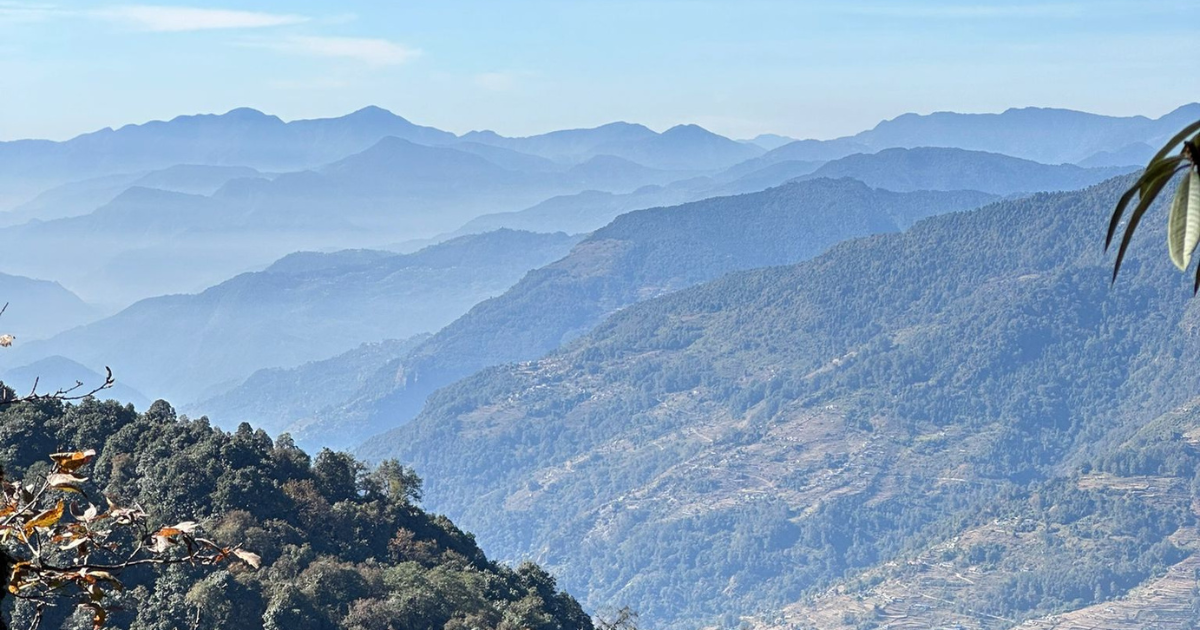
The first ten days or so are still monsoon. Rain arrives most afternoons, the forest drips constantly, and the clouds sit on the ridges like they're paying rent. You'll walk through beautiful green tunnels of moss and oak and see very little of the Himalaya.
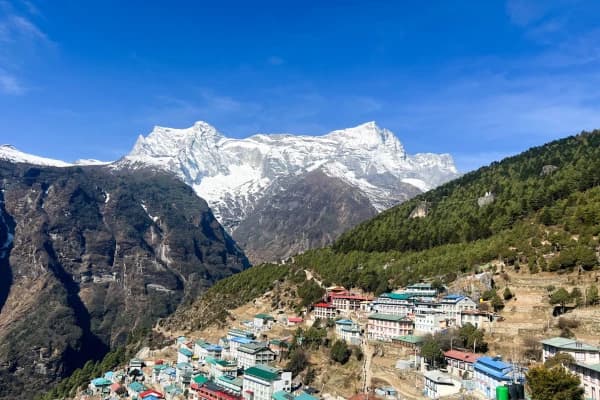
From roughly mid-September, the monsoon starts pulling back, and by the last week of the month the change is dramatic. Mornings turn sharp and clear. The air, scrubbed by three months of rain, has a clarity you won't find later in the season once dust starts building up again. Annapurna South and Hiunchuli appear with an outline so crisp it looks fake.
If your dates are flexible, aim for September 18 onward. If you're locked into the first half of the month, go anyway, but plan an extra buffer day and manage your expectations about views.
The Trade You're Making
September asks something of you and gives something back.
What it asks: mud, humidity on the lower sections, leeches in the forest, and the real possibility of a socked-in day. Some teahouses at Low Camp and High Camp open late in the month after the monsoon lull, so the higher lodges may have limited menus in early September.
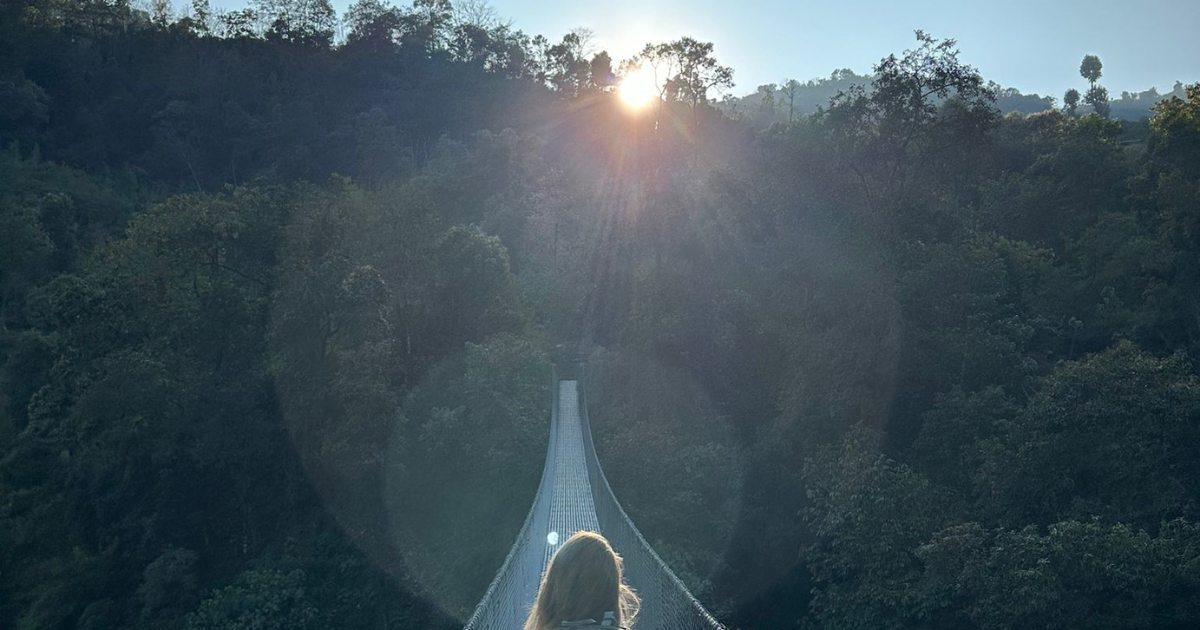
What it gives: solitude, waterfalls running at full volume, wildflowers still holding on along the ridge, warmer nights than October, and photographs where clouds move through the valley below you instead of sitting on top of you. Prices at lodges are often softer too, and you won't be negotiating for a bed at High Camp the way trekkers do in peak season.
For a lot of people that's a good trade. For anyone who needs guaranteed mountain views on a fixed three-day window, it isn't.
The Route, Briefly
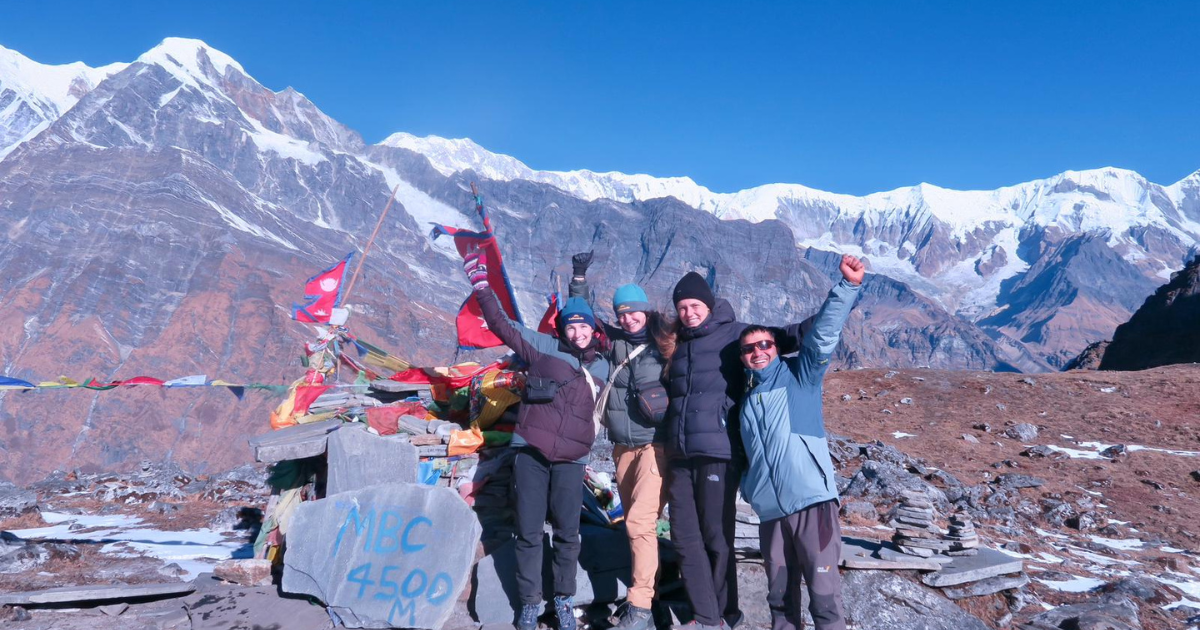
Mardi Himal follows a ridge east of the main Annapurna Base Camp trail. Most people start from Kande or Phedi, about an hour's drive from Pokhara, and climb through Australian Camp and Pothana before turning off into the rhododendron and oak forest that leads to Forest Camp.
From there it's a steady ridge climb: Forest Camp (around 2,550m), Low Camp (around 2,970m), Badal Danda (around 3,210m), High Camp (around 3,580m), and then the long open push to View Point (roughly 4,200m) and Upper View Point or Mardi Himal Base Camp (roughly 4,500m).
The magic happens above Low Camp. The forest ends, the ridge narrows, and suddenly Machhapuchhre is right there, so close that on a clear morning you can trace the ice flutes on its south face.
Packing Differently for September
The standard Nepal packing list mostly applies, with a few September-specific additions that matter more than people expect.
A proper rain jacket, not a shell that's "water resistant." Pack a cover plus a dry bag inside the pack for electronics and a change of clothes. Quick-dry everything, because cotton will not dry in that humidity. Trekking poles, genuinely useful on wet stone steps going down. A headlamp for the pre-dawn push. Salt for leeches, or just accept them; they're harmless, and flicking them off with a fingernail works fine.
Bring more layers for the top than you think. High Camp nights in September usually sit somewhere around 3 to 8°C, which is mild by Himalayan standards, but wind on the ridge above 4,000m at dawn will find every gap in your clothing.
Permits and Practicalities
You'll need an Annapurna Conservation Area Permit and a TIMS card, both arranged in Pokhara or Kathmandu. Rules around guide requirements in the Annapurna region have shifted in recent years, so confirm the current position with a registered agency before you travel rather than relying on an old forum post. Fees change too, so treat any figure you read online, including this one, as approximate.
Cash matters. There are no ATMs on the trail and card machines are unreliable. Budget for lodging, meals, hot showers, and device charging, all of which get more expensive as you climb.
September sometimes overlaps with the tail of Teej and the beginning of the Dashain build-up, which means villages along the lower route can be lively and some staff head home to family. Nothing that will derail a trek, but worth knowing if service feels thin.
Who Should Do This Trek
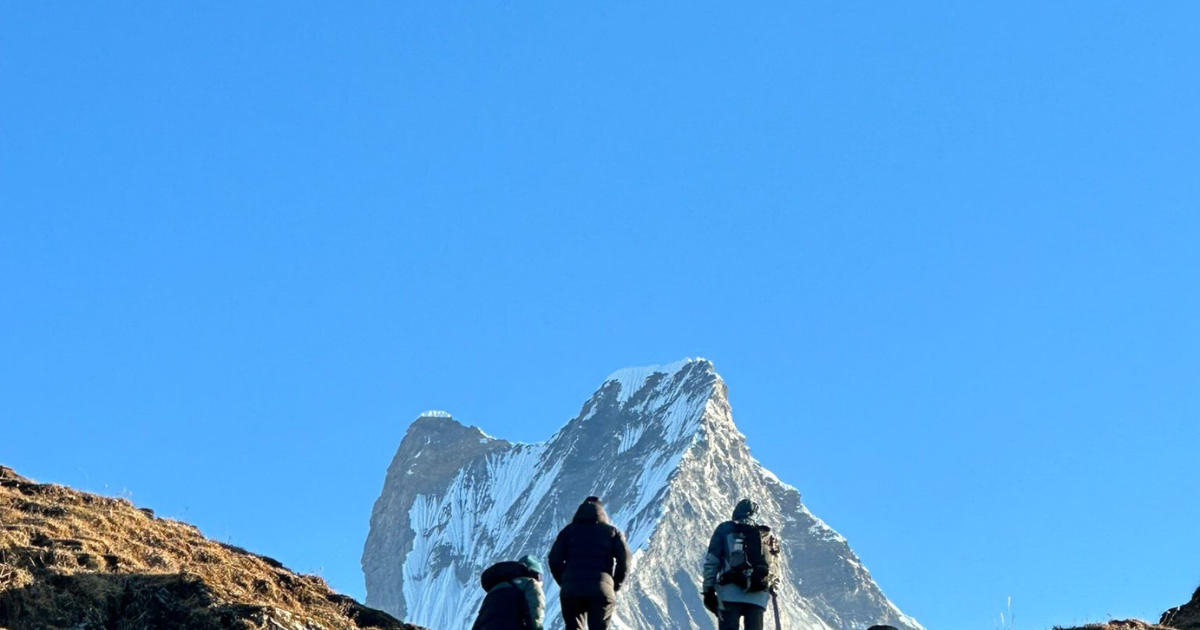
Mardi Himal suits someone with a week in Nepal, reasonable fitness, and no interest in spending eight days walking to reach the good part. The altitude is manageable, the daily distances are humane, and the payoff arrives on day three rather than day nine.
It's less suited to anyone on a rigid schedule in early September, or anyone who dislikes mud on principle.
September Trek to Mardi Himal is a gamble with good odds in the back half of the month. You might get one grey morning at High Camp and wonder why you came. Then the next dawn breaks and Fishtail turns copper in front of you; there's nobody else on the ridge, and the valley below is full of cloud that looks like an ocean.
That's the version most people remember. Go in the last two weeks, carry a real rain jacket, build in a spare day, and let the mountain decide when to show up.
Need Help? Call Us+977 9856073085orChat with us on WhatsApp
Latest Travel Blogs
Oct 26, 2026By ABC
Kailash Manasarovar Yatra 2027 Preparation Guide
Oct 12, 2026By ABC
Why Trek to Everest Base Camp in 2027: 10 Reasons to Go
Need Help? Call Us.+977 9856073085