Understand the Challenges of High Altitude
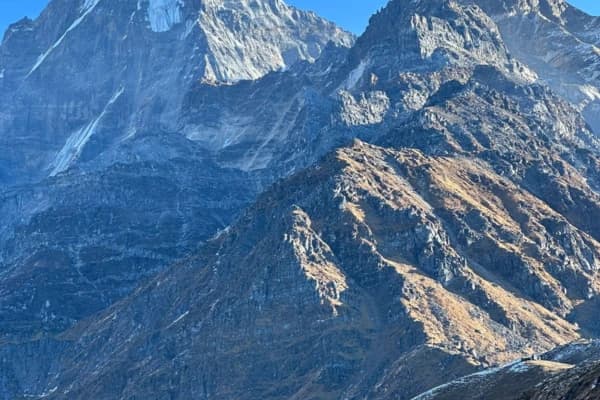
One of the most important things trekkers should know before heading into the Himalayas is how altitude affects the human body. As elevation increases, the amount of oxygen available in the air decreases. This means your body must work harder to perform even simple physical activities.
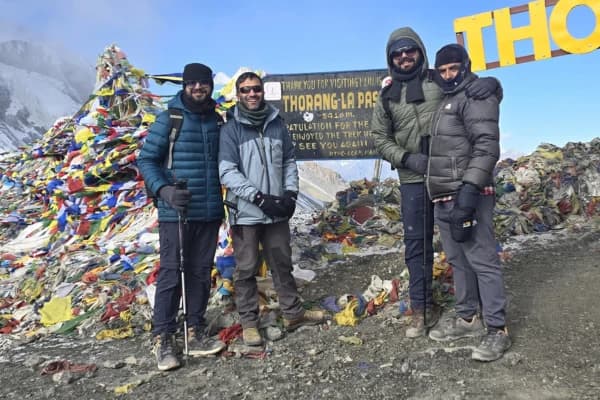
Most high-altitude treks in Nepal reach elevations above 4,000 meters, at the destinations such as Everest Base Camp, Thorong La Pass, and Gokyo Ri exceed 5,000 meters. At these heights, altitude sickness becomes a serious concern.
Understanding the symptoms of altitude sickness, including headaches, nausea, dizziness, fatigue, and loss of appetite, is essential. Early recognition and proper response can prevent more severe complications.
Choose the Right Trek for your Experience Level
Not all high-altitude treks are the same. Some routes are more demanding than others in terms of duration, elevation gain, and terrain.
For beginners, the Annapurna Base Camp Trek is often considered a great introduction to high-altitude trekking. More experienced trekkers may choose the Everest Base Camp Trek , Annapurna Circuit Trek , or Langtang Valley Trek. Those seeking remote and challenging adventures can consider the Manaslu Circuit Trek or Kanchenjunga Trek.
Selecting a trek that matches your fitness level and experience will significantly improve your overall enjoyment and safety.
Train before your Trek
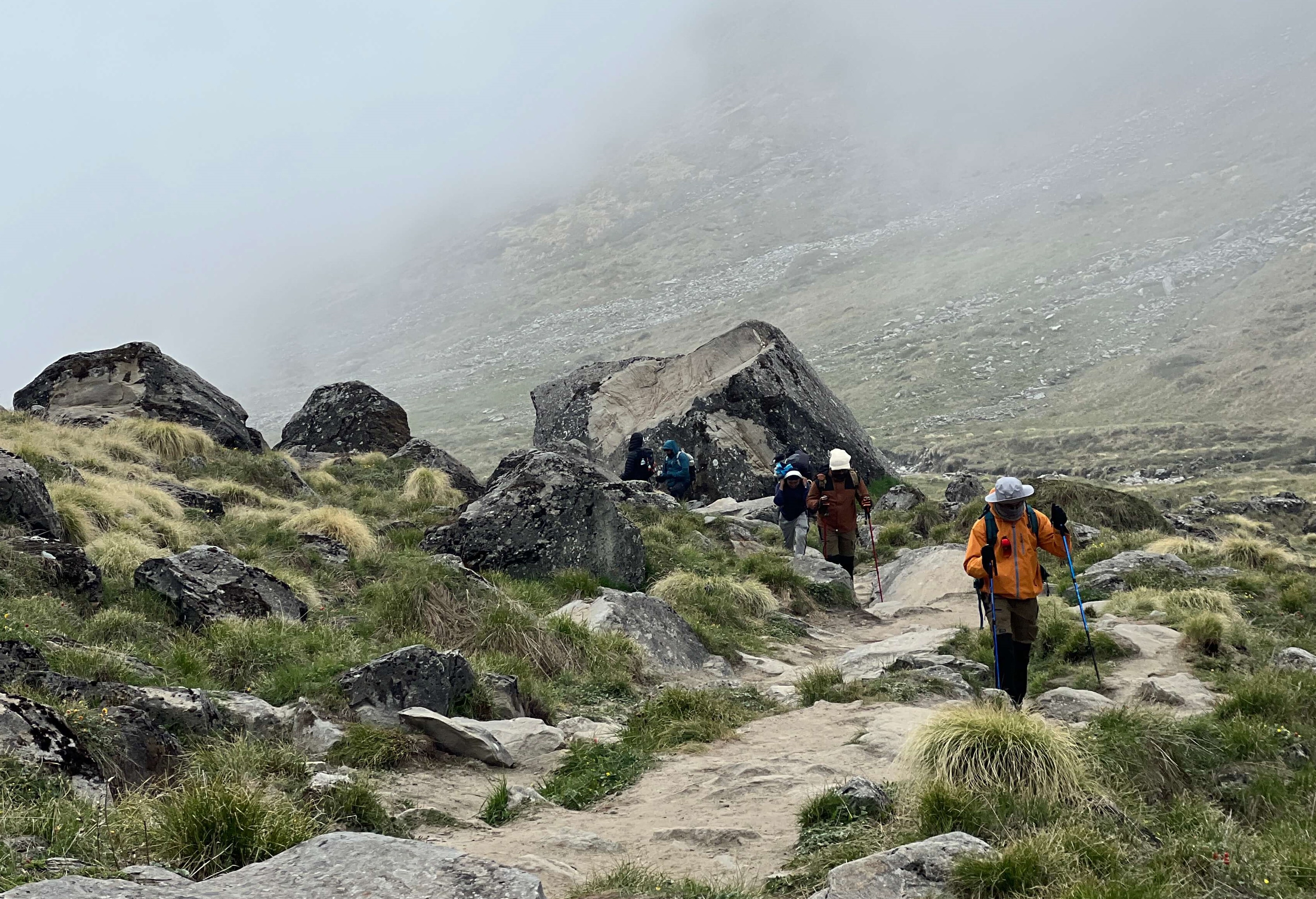
Physical preparation is one of the most overlooked aspects of trekking in Nepal. While you do not need to be an elite athlete, a good level of cardiovascular fitness is essential.
Start training at least two to three months before your trek. Focus on activities such as:
- Hiking with a backpack
- Running or jogging
- Cycling
- Stair climbing
- Swimming
Strength training for your legs and core can also help improve endurance and stability on steep mountain trails.
The fitter you are before your trek, the easier it will be for your body to cope with the physical demands of high-altitude hiking.
Acclimatize Properly
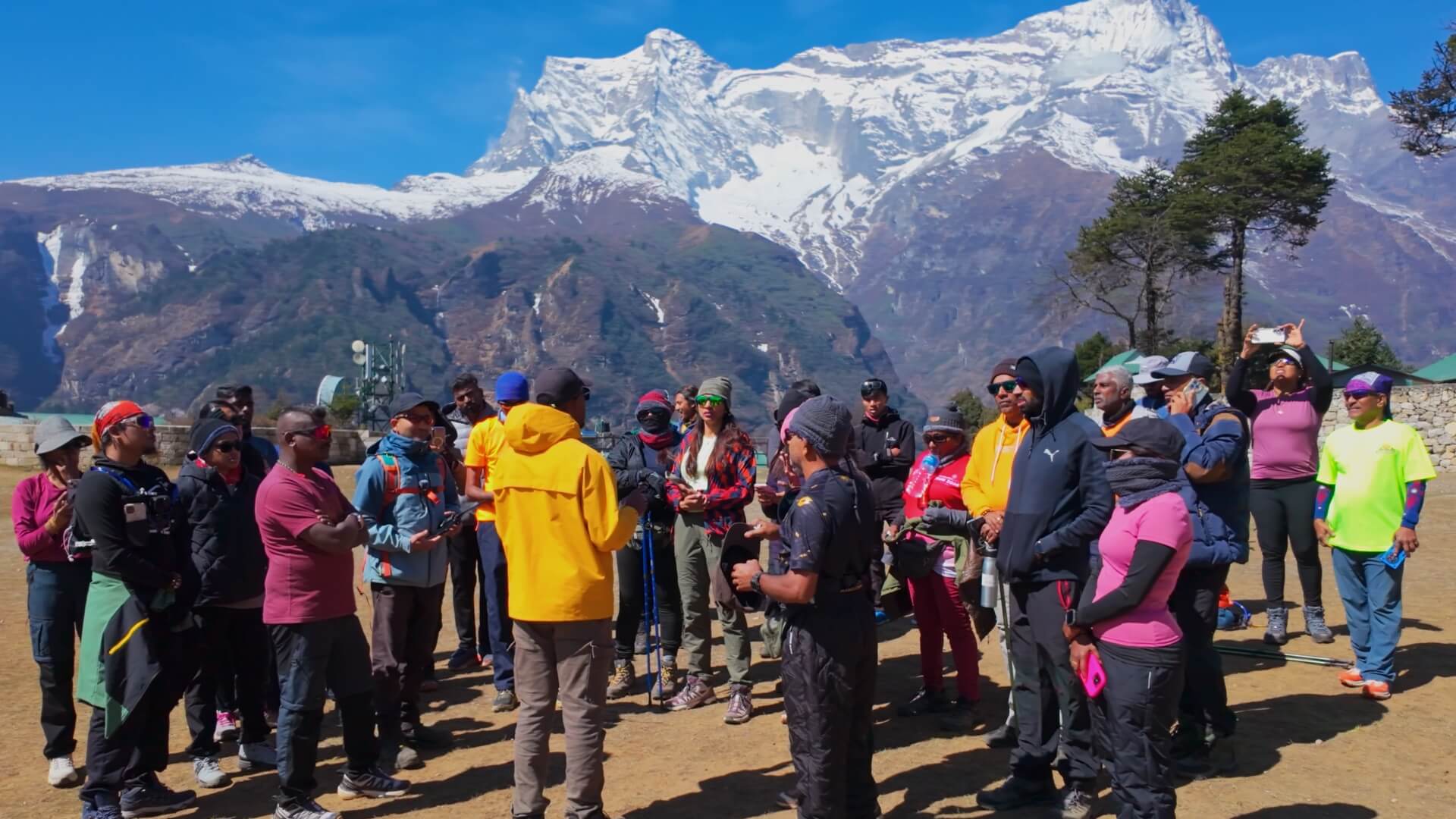
Acclimatization is the key to a successful high-altitude trek. Your body needs time to adapt to decreasing oxygen levels as you gain elevation.
Most well-designed trekking itineraries in Nepal include acclimatization days. These rest days are not meant for complete inactivity. Instead, trekkers usually hike to a higher elevation during the day and return to sleep at a lower altitude.
This principle, known as "climb high, sleep low," helps your body adjust more effectively.
Never rush your ascent to save time. A slower pace greatly reduces the risk of altitude sickness and increases your chances of reaching your destination safely.
Stay Hydrated Throughout the Trek
Hydration plays a crucial role in altitude adaptation. The dry mountain air, physical exertion, and increased breathing rate can lead to dehydration more quickly than many trekkers realize.
Aim to drink at least three to four liters of water daily while trekking. Carry a reusable water bottle and use water purification tablets or filtration systems to ensure safe drinking water.
Avoid excessive alcohol consumption, especially at higher elevations, as it can contribute to dehydration and interfere with acclimatization.
Pack Smart and Light
Packing the right gear is essential for comfort and safety in the mountains. However, carrying unnecessary items can make trekking more exhausting.
Some essential items include:
- Quality hiking boots
- Warm layers
- Waterproof jacket and pants
- Thermal clothing
- Gloves and hat
- Sunglasses with UV protection
- Sunscreen
- Headlamp
- Trekking poles
- Personal first-aid kit
Layering is particularly important because mountain weather can change rapidly. Temperatures may be warm during the day and drop well below freezing at night.
Keeping your backpack light while ensuring you have the necessary equipment will improve your trekking experience significantly.
Listen to Your Body
One of the most valuable skills in high-altitude trekking is learning to listen to your body.
If you experience symptoms of altitude sickness, do not ignore them. Rest, hydrate, and inform your guide or trekking companions immediately. Continuing to ascend despite worsening symptoms can lead to serious conditions such as High Altitude Pulmonary Edema (HAPE) or High Altitude Cerebral Edema (HACE).
Descending to a lower altitude is often the most effective treatment for altitude-related illnesses.
Remember that reaching the destination is never more important than your health and safety.
Choose the Best Trekking Season
Weather conditions play a major role in the success of any high-altitude trek in Nepal.
The two best trekking seasons are:
Autumn (September to November)
Autumn is considered the most popular trekking season. The skies are generally clear, temperatures are stable, and mountain views are spectacular. Trails are lively with trekkers from around the world.
Spring (March to May)
Spring offers pleasant temperatures and beautiful rhododendron forests in bloom. Visibility is generally good, making it another excellent season for high-altitude trekking.
Winter treks are possible but require additional preparation for cold temperatures, while the monsoon season often brings rain, slippery trails, and limited mountain views.
Trek with an Experienced Guide
Hiring a knowledgeable guide can greatly enhance both safety and enjoyment. Experienced guides understand local conditions, weather patterns, and altitude-related challenges.
They can monitor your health, adjust the pace when necessary, and provide valuable cultural insights along the journey.
In remote trekking regions, guides are especially important for navigation and emergency assistance.
Additionally, hiring local guides supports mountain communities and contributes to sustainable tourism in Nepal.
Maintain a Positive Mindset
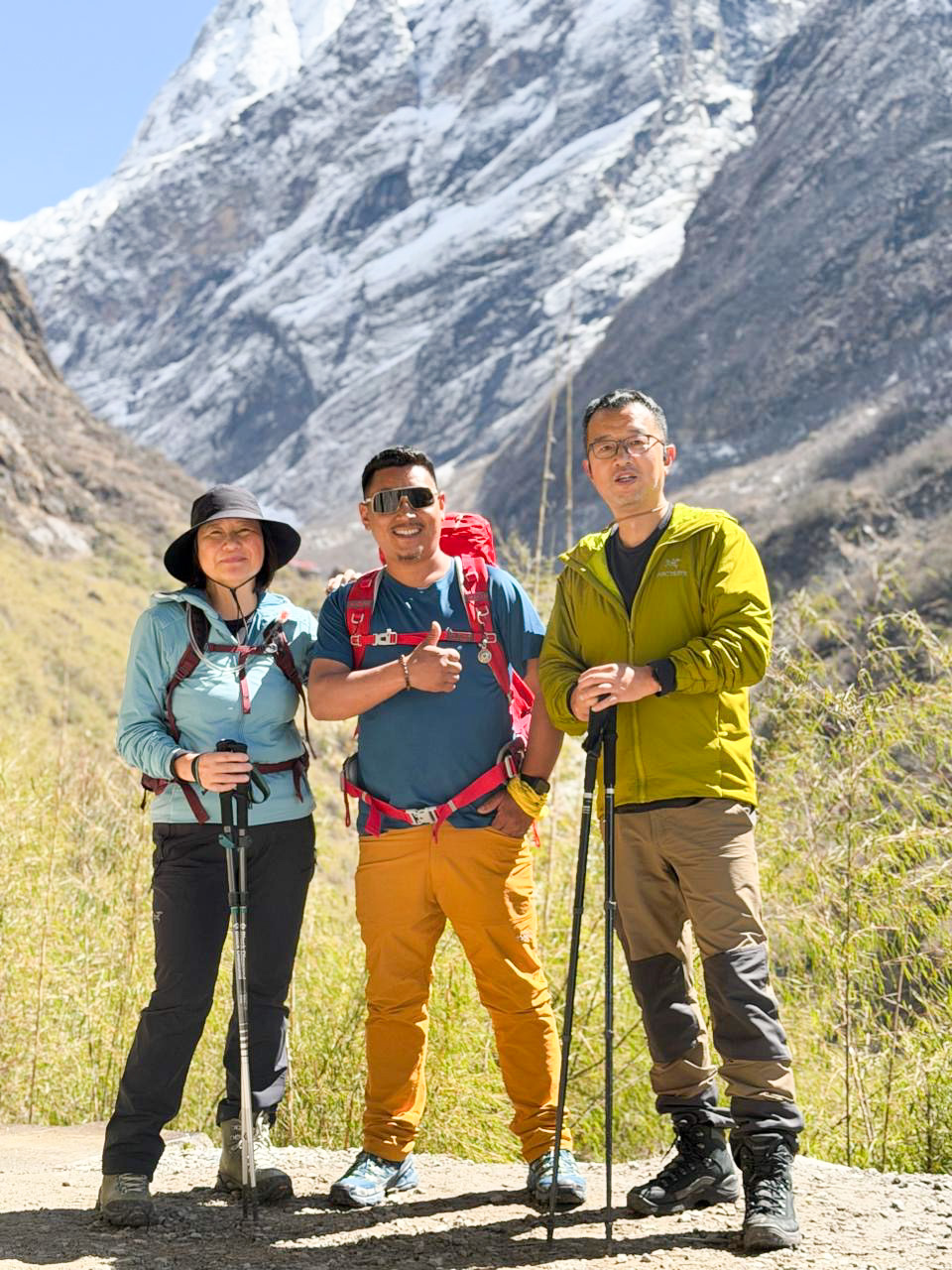
High-altitude trekking is as much a mental challenge as a physical one. Long walking days, changing weather, and challenging terrain can test your determination.
Maintaining a positive attitude, trekking at your own pace, and appreciating the incredible landscapes around you can make the journey far more enjoyable.
Celebrate small achievements each day and remember that the experience itself is often more rewarding than simply reaching the final destination.
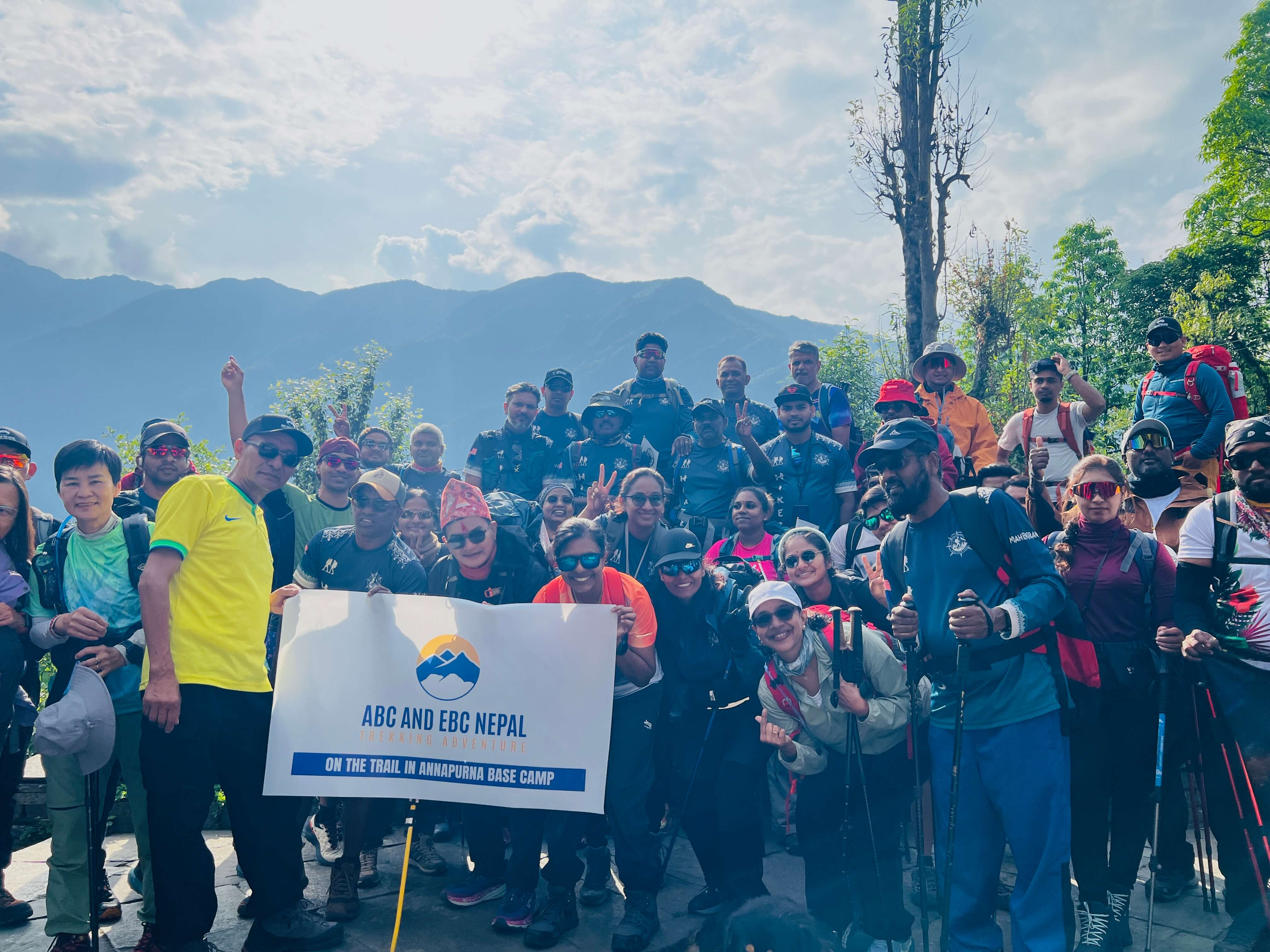
Nepal's high-altitude treks offer some of the most rewarding adventures on Earth. Towering Himalayan peaks, rich cultural encounters, and unforgettable landscapes await those who venture into the mountains.
Proper preparation, gradual acclimatization, physical fitness, and respect for altitude are the foundations of a successful trek. By following these essential tips, you can improve your safety, increase your enjoyment, and create lifelong memories in the heart of the Himalayas.
Whether you choose the Everest Base Camp Trek, Annapurna Circuit Trek, Manaslu Circuit Trek, or another iconic route, careful planning will help ensure that your Himalayan adventure becomes an experience you will cherish forever.