
Annapurna Base Camp (ABC) is one of Nepal's most famous treks. Hikers from all over the world come for the tall peaks, welcoming mountain villages, and the stunning circle of snowy mountains at the end of the trail. Most people visit in spring (March to May) or autumn (September to November) when the weather is usually good. But is trekking to Annapurna Base Camp possible in winter?
Is Trekking to Annapurna Base Camp Possible in Winter?

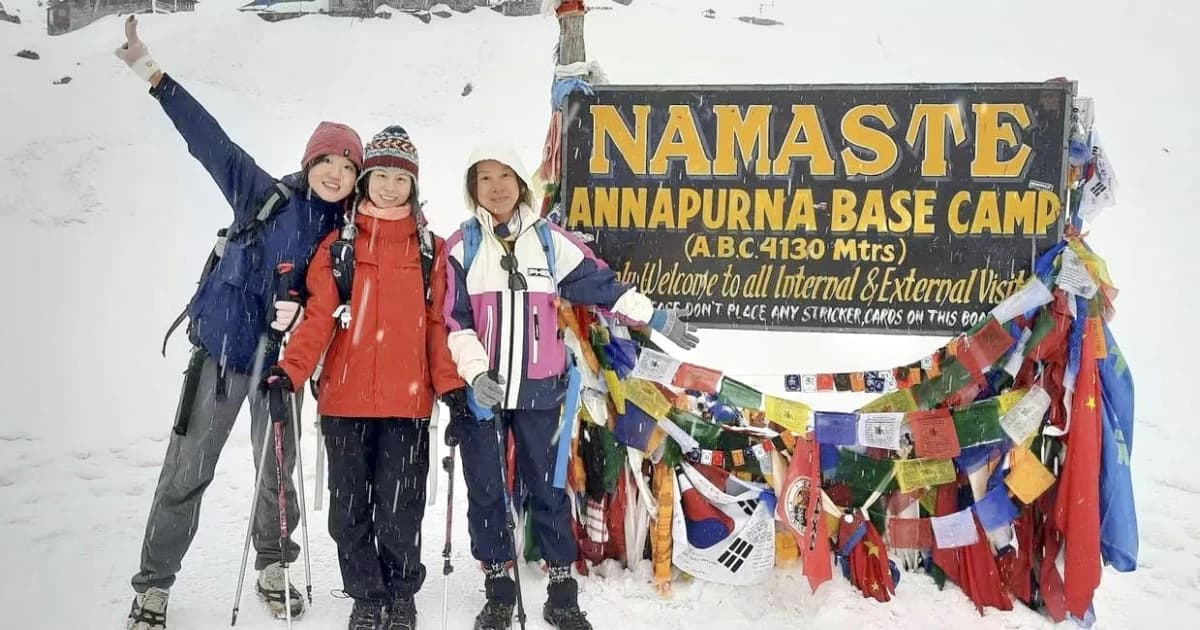
Yes, you can trek to Annapurna Base Camp in winter (December to February). It is colder and quieter, and you need to prepare more, but for some travelers, it can be the most rewarding way to experience this trek. Here’s what you can expect, step by step, to help you decide if a winter ABC trek is right for you.
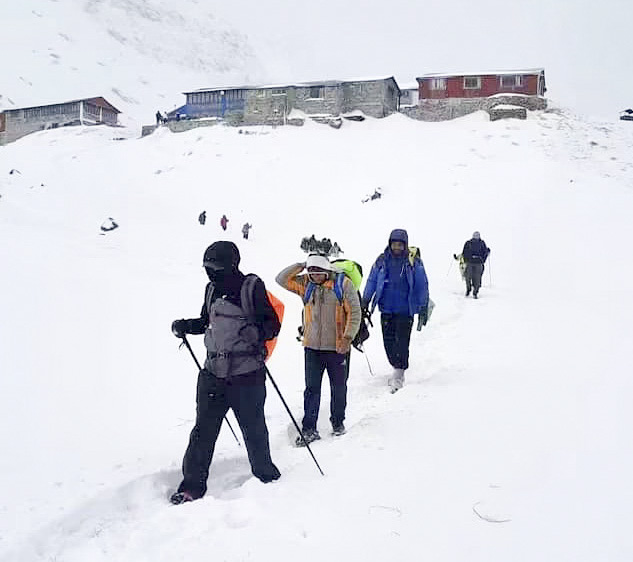
Weather Conditions in the Region in winter
Winter in the Annapurna region is usually dry, clear, and cold. Unlike the rainy monsoon months, winter offers steady weather and lots of blue sky. Mornings are often the clearest, while clouds can gather in the afternoon, especially higher up.
Snow can fall, especially from late December to February, but it does not happen every day. Storms usually come and go quickly, bringing snow for a day or two before the weather clears up. Between storms, the sky is often very clear, giving trekkers some of the best mountain views of the year.
However, winter weather in the Himalayas can be unpredictable. Cold fronts can arrive fast, and temperatures often drop quickly after sunset. Sometimes, higher parts of the trail may close for a short time after heavy snow. It is smart to add extra days to your plan and stay flexible, especially if you are trekking in January, which is usually the coldest and snowiest month.
How cold is it in winter?
Temperature is the biggest factor separating a winter ABC trek and one in spring or autumn. At lower places like Ghandruk or Chhomrong (about 2,000 to 2,200 meters), daytime temperatures in the sun can feel nice, usually between 5°C and 12°C. After sunset, it gets cold quickly, often near or below freezing.
At Annapurna Base Camp itself, at about 4,130 meters, nighttime temperatures in December, January, and February often drop to -10°C to -15°C, sometimes even lower. Wind can make it feel colder, especially in open areas near Machapuchare Base Camp (MBC) and ABC. Temperatures range from -2°C to 5°C when skies are clear and the sun is out. They fall sharply once the sun dips behind the mountains.
This is why proper cold-weather gear - a sleeping bag rated for sub-zero temperatures, insulated layers, and a reliable down jacket - is essential for a winter trek to ABC .
Is the Trail Covered in Snow during the Winter Season?
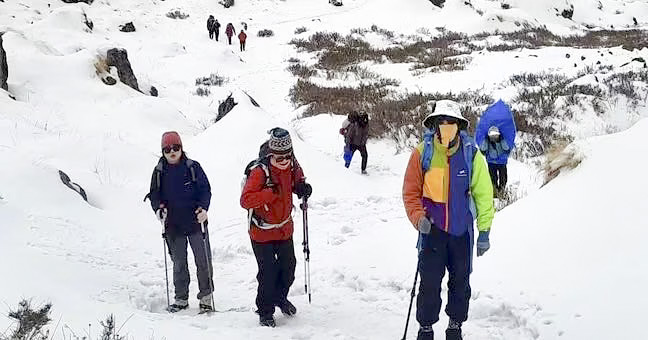
How much snow you see depends on how high you are and the recent weather. The lower parts of the trail, especially below Chhomrong, usually have little snow. Forests and villages stay mostly green and brown in winter, with only a little snow now and then.
But above Chhomrong, heading toward Bamboo, Dovan, and especially Deurali, snow is more common and can pile up, especially after January storms. The last part from MBC to ABC often has the deepest snow, sometimes knee-deep or more after fresh snowfall.
Snow on the trail makes the trek feel very different: the paths are quiet, the scenery is bright and white, and it feels more remote than in spring or autumn. You will need trekking poles, waterproof boots with good grip, and sometimes gaiters.
Winter is special because the air is drier and there is less haze and cloud than in spring, so mountain views are often the best of the year. The famous view from Annapurna Base Camp, surrounded by Annapurna I, Annapurna South, Hiunchuli, and the sacred, unclimbed Machapuchare (Fish Tail), is usually sharp and clear, especially early in the morning before any clouds appear. A combination of blue skies, snow-covered ridgelines, and dramatic light creates postcard-perfect conditions that are harder to guarantee during the hazier spring trekking season, when dust and pollen can dull the views.
The downside is that visibility can change from day to day due to weather. So, while winter usually has great views, you might not get clear skies every day of your trek.
Do we meet other Trekkers in the Region in winter?
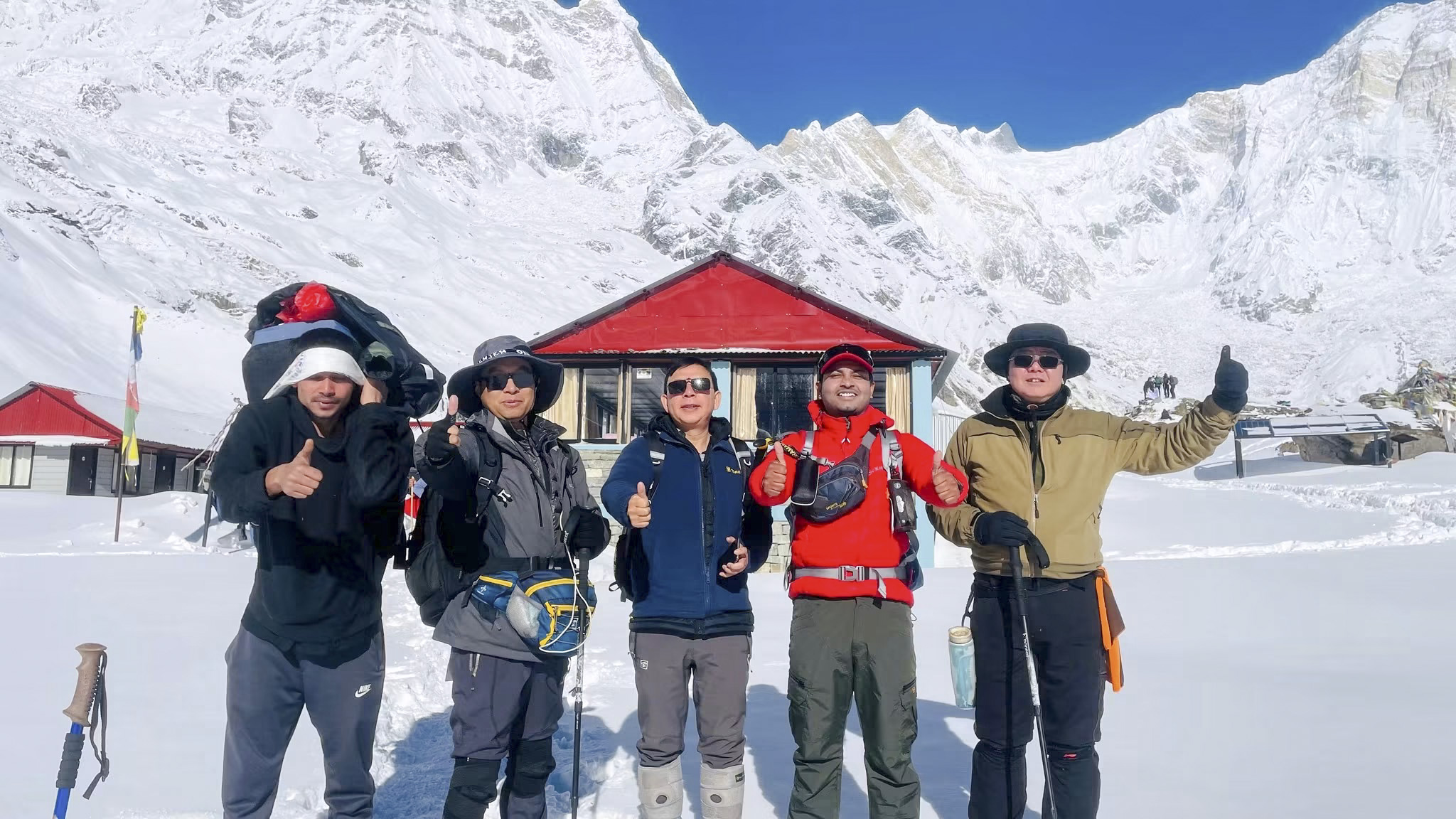
Winter is the quiet season for the Annapurna Base Camp trek , which many travelers like. Unlike the busy trails in October and November , there are far fewer people in winter. Teahouses that are full in peak season often have plenty of rooms available in December, January, and February.
This quieter time means your trek will feel more peaceful and personal. You can spend more time talking with teahouse owners and guides, who are less busy and happy to share local stories. The trails feel less crowded and more like real wilderness.
Still, 'quieter' does not mean empty. ABC is still popular enough that you will meet other trekkers, especially around Christmas and New Year when more people visit. But you will not find long lines at viewpoints or crowded teahouse dining rooms like in the busy season.
At higher elevations, some teahouses may close for winter, especially if snow makes it hard to reach or if there are not enough visitors.
Is it good to go trekking to Annapurna Base Camp in winter?
So, is winter a good time to trek to ABC? For many people, the answer is yes, but there are a few things to keep in mind.
Winter trekking to ABC is a great fit if you:
- Want to avoid peak-season crowds and enjoy quiet trails and teahouses.
- Are chasing the clearest possible mountain views and photography conditions
- Don't mind cold temperatures and are prepared with proper gear.
- Are reasonably fit and comfortable adapting your pace to snow conditions
- Want a more rugged, adventurous version of a classic trek
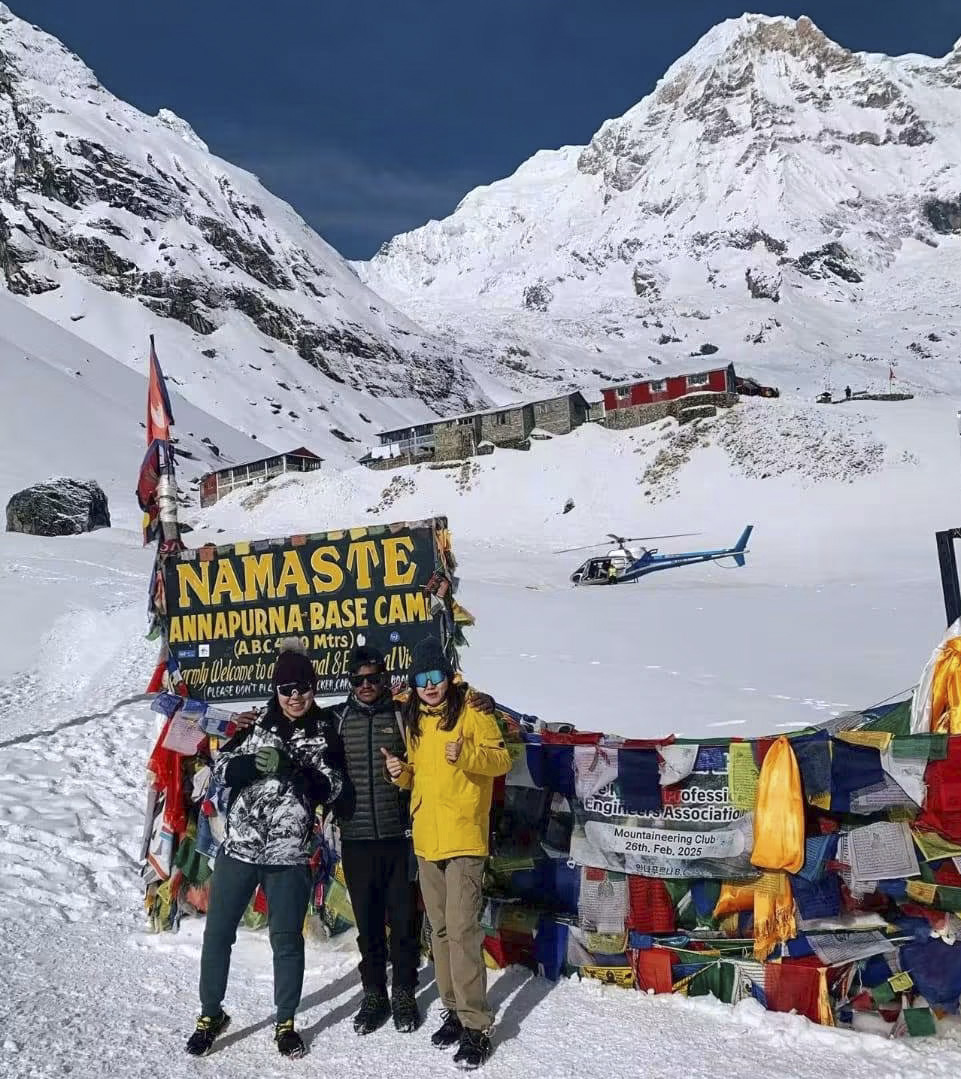
It may be less ideal if you:
- Are trekking on a tight, inflexible schedule, since snowstorms can occasionally delay progress
- Aren't equipped with proper cold-weather gear
- Prefer a lively, social teahouse atmosphere with many other trekkers.
- Have limited high-altitude or winter hiking experience
Overall, with the right preparation, like a warm sleeping bag, layered clothing, sturdy waterproof boots, trekking poles, and ideally a knowledgeable local guide, trekking to Annapurna Base Camp in winter is not only possible but also very rewarding.
You give up some comfort and convenience, but you get solitude, clear mountain views, and a quiet beauty that is hard to find in busier seasons. For trekkers who are prepared and flexible, winter could be the most memorable way to experience the ABC trek.
Let us know if you want to trek in winter.
Need Help? Call Us+977 9856073085orChat with us on WhatsApp
Latest Travel Blogs
Oct 12, 2026By ABC
Why Trek to Everest Base Camp in 2027: 10 Reasons to Go
Oct 06, 2026By ABC
Trekking the Annapurna Circuit in September
Need Help? Call Us.+977 9856073085