First, Where Actually Is Rasuwa?
This is the part that gets lost in a lot of the panicked conversations online. Rasuwa is a district in north-central Nepal, bordering Tibet. It is home to the Langtang Valley, the Gosaikunda trek, and the Kathmandu–Kerung highway, which is a major trade route to the Chinese border. When flashfloods hit this region, they typically affect the Trishuli and Bhotekoshi river systems, along with the road corridor that runs through Syabrubesi and up toward Rasuwagadhi.
That's a completely different part of the country from the Everest region.
Where is Everest Base Camp, then?
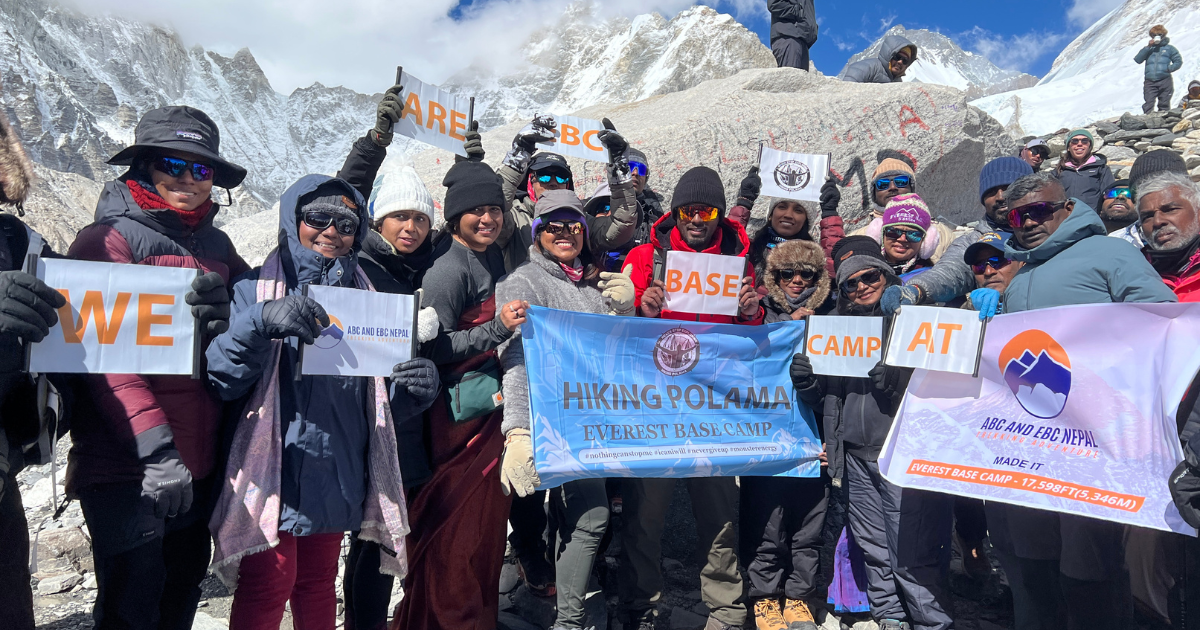
The EBC trek sits in the Khumbu region of Solukhumbu district, in eastern Nepal. Most trekkers reach the trailhead by flying from Kathmandu to Lukla, a short and dramatic flight that lands you directly at the start of the trail. From there, the route runs up the Dudh Koshi valley through Phakding, Namche Bazaar, Tengboche, Dingboche, and Lobuche, before reaching Base Camp near Kala Patthar.
Geographically, the Khumbu and Rasuwa regions are separated by an enormous stretch of mountainous terrain, different river systems, and a different access route entirely. A flood event in Rasuwa doesn't touch the trails, bridges, or teahouses along the EBC route. There's no shared road, shared valley, or shared water source connecting the two.
So why does this even Come Up?
A few reasons, and they're worth taking seriously even if the direct risk to EBC trekkers is low.
- Nepal's weather systems don't respect district boundaries. If the flood was triggered by an unusually intense monsoon system, a glacial lake outburst, or a cloudburst event, it's fair to ask whether the same weather pattern could affect other mountain regions around the same time. This is a reasonable question, not an overreaction.
- Media coverage often blurs geography. International news outlets covering a disaster in "Nepal" don't always specify which district or region is affected, and readers abroad understandably assume the worst about the whole country. Nepal is roughly the size of England, with wildly different terrain and weather from one region to the next.
- Kathmandu is the shared gateway. Every trekker heading to EBC passes through Kathmandu first, and if road access, flight schedules, or logistics networks are disrupted more broadly, that can create ripple effects even for regions that weren't directly hit.
What actually gets affected when Rasuwa Floods
When flash floods or landslides hit Rasuwa, the practical consequences are usually concentrated in a specific set of places:
- The Langtang Valley trek and Tamang Heritage trail, which run through the affected river valleys
- The Kathmandu–Kerung highway, used for trade with Tibet and for some overland border crossings.
- Local villages, hydropower stations, and agricultural land along the Trishuli and Bhotekoshi rivers
If you had a Langtang trek planned, this is genuinely worth monitoring closely, since trail damage, bridge closures, and rerouted itineraries are a real possibility. But if your itinerary is EBC via Lukla, none of this touches your route.
Should you still double-check before you go?
Yes - not because of the flood specifically, but because that's just good practice before any Himalayan trek. A few things worth confirming closer to your departure date:
- Lukla flight status. Flights in and out of Lukla are notoriously weather-dependent regardless of any flood event elsewhere. Always build a buffer day or two into your itinerary in case of delays.
- Trail and bridge conditions in Khumbu itself. The Khumbu region has its own monsoon and post-monsoon weather patterns, and local conditions can shift year to year. A quick check with your trekking agency or the Nepal Tourism Board before departure is always sensible.
- Your trekking agency's latest update. A reputable local operator will know within hours if any part of the country experiences a disruption that could affect logistics, even indirectly. If you're working with a licensed agency in Kathmandu, ask them directly - they'll have far more current, on-the-ground information than international news coverage.
- Travel insurance coverage. This is worth confirming regardless of flood news. Make sure your policy covers high-altitude trekking, emergency evacuation, and trip interruption, since weather delays are common in the Himalayas even in an ordinary year.
The Bigger Picture: Nepal's Tourism Resilience
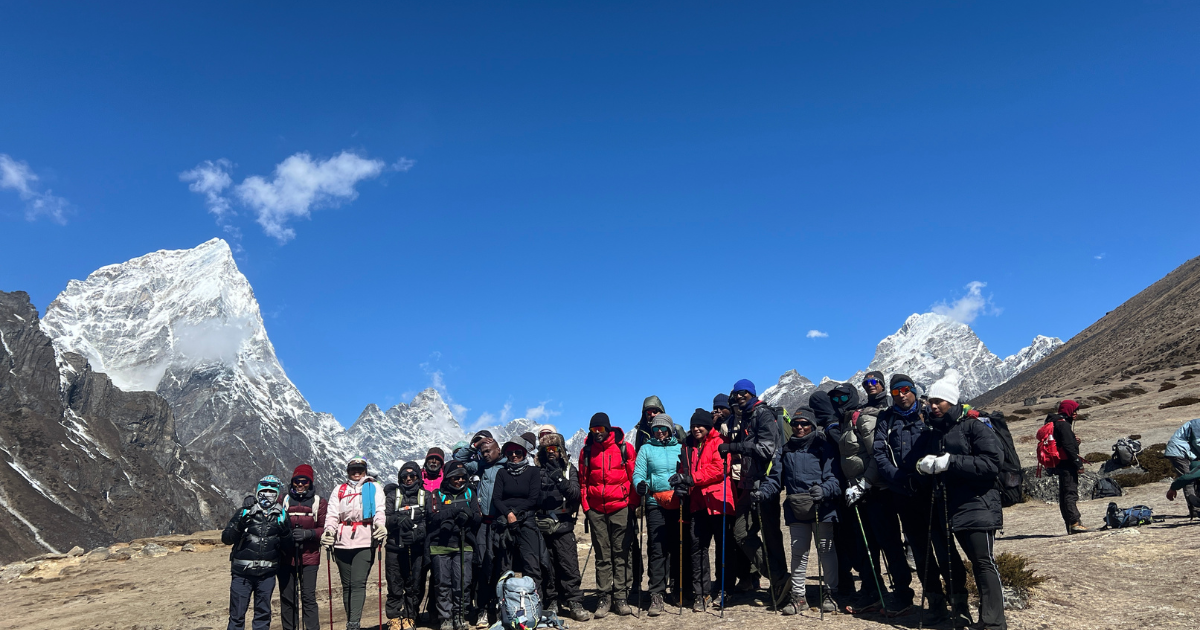
It's worth remembering that Nepal has dealt with natural disasters before - including the devastating 2015 earthquake - and its tourism sector has consistently shown that localized disasters don't mean the whole country closes down. Trekking regions unaffected by a specific event typically continue operating normally, and local communities that depend on tourism income are often eager to reassure travelers that other trails remain open and safe.
That said, it's completely reasonable to feel cautious. Natural disasters are unsettling, and it makes sense to want reassurance before committing time and money to a physically demanding trek. The key is getting information that's specific to your actual route, rather than reacting to a general headline about "flooding in Nepal."
What you should do
If your plan is to trek to Everest Base Camp, the Rasuwa flashflood does not affect your route, your trailhead, or your itinerary in any direct way. Rasuwa and the Khumbu region are separated by geography, river systems, and access routes entirely. The flood is a serious and disruptive event for the communities and trekkers in the Langtang and Rasuwa area, and it deserves attention and support for those affected - but it isn't a reason to cancel or worry about an EBC trek.
As always with mountain travel, the smartest move is to stay in direct contact with your trekking operator, keep an eye on Lukla flight and weather updates closer to your trip, and make sure your insurance has you covered. Do that, and there's no reason the trail to Base Camp shouldn't be exactly as incredible as it always is.