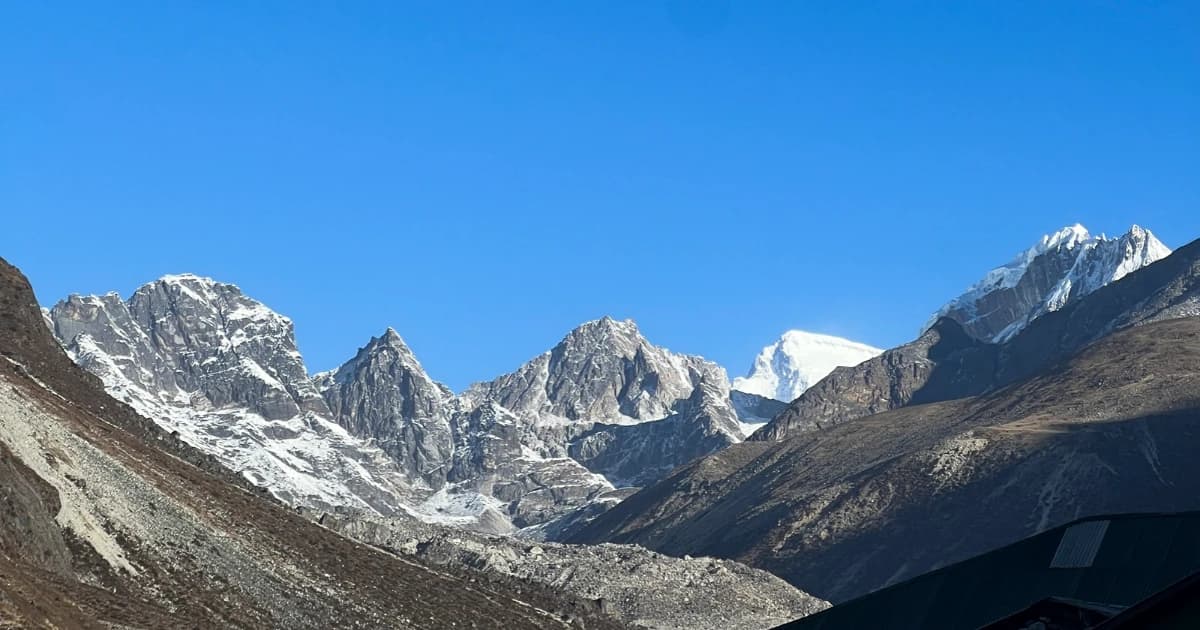
Ask ten trekkers what Everest Base Camp cost them and you will hear ten different numbers. One paid around US$1,200 for a group package. Another spent over US$3,000 on a private guide and comfier lodges. Both stood at 5,364 meters and cried a little at the same prayer flags.
The mountain is the same for everyone but the price is not. This guide breaks down what the trek really costs for 2027 in general depending on the services you opt for. One honest note first: most operators have only published rates through the 2026/27 season, and flights, permits and fuel can shift things. Treat every figure below as a planning range, and confirm the final price in writing before you pay a deposit.
Everest Base Camp Trek Cost 2027: Updated Prices
Here is what a typical budget looks like for one person in general, excluding your international flight and visa cost to Nepal.
| Expense |
|
|
| Budget group package | 850 to 1,000 | |
| Standard guided package | 1,200 to 2,500 | |
| Premium package (better lodges, small group) | 2,500 to 4,000 | |
| Helicopter-return package | 3,000 to 5,500+ | |
| Kathmandu/Ramechhap to Lukla flights (if not included) | 350 to 450 | |
| Permits | About 42 to 45 | |
| Travel insurance | 200 to 350 | |
| Personal spending (snacks, showers, charging, drinks) | 200 to 400 |
Most first-timers book a standard guided package from a local Nepali agency. Put the pieces together, and a realistic all-in number looks like this: package, insurance, visa, tips and pocket money add up to roughly US$2,300 to US$3,300 for many trekkers, before the flight home.
Why the wide range? Four things move the price more than anything else.
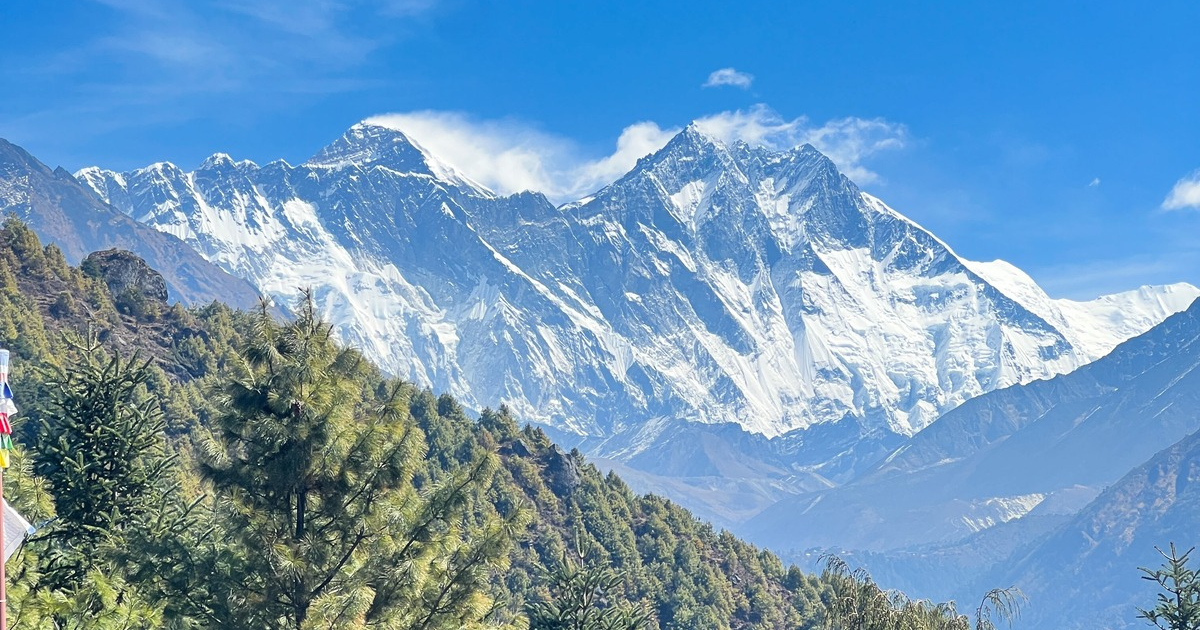
Group size: A guide and porter cost the same whether they look after one person or six, so larger groups pay less each. Operators usually publish a sliding scale.
Season: October and November are the busiest months, with March to May close behind. Lodges fill up, and prices firm up.
Flights: The Lukla flight is the most volatile line in your budget. These days many departures leave from Manthali Airport in Ramechhap instead of Kathmandu, which means an early-morning drive of roughly four to six hours first. Weather delays are common, so a spare day or two is not wasted money.
Comfort: Hot showers, Wi-Fi, charging and fancier rooms are all extra up the valley, and they cost more the higher you climb. Everything has to be carried in by porter or yak.
Everest Base Camp Trekking Permit Cost
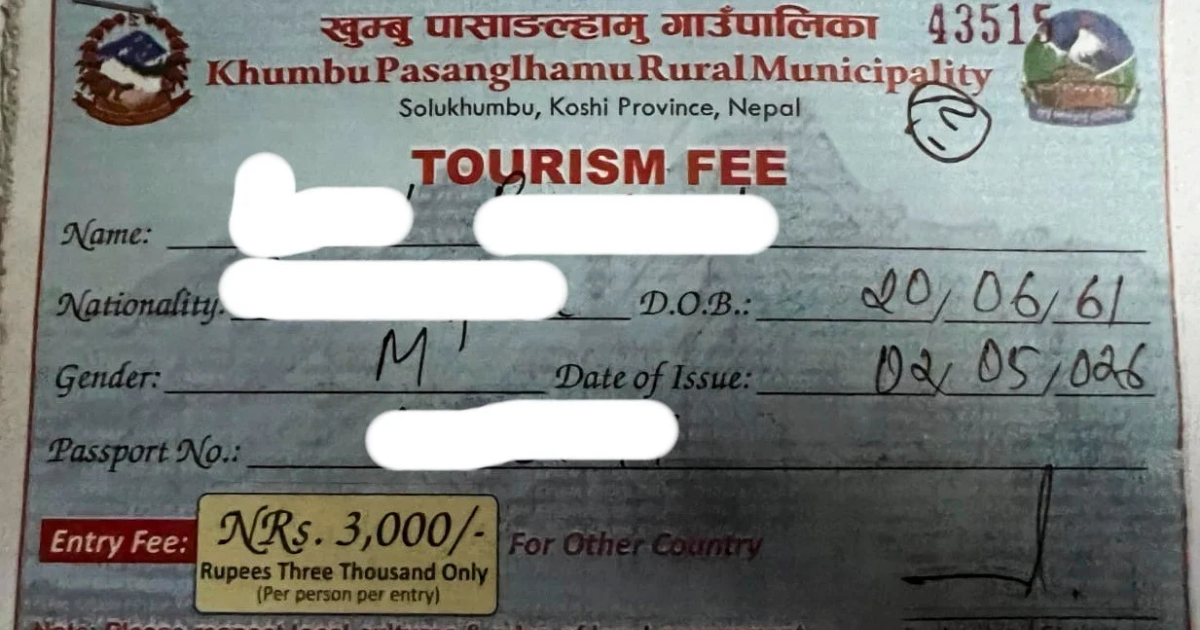
Good news: the paperwork is simpler than it used to be. For the standard Lukla route you need two permits.
1. Sagarmatha National Park entry permit. The fee is NPR 3,000 for foreign nationals and NPR 1,500 for SAARC nationals. You can buy it at the Nepal Tourism Board counter in Bhrikutimandap, Kathmandu, or at the Monjo checkpoint on the trail. Some sources report that certain counters add 13% VAT, which would make it about NPR 3,390, so carry a little extra cash.
2. Khumbu Pasang Lhamu Rural Municipality permit. This local trek card is sold in Lukla or at Monjo, not in Kathmandu. Several recent sources put it at NPR 3,000 for foreigners, after it rose from NPR 2,000 during 2025. You will still see NPR 2,000 on older blog posts, which is why totals you read online don't always match. Go by the most recent figure and check the counter.
Add them up and a foreign trekker pays about NPR 6,000, roughly US$42 to US$45 depending on the exchange rate.
A few other points worth knowing:
• TIMS is not required on the standard Khumbu route. The local trek card replaced it.
• Children under 10 are reported to be exempt from both permit fees.
• If you walk in from Jiri instead of flying to Lukla, you will also need a Gaurishankar Conservation Area permit.
• Neither permit requires hiring a guide, but you will want one for safety and logistics anyway.
• If you book a package, the permits are normally included and your agency handles the queues.
• Permits are not the same as insurance. Operators require proof of travel insurance, and that is a separate cost, which we cover below.
Everest Base Camp Trek Package Costs
Packages are where the confusion really starts, because two prices that look similar can include very different things. Here is how the main tiers compare.
• Budget (about US$850 to US$1,000). Basic services, simple lodges and thin margins. Be careful here. When the price is this low, something usually gives, whether that is guide quality, porter pay or insurance for staff.
• Standard (about US$1,200 to US$2,500). This is the sweet spot for most people. You get a licensed guide, a porter shared between two trekkers, teahouse lodging, three meals a day on the trail, permits and return flights to Lukla.
• Premium and helicopter options (US$2,500 to US$5,500+). Smaller groups, nicer lodges, private guides and, in some cases, a helicopter flight back to Kathmandu.
To make this concrete, here is how we have our 15-day itinerary. We have listed Everest Base Camp Trek – 15 Days at US$1,397 for a solo trekker, US$1,297 each for groups of two to five, and US$1,197 each for groups of six to twenty. That price covers airport transfers, round-trip Lukla flights, and three nights in a Kathmandu hotel with breakfast, 11 nights of teahouse lodging, all trek meals, both permits, a licensed English-speaking guide, a porter for every two clients, a sleeping bag, poles and a duffel bag, plus a farewell dinner. Check out our Everest Base Camp Budget Trek.
What it leaves out is just as useful to know: your Nepal visa, travel insurance, Kathmandu lunches and dinners, drinks and snacks, hot showers and Wi-Fi on the trail, tips, and emergency evacuation.
Everest Base Camp Trek Budget Tips
You can trek to Everest without draining your savings. You just need to save in the right places.
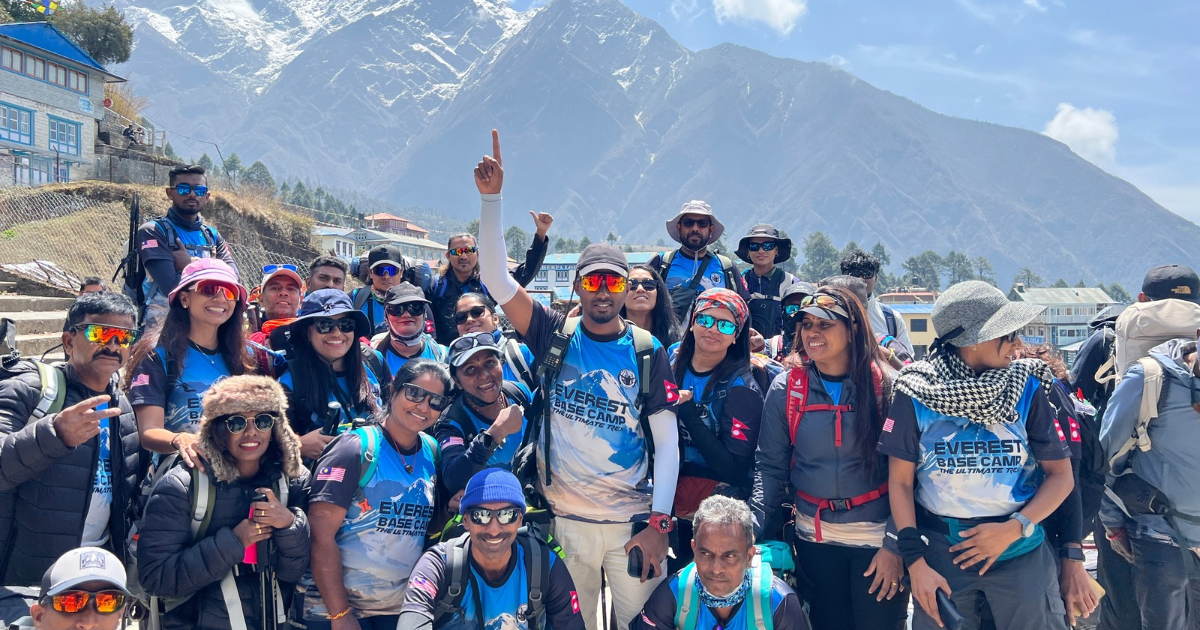
- Join a group. It is the single easiest saving. The gap between a solo price and a group of six is about US$200 in the example above.
- Book with a registered local operator. Going direct usually costs less than booking through an overseas reseller, and you can ask about guide licenses, porter welfare and insurance in plain terms.
- Rent or borrow gear. You do not need to buy a down jacket you will wear for ten days. Rental shops in Thamel are cheap, and many packages already lend a sleeping bag, poles and a duffel.
- Treat your own water. Bottled water gets pricier with every hundred metres of altitude. A filter or purification tablets will save real money and plastic.
- Eat what the locals eat. Dal bhat is filling, usually offers refills, and is generally better value than imported comfort food.
- Skip some extras. Hot showers, device charging and Wi-Fi are charged separately. Bring a power bank and a small solar charger if you want to cut down.
- Ask about the edges of the season. Some operators price early and late departures slightly lower. Just remember that December to February is very cold, and June to August brings heavy rain, so don't chase a discount into bad weather.
- Carry enough cash. ATMs exist in Namche Bazaar, but they can be empty or offline. Bring Nepali rupees in small notes for tea, snacks and the permit counters.
- Keep a buffer. Set aside about 10% for flight delays, an extra night in Lukla or Kathmandu, and surprises.
- Never economize on insurance or acclimatization. A helicopter evacuation is extremely expensive, and altitude sickness doesn't care about your budget. Make sure your policy covers trekking up to 5,500 meters and helicopter rescue. Likewise, don't shorten the itinerary by dropping the rest days in Namche Bazaar and Dingboche. They are the cheapest safety measure on the whole trip.
The Everest Base Camp Trek cost for 2027 comes down to a handful of choices: how many people you travel with, how comfortable you want to be, and how much margin you leave for weather. Most trekkers will land somewhere between US$1,200 and US$2,500 for the package, with a couple of thousand dollars all-in being a sensible target once insurance, tips and spending money are counted.
Let us know to book early for the autumn and spring peaks, and keep your budget reasonable. The Everest Base Camp and view from Kala Patthar is waiting for you.