
If you've ever scrolled through photos of the Manaslu region, you already know the pull. Terraced fields, prayer flags snapping in the wind, and Mount Manaslu itself rising up like something out of a dream. But most of those photos are shot in spring or autumn, the "safe" seasons everyone recommends. So what happens if winter is the only window you have? Is Manaslu Circuit in winter (December, January, or February) actually doable, or is it a plan best left on the shelf?
Is Manaslu Circuit Trek Possible in the Winter Season?
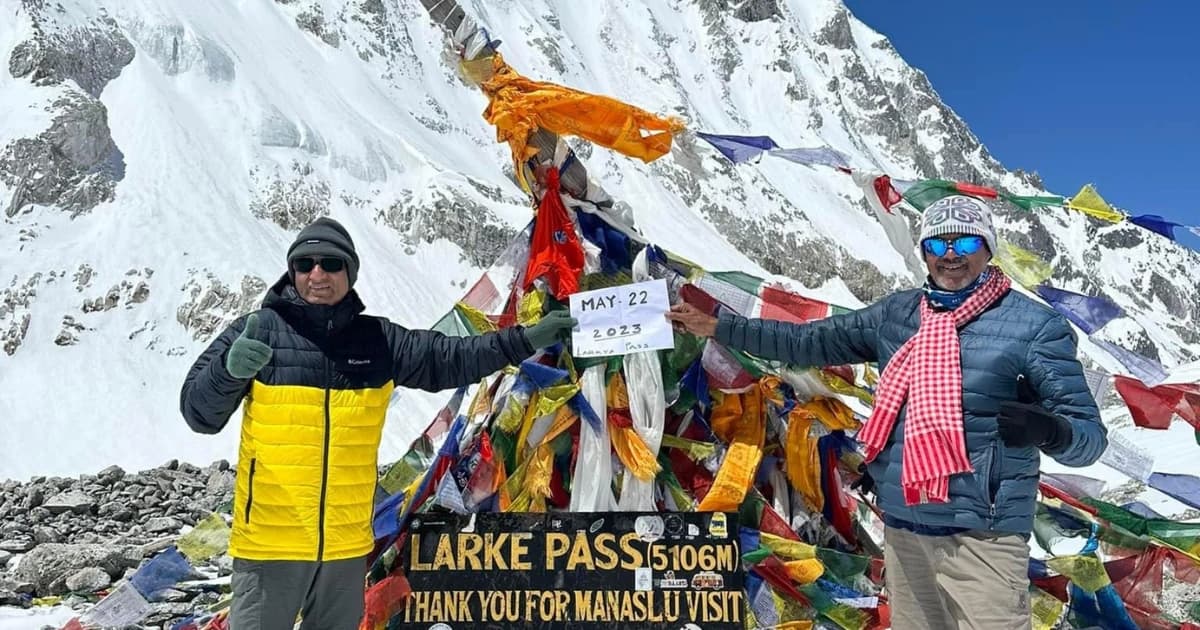
The short answer: yes, it's possible, but it's not the trek to walk into casually. Winter turns this already remote route into something tougher, colder, and far less forgiving. Let's break down what that actually means on the ground.
What winter actually looks like on the Trail
Winter in the Manaslu region runs roughly from December through February, and the shift in conditions is dramatic. Lower down, daytime temperatures can still feel pleasant, hovering somewhere around 5°C to 10°C. But as you climb toward Samagaun, Samdo, and eventually Larkya La Pass, that comfort disappears fast. Nighttime temperatures at higher elevations regularly plunge to -15°C or colder, and by January, some sources note the mercury can drop past -20°C in the highest stretches.
Snow is the other defining feature. Winter is technically the driest season in Nepal in terms of rainfall, but at altitude, that dry air still delivers regular snowfall. Trails above 3,000 meters can be blanketed, and the higher you go, the more that snow lingers, hardens, and turns to ice underfoot.
Larkya La Pass: The Real Test
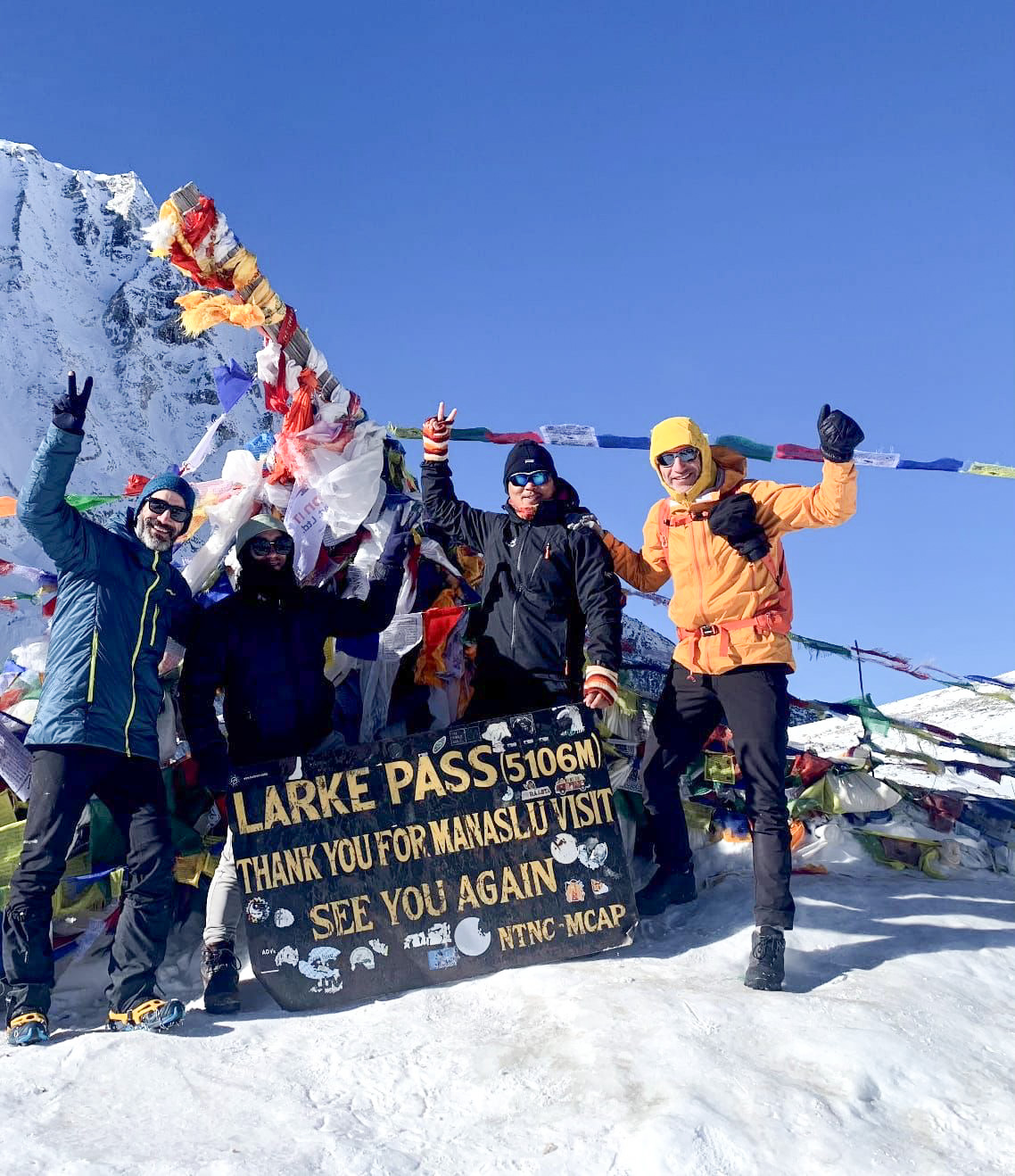
If there's one section that decides whether your winter trek succeeds or turns back, it's Larkya La Pass. Sitting at roughly 5,160 meters, this is the highest and most exposed point of the entire circuit, and in winter it becomes a genuinely serious mountaineering-style obstacle rather than just a long uphill walk.
Heavy snow can bury the trail entirely, and in the worst cases, the pass becomes impassable, forcing trekkers to turn around and retrace their steps rather than push through. Even when it is open, the combination of ice, wind, and altitude means you'll likely need microspikes or crampons just to keep your footing on the descent toward Bimthang. Add in high-altitude winds that pick up during the day, and the crossing becomes as much a test of timing and patience as physical strength. Most experienced guides recommend starting extremely early, often well before sunrise, specifically to get across before afternoon winds and shifting weather make things worse.
Shorter Days, Tighter Schedules
One detail people often overlook until they're actually out there: winter days are short. With less daylight to work with, every stage of the trek needs tighter planning. You can't afford to start late or dawdle at a scenic viewpoint the way you might in October or November . Reaching your teahouse before dark isn't just about comfort; it's about safety, since navigating snow-covered trails after sundown in freezing temperatures is a genuinely risky situation to be in.
This means itineraries built for winter usually need more built-in flexibility. A storm that closes the pass for a day or two isn't unusual, and a rigid, back-to-back schedule with no buffer days is asking for trouble.
Teahouses: Open, Closed, or Somewhere in Between
Another winter-specific wrinkle is accommodation. The Manaslu Circuit already has fewer teahouses than more popular routes like Everest Base Camp or Annapurna Base Camp , since it sits inside a restricted area with lighter tourist infrastructure. In winter, that gets thinner still. As the cold deepens through December , many locals in the higher settlements, particularly around Samdo and Dharamshala, move down to lower villages, and teahouses in those areas may shut their doors entirely through January.
This isn't a deal breaker, but it does change your packing list. Some trekkers heading up in the coldest stretch of winter carry a tent and sleeping bag as backup, just in case the teahouse they were counting on turns out to be closed. It's worth confirming with a local guide or agency exactly which lodges are operating before you commit to a departure date.
Why Anyone Would Choose Winter Anyway
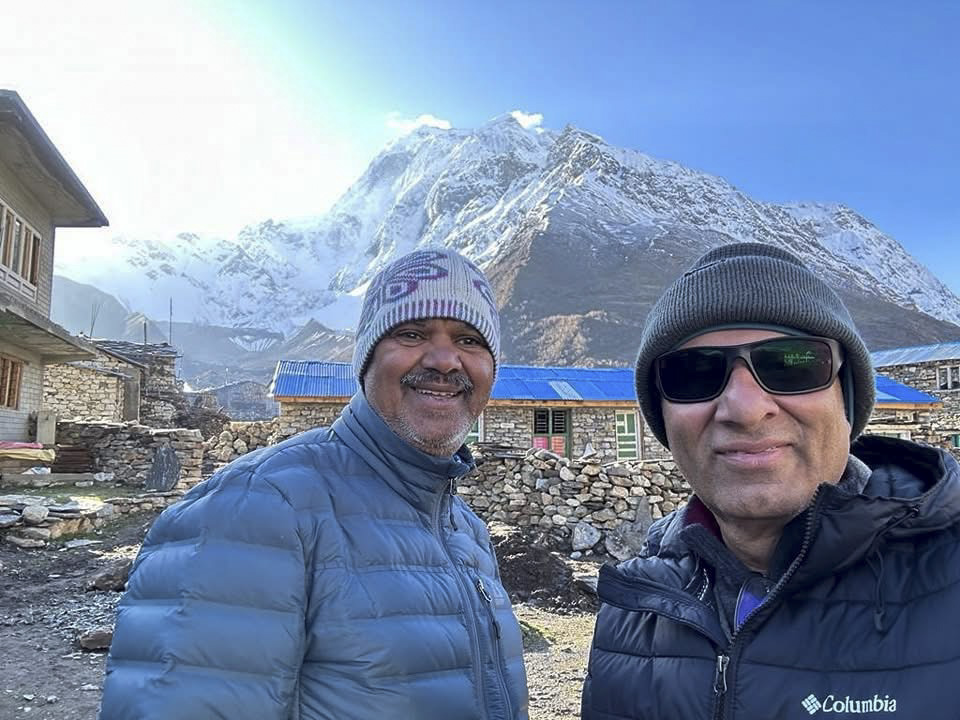
With all that said, winter isn't just a diminished version of the "good" seasons. It has a character all its own, and for the right kind of trekker, that's exactly the appeal.
The most obvious draw is solitude. Autumn brings crowded trails and full teahouses, sometimes with queues for dinner or a warm room. Winter empties all of that out. You might spend entire days on the trail without passing another trekking group, and evenings at teahouses can feel almost private. For people drawn to trekking specifically to get away from noise and crowds, that's a huge selling point.
Then there's the visibility. Cold, dry winter air tends to produce exceptionally clear skies, and the mountain views can be sharper and more dramatic than what you'd get through the slight haze of a busier season. Snow-draped peaks against a deep blue sky is the kind of scene that photographs don't quite do justice.
Who Should Actually Attempt It
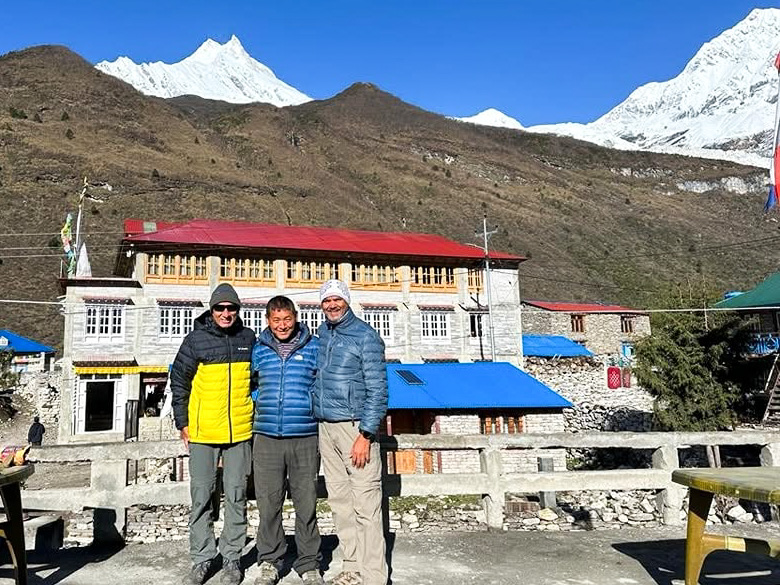
Winter trekking on the Manaslu Circuit isn't the right call for a first-time trekker or someone without cold-weather experience. This route already demands a Restricted Area Permit and a licensed guide, and in winter, that guide's judgment becomes even more critical, particularly around reading snow conditions on the approach to Larkya La.
If you're considering it, a few things matter more than usual: proper insulated layers rated for genuinely sub-zero temperatures, sturdy waterproof boots, trekking poles, and either your own microspikes or a plan to rent them locally. Physical fitness matters too, but so does mental resilience. Long, cold days with limited comfort test your patience as much as your legs.
So, is the Manaslu Circuit Trek possible in winter? Yes, but it's a trek for people who know what they're signing up for. Expect brutal cold at altitude, a real chance the pass could be snowed in, closed teahouses in the highest villages, and shorter daylight hours that leave less room for error. In exchange, you get empty trails, silence, and some of the clearest mountain views the region has to offer.
If that trade-off sounds appealing and you're trekking with an experienced guide who knows the route's winter moods, there's no reason to rule it out. If you're newer to high-altitude trekking or want a more predictable, comfortable experience, spring or autumn will treat you far better. Either way, going in with your eyes open is what separates a great winter adventure from a trip that ends in a forced retreat at Larkya La.
Need Help? Call Us+977 9856073085orChat with us on WhatsApp
Latest Travel Blogs
Oct 06, 2026By ABC
Trekking the Annapurna Circuit in September
Oct 04, 2026By ABC
Annapurna Circuit Trek in 2027
Oct 01, 2026By ABC
Mardi Himal Trek in May: A Short Hike into the Clouds
Need Help? Call Us.+977 9856073085