
If you've spent any time researching treks in Nepal, you've probably run into the same three names over and over: Everest Base Camp, Annapurna Base Camp, Poon Hill. They're famous for good reason. But tucked between the well-trodden Annapurna trails is a shorter, quieter route that locals and seasoned trekkers have started calling one of the region's best-kept secrets - the Mardi Himal Trek. And if you're wondering when to do it, March might just be the sweet spot.
Mardi Himal Trek in March: Nepal's Best-Kept Secret Wakes Up in Bloom

Why March, Specifically?
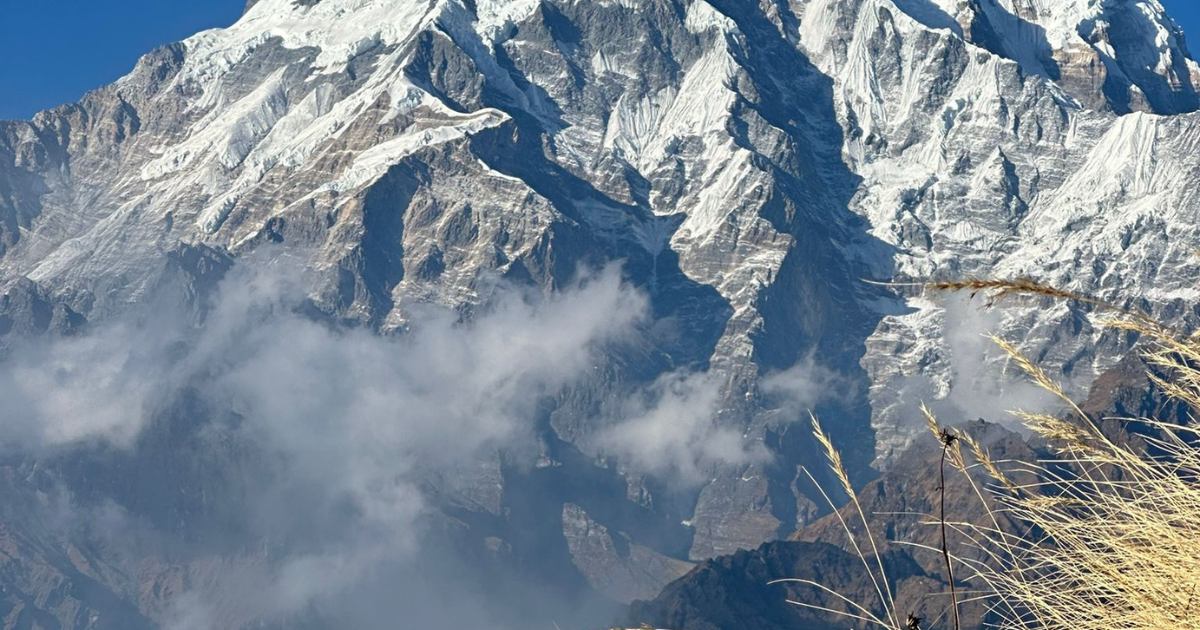
Nepal's trekking seasons are usually split into two golden windows: autumn (October – November) and spring (March–May). Autumn gets more attention because the skies are crystal clear after the monsoon washes away the dust. But March has something autumn simply can't offer - flowers. Lots of them.
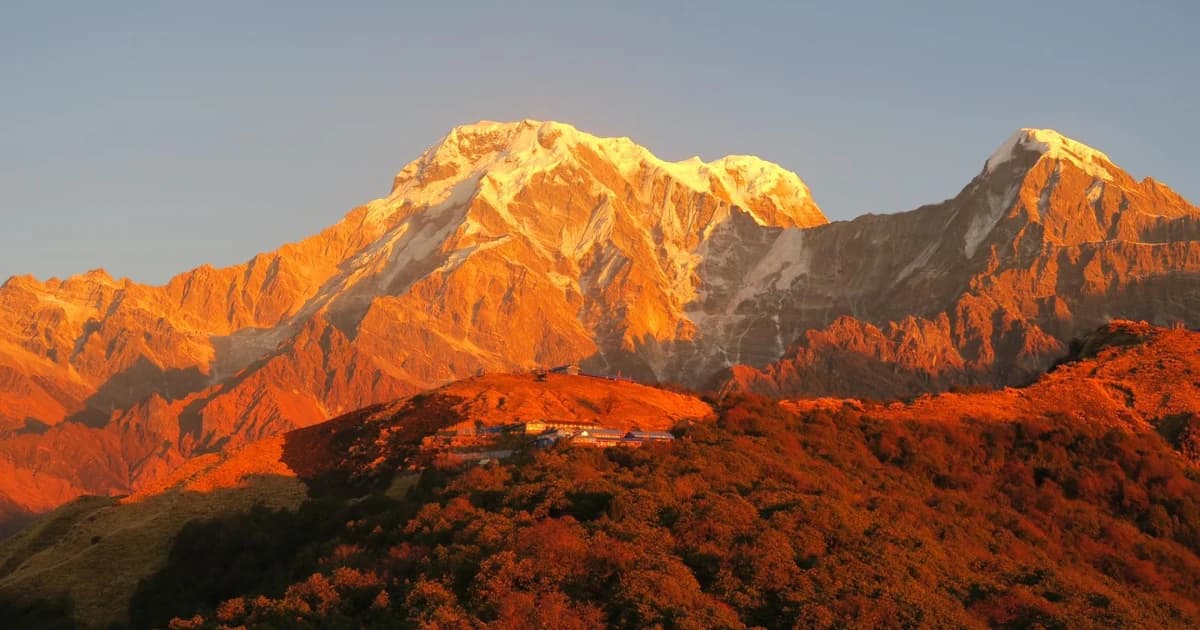
March sits right at the start of spring, when the hillsides along the Mardi Himal trekking trail explode into color as rhododendron forests bloom in shades of deep red, soft pink, and white. Nepal's national flower carpets the trail for kilometers, and honestly, photos don't do it justice. Walking through a rhododendron forest in full bloom, with snow peaks peeking through the branches, feels less like trekking and more like walking through a painting.
The weather in March is also forgiving. Days are mild and pleasant at lower elevations, while higher up you'll still feel a proper mountain chill, especially at dawn and dusk. It's the kind of month where you sweat a little on the uphill stretches but need a down jacket the second the sun dips behind a ridge.
A Trail that doesn't Overstay its Welcome
One of the biggest draws of Mardi Himal is that it's short. Most itineraries run 5 to 7 days round trip from Pokhara, making it perfect for travelers who don't have three weeks to spare but still want a genuine high-altitude experience. You're not signing your life away to this trek - you're borrowing a week of it.
The trek typically starts from Kande or Phedi, a short drive from Pokhara. From there, the trail climbs through forest paths thick with oak, rhododendron, and moss-draped trees before opening up into the alpine zone. Unlike some of Nepal's more commercialized routes, Mardi Himal still feels a bit wild. There are stretches where you won't see another soul for an hour, just birdsong and the crunch of your own boots.
The trail winds through a string of memorably named stops - Forest Camp, Low Camp, Badal Danda (which literally translates to "cloud hill"), and finally High Camp, sitting around 3,580 meters. From High Camp, if conditions allow, trekkers push further up to the Mardi Himal Viewpoint at roughly 4,200 meters, which is where the trek really earns its reputation.
The View that makes it all worth it
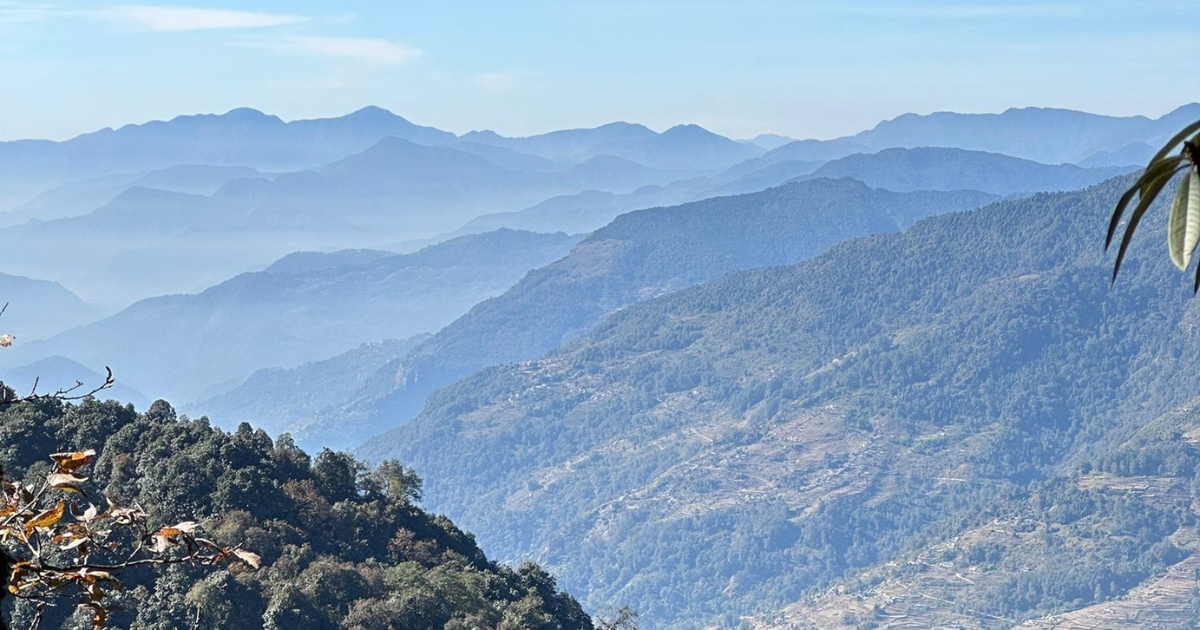
Here's the thing about Mardi Himal: you don't summit anything technical, but you get views that rival treks requiring far more effort. From the upper viewpoint, you're staring almost eye-level at the south face of Machapuchare - Fishtail Mountain - Nepal's sacred, unclimbed peak. It's close. Uncomfortably, beautifully close. Annapurna I, Annapurna South, Hiunchuli, and Gangapurna round out the panorama, and in March's clearer morning light, the ridgelines look almost close enough to touch.
Most trekkers aim to reach the viewpoint at sunrise, when the first light hits the snow and turns it gold, then pink, then blinding white. It's cold, it's an early wake-up call, and it is absolutely worth losing sleep over.
What Walking It Actually Feels Like
Mardi Himal is often marketed as "moderate," and that's a fair label, but don't mistake moderate for easy. The daily walking hours range from 4 to 7, with a few genuinely steep sections, particularly between Low Camp and High Camp. In March, melting winter snow can make some upper sections a little slippery, so decent boots with grip aren't optional.
That said, you don't need mountaineering experience. If you're reasonably fit, comfortable walking uphill for a few hours at a stretch, and have done a bit of physical preparation beforehand - hiking, stair climbing, or regular cardio - you'll manage fine. Altitude is a mild consideration since you're topping out around 4,200 meters rather than the 5,000+ meter territory of Everest Base Camp, so the risk of altitude sickness is lower, though still worth respecting. Drink water, walk at your own pace, and don't rush the final push to the viewpoint.
Packing for March's Split Personality
March weather on this trek has a bit of a split personality. Lower down, near Pokhara, it can feel almost like early summer - light layers and a sun hat weather. Higher up, especially at High Camp and the summit viewpoint, temperatures can dip below freezing overnight and in the early morning.
The smart approach is layering: a moisture-wicking base layer, a fleece or light insulating layer, and a proper down jacket for the cold mornings and evenings. Waterproof or water-resistant hiking boots are essential, since patches of snow or muddy trail sections aren't unusual this time of year. A good sleeping bag rated for at least -5°C is worth carrying or renting in Pokhara, since teahouses at higher altitudes can get chilly at night even with blankets provided.
Don't forget sun protection either - the sun at altitude is deceptively strong even when the air feels cool, and a lot of first-timers get caught out with sunburn on clear March days.
Getting There and Getting It Sorted
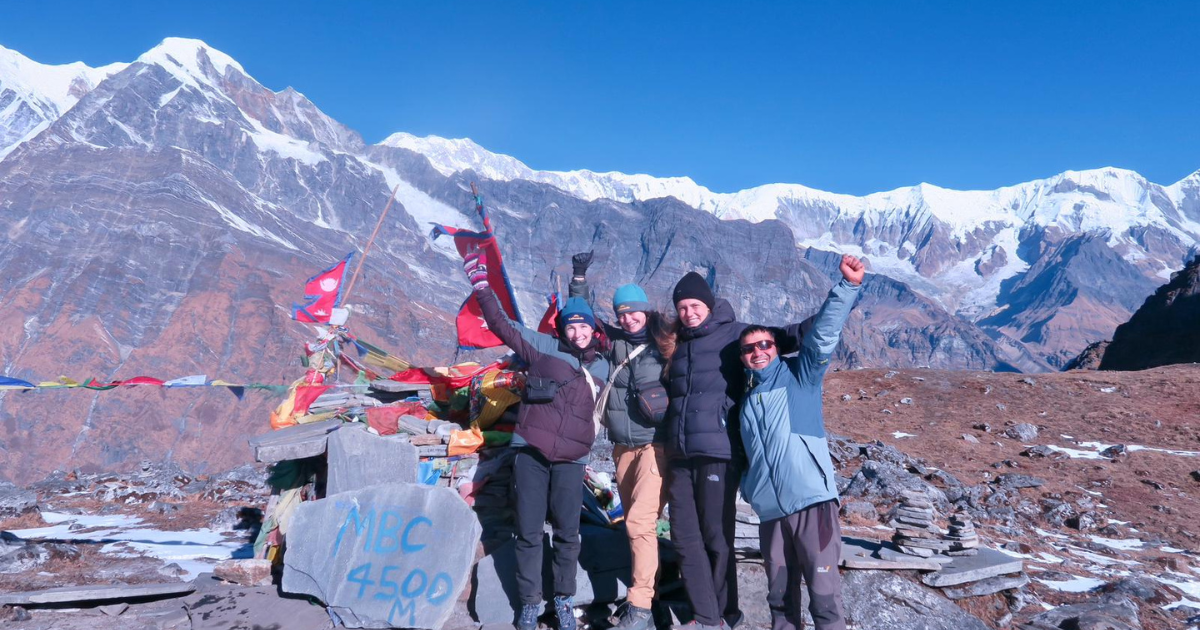
The trek begins near Pokhara, which is an easy 25-minute flight or a scenic 6–7 hour drive from Kathmandu. From Pokhara, a short taxi or jeep ride gets you to the trailhead at Kande.
Permits are straightforward - you'll need an Annapurna Conservation Area Project (ACAP) permit and a TIMS (Trekkers' Information Management System) card, both easily arranged in Pokhara or Kathmandu, either independently or through a local trekking agency. While it's technically possible to trek Mardi Himal independently, hiring a local guide is worth considering, both for safety on the sometimes-unclear upper trail sections and to support the local economy that depends heavily on trekking tourism.
Teahouses line the entire route, so you won't need to camp unless you specifically want to. They're basic but warm, and the plate of dal bhat at 3,000 meters somehow always tastes better than it has any right to.
Mardi Himal Trek in March offers something increasingly rare in Nepal's trekking circuit: big mountain views, minimal crowds, and a trail that fits into a single week without demanding months of preparation. Add the added bonus of rhododendron forests in full, riotous bloom, and you've got a trek that quietly outshines routes twice its length and hype.
If you're chasing that classic Himalayan moment - cold air, hot tea, and a mountain filling the entire horizon - March on the Mardi Himal trail delivers it without asking too much in return.
Need Help? Call Us+977 9856073085orChat with us on WhatsApp
Latest Travel Blogs
Oct 12, 2026By ABC
Why Trek to Everest Base Camp in 2027: 10 Reasons to Go
Oct 06, 2026By ABC
Trekking the Annapurna Circuit in September
Need Help? Call Us.+977 9856073085