
If you've been scrolling through trekking forums or chatting with fellow travelers in Pokhara, you've probably come across mixed opinions about doing the Mardi Himal trek in winter. Some say it's magical. Others warn you off completely. So what's the real story?
Is Trekking to Mardi Himal Possible in Winter?

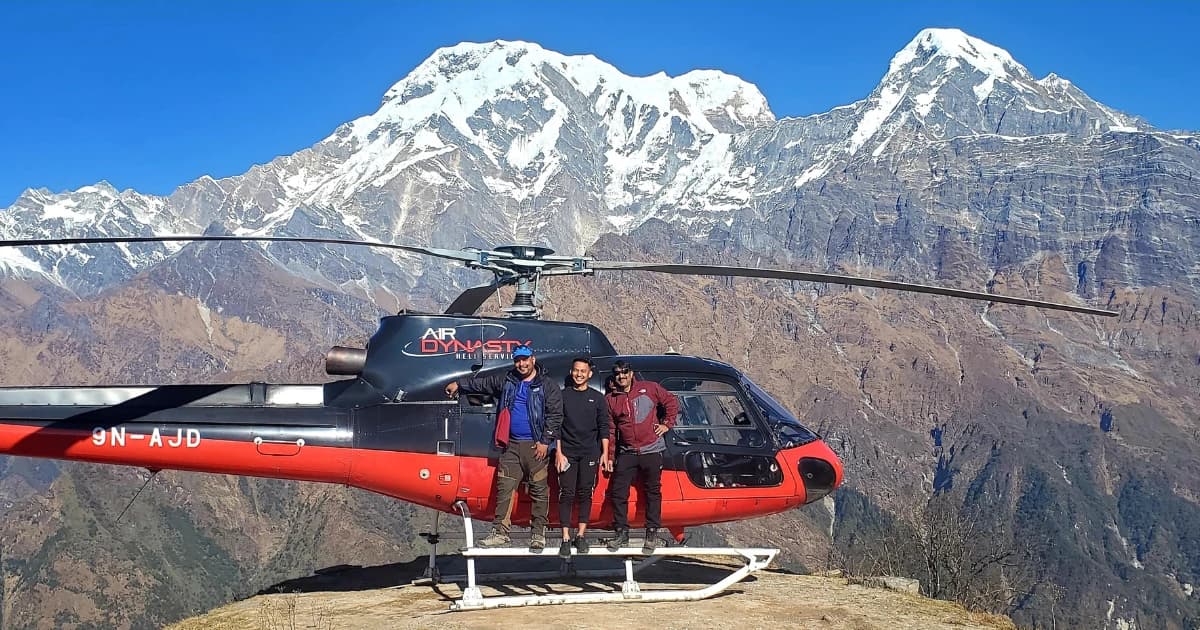
The short answer: yes, Mardi Himal Trek is absolutely possible in winter - but it comes with a very different set of challenges than the popular autumn and spring seasons. Let's break down what you're actually signing up for.
What Winter Actually Looks Like on This Trail
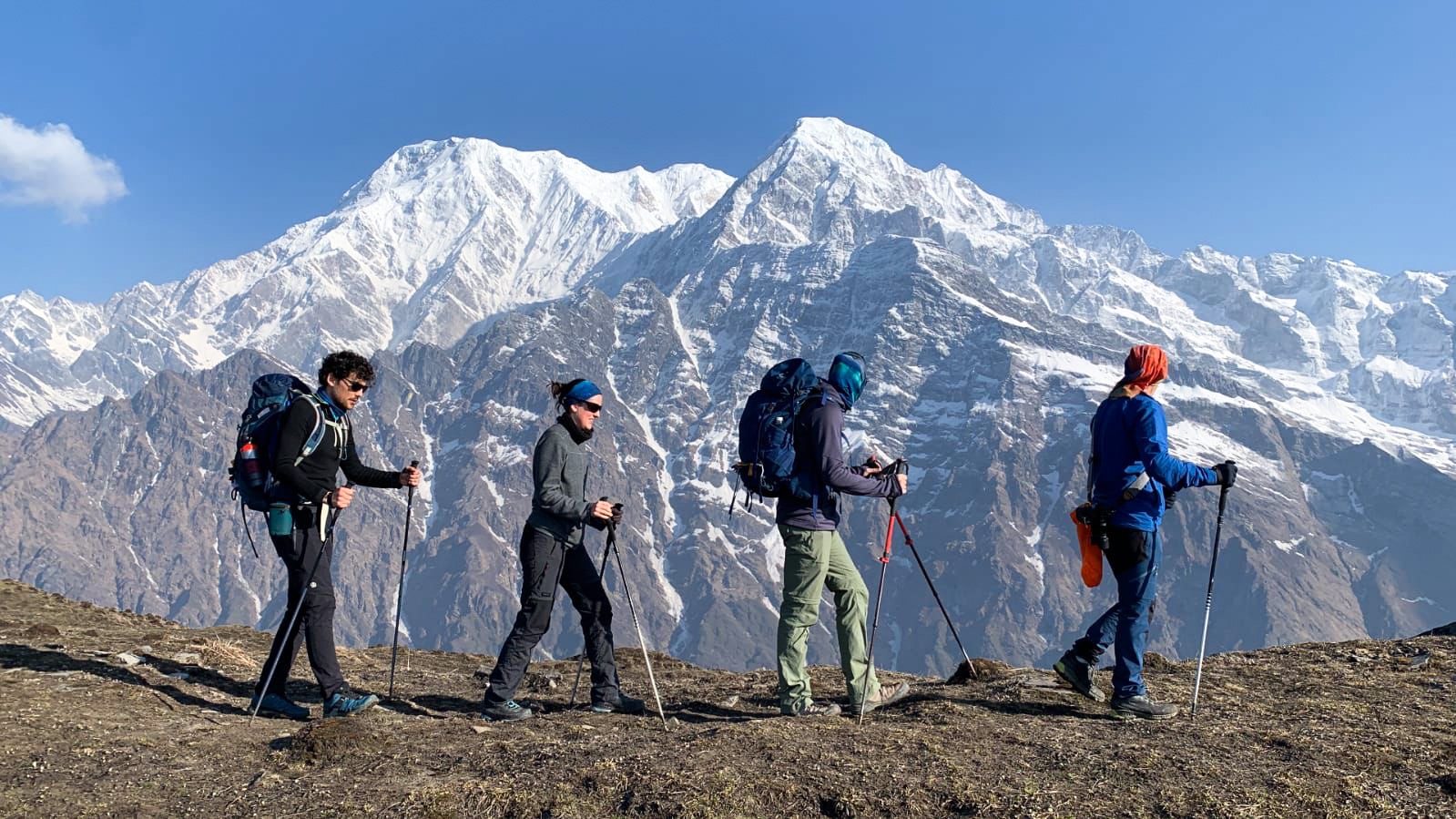
Winter in the Annapurna region (roughly December through February) transforms the Mardi Himal trek into something quieter, colder, and in some ways more beautiful. The lower sections through rhododendron and oak forests stay relatively mild, but once you climb past Low Camp and head toward High Camp (around 3,700m) and the viewpoint near 4,500m, temperatures drop sharply, especially at night.
Daytime temperatures on the upper trail typically hover between 5°C and -5°C, while nights can plunge well below freezing - sometimes down to -15°C or colder at High Camp. Snow is common above 3,000m, and depending on recent snowfall, the final push to the viewpoint can range from a light dusting to genuinely tricky, thigh-deep drifts.
None of this makes the trek impossible. It just means winter Mardi Himal is a different kind of trek than the one Instagram influencers usually show you.
The Case for Trekking in Winter
Here's what draws people to attempt it despite the cold.
Crystal-clear mountain views. Winter skies in Nepal are often remarkably clean and haze-free. The Annapurna range, Machhapuchhre (Fishtail), and Hiunchuli tend to appear sharper and more dramatic than during the sometimes-hazy autumn peak season.
No crowds, real solitude. Mardi Himal has grown into a popular short trek precisely because it's less crowded than Annapurna Base Camp or Poon Hill. In winter, that quietness intensifies. You might have entire stretches of trail - and even teahouses - almost to yourself.
A genuine sense of adventure. There's something different about trekking through snow-dusted forests and reaching a viewpoint that few people bother visiting in January. It feels earned in a way that a busy October trek doesn't.
Lower costs. Teahouses often drop their rates in the off-season, and flights or transport can be cheaper too, since demand is lower.
The Case against It
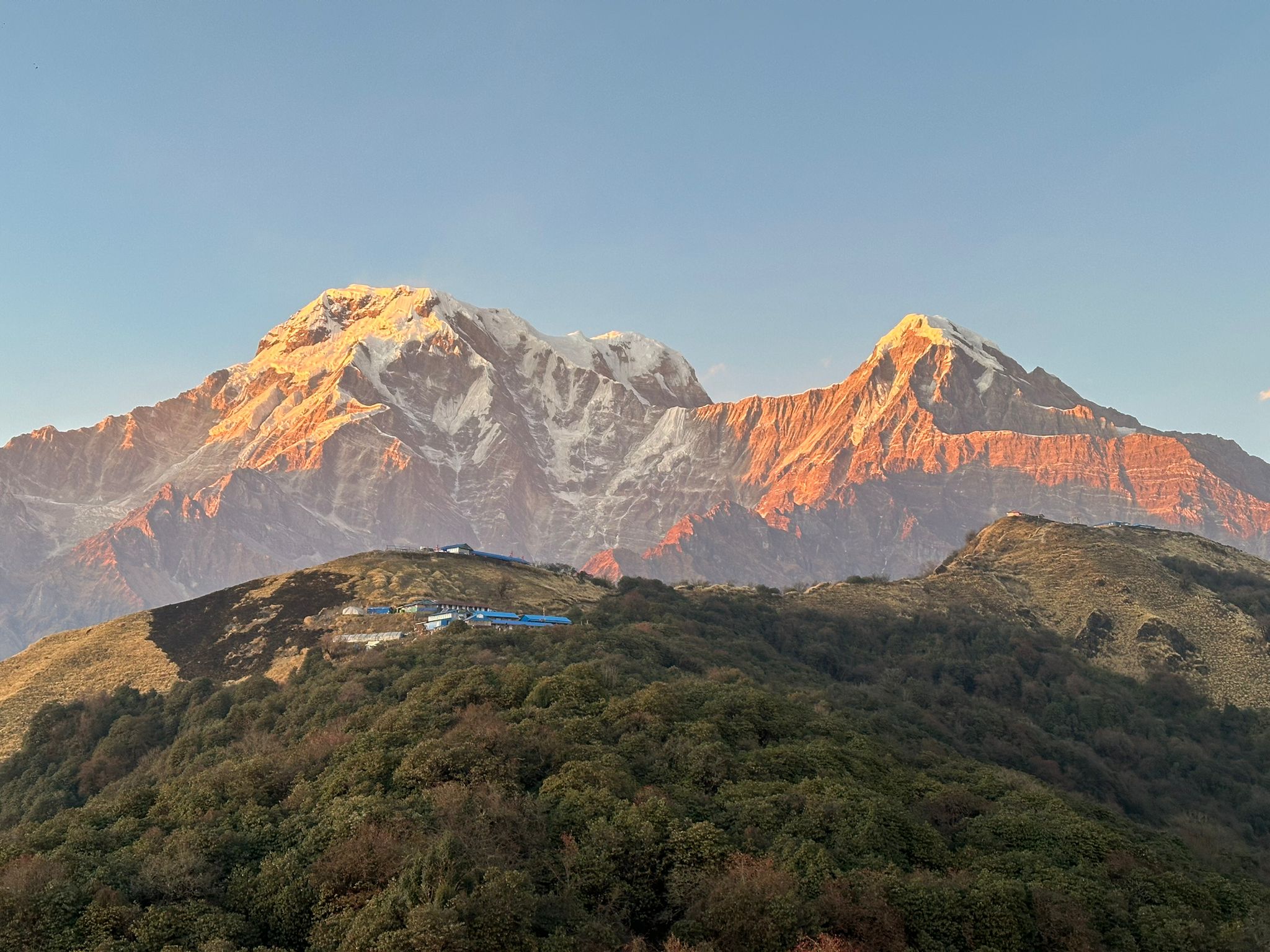
It's not all snow-globe scenery and empty trails, though.
Teahouses may close. This is the big one. Some of the higher lodges, particularly around High Camp, occasionally shut down in the coldest months (usually mid-December through February) if owners decide there isn't enough trekker traffic to justify staying open. This varies year to year, so checking current conditions before you go is essential - a call to a local trekking agency in Pokhara a few days before departure can save you from an unpleasant surprise.
Trail conditions get unpredictable. Snowfall can make the upper trail slippery or, after a heavy dump, genuinely difficult to navigate without proper gear. Without microspikes or crampons, the icy sections near High Camp and the viewpoint can turn a straightforward walk into something requiring real caution.
Shorter daylight hours. You'll have less daylight to work with, which means earlier starts and a tighter schedule if you want to reach the viewpoint and get back to shelter before dark.
Cold-related risks. Frostbite and hypothermia are real concerns if you're underprepared. This isn't a trek where you can get away with borrowing a friend's jacket and hoping for the best.
Who Should (and Shouldn't) Attempt Winter Mardi Himal
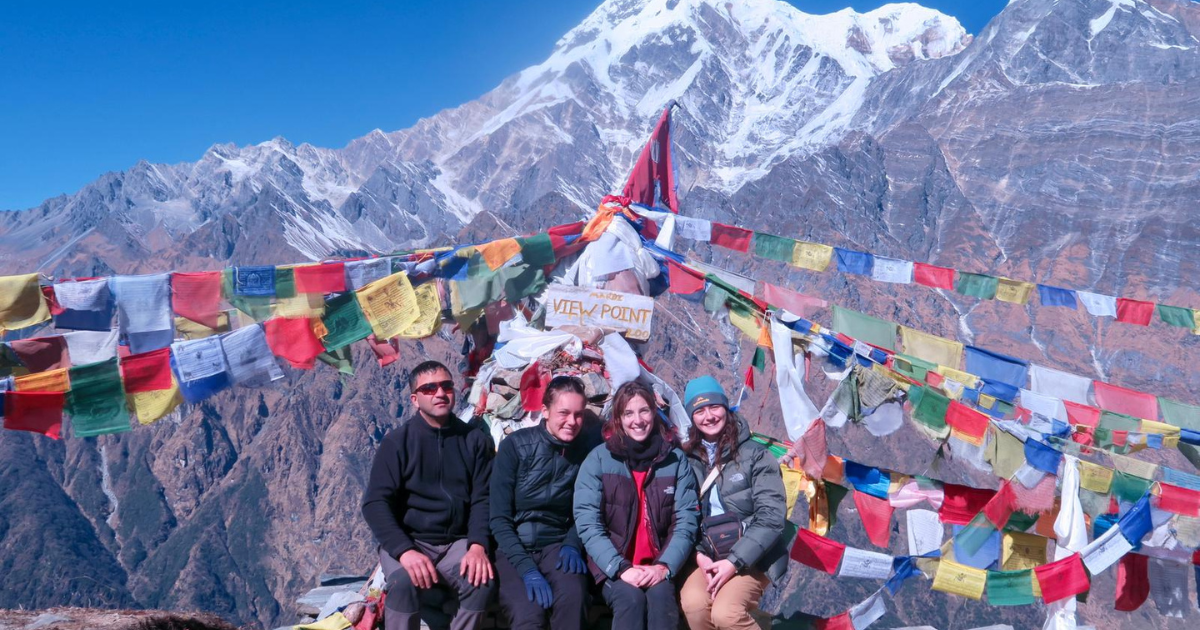
Winter trekking suits people who already have some cold-weather hiking experience, or who are meticulous about preparation even without that experience. If you're comfortable layering properly, know how to pace yourself in the cold, and are willing to turn back if conditions look bad, you'll likely have an incredible, memorable trip.
If you're a first-time trekker with no cold-weather experience, or you're traveling solo without a guide and without much research into current trail conditions, winter might not be the right call. This isn't meant to scare you off - it's meant to be honest. Mardi Himal without a guide is manageable for experienced trekkers in good weather, but winter adds enough variables that having local knowledge with you (a guide or at least very current information) makes a real difference.
Gear That Actually Matters
Packing right is where most winter trekking problems get solved before they start. Beyond the standard trekking gear, prioritize:
- A sleeping bag rated to at least -15°C to -20°C, since teahouse rooms are unheated
- Proper insulated, waterproof trekking boots - not just sturdy sneakers
- Microspikes or crampons if there's been recent snowfall
- Trekking poles for stability on icy or snowy patches
- Layering system: a solid base layer, insulating mid-layer (down jacket), and a windproof/waterproof outer shell
- A good headlamp, since you may start before sunrise to make the most of daylight
- Sunglasses and sunscreen - snow glare is intense at altitude
Renting or buying a down jacket and sleeping bag in Pokhara before you set off is common practice and much cheaper than bringing everything from home.
Best Time within winter to Go
If you're set on a winter trek, late November into early December, or late February into early March, tend to offer a sweet spot. You get much of winter's clarity and quiet without hitting the very coldest, most snow-heavy weeks of deep January. That said, weather in the mountains never reads a calendar, so flexibility in your itinerary is your best friend.
Trekking to Mardi Himal in winter is not just possible - for the right person, with the right preparation, it might be the best version of this trek. The mountain views are often sharper, the trails are yours to enjoy without crowds, and there's a certain quiet magic to walking through snow-covered rhododendron forests that autumn simply can't replicate.
But it demands respect. Cold-weather gear isn't optional, teahouse availability needs checking, and flexibility has to be part of your plan. Go in informed, go in prepared, and winter Mardi Himal can be one of the most rewarding treks you'll ever do.
Need Help? Call Us+977 9856073085orChat with us on WhatsApp
Latest Travel Blogs
Oct 12, 2026By ABC
Why Trek to Everest Base Camp in 2027: 10 Reasons to Go
Oct 06, 2026By ABC
Trekking the Annapurna Circuit in September
Oct 04, 2026By ABC
Annapurna Circuit Trek in 2027
Need Help? Call Us.+977 9856073085