
If you've been scrolling through trek options in Nepal and keep landing on Annapurna Base Camp or Everest Base Camp, let us put a smaller, quieter name in front of you: Mardi Himal. It doesn't get the crowds, it doesn't demand three weeks of your life, and in May, it turns into one of the most rewarding short treks in the Annapurna region. We want to walk you through what this trek actually feels like in May, not just the brochure version.
Mardi Himal Trek in May: A Short Hike into the Clouds

Why May works so well for this Trek
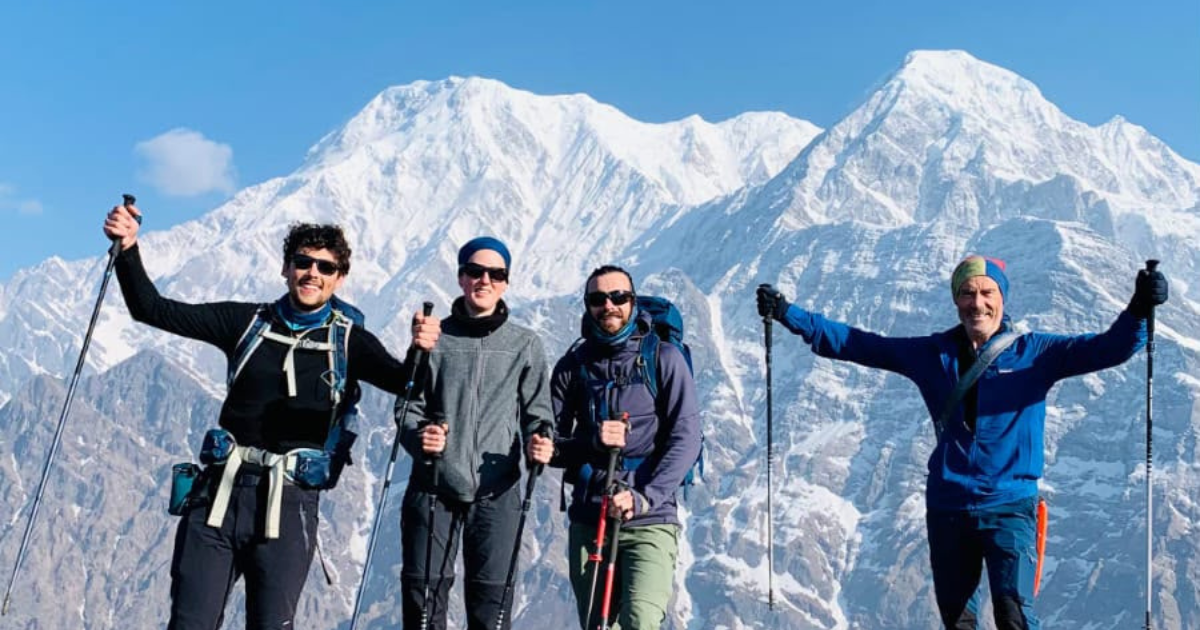
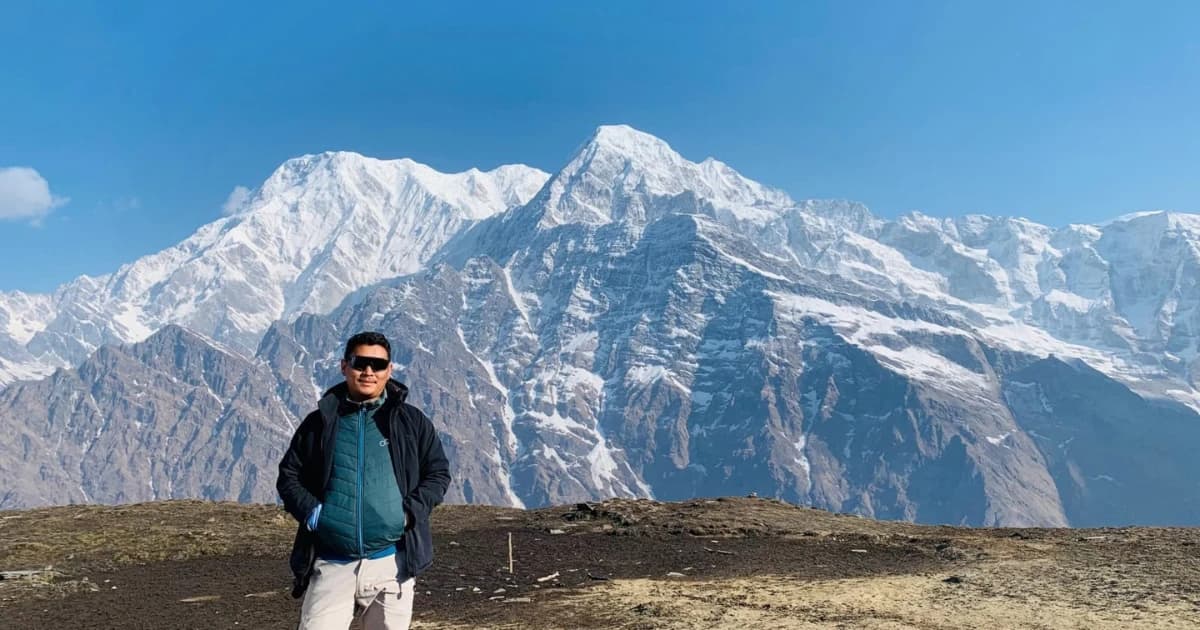
May sits right at the edge of Nepal's spring and the coming monsoon, and that timing matters more than people realize. The heavy rhododendron bloom of March and April has mostly faded lower down, but at Mardi's mid altitudes you'll still catch pockets of red and pink blossoms clinging to the forest, especially if you go in the first half of the month.
More importantly, the trails have dried out from the winter snow, the days are longer, and the temperatures at lower and mid elevations are genuinely pleasant rather than bone-cold.
The catch is humidity. May afternoons in the hills can get hazy, and clouds tend to build up after late morning. That means your best mountain views usually come early in the day. If you're the type who likes sleeping in, this trek will train you out of that habit fast.
Getting There: The Approach from Pokhara
Almost every Mardi Himal itinerary starts in Pokhara, and that's part of the appeal. You get a day or two by Phewa Lake, a decent night's sleep, and then a short drive to Kande or Australian Camp, where the actual walking begins. Compared to the long, bumpy jeep rides that precede treks like Manaslu, this feels almost civilized.
From the trailhead, the first stretch winds through forest and small settlements before the route properly splits off from the main Annapurna trails. This is one of the things I like most about Mardi Himal: it peels away from the busier paths fairly quickly, so even in peak-ish season you're not walking in a conga line of trekkers.
The Forest Stage: Deurali and the Rhododendron Corridor
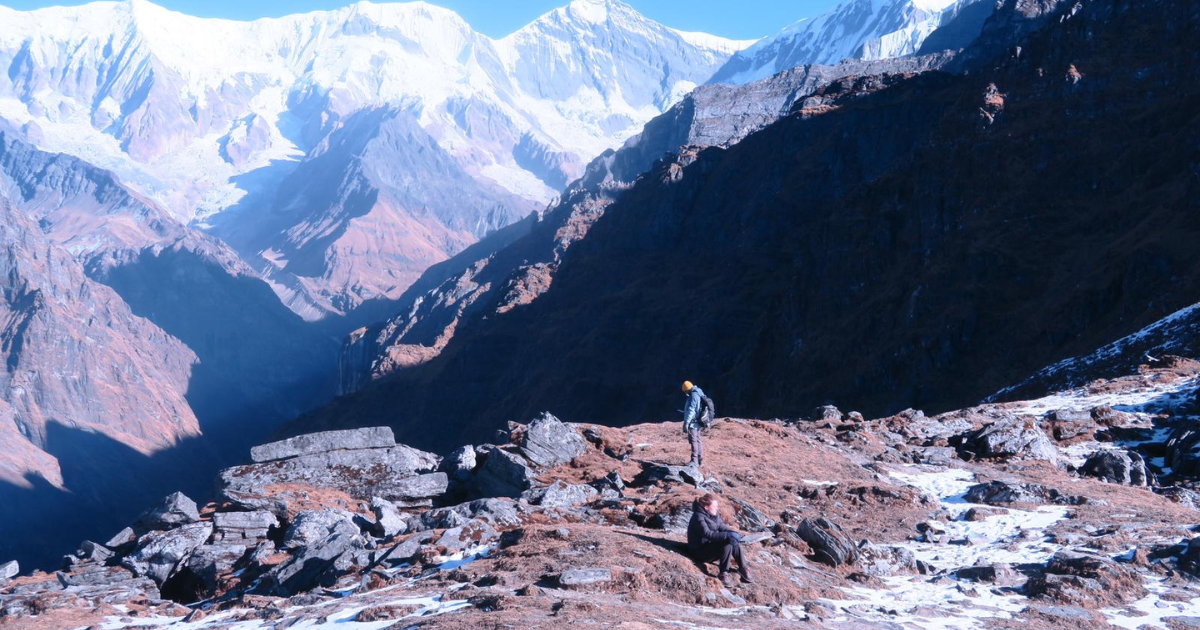
I think itineraries undersell how varied this trek is physically. You're not just climbing a single ridge for five days. You've got forest switchbacks, exposed ridgeline walking near the top, and a fair number of stone steps that show up in that specific way Nepali trails love to torture your knees on the way down. In May, dry conditions make all of this easier than in monsoon or winter, but "easier" doesn't mean easy. A reasonable level of fitness matters, even though this is often marketed as a beginner-friendly trek.
Tea Houses, Food, and What to Expect at Night
Accommodation along the route is basic but functional, teahouses with shared rooms or simple twins, thin walls, and menus built around dal bhat, noodles, and eggs in every possible configuration. Don't expect much variety, and don't expect hot showers at the higher camps, though lower down you can usually pay a small fee for one. Wifi exists in patches but is unreliable, which honestly might be the best part of the whole trip.
Packing for May Specifically
The trick with Mardi Himal in May is that you're dressing for two completely different climates in the same day. Lower down, a light layer and sun protection are enough. Higher up, especially at High Camp and the summit push, you'll want a proper down jacket, gloves, and a warm hat. Rain isn't guaranteed, but pre-monsoon showers do happen, so a decent rain shell earns its place in your bag. A good pair of broken-in boots matters more here than people expect, given how much of the trail is uneven stone.
Is May the Right Time for You?
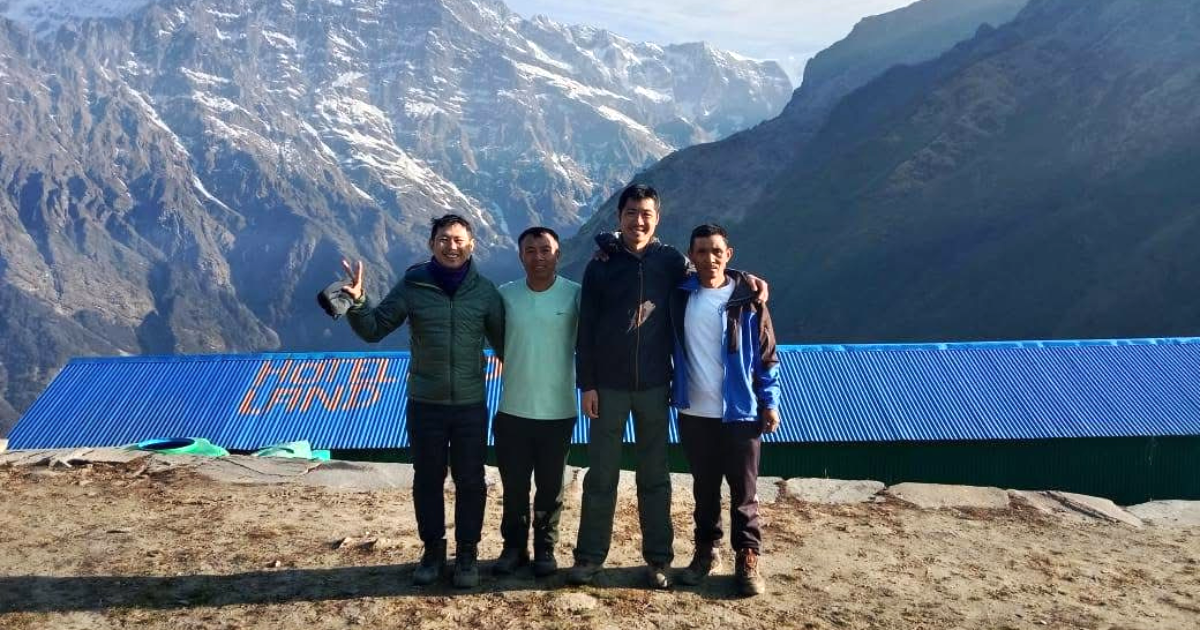
If you want green forests, warmer nights than the winter months, and don't mind some cloud cover creeping in during the afternoons, May is a genuinely good window for Mardi Himal trek. It's not the crystal-clear visibility you'd get in late autumn, but it trades that for lush scenery, fewer crowds than October and November, and a much gentler introduction to high-altitude trekking than its bigger, longer cousins.
Mardi Himal won't test you the way Everest Base Camp or Annapurna Circuit will. What it offers instead is a compact, honest slice of the Himalayas, forest to alpine to summit view, in less than a week. In May, with the right timing on your daily starts, it's a trek that rewards you generously for a relatively modest effort.
Need Help? Call Us+977 9856073085orChat with us on WhatsApp
Latest Travel Blogs
Oct 12, 2026By ABC
Why Trek to Everest Base Camp in 2027: 10 Reasons to Go
Oct 06, 2026By ABC
Trekking the Annapurna Circuit in September
Need Help? Call Us.+977 9856073085