
Every year, thousands of people lace up their boots in the Khumbu and walk toward the highest mountain on Earth. Plenty of them started out thinking, "Maybe one day." If that sounds like you, we’d like to nudge "one day" toward 2027 for the Everest base camp trek.
Why Trek to Everest Base Camp in 2027: 10 Reasons to Go


Let us be clear here that the Everest Base Camp trek also popular as EBC Trek isn’t a stroll. It's a demanding, humbling, sometimes freezing, and occasionally breathless experience. It's also one of the most rewarding things an ordinary, reasonably fit person can do.
Here are ten honest reasons why 2027 is a great year to make it happen.
1. You have Time to Train Properly
It's October 2026 as we write this. That means if you plan for the spring 2027 season (March to May), you have five to six months to prepare. If you aim for autumn 2027 (late September to November), you have almost a full year.
That's the sweet spot. You don't need to become an athlete. You need to build stamina: long hikes with a loaded daypack, stair climbing, a few weekends of back-to-back walking. Most trekkers who struggle on the trail do so because they treated training as optional. Booking a date now gives you a deadline, and a deadline is the best motivator I know.
2. The Trek is Achievable for Regular People
Here's the part that surprises people: EBC isn't a technical climb. There are no ropes, crampons or ice axes involved. It's a walk, a long and high one, on well-trodden trails through villages with teahouses.
A typical itinerary runs about 15 days, including rest days for acclimatization. Most days you're walking five to seven hours at a gentle pace. Age isn't a barrier either. Teenagers and people in their sixties and seventies reach base camp every season. What matters is steady fitness, a sensible pace, and respect for altitude.
3. The Scenery is beyond What Photos Show
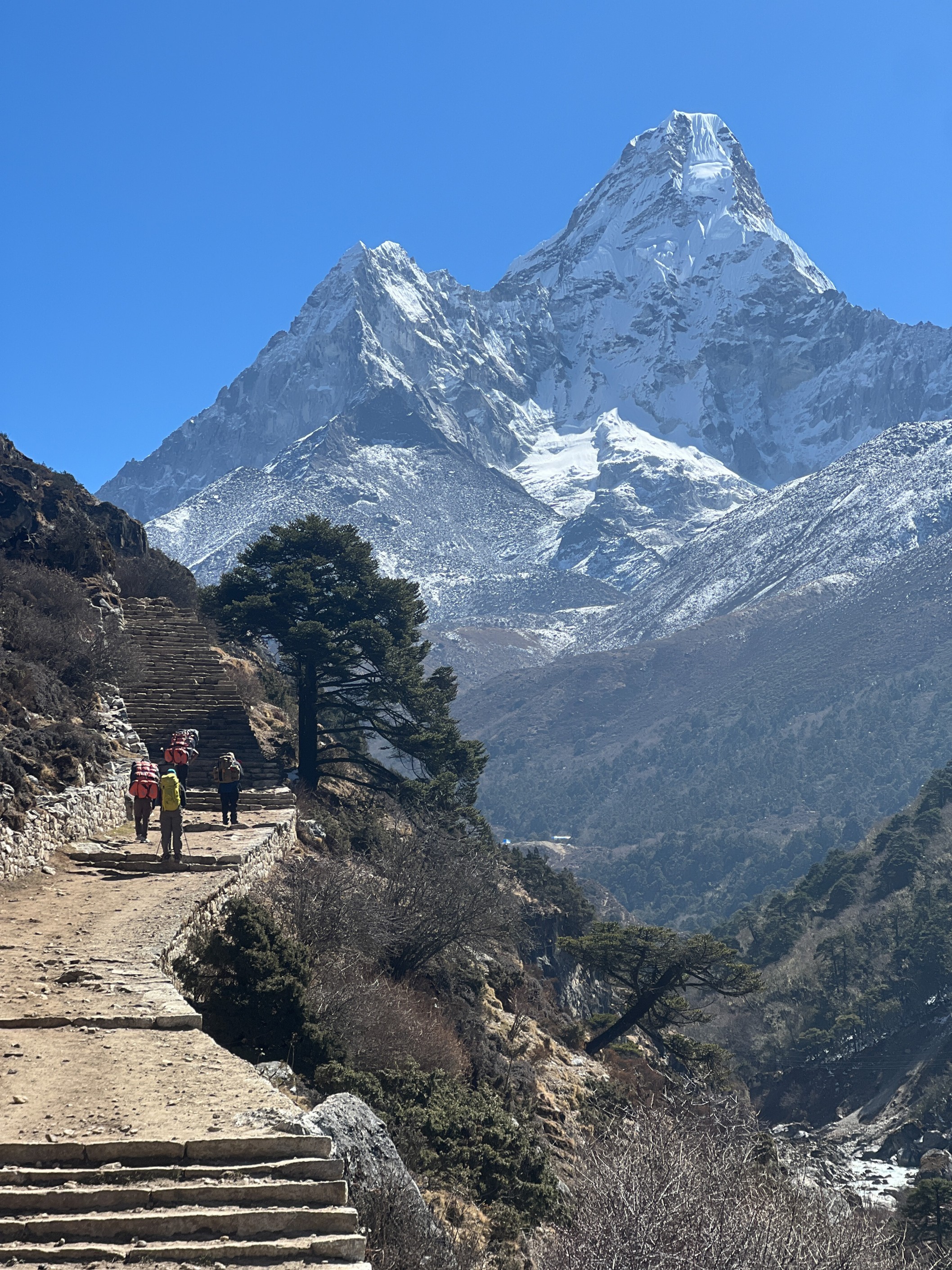
You've seen the pictures. They don't prepare you.
The trail starts in green, terraced hill country, crosses swaying suspension bridges over glacial rivers, and climbs through rhododendron and pine forest into stark, high alpine terrain. Then the giants appear: Ama Dablam, Lhotse, Nuptse, Pumori, and eventually Everest itself, looking smaller than you'd expect from base camp but unmistakable from Kala Patthar.
On a clear morning at Dingboche, with the light turning the peaks gold, you'll stop mid-sentence. Everyone does.
4. Sunrise from Kala Patthar is Worth the Cold
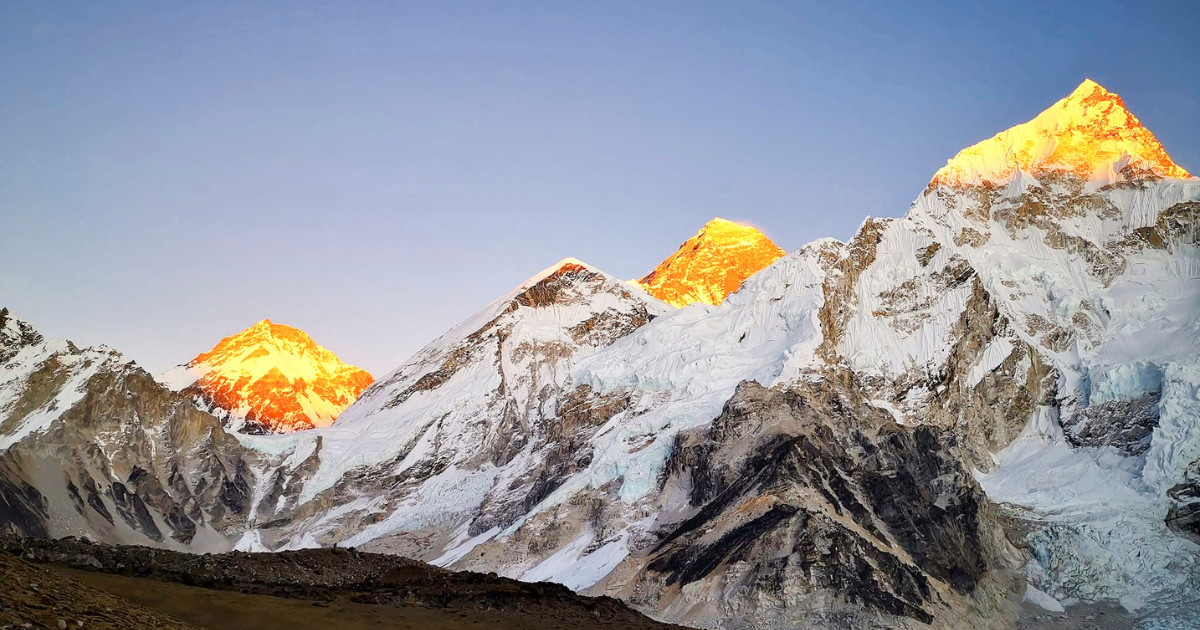
Base camp itself, at about 5,364 metres, is a rocky, glacier-side camp. It's meaningful, but honestly, it's not the best view of Everest. Many trekkers say the real highlight is Kala Patthar, a small peak at roughly 5,545 metres, climbed before dawn.
It's cold enough to numb your fingers inside two layers of gloves. Then the sun hits the summit of Everest first, and the whole Khumbu wakes up in orange and pink. Standing there, you'll understand why people call this a once-in-a-lifetime morning. Bring a good headlamp and a thermos of something hot.
5. The Sherpa Culture is a Highlight in Itself
The Khumbu is home to Sherpa communities whose history with these mountains stretches back centuries. Walking through their villages isn't just a backdrop for the trek. It's half of the experience.
You'll pass mani walls carved with Buddhist prayers, spin prayer wheels, and (always keep them on your left) walk clockwise around stupas. At Tengboche Monastery, if your timing is right, you can sit quietly while monks chant their afternoon prayers with the Himalayas framed in the doorway. Ask your guide questions. Learn a few phrases. "Namaste" and "dhanyabad" (thank you) go a long way.
6. Teahouse Life is Surprisingly Warm and Social
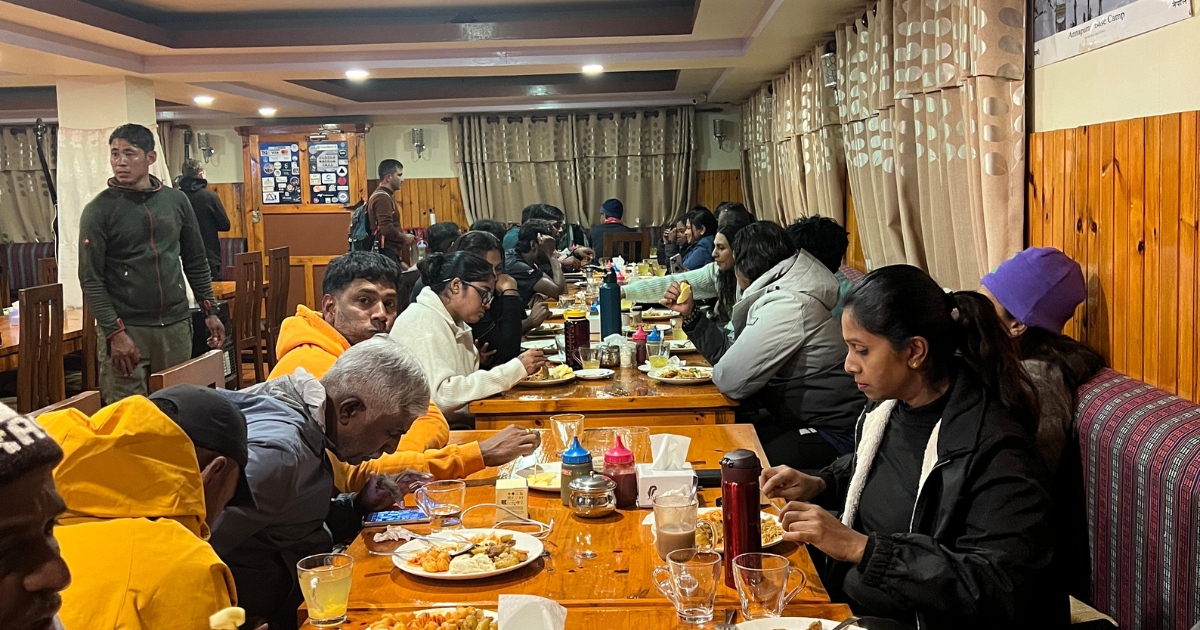
If you imagine trekking at altitude as lonely and austere, the teahouses will pleasantly surprise you. Each night you'll stay in a simple lodge, usually with a twin room, a thin mattress and blankets, and a dining room with a yak-dung or wood stove at its centre.
That dining room becomes the social heart of the trek. You'll swap stories with strangers from Brazil, Scotland and South Korea, play cards, compare blisters, and eat plate after plate of dal bhat, which in Nepal comes with the famous promise that "dal bhat power, 24 hour." Some of the friendships formed over a stove on the Everest trail last for decades.
7. It Supports Local Livelihoods Directly
Tourism is the economic backbone of the Khumbu. When you hire a local guide and porter, sleep in family-run lodges, and buy meals along the way, your money stays in these communities.
If you want to make a positive impact, choose a trekking company that pays fair wages, insures its porters and limits their loads. Don't be afraid to ask about this when booking. Reputable operators are proud to answer. Carry out your rubbish where possible, avoid single-use plastic by bringing water purification tablets, and tip generously at the end.
8. It Genuinely Changes How You Think about Challenge
We've spoken with many trekkers who say the trek changed their relationship with difficulty. There's something powerful about spending two weeks where the only tasks are walk, eat, drink water, sleep and repeat.
There will be a day, usually around Dingboche or Lobuche, when you feel tired, your head aches slightly, and part of you wants to quit. And then you take one more step. And another. Reaching base camp proves to you that small, consistent effort can take you somewhere enormous. That lesson doesn't stay in the mountains. It comes home with you.
9. The Flight into Lukla is an Adventure of Its Own
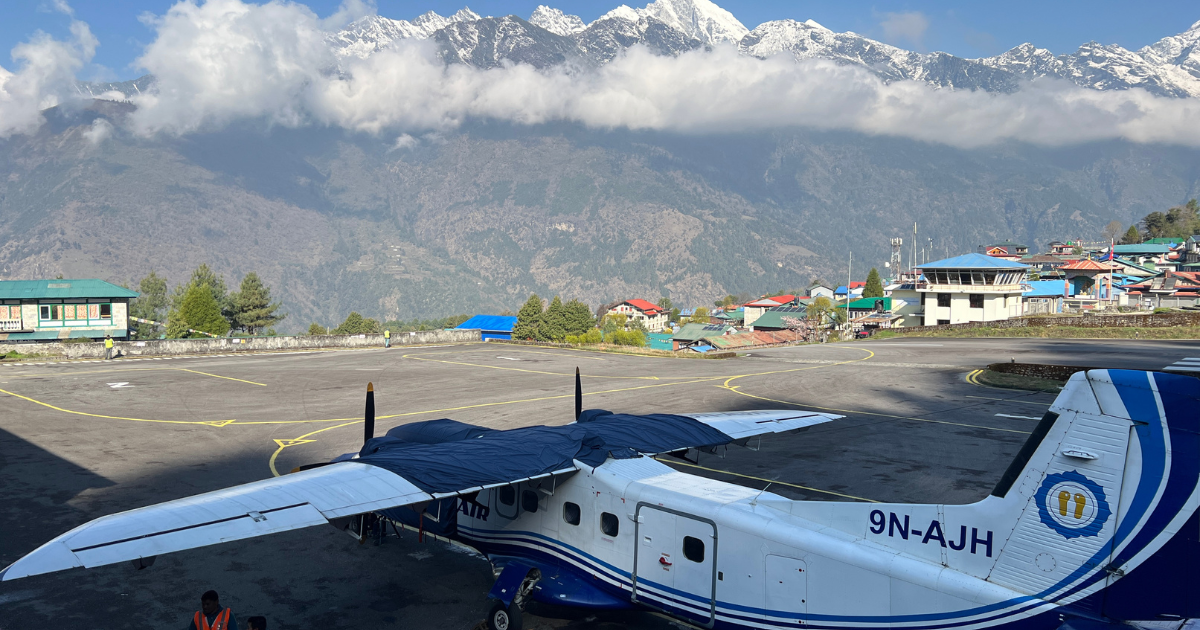
Most trekkers begin with a short flight to Lukla, home to one of the most famously dramatic airstrips in the world. The runway is short, sloped uphill and tucked against a mountainside. The small plane ride lasts about 30 to 40 minutes, with mountain views out of the window that are already a trek highlight.
10. Planning ahead for 2027 Means Better Choices
This last reason is simple and practical. The popular windows, especially April to May and October to November fill up. Good guides, well-reviewed lodges and sensible flight times get booked first.
Booking early gives you more choices of dates, better conversations with operators, and time to arrange travel insurance that covers high-altitude trekking and helicopter evacuation. It also lets you spread costs over months instead of paying everything at once. Prices and permit fees can change, so confirm current figures with your trekking company before you commit.
Best Time to Trek Everest Base Camp in 2027
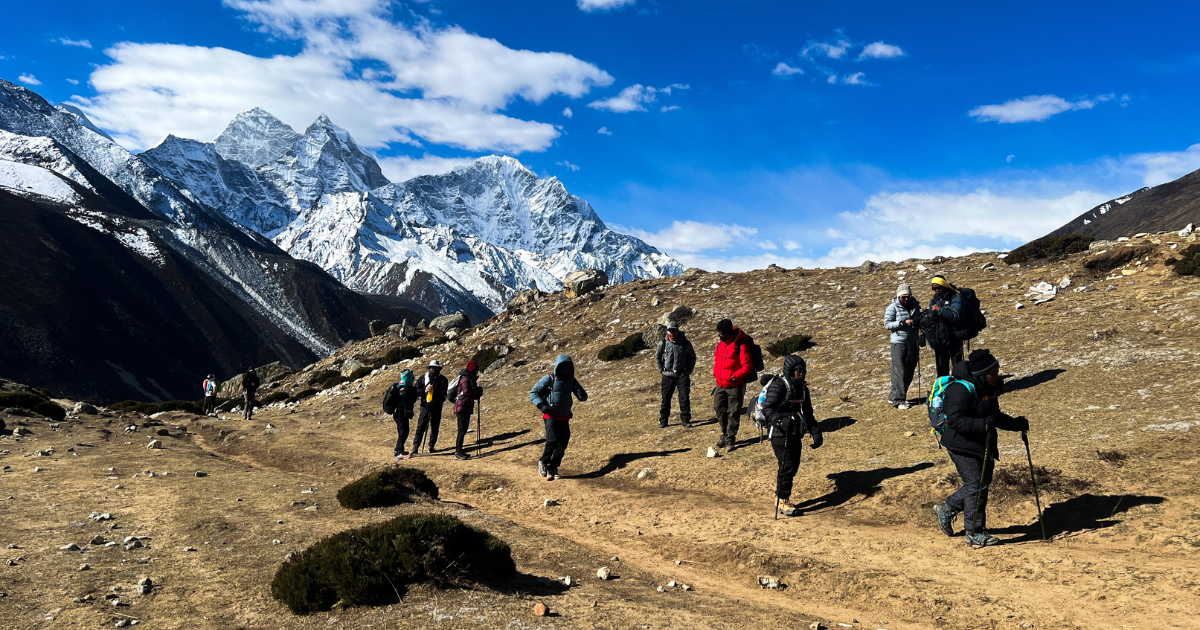
Spring (March to May): Warmer days, blooming rhododendrons, and the atmosphere of climbing season, as expedition teams prepare at base camp. It's busier, but lively.
• Autumn (late September to November): Famously clear skies, stable weather and crisp mountain views. Many people consider October the best single month.
• Winter and monsoon: Possible, but colder or wetter, and more likely to bring cancellations. Beginners generally do better in spring or autumn.
Quick Preparation Checklist
• Fitness: Start with weekly hikes now, building toward long days carrying 5 to 8 kg.
• Gear: Broken-in boots (never new ones), a four-season sleeping bag, layered clothing and a good down jacket. Much of this can be rented in Kathmandu.
• Health: See your doctor, ask about altitude medication, and get comprehensive insurance.
• Altitude habits: Walk slowly, drink plenty of water, and never ignore symptoms such as persistent headache, nausea or confusion. Descending is always the right answer if you're getting worse.
• Permits: We will arrange the required local permits. Check current requirements when you book.
The honest truth is that "one day" rarely arrives on its own. Life stays busy, work stays demanding, and the Himalayas will still be there either way. But your knees, your schedule and your appetite for adventure won't always line up so well.
The Everest Base Camp trek isn't about conquering a mountain. It's about walking among the biggest ones on Earth, meeting generous people, and discovering that you're a bit tougher than you thought. If a small voice in you has been whispering "maybe," 2027 is a very good time to say yes.
Let’s go on the adventure together.
Need Help? Call Us+977 9856073085orChat with us on WhatsApp
Latest Travel Blogs
Oct 06, 2026By ABC
Trekking the Annapurna Circuit in September
Oct 04, 2026By ABC
Annapurna Circuit Trek in 2027
Oct 01, 2026By ABC
Mardi Himal Trek in May: A Short Hike into the Clouds
Need Help? Call Us.+977 9856073085